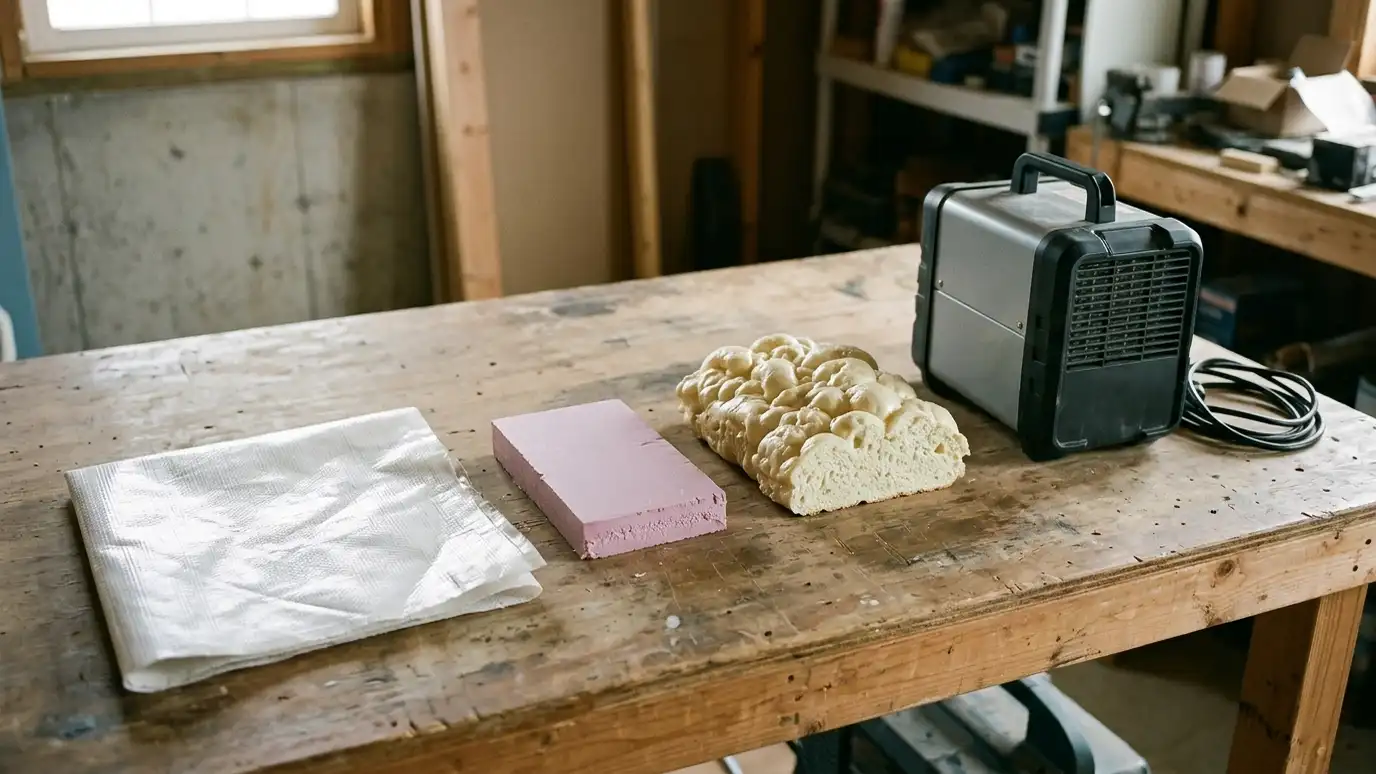
Cold floor comfort solutions that find why floors feel cold and fix it with air sealing, insulation, duct work and moisture control from the crawl space.
Cold floors in winter are one of the clearest signs of a crawl space problem. Cold air moves up through gaps, insulation has fallen and ducts leak into the space. Homeowners in Nashville often wear socks all winter and wonder why the rooms above the crawl space never feel as warm as the rest of the house.
We start with the floor itself, using a thermal camera and temperature readings to see where cold is coming from. Then we fix the likely causes: air sealing at the rim joist and penetrations, closing vents, repairing and wrapping ducts, replacing insulation and controlling humidity so insulation works. In some homes a sealed crawl space does more for floor temperature than anything else. We explain how much improvement is realistic, and we avoid promising specific degrees, since heat loss also depends on the rest of the house. Keep a short note of which rooms feel coldest and in which weather. It guides the first scan and tells us whether to start with sealing, insulation or ducts.
A thermal camera and temperature readings show where the floor loses heat or gains cold air.
Rim joist, penetrations, vents and access doors are sealed to stop cold air from rising.
Fallen insulation is replaced, and ducts are sealed and wrapped so warm air stays in the house.
A liner and dehumidifier keep insulation dry so it keeps working.
Drag the handle to compare.
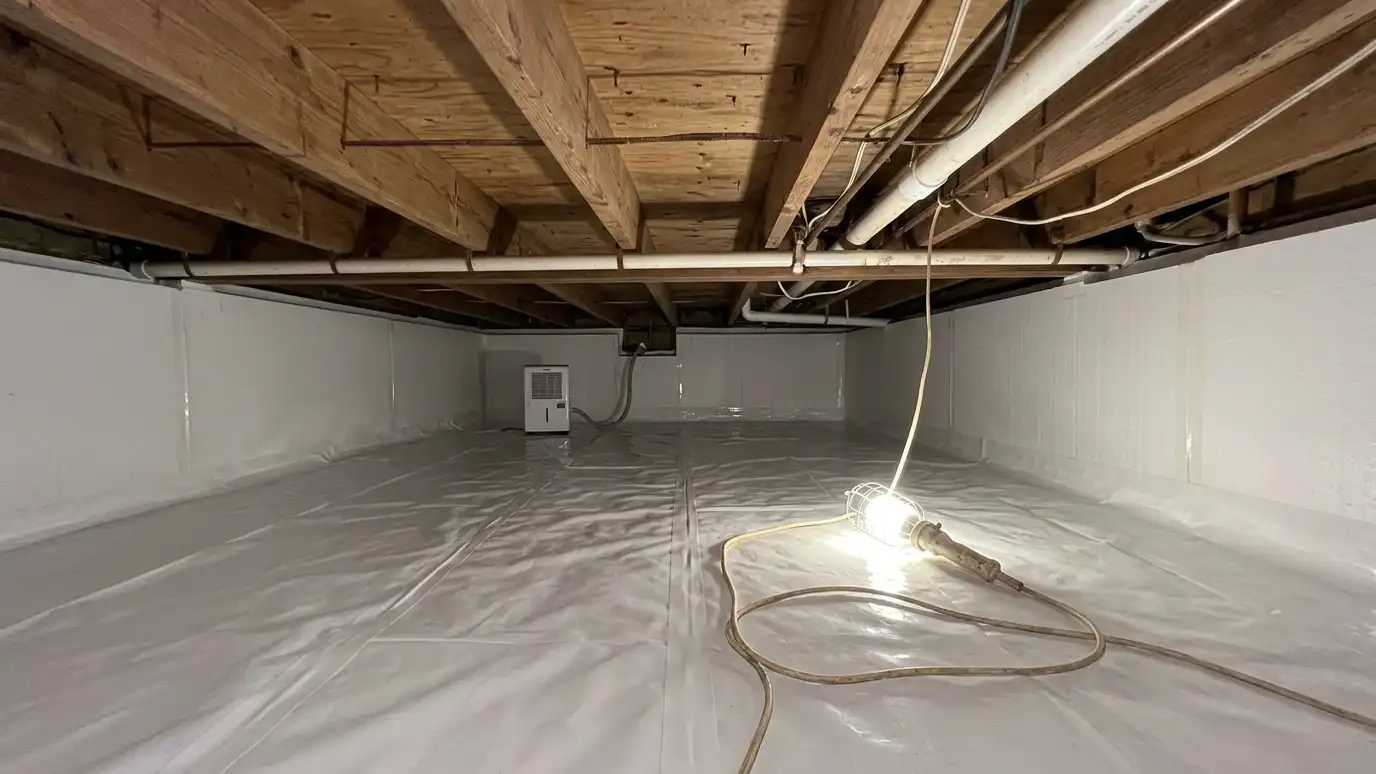
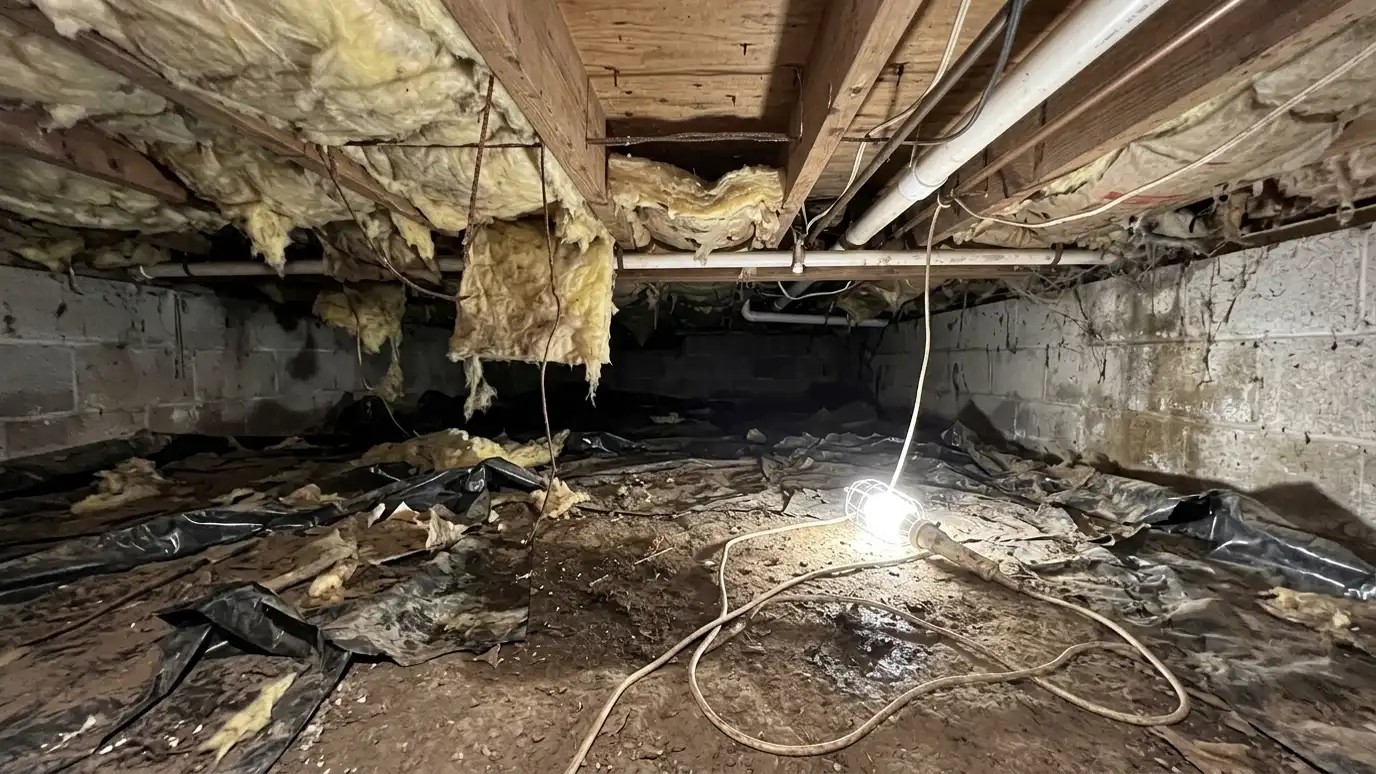 BeforeAfter
We see where it starts.
Fewer drafts.
Back in contact with the floor.
Warm air reaches rooms.
Insulation stays effective.
No promised degrees.
Every topic has its own page with what to expect and how we approach it.
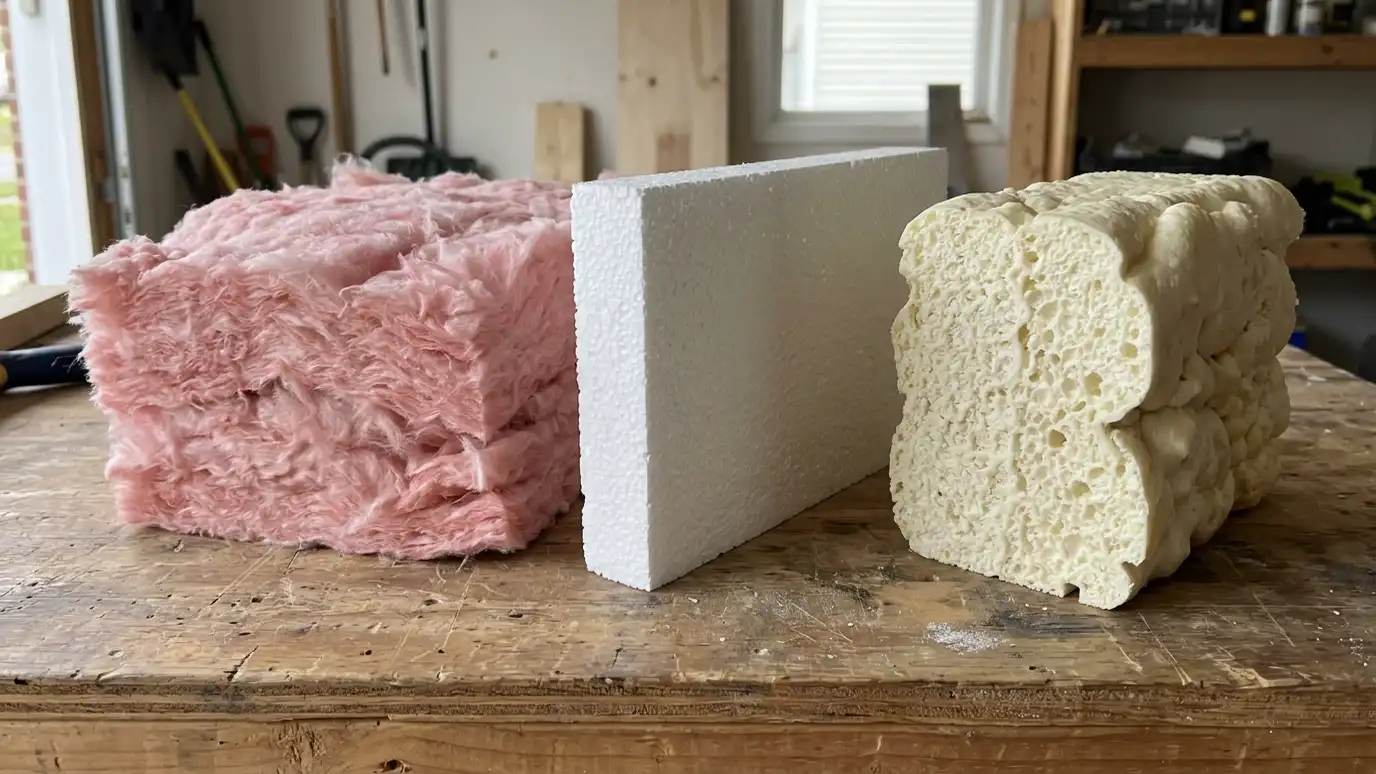 Comparison guideInsulation OptionsHow fiberglass batts, mineral wool, rigid foam board and spray foam differ for crawl space floors and walls…Learn more
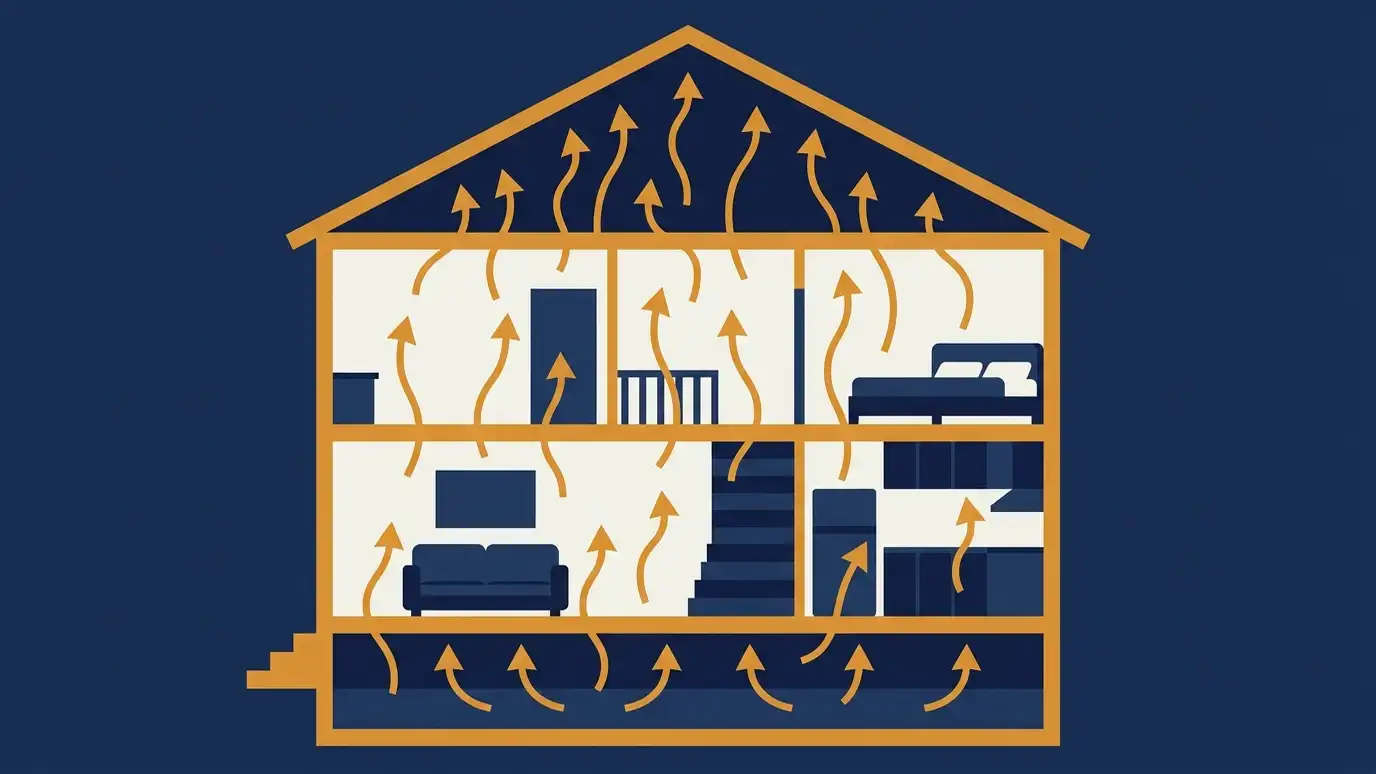 Comparison guideStack Effect and AirHow air rises from a crawl space into living areas through gaps and ducts, why that matters for…Learn more
 ResourceENERGY STARA U.S. government-backed program that labels energy-efficient products, including dehumidifiers, and shares guidance on sealing and insulating homes.Learn more
Pick a concern, such as a musty smell, standing water, sagging floors, pests, mold or cold floors, to get likely causes, what to do first and the service page that fits.
You tell us what you notice, from smells and cold floors to water and sagging, and we ask about the home and past work.
We enter the space, take moisture readings and photos, measure it and look at drainage outside.
You get a plain written scope with priorities, materials, schedule and options before anything is ordered.
We clear debris, repair structure and install drainage, then dry the space to safe moisture levels.
A liner, sealed vents, insulation and a dehumidifier go in, with seams taped and checked.
We walk the finished space with you, leave a care guide and photos and set a first checkup.
Air leaks, missing insulation, duct leaks and damp insulation are common causes.
Often it helps a lot, along with insulation and duct fixes.
They help a little but do not fix the cause.
Some steps yes, but sealing and moisture control are easier with the right tools.
Often right after work is done, though results vary by house.
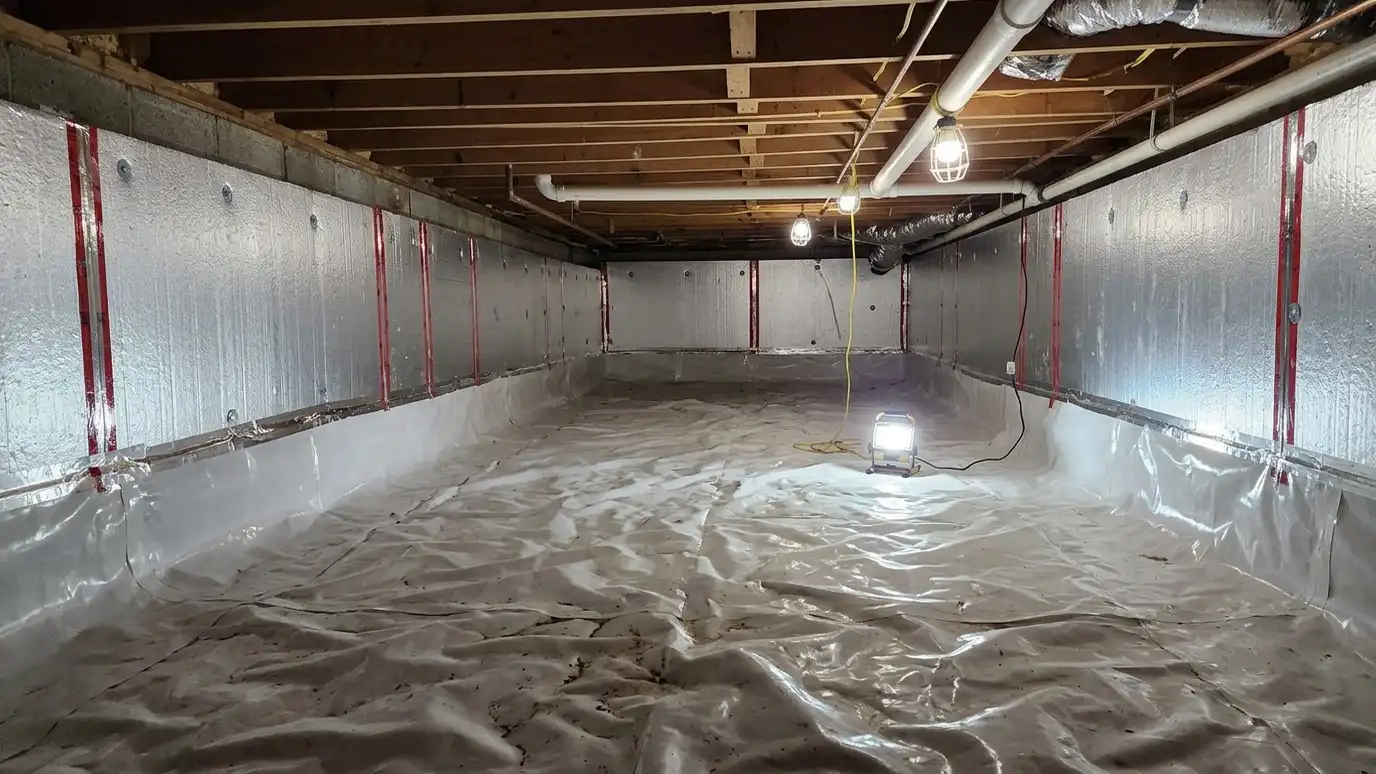 Crawl Space InsulationCrawl space insulation for floors or foundation walls, chosen to suit a sealed or vented space, to keep…Explore
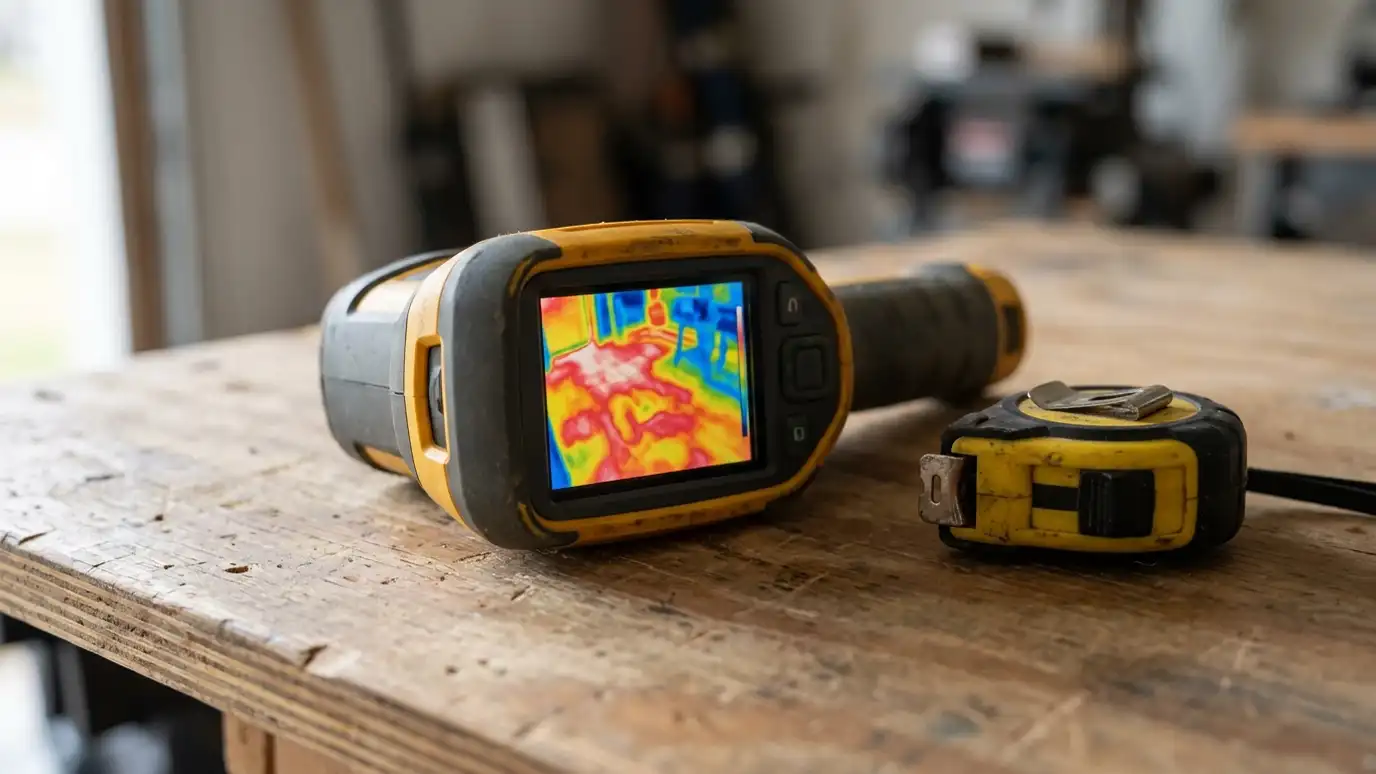 Thermal ImagingA thermal imaging and energy assessment that uses an infrared camera to find missing insulation, air leaks and…Explore
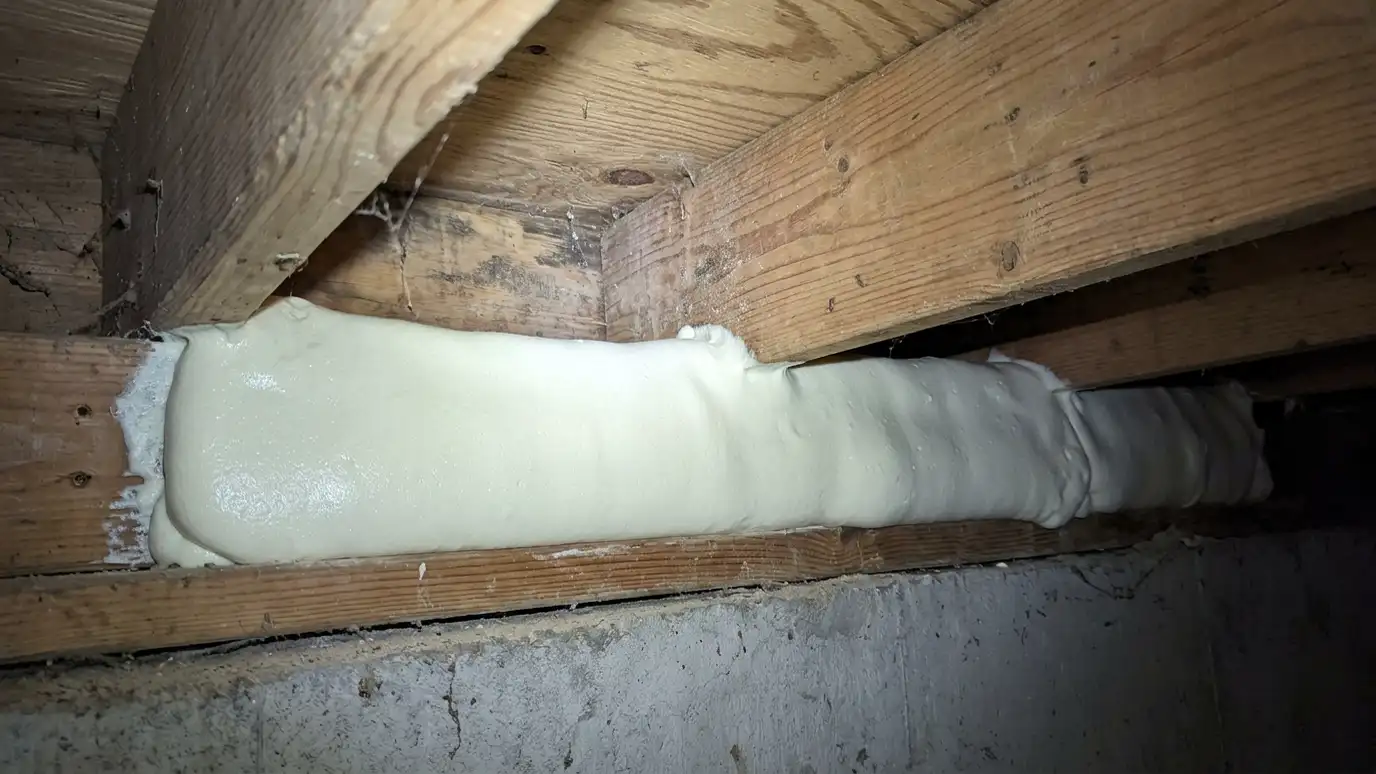 Rim Joist SealingRim joist spray foam sealing that insulates and air-seals the band of framing around the top of the…Explore
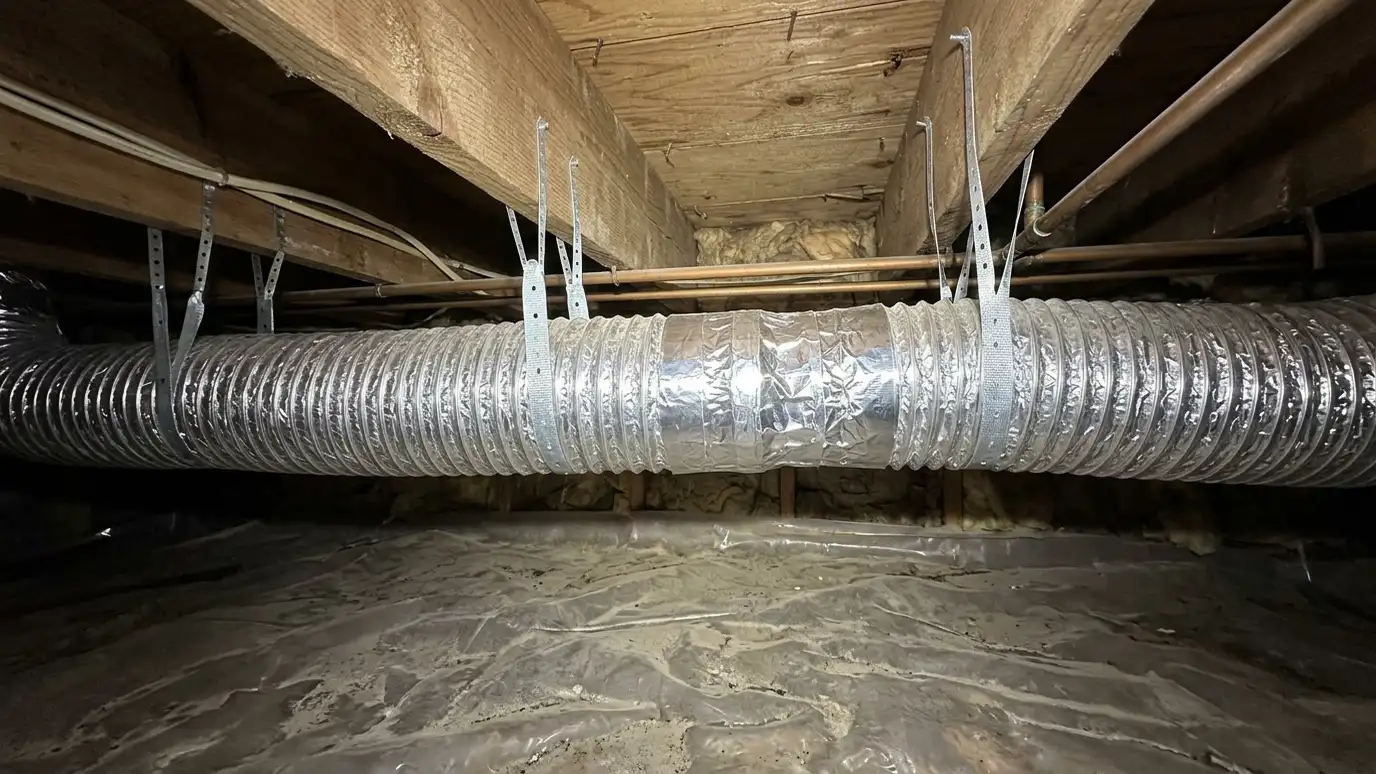 Duct SealingDuct sealing and repair in the crawl space that reconnects loose runs, seals joints and supports sagging ducts…Explore
Tell us about your space and we will call you back to set up a visit.
Or call (615) 357-7797 to talk now.