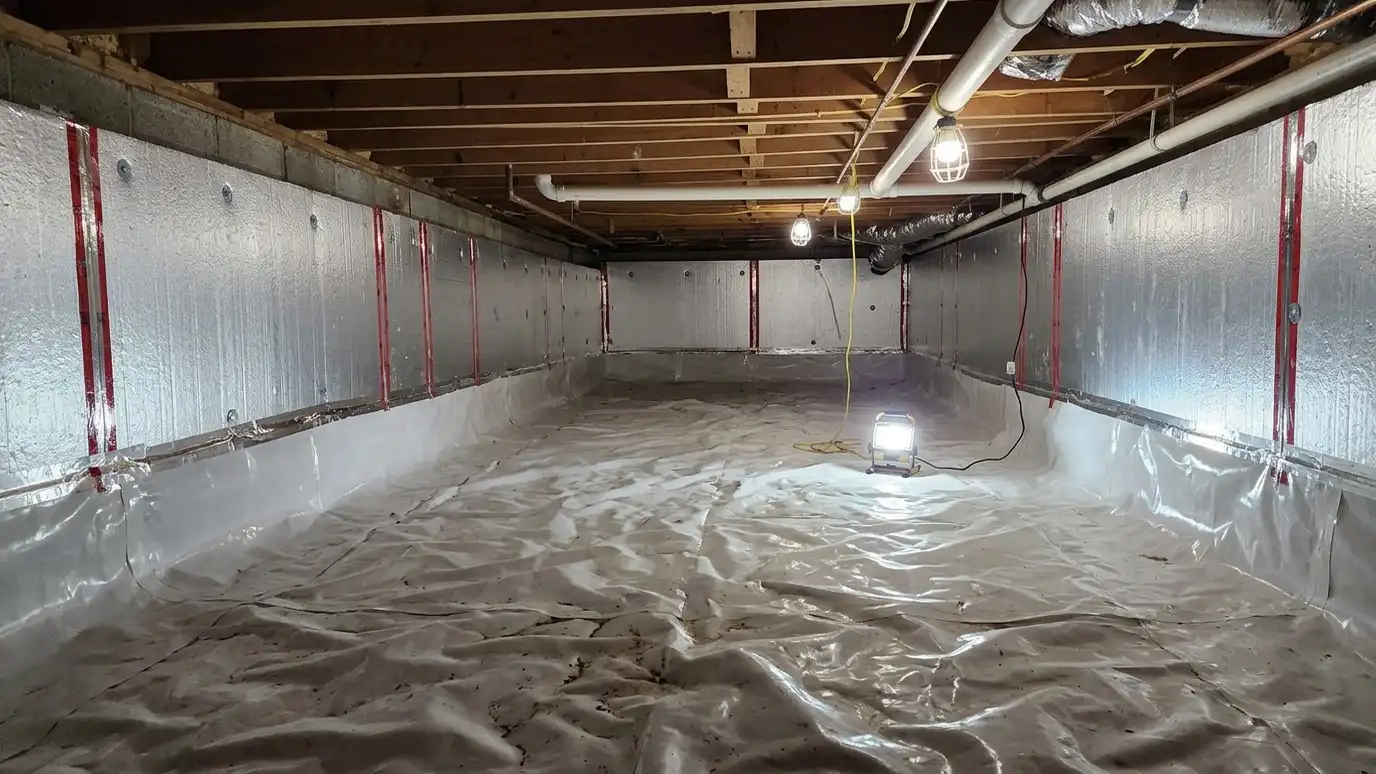
Crawl space insulation for floors or foundation walls, chosen to suit a sealed or vented space, to keep floors warmer and reduce heat loss and humidity swings.
Insulation in a crawl space can go in two places: under the floor, or on the foundation walls. The right choice depends on whether the space is vented or sealed, how damp it is and what is already there. Homeowners in Nashville often have thin or fallen batts under the floor that no longer do much, and cold floors in winter are the result.
We look at the space, the moisture, the floor framing and your goals, then explain the options. In a sealed space we insulate the walls and rim joist with foam board or spray foam and leave the floor open. In a vented space we install batts or foam under the floor with proper supports and an air seal at the rim joist. We avoid putting insulation where it would trap moisture against wood, and we correct damp problems first. We explain R-values in plain terms and tell you what is worth doing for comfort and what only adds cost.
Walls and rim joist in a sealed space, floor insulation in a vented one, depending on moisture and equipment.
Foam board, spray foam, batts or mineral wool are matched to the space, the moisture and the budget.
Insulation is cut and fastened to touch the surface it protects, with gaps sealed and supports that keep it from sagging.
We fix moisture first, because wet insulation fails and holds water against the wood.
Drag the handle to compare.
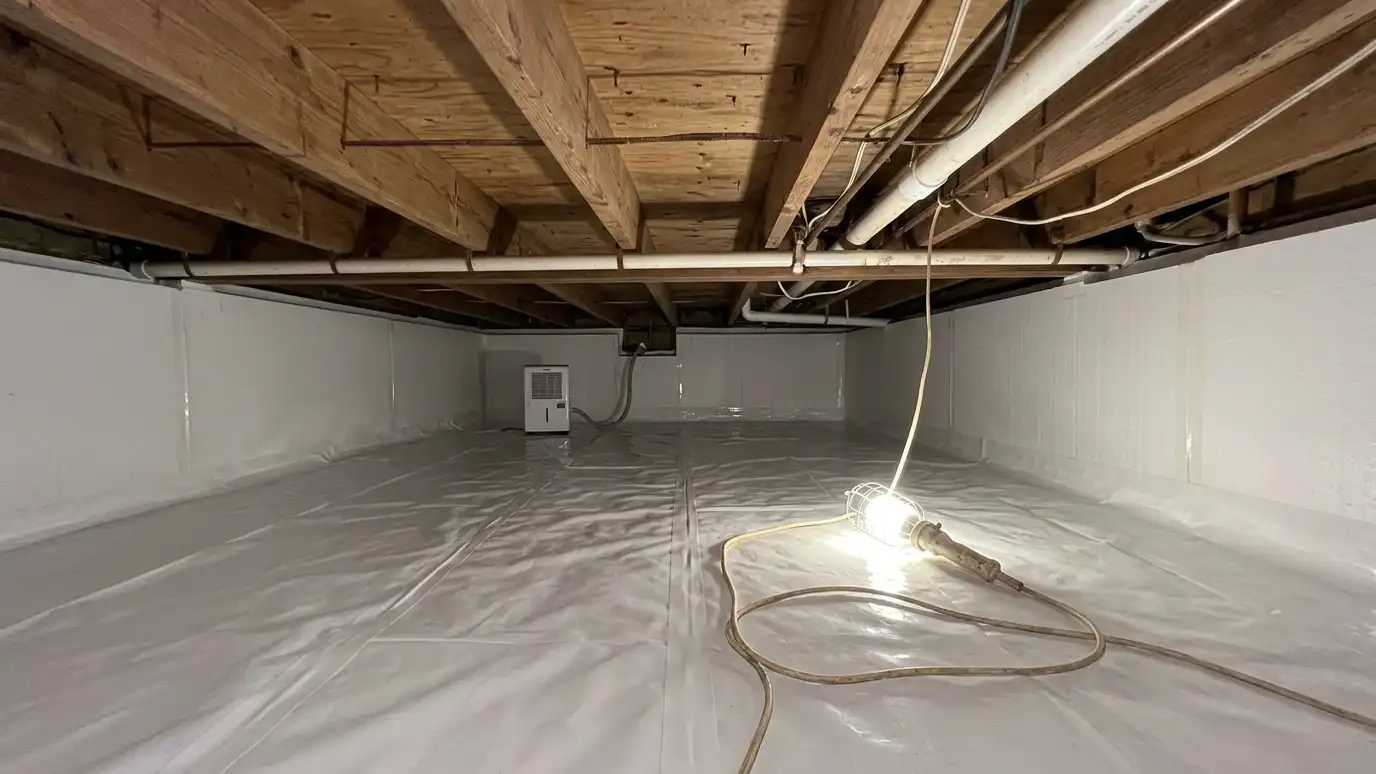
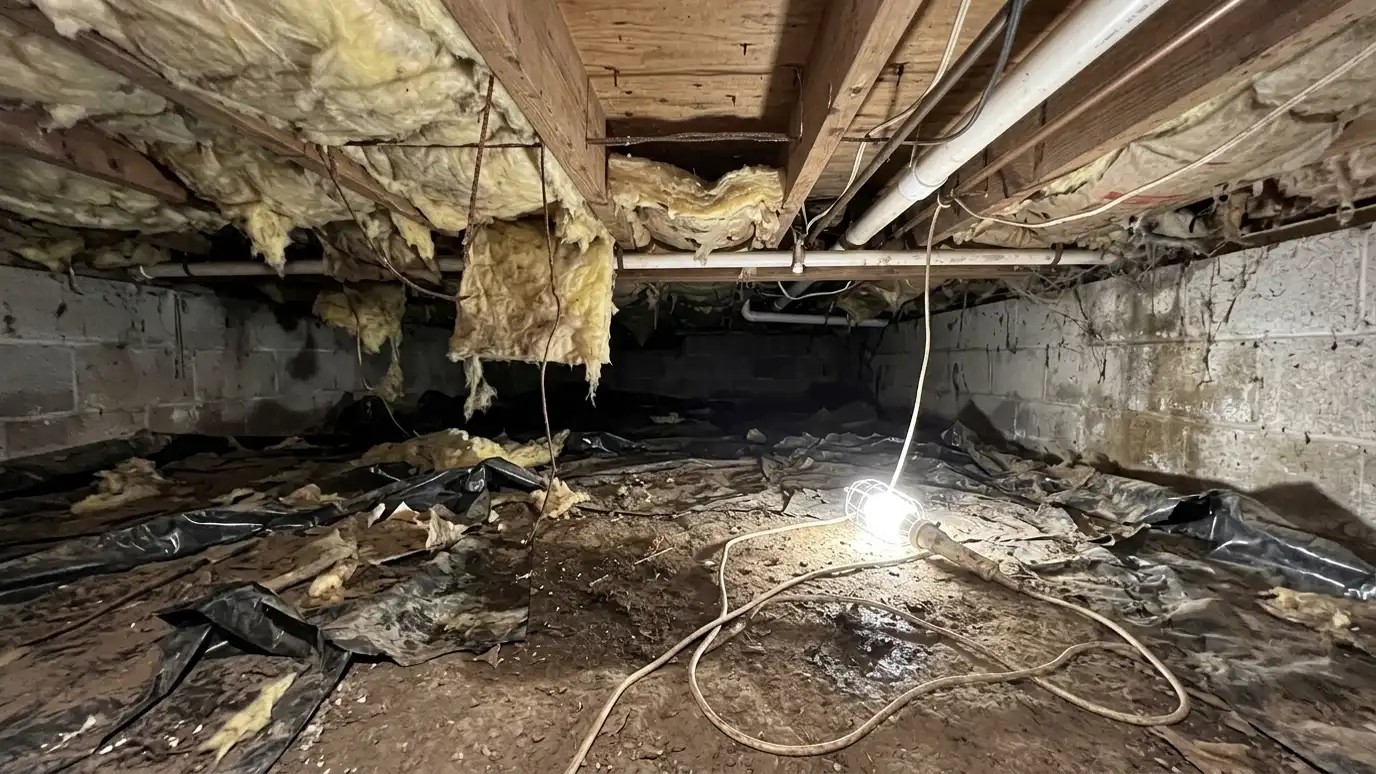 BeforeAfter
Matched to the space.
Foam, batt or mineral wool.
No gaps or sagging.
A key step.
Insulation stays dry.
Plain-English advice.
Every topic has its own page with what to expect and how we approach it.
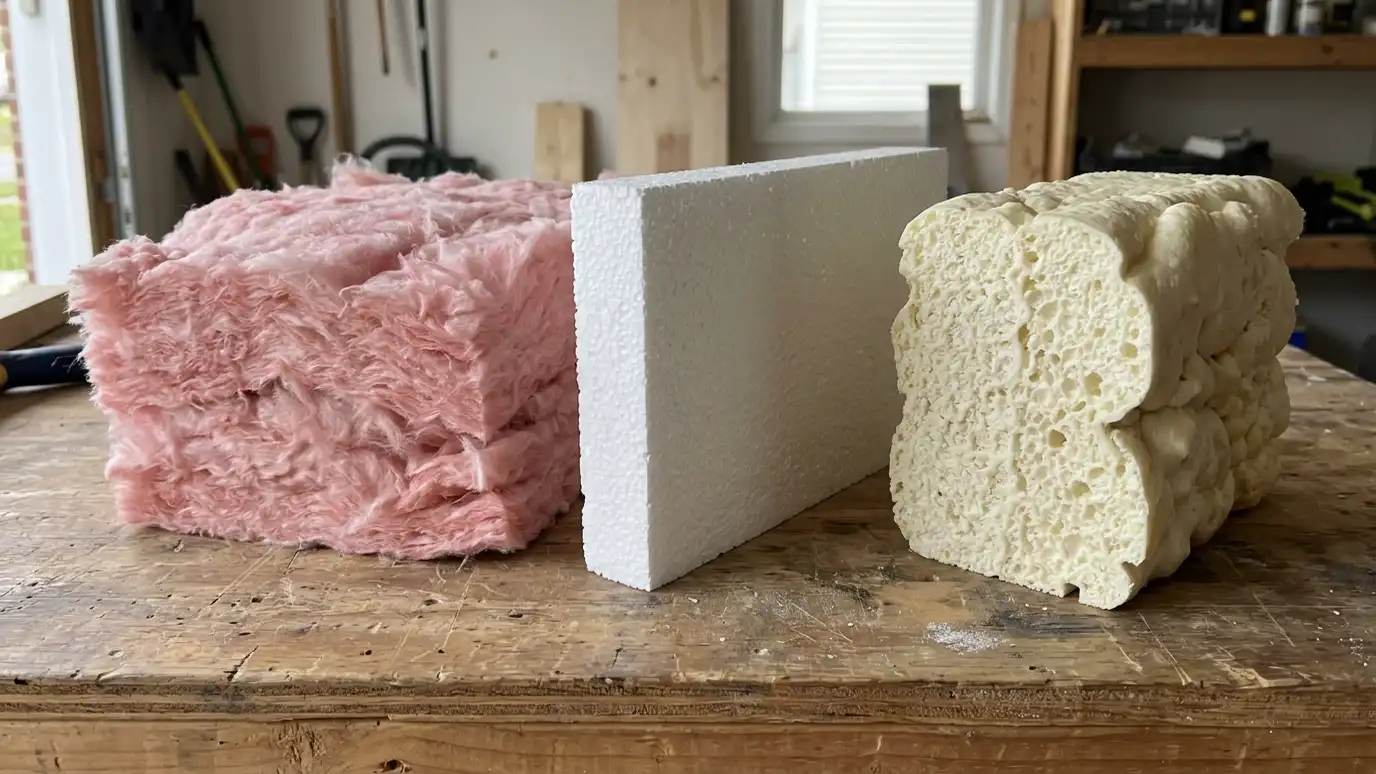 Comparison guideInsulation OptionsHow fiberglass batts, mineral wool, rigid foam board and spray foam differ for crawl space floors and walls…Learn more
 ResourceDOE Energy SaverA U.S. Department of Energy resource with practical advice on home energy use, insulation, air sealing and heating…Learn more
 ResourceOwens CorningA maker of building materials including insulation, roofing and composites, with product guides for homes.Learn more
Enter the length, width and wall height of your crawl space to see floor and wall areas, liner and tape amounts, foam boards, drain length, posts and a dehumidifier range.
You tell us what you notice, from smells and cold floors to water and sagging, and we ask about the home and past work.
We enter the space, take moisture readings and photos, measure it and look at drainage outside.
You get a plain written scope with priorities, materials, schedule and options before anything is ordered.
We clear debris, repair structure and install drainage, then dry the space to safe moisture levels.
A liner, sealed vents, insulation and a dehumidifier go in, with seams taped and checked.
We walk the finished space with you, leave a care guide and photos and set a first checkup.
In sealed spaces walls, in vented spaces the floor. We explain which fits yours.
It depends on code and goals. We explain recommendations for our area.
It can, and wet insulation fails. We control moisture first.
Often yes, though air sealing and moisture control matter too.
If it is wet, fallen or soiled, yes.
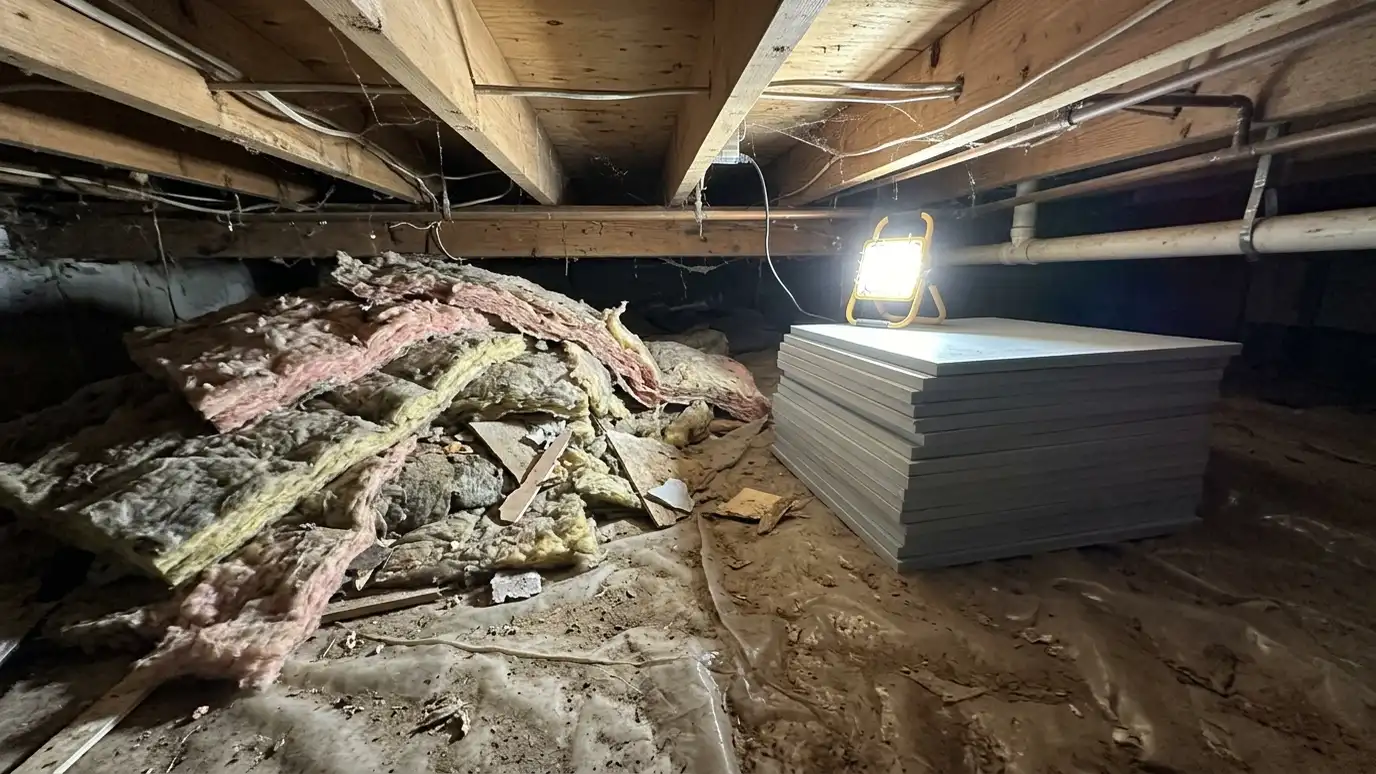 Insulation ReplacementInsulation removal and replacement that takes out fallen, wet or ineffective crawl space insulation and installs new insulation…Explore
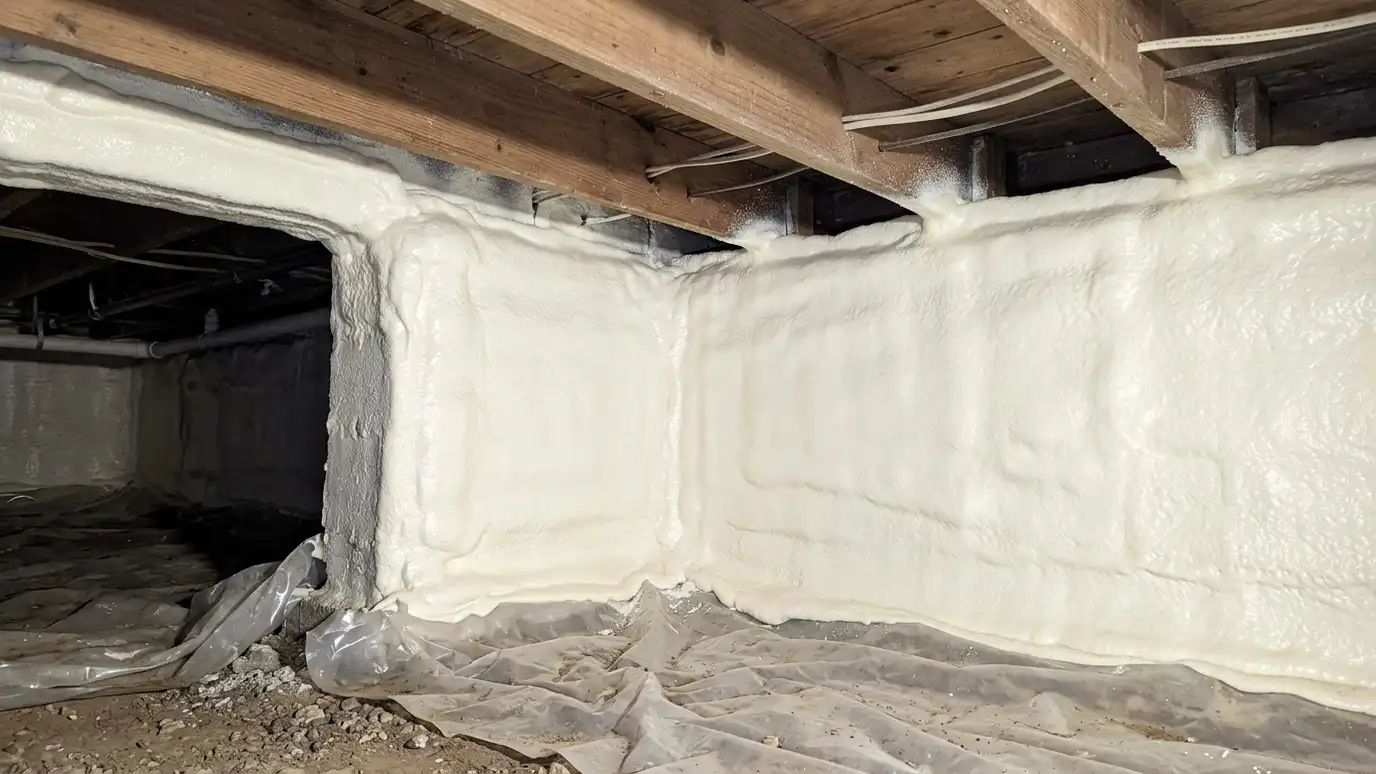 Spray Foam InsulationSpray foam insulation for crawl space walls, rim joists and floors that insulates and air-seals in one step…Explore
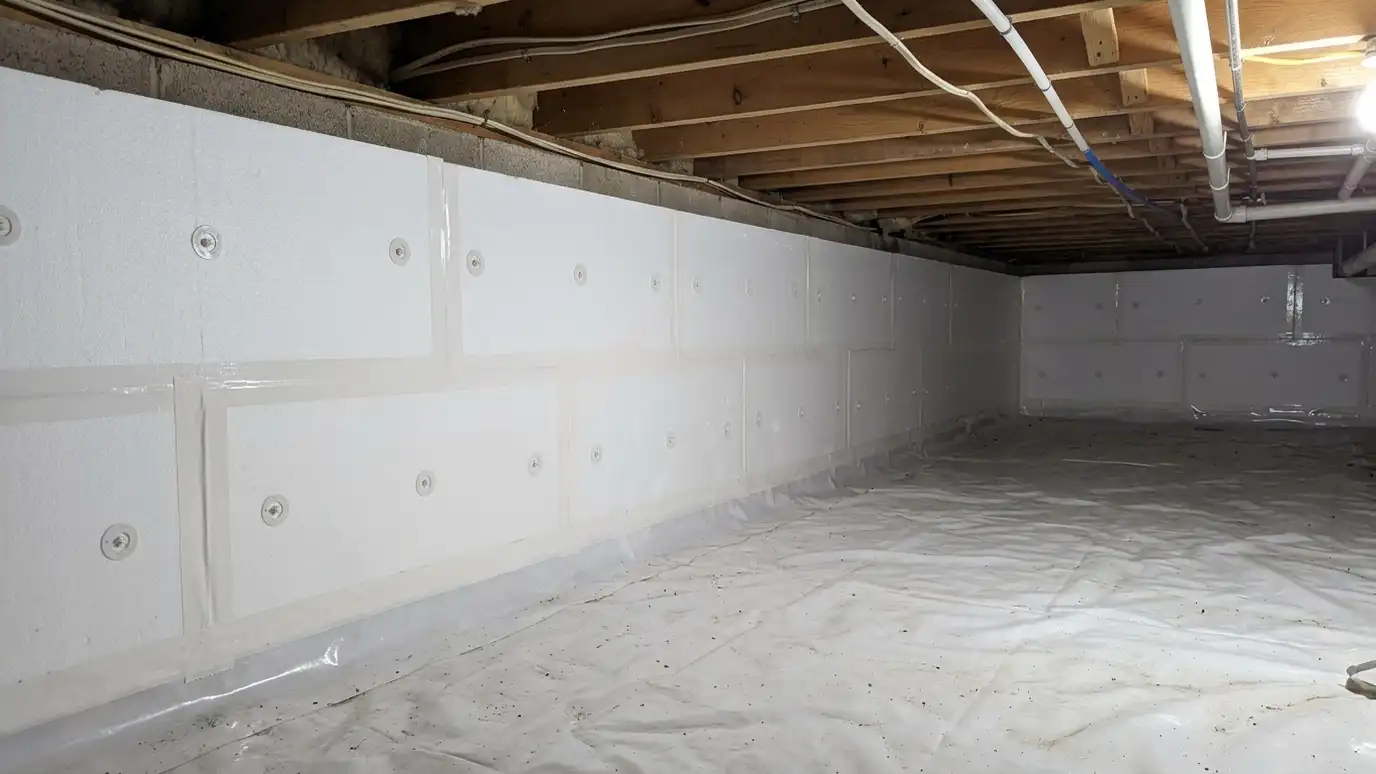 Rigid Foam WallsRigid foam wall insulation that fastens foam boards to crawl space foundation walls with sealed seams to insulate…Explore
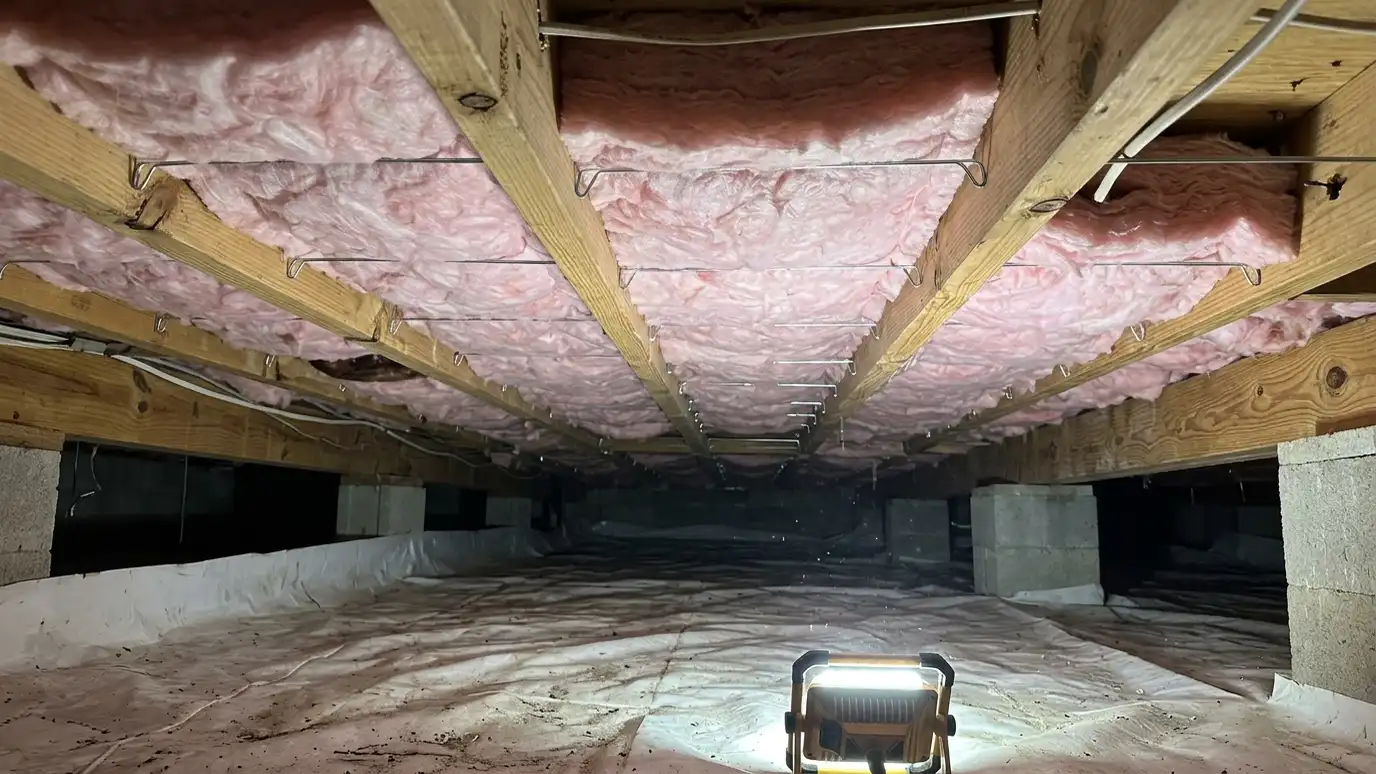 Underfloor BattsUnderfloor batt insulation that installs new, properly supported fiberglass or mineral wool batts between floor joists in vented…Explore
Tell us about your space and we will call you back to set up a visit.
Or call (615) 357-7797 to talk now.