Wood rot assessment and treatment that finds soft, decayed joists, sill plates and subfloor, stops the moisture and repairs or replaces damaged wood.
Wood rots when it stays wet. Fungi break down the fibers until joists, sill plates and subfloor lose strength. Homeowners in Nashville see the signs as spongy floors, sagging spots or dark, crumbly wood during inspection. Dry rot is a common name, but rot always needs moisture, which is where the fix starts.
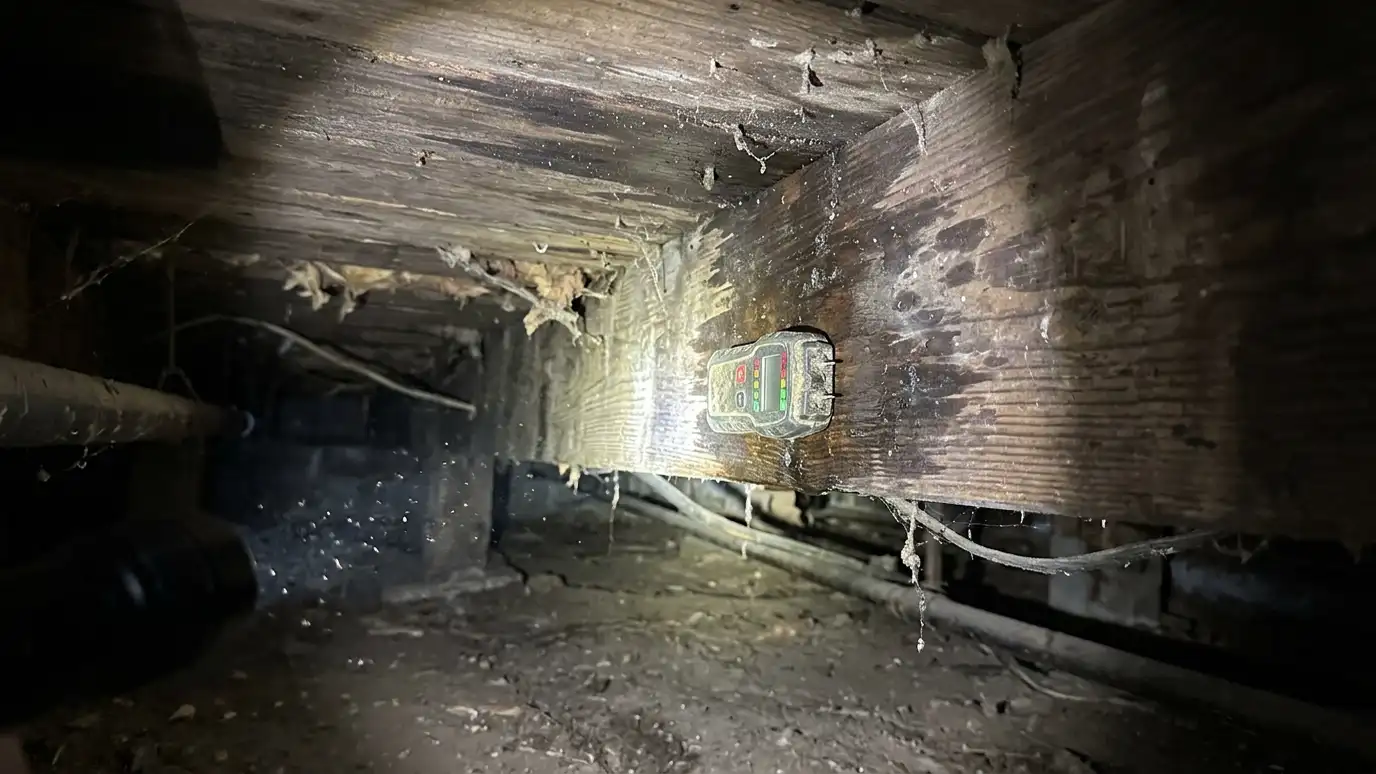
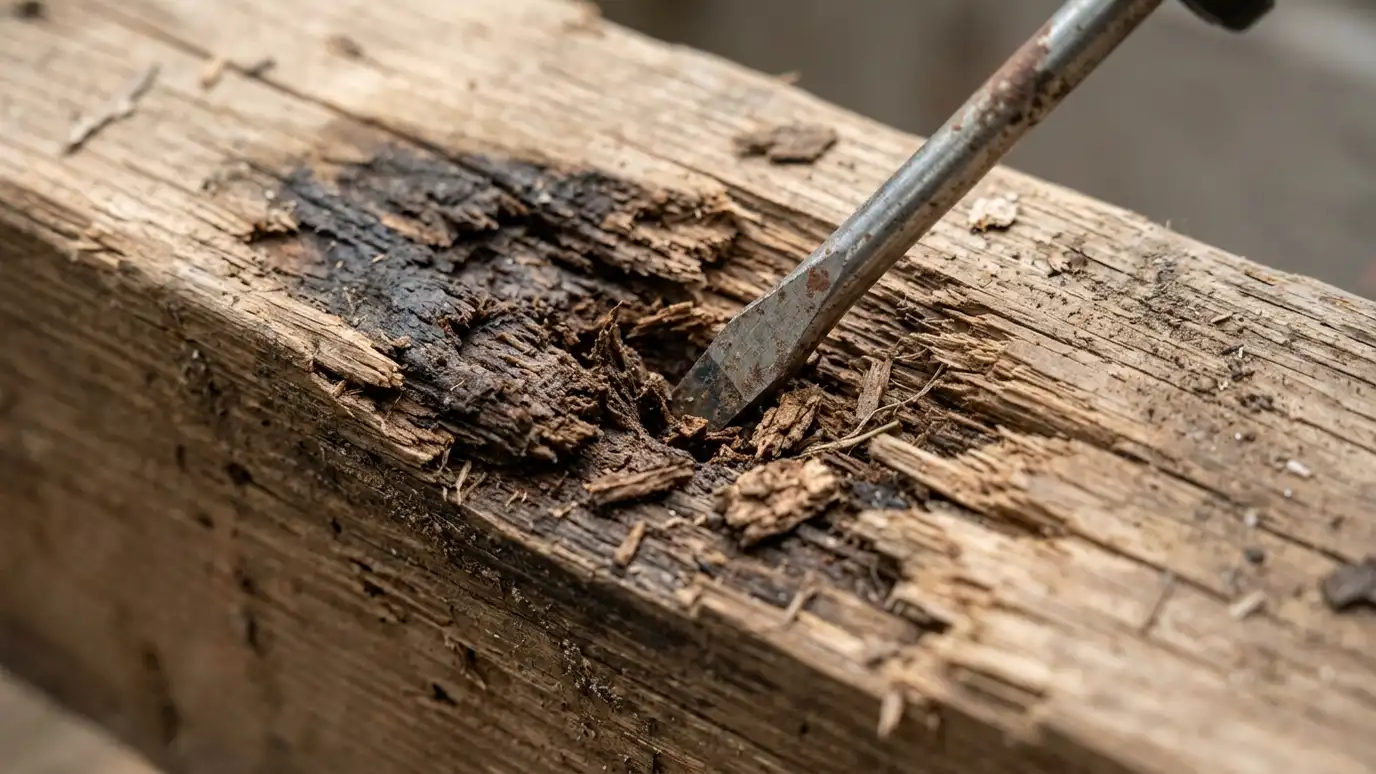
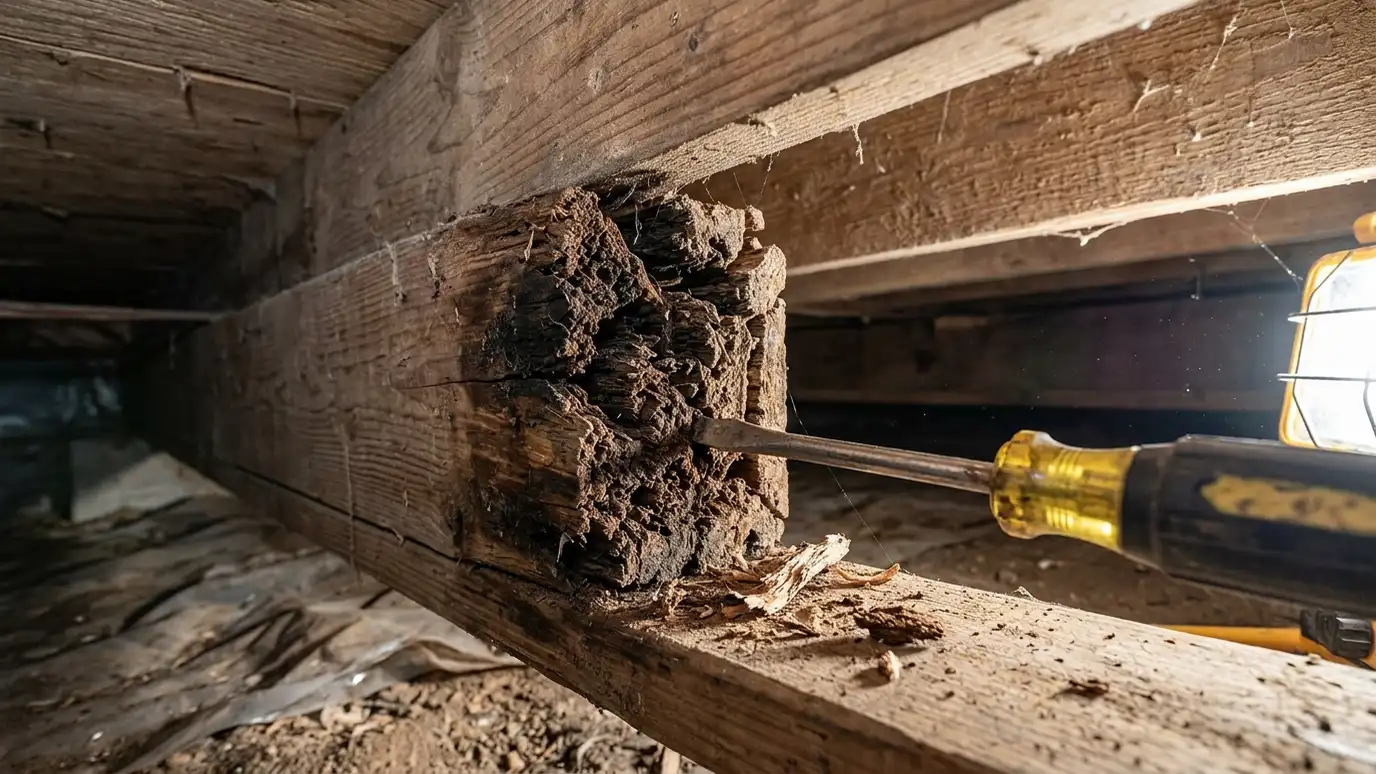
We probe suspect wood with a screwdriver, record moisture and measure how deep the decay goes. Light surface decay in solid wood can be dried and treated with borates and consolidants. Heavily damaged members are repaired by sistering new lumber alongside or replacing sections, and we support the floor during the work. We fix the moisture source first so the repair lasts. If the damage is widespread, we explain options in order and, if needed, coordinate with an engineer. We do not hide decay under paint or liner. Keep a photo of any spongy or stained floor spots in the house, since they help us trace damage back to the wood below.
We test wood with a probe, take moisture readings and map how far decay extends.
Leaks, drainage, humidity and condensation sources are fixed so the wood can dry and stay dry.
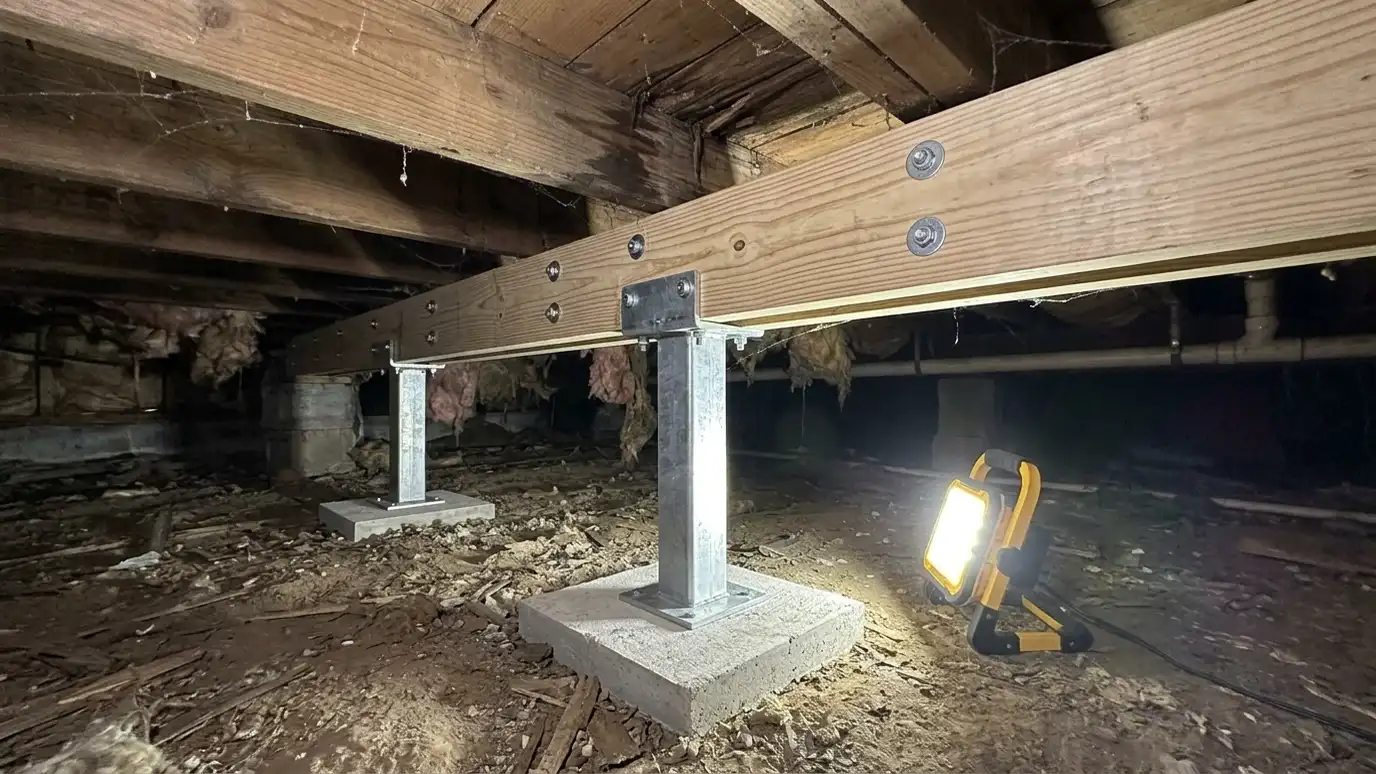
Light decay is dried and treated, while weakened members are sistered or replaced with new lumber.
We support the floor during repairs and photograph conditions before and after.
Drag the handle to compare.
 BeforeAfter
Soft wood found for sure.
Cause and extent shown.
Helps protect dried wood.
Strength restored.
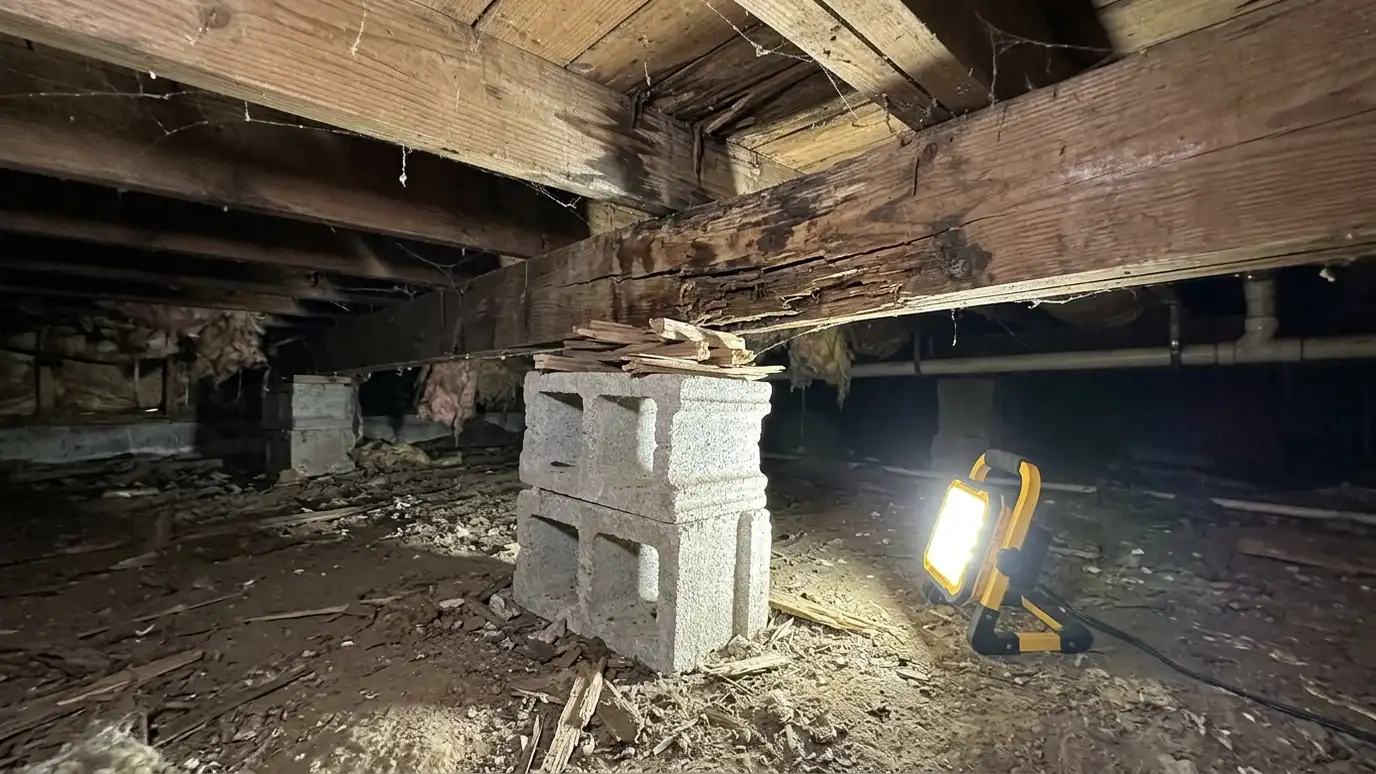
When wood is beyond saving.
Before and after.
Every topic has its own page with what to expect and how we approach it.
 Comparison guideRot and Damage SignsHow to recognize rotted wood, sagging framing, failing piers and other crawl space structural damage by sight, touch…Learn more
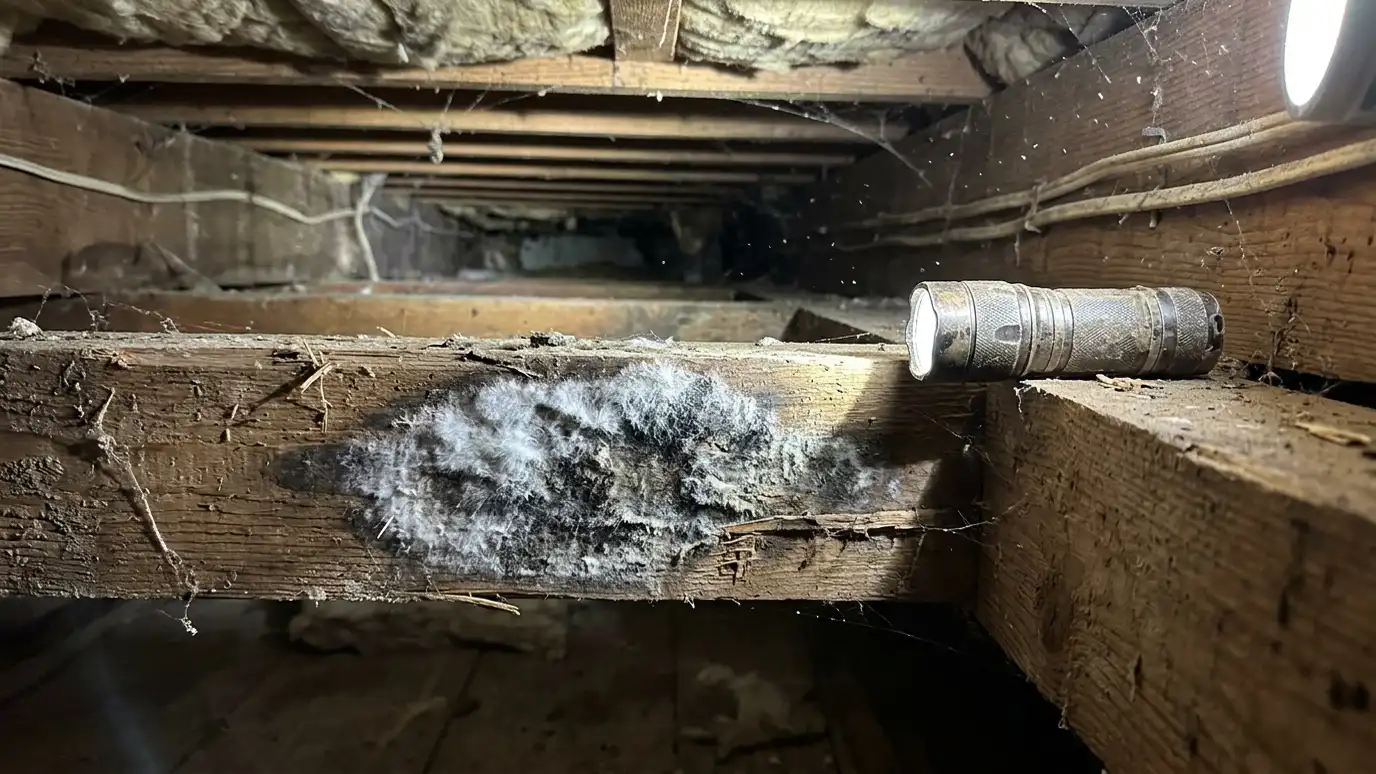 Comparison guideMold Causes and CleanupWhy mold grows under houses, how moisture, wood and time combine, what safe cleanup involves and how to…Learn more
 ResourceAmerican Society of Home InspectorsA professional association of home inspectors that publishes standards of practice, a code of ethics and guides for…Learn more
Tick what you notice, from musty smells and standing water to sagging floors and pests, to see how urgent your crawl space looks and which pages to read first.
You tell us what you notice, from smells and cold floors to water and sagging, and we ask about the home and past work.
We enter the space, take moisture readings and photos, measure it and look at drainage outside.
You get a plain written scope with priorities, materials, schedule and options before anything is ordered.
We clear debris, repair structure and install drainage, then dry the space to safe moisture levels.
A liner, sealed vents, insulation and a dehumidifier go in, with seams taped and checked.
We walk the finished space with you, leave a care guide and photos and set a first checkup.
Light surface decay can be treated. Deep decay needs repair or replacement.
Both need moisture. Dry rot is just a name for decay that has dried out.
They restore strength, and a gentle lift may be needed to level it.
For major framing or foundation damage, yes. We coordinate when needed.
Control moisture with drainage, a liner and humidity management.
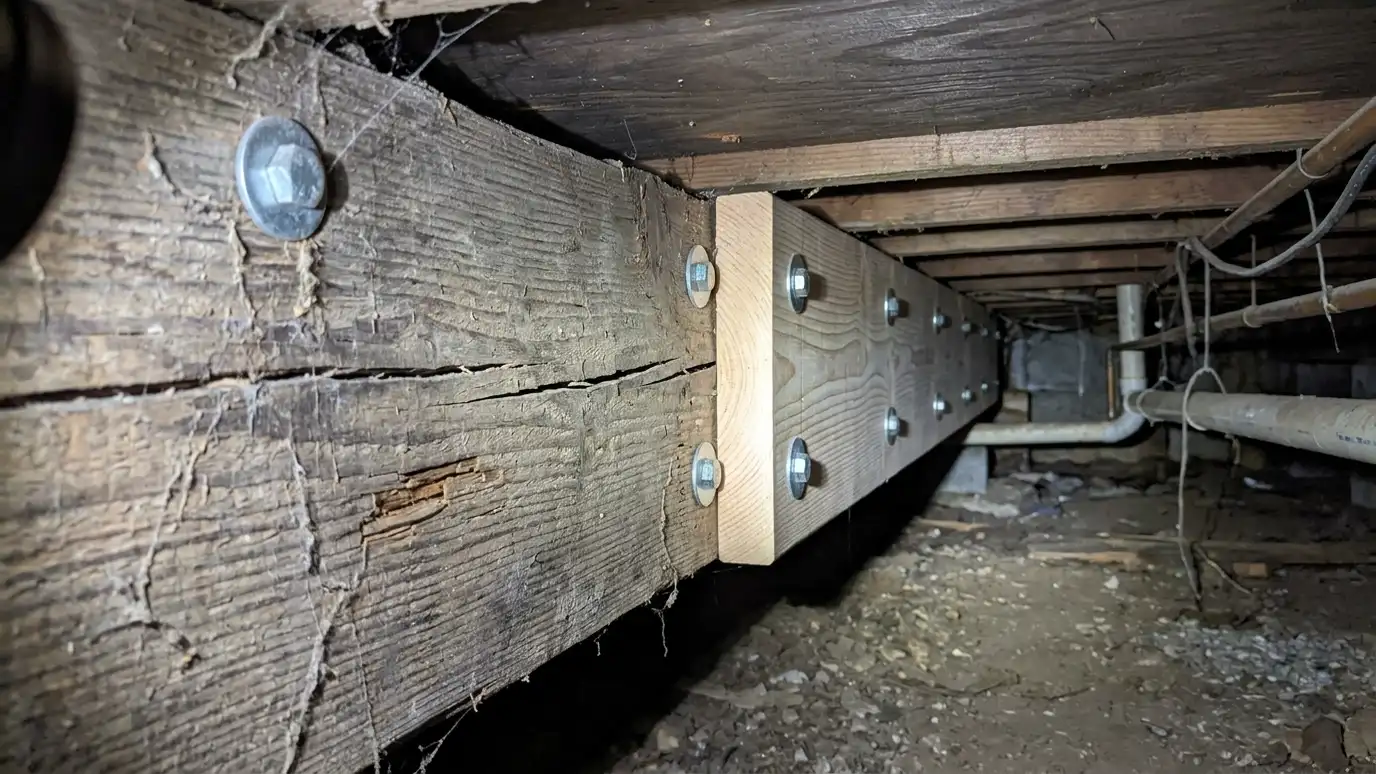 Joist SisteringJoist repair and sistering that reinforces cracked, notched or rotted floor joists with new lumber and hardware so…Explore
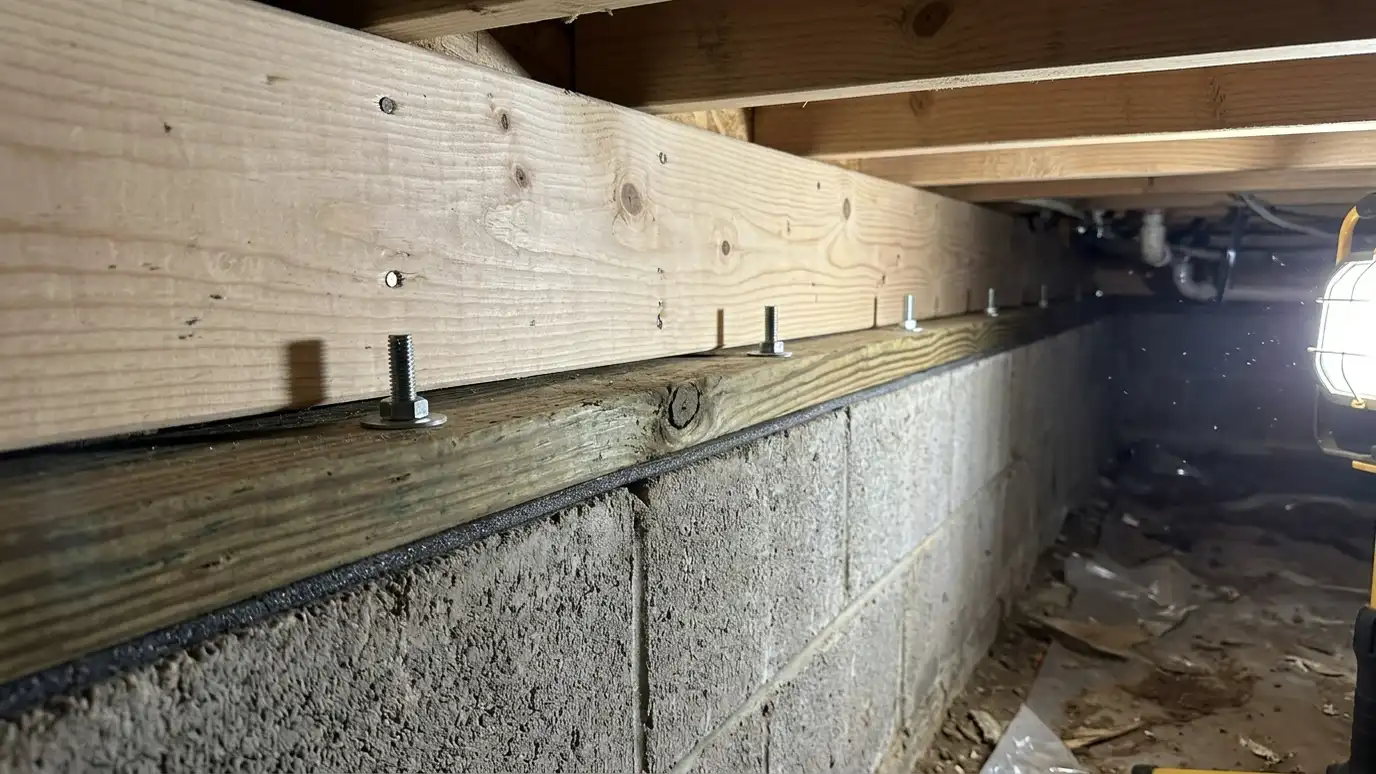 Sill Plate RepairSill plate and rim joist repair that replaces rotted wood where the house meets the foundation and seals…Explore
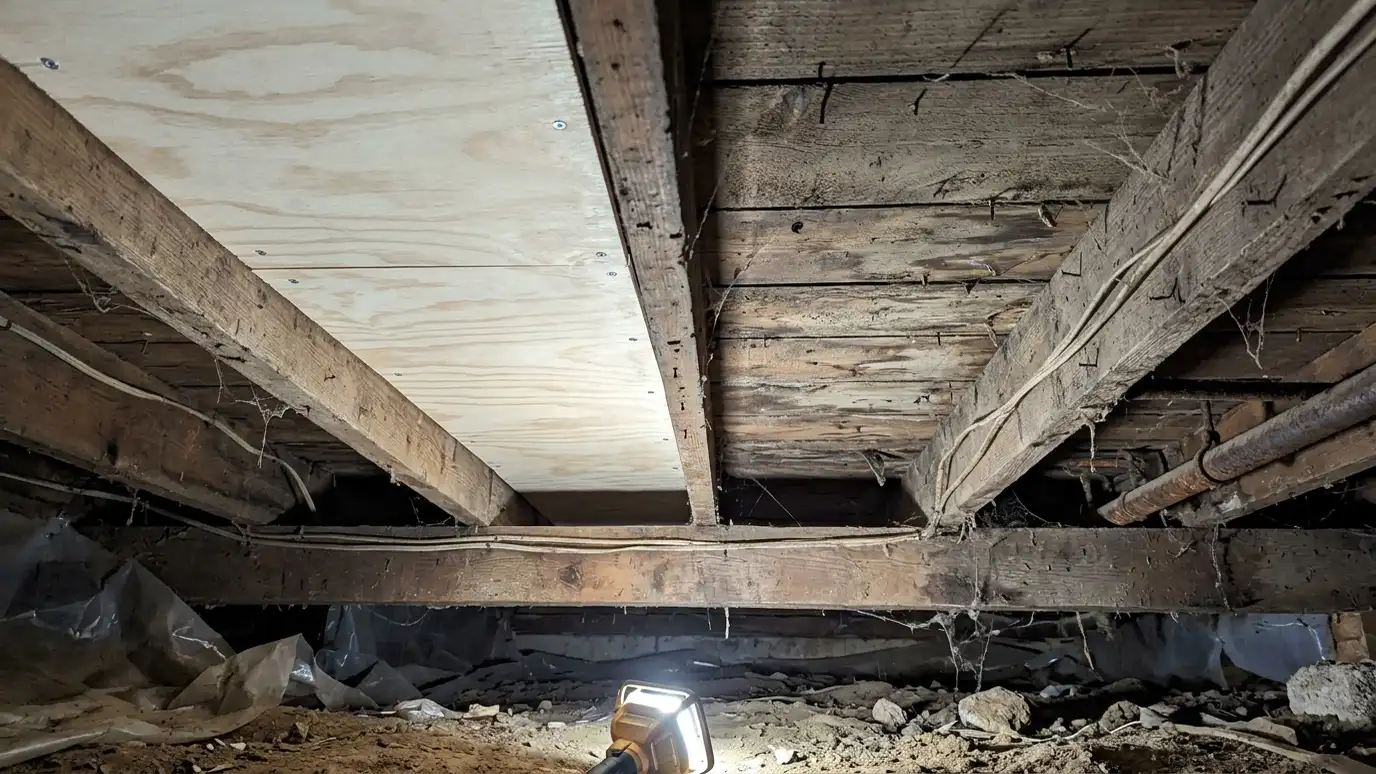 Subfloor RepairSubfloor repair and replacement from below that cuts out rotted or damaged plywood and boards and installs new…Explore
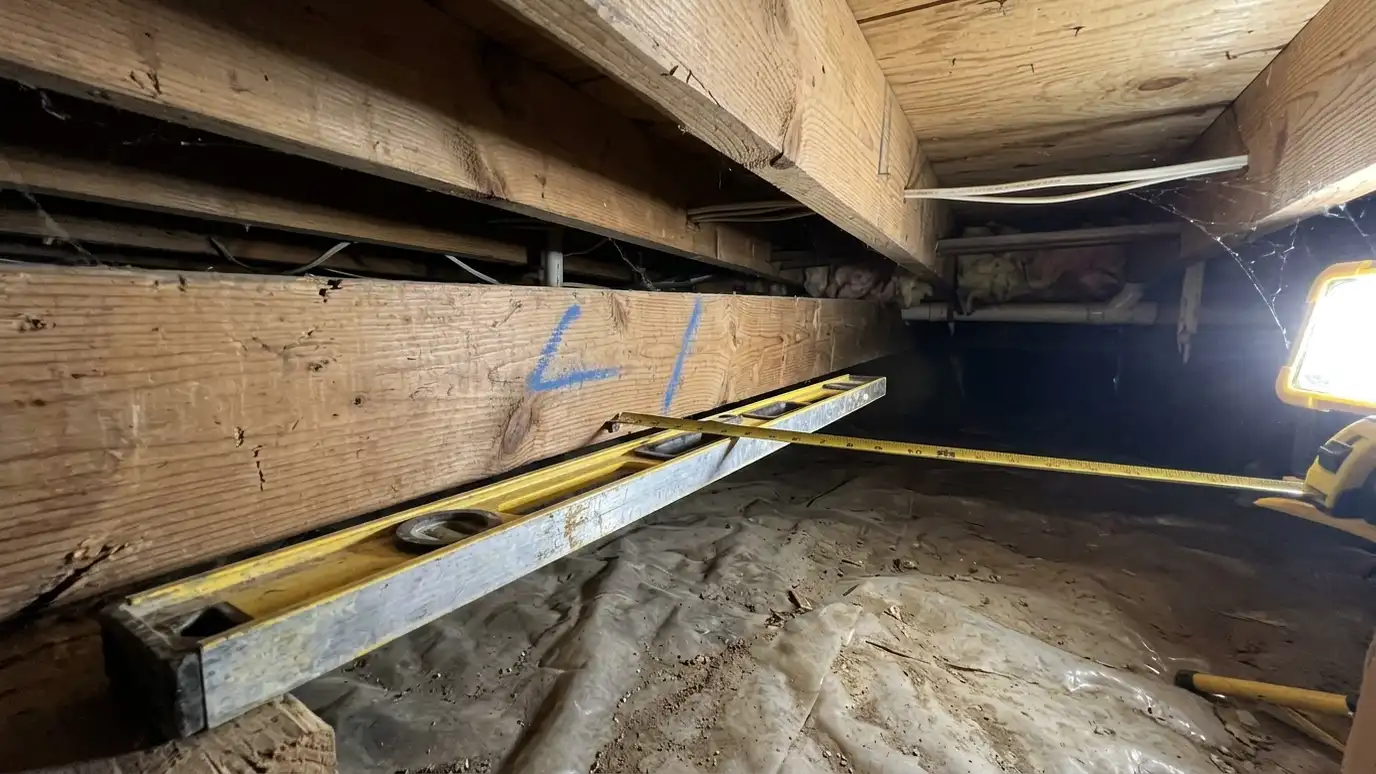 Structural EvaluationA structural and joist evaluation that checks floor framing, beams, piers and posts for sagging, rot, damage and…Explore
Tell us about your space and we will call you back to set up a visit.
Or call (615) 357-7797 to talk now.