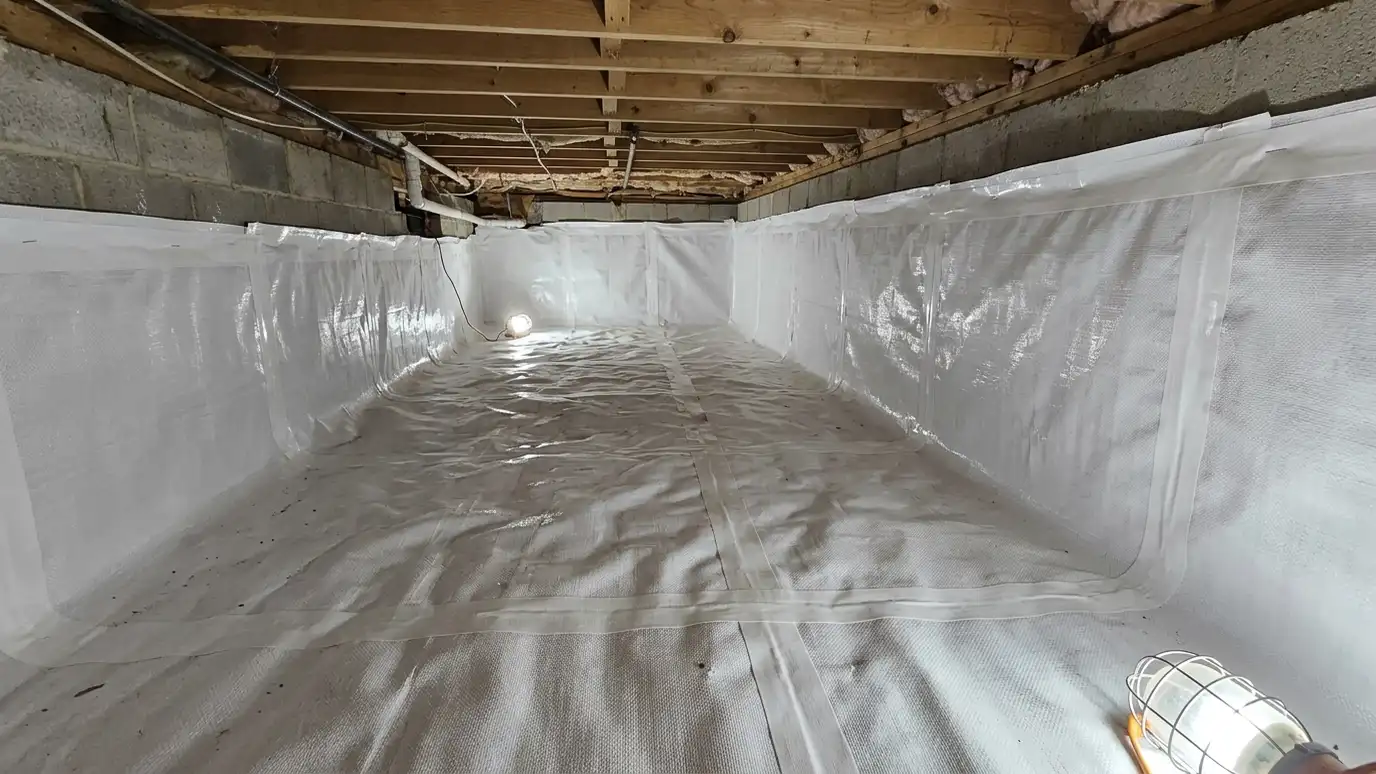
Heavy-duty reinforced liner systems that use thick, multi-layer sheeting for crawl spaces with heavy use, rough ground or high moisture demands.
Not every crawl space is gentle on a liner. Rough ground, frequent trades, stored items and wet soil can punish thin sheeting. Reinforced, multi-layer liners resist punctures and tears and stay in place over years of use. Homeowners in Nashville with older homes, heavy HVAC service needs or damp clay soil often choose a stronger liner so they do not repeat the work.
Heavy-duty liners combine layers for strength and moisture resistance and are made for crawl spaces. We choose the right thickness and finish for the conditions, install it with overlapped, taped seams, run it up the walls and around piers and fasten it so it cannot slide. In high-traffic areas we add walk pads or a plank walkway. We explain the differences among systems and show you samples so you can feel the material, and we keep the recommendation honest, since a lighter system is fine for a calm, dry space.
We match liner thickness and reinforcement to the ground, the moisture and how often people enter.
Seams overlap and are taped, edges are fastened and piers and posts are fully wrapped.
Entry areas and equipment spots get extra protection with pads or a walkway.
A lighter liner is fine for calm, dry spaces, and we say so when it fits.
Drag the handle to compare.
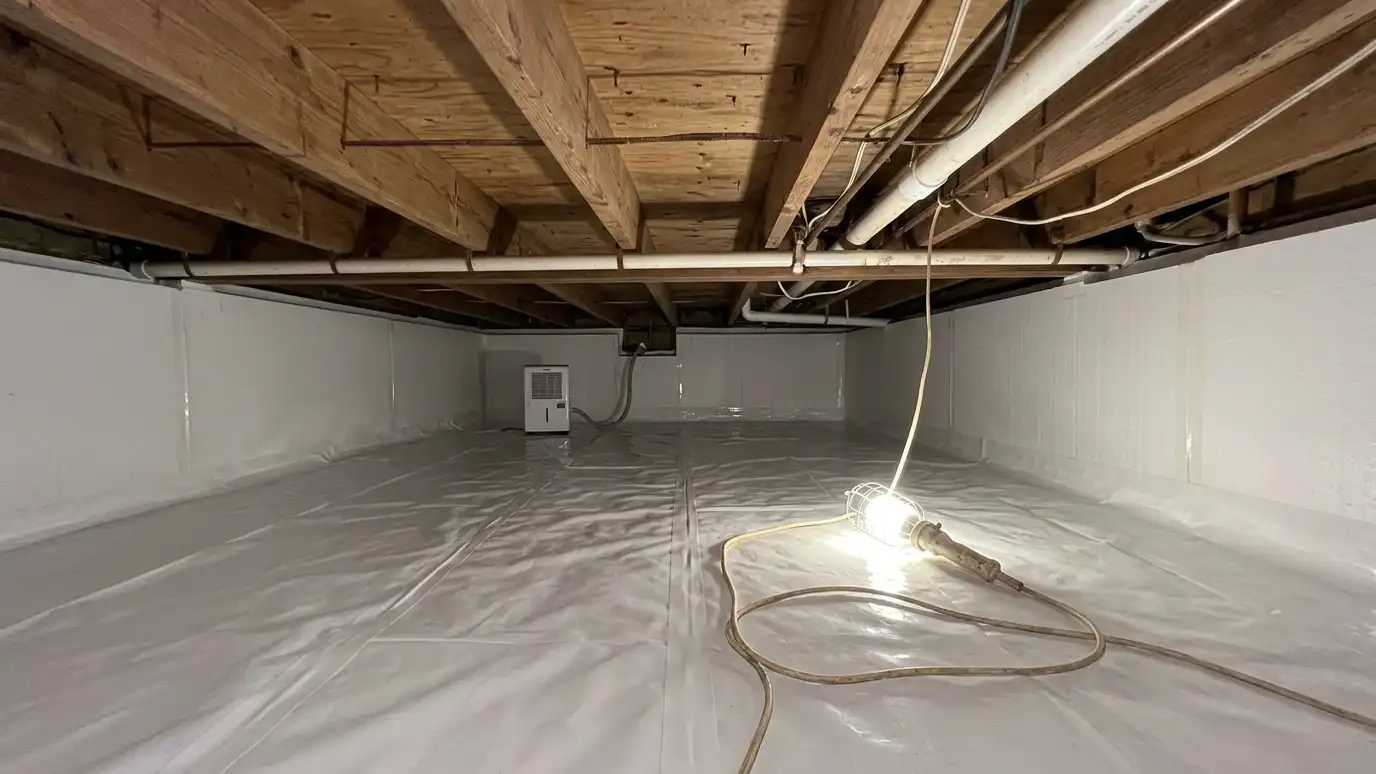
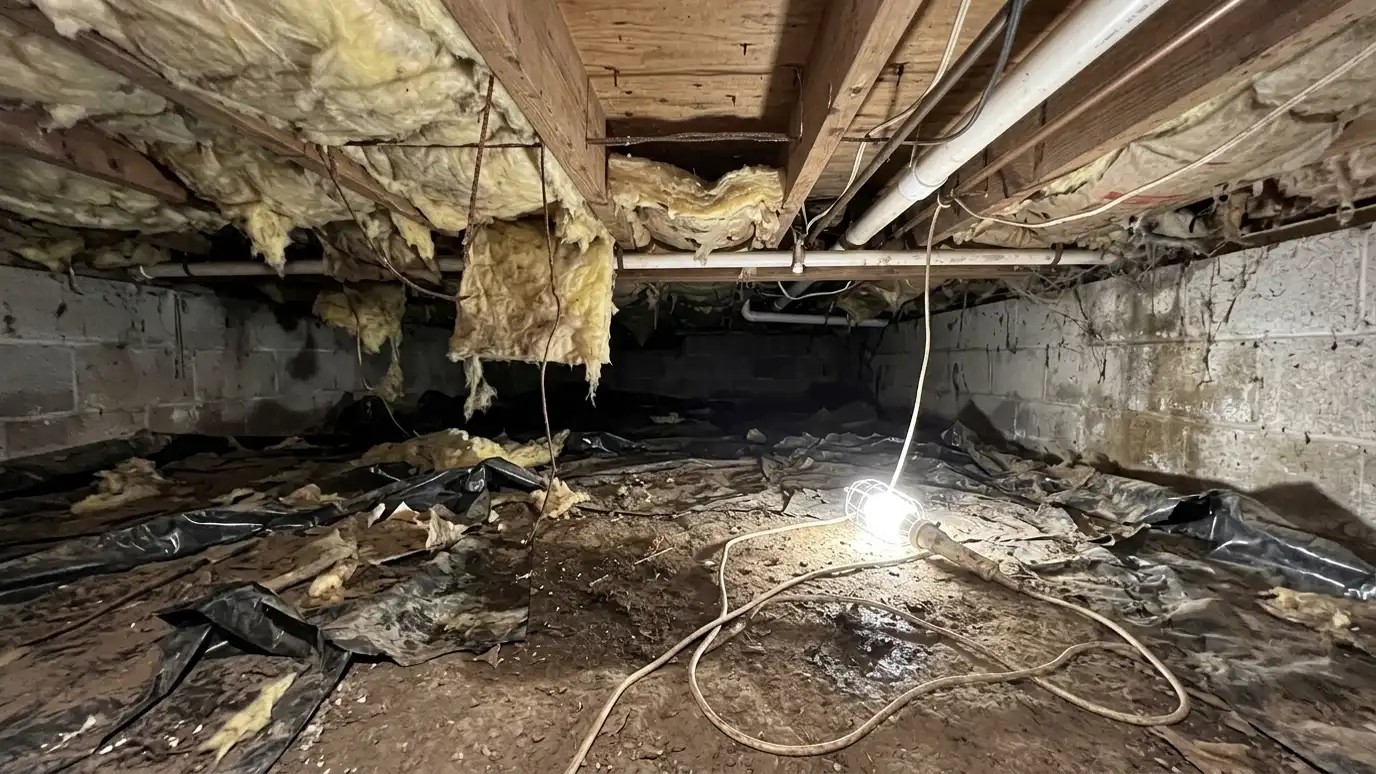 BeforeAfter
Resists punctures and tears.
Continuous coverage.
Stays put.
Traffic areas protected.
See the material before choosing.
No upsell when not needed.
Every topic has its own page with what to expect and how we approach it.
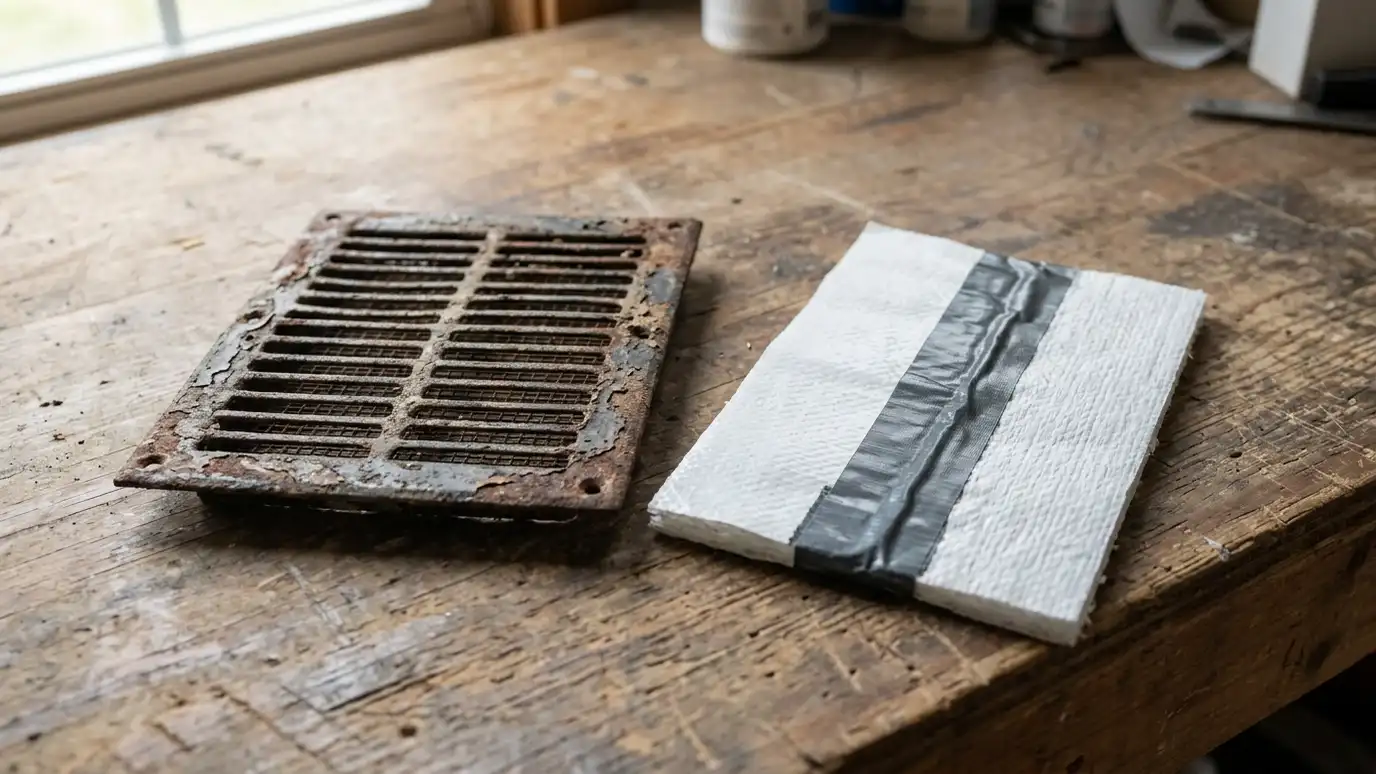
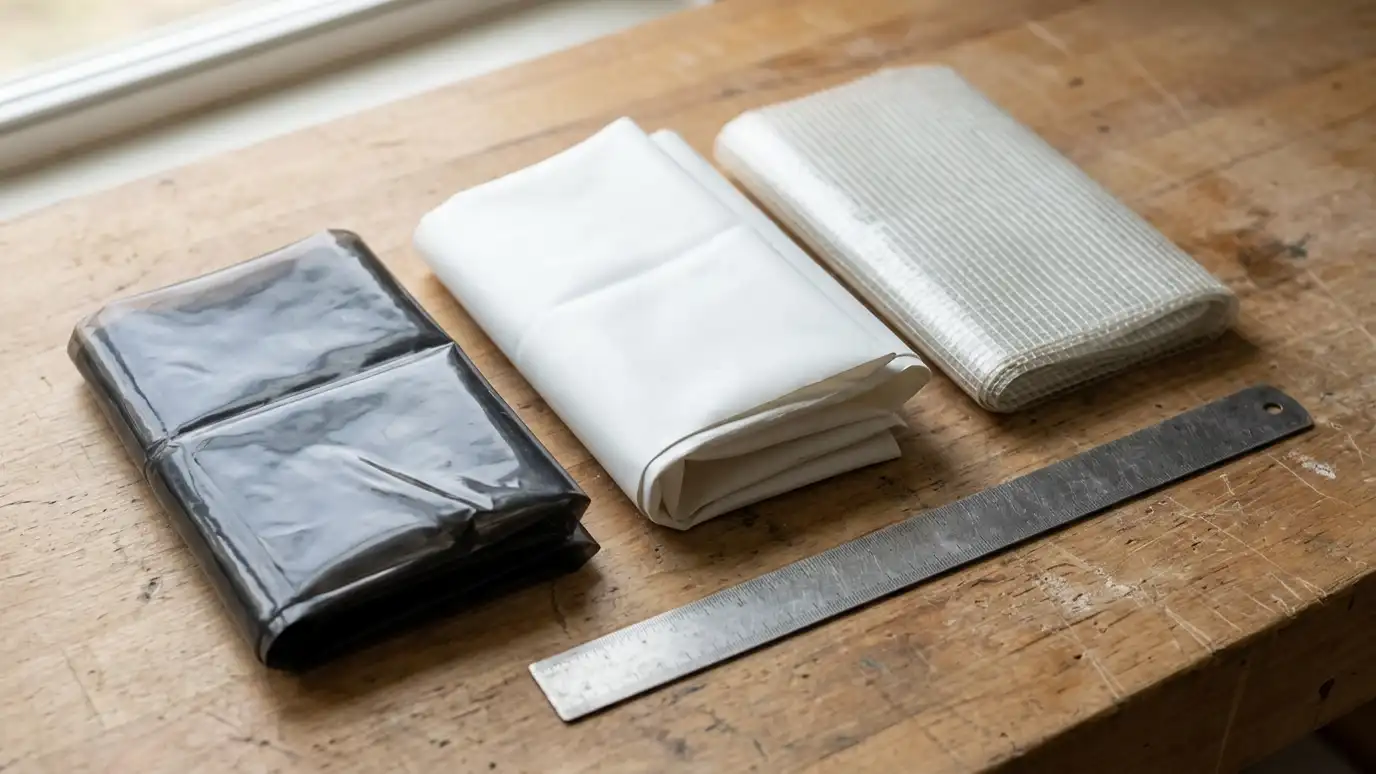 Comparison guideVapor Barrier TypesWhat mil thickness, reinforcement, color and seams mean when comparing crawl space liners, and how to match a…Learn more
 Comparison guideEncapsulated vs VentedHow a sealed, lined and dehumidified crawl space differs from a traditional vented one in moisture, energy use…Learn more
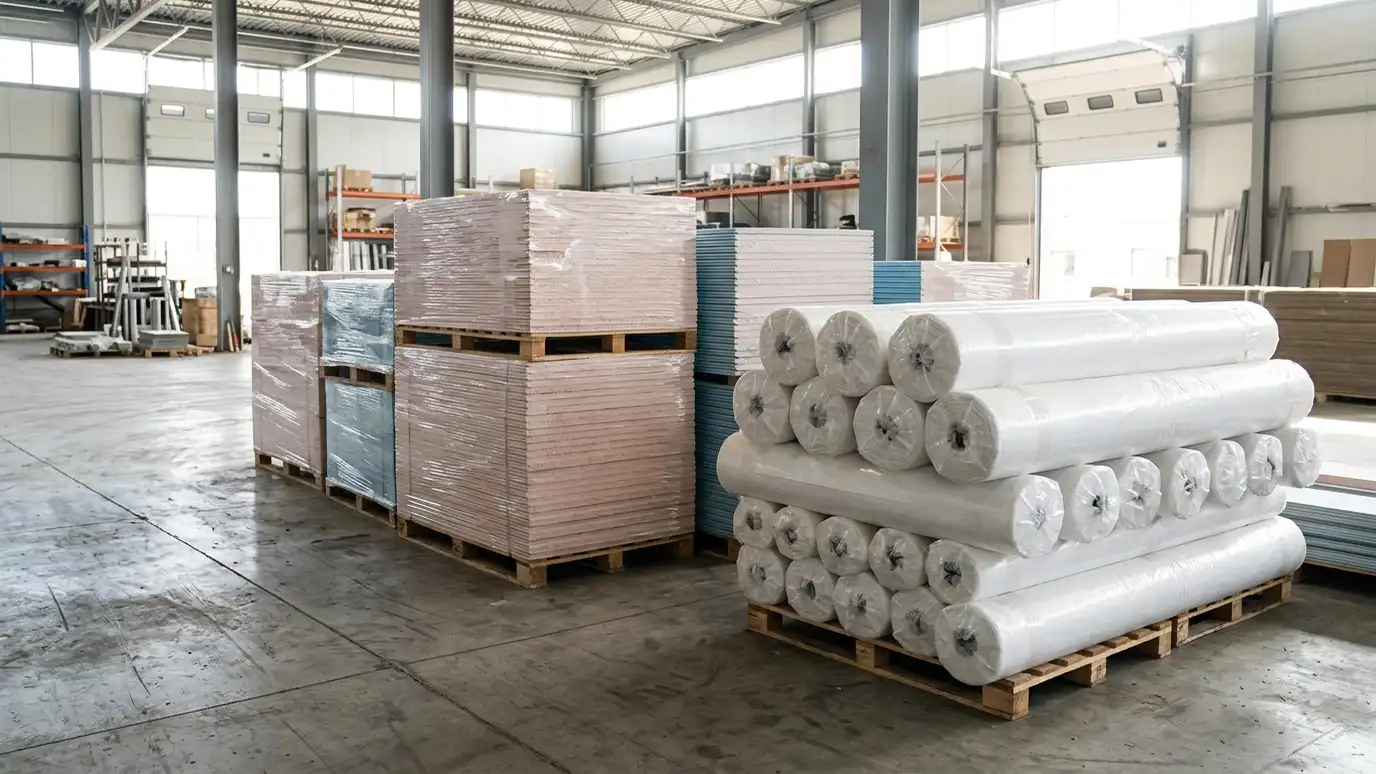 ResourceStego IndustriesA maker of vapor barriers and related building products, including liners used in crawl spaces and under slabs.Learn more
Enter the length, width and wall height of your crawl space to see floor and wall areas, liner and tape amounts, foam boards, drain length, posts and a dehumidifier range.
You tell us what you notice, from smells and cold floors to water and sagging, and we ask about the home and past work.
We enter the space, take moisture readings and photos, measure it and look at drainage outside.
You get a plain written scope with priorities, materials, schedule and options before anything is ordered.
We clear debris, repair structure and install drainage, then dry the space to safe moisture levels.
A liner, sealed vents, insulation and a dehumidifier go in, with seams taped and checked.
We walk the finished space with you, leave a care guide and photos and set a first checkup.
Thicker liners resist wear, but the best choice depends on use and ground conditions.
Yes, within reason. Walk pads protect heavy-traffic areas.
A stronger liner usually withstands more, but care and moisture control matter as well.
Heavier liners generally cost more. We explain the tradeoff.
Many do, which also brightens the space for inspections.
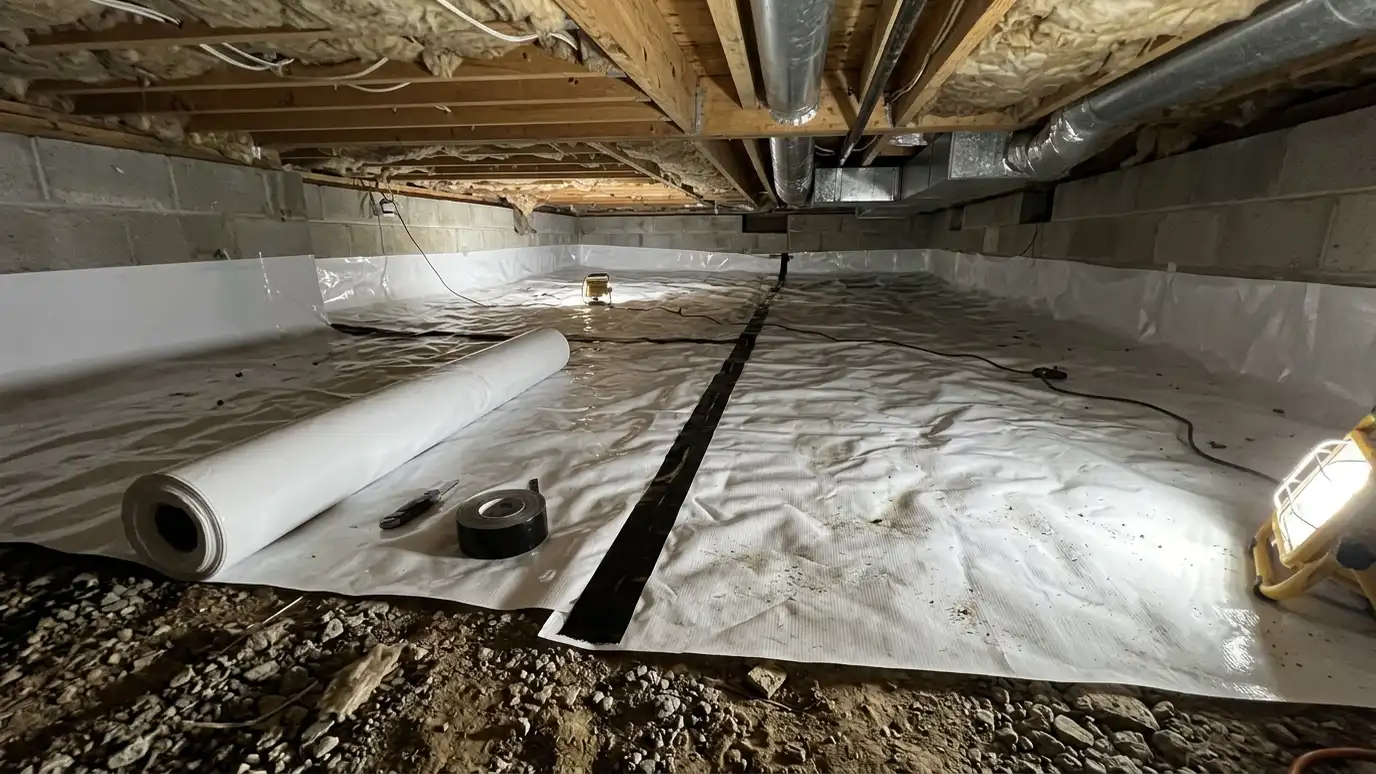 Vapor BarrierVapor barrier installation that covers a crawl space floor with durable reinforced sheeting, overlapped and taped, to block…Explore
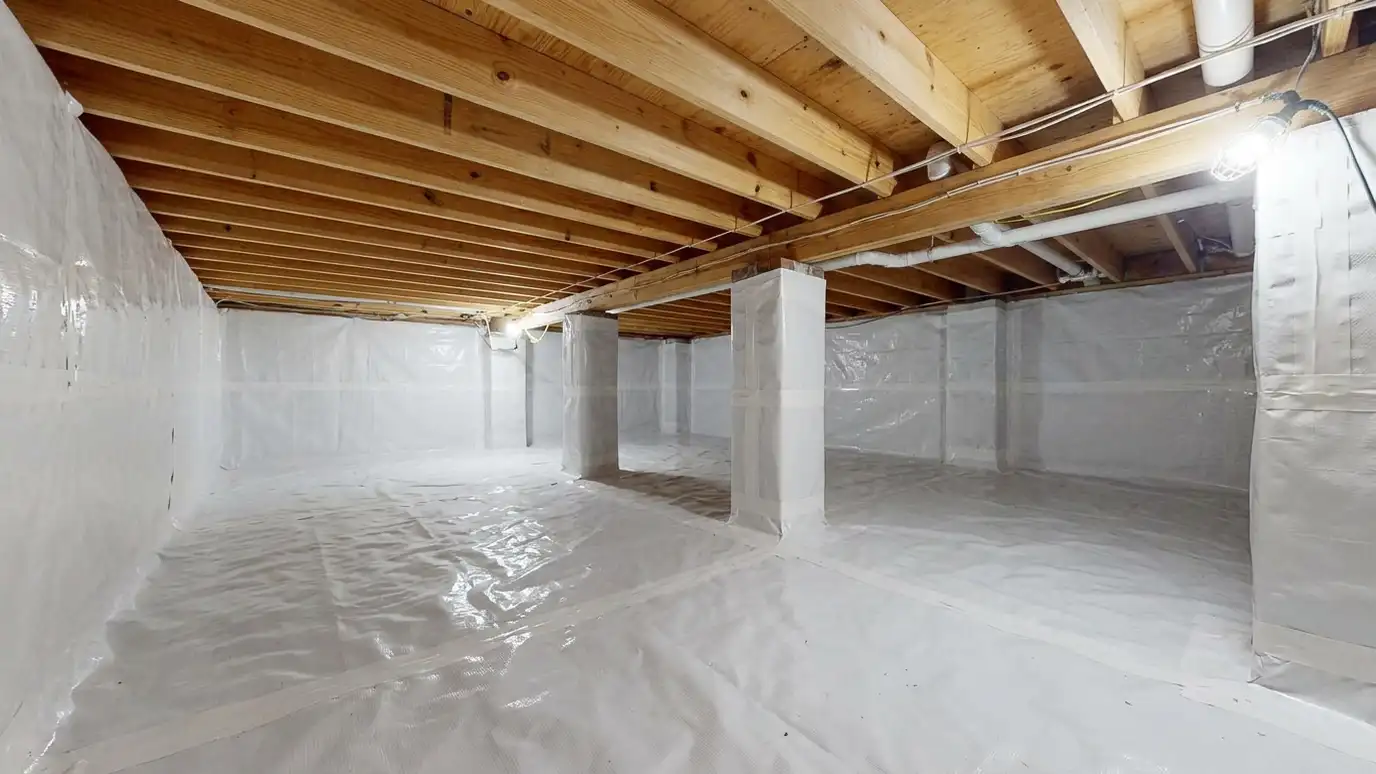 EncapsulationCrawl space encapsulation that seals the floor, walls and openings with a heavy-duty liner, insulation and humidity control…Explore
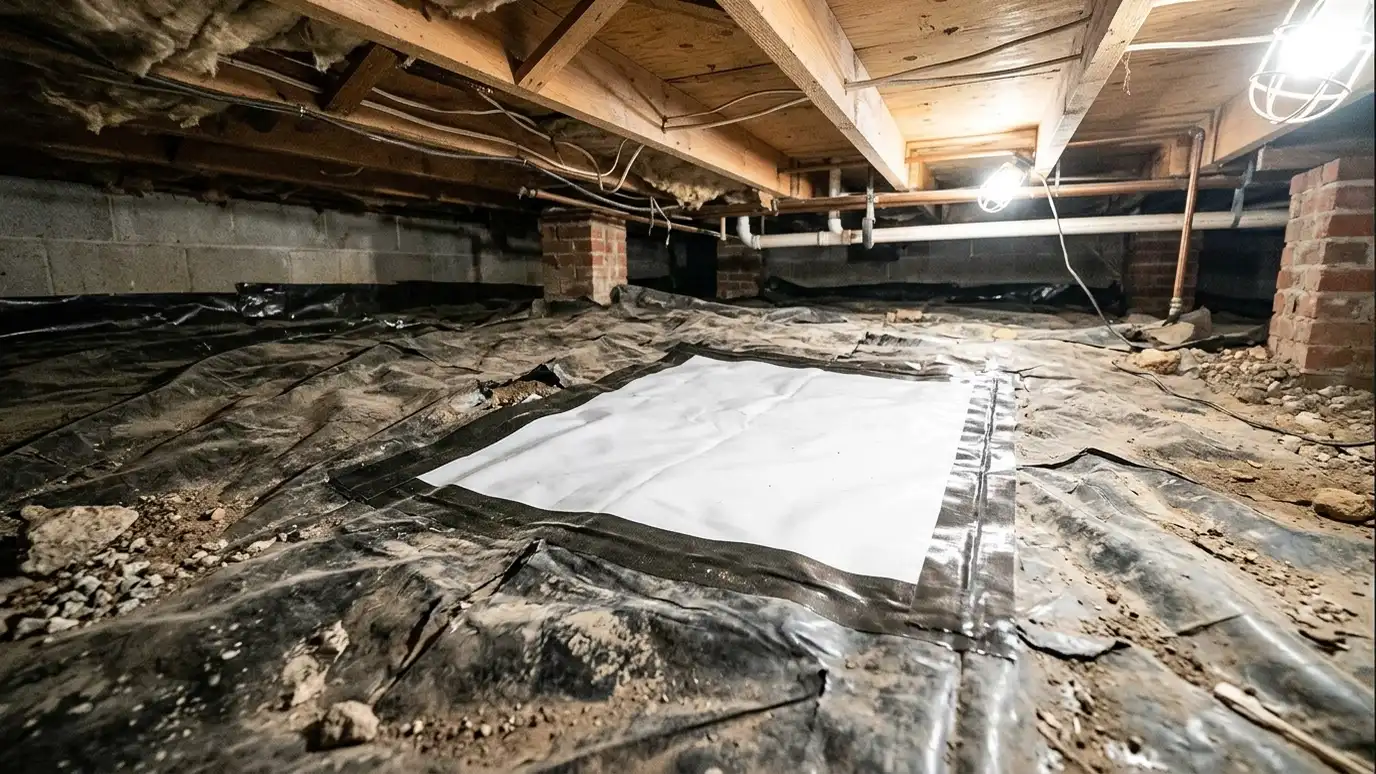 Barrier RepairVapor barrier repair and replacement that fixes tears, gaps and old plastic with new reinforced sheeting so your…Explore
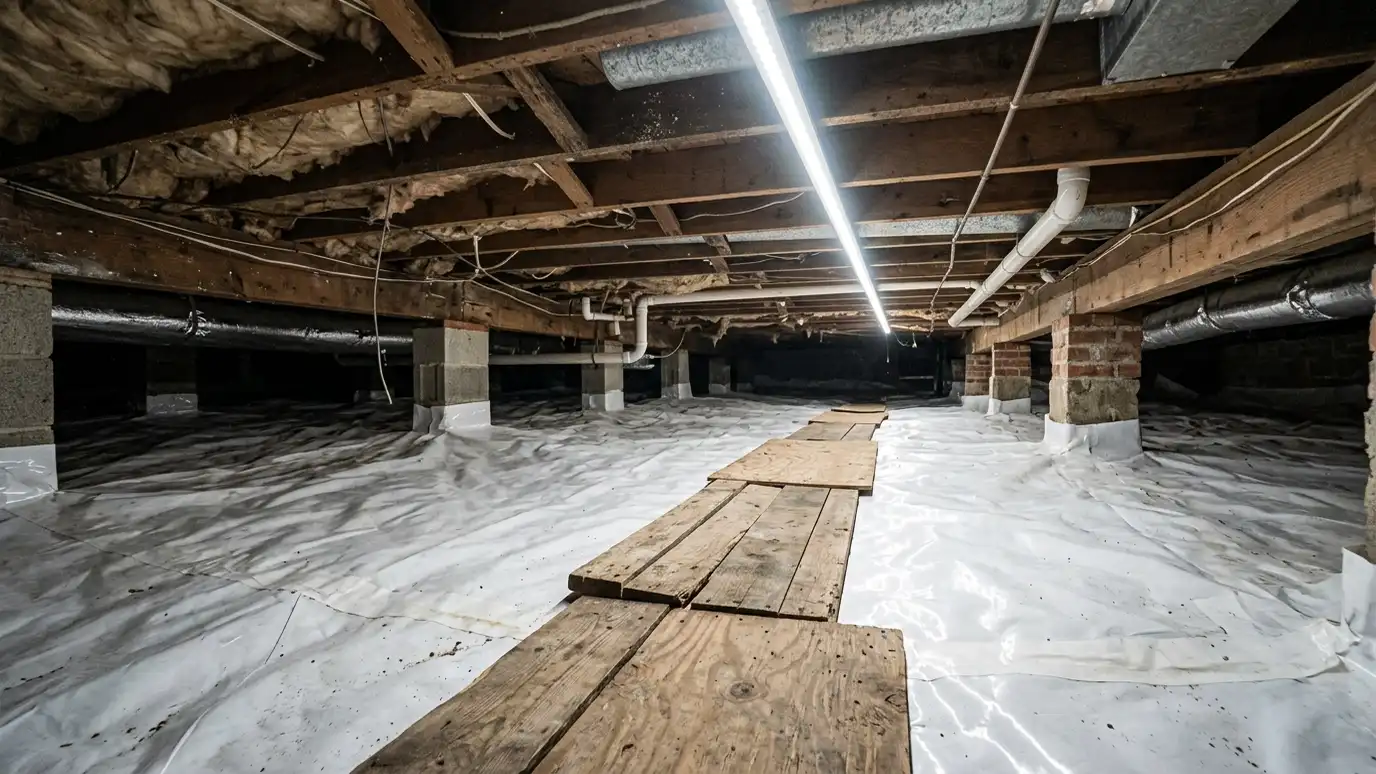 Lighting and WalkwaysCrawl space lighting and walkway installation that adds bright LED lighting and plank or pad walkways so the…Explore
Tell us about your space and we will call you back to set up a visit.
Or call (615) 357-7797 to talk now.