Where moisture comes from
Moisture arrives as liquid water from rain and leaks, vapor from soil, humid outside air through vents and condensation on cold surfaces.
Each source needs a different fix.
An inspection tells us which are active.
What humidity means
Relative humidity shows how full the air is. Many experts suggest keeping crawl space air under about sixty percent, and lower is safer.
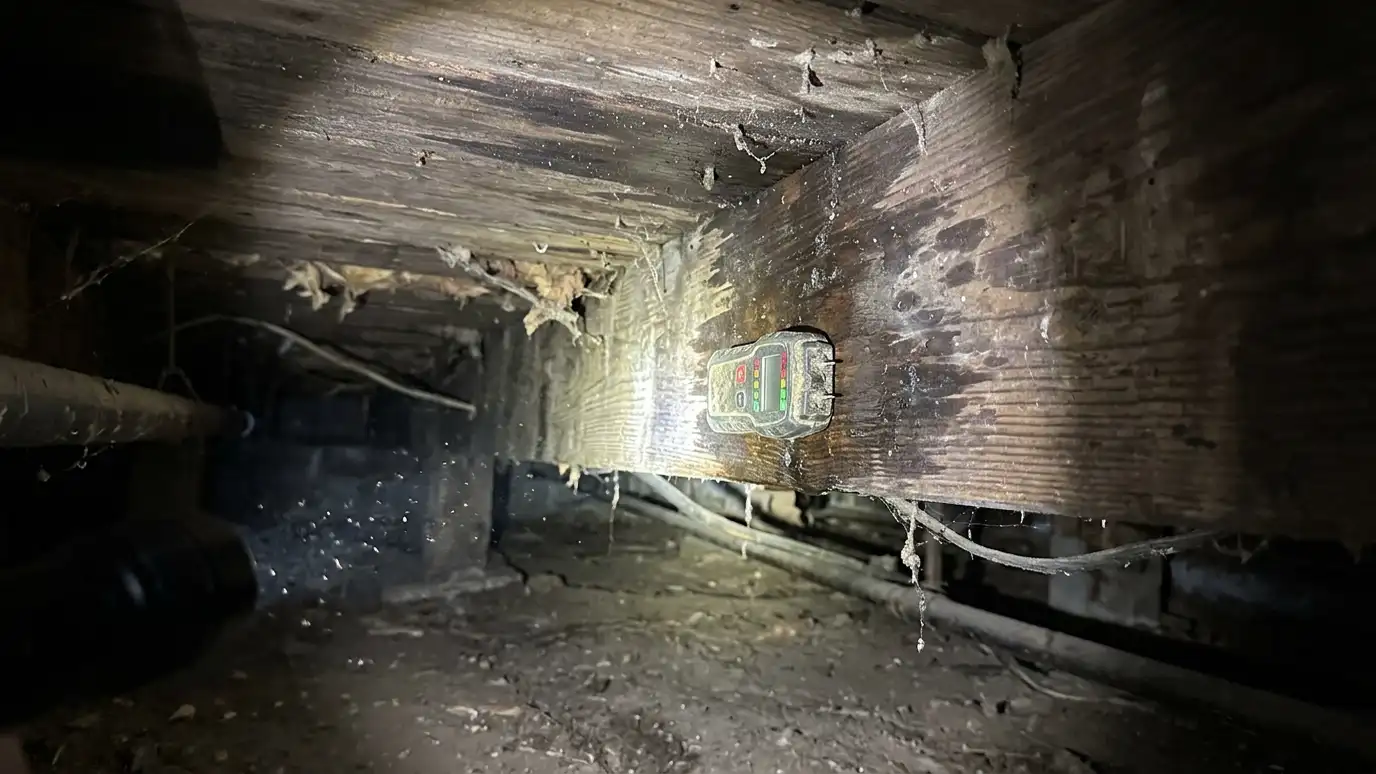
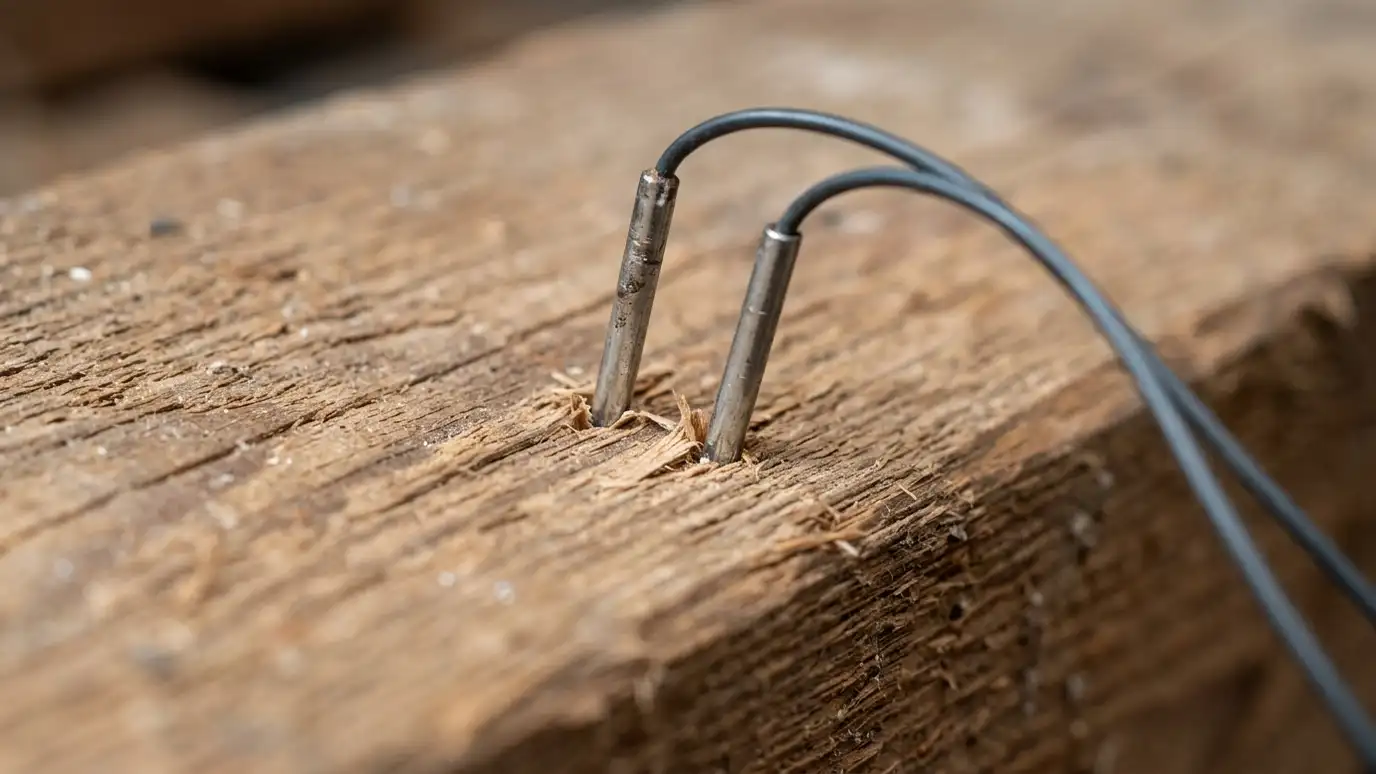
Wood moisture above about twenty percent supports mold and decay.
We measure both.
Why summer is the hardest
Warm humid air meets cooler surfaces and leaves water behind. Vents let in more of it, and pipes and ducts sweat.
A sealed, dehumidified space avoids most of this.
Readings often peak in July and August.
Soil and standing water
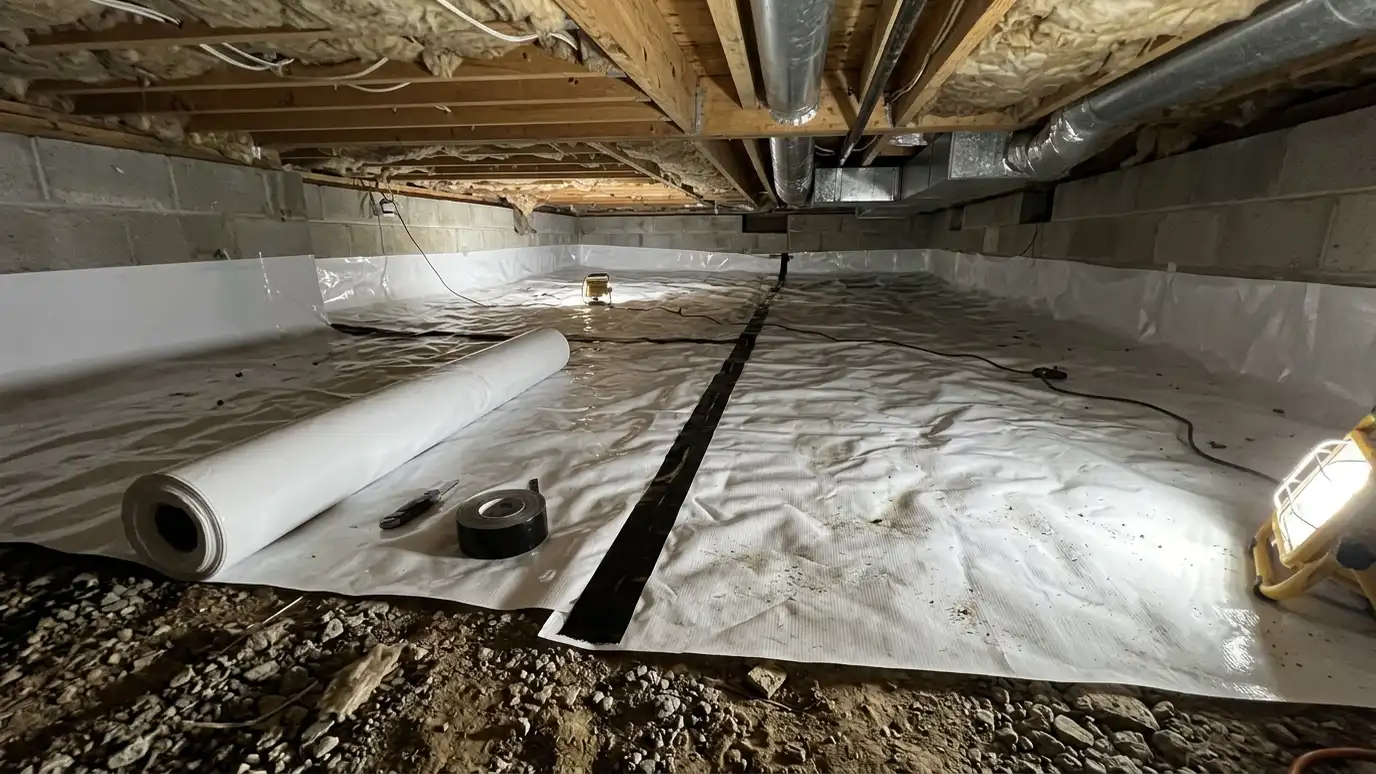
Soil releases vapor all day, and clay holds water. A liner blocks vapor, and drains and pumps remove liquid water.
Gutters and grade keep water from arriving.
Fix the water before the vapor.
Equipment and monitoring
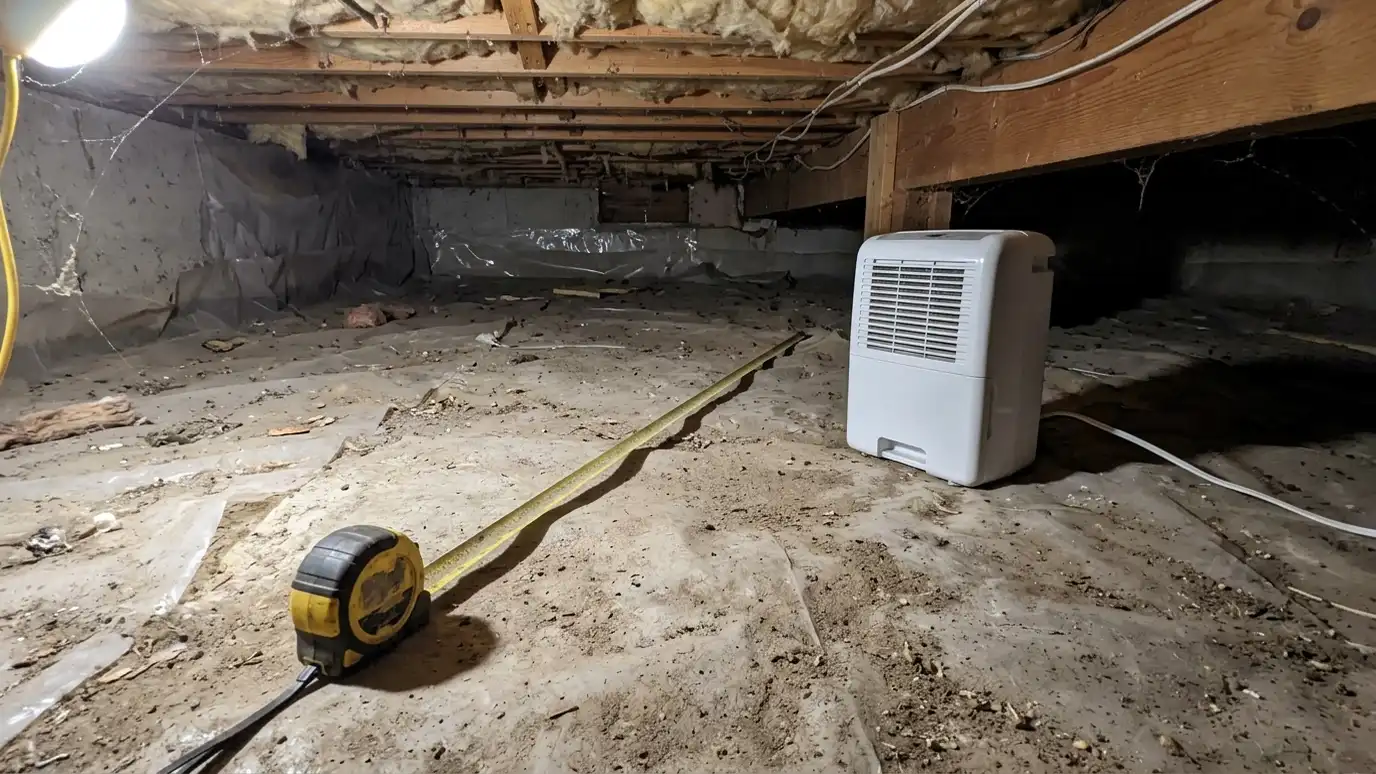
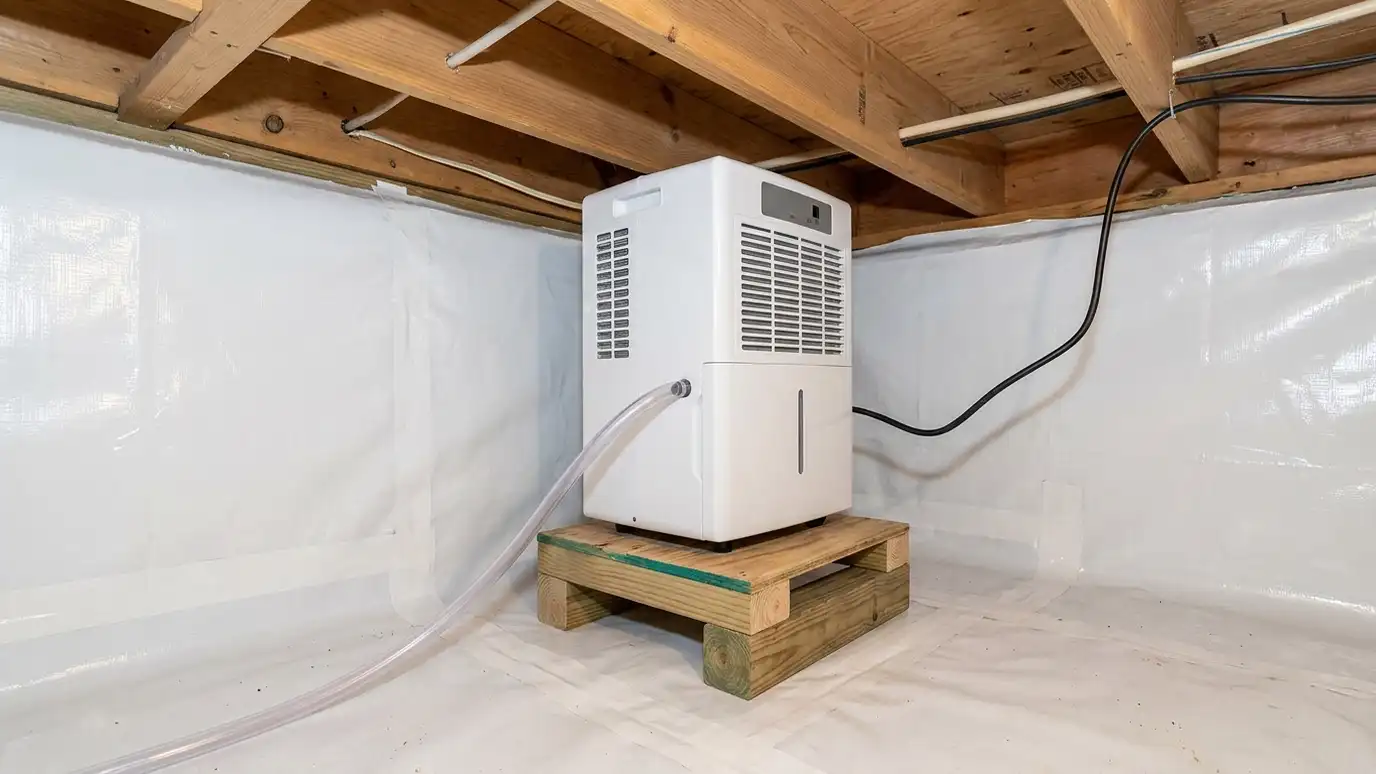
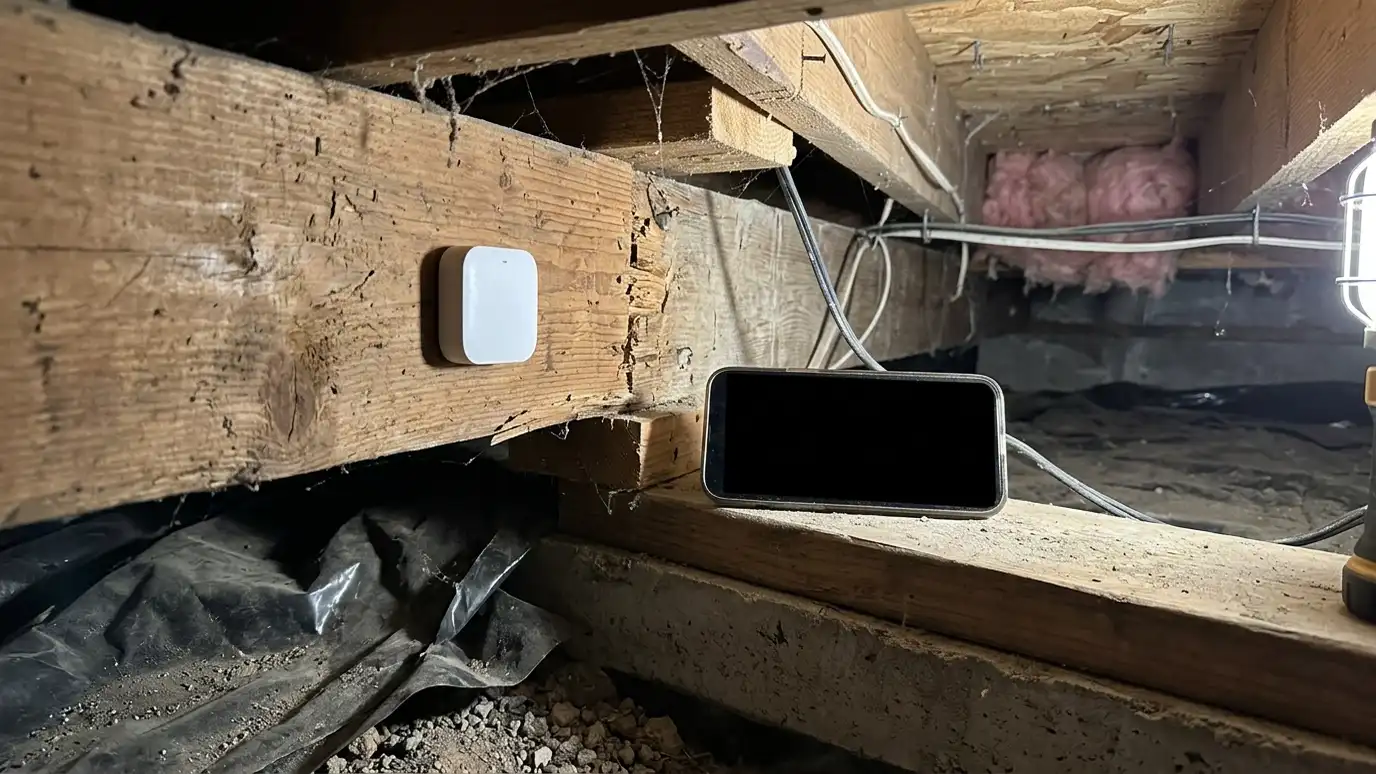
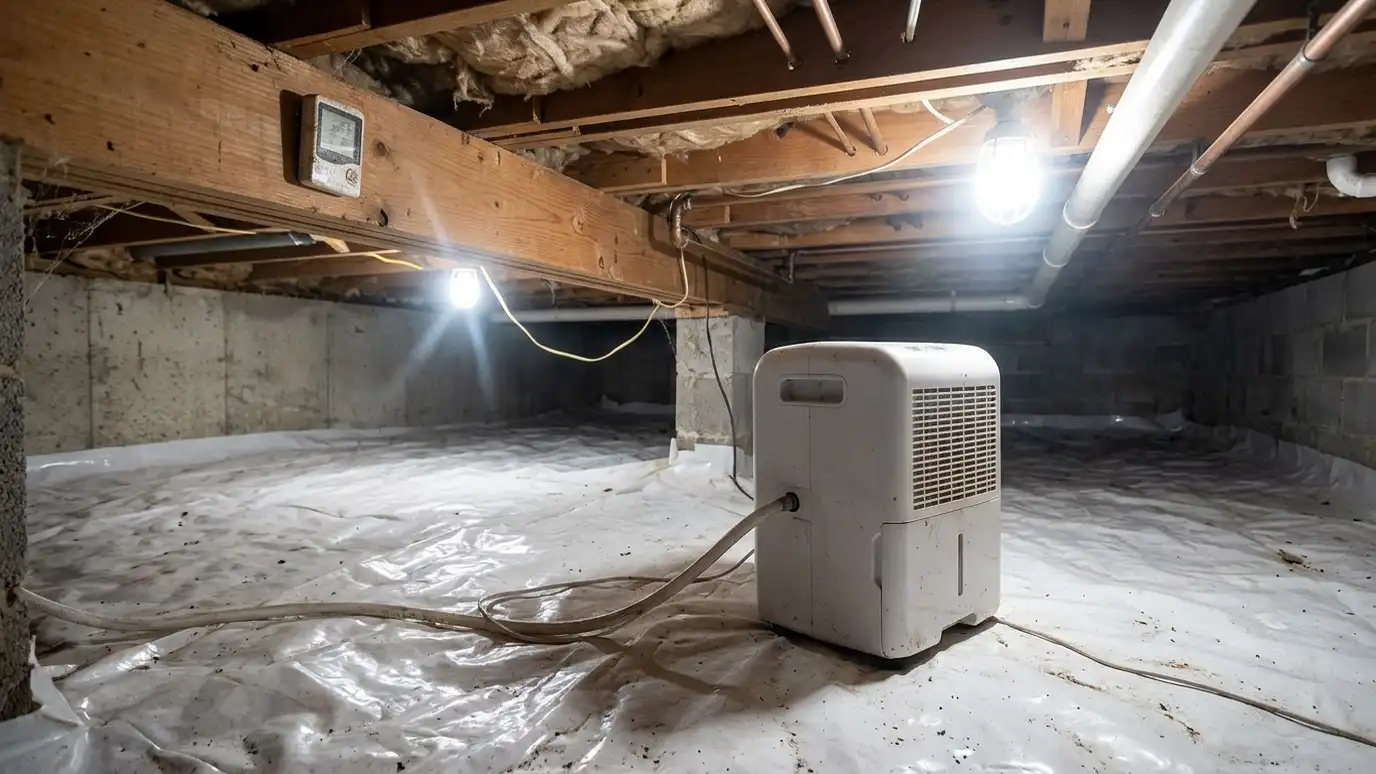
A dehumidifier removes moisture from the air. Sensors show humidity and temperature and alert you to changes.
Equipment is sized to the space and checked each year.
Records help you see trends.
What to do first
Fix liquid water, close the big air leaks, add a liner and then control humidity. Insulate after the space is dry.
Repair wood damaged by moisture.
Check the space each season.
Moisture comes from several places, so measure, fix liquid water first and then control humidity in a sealed space.