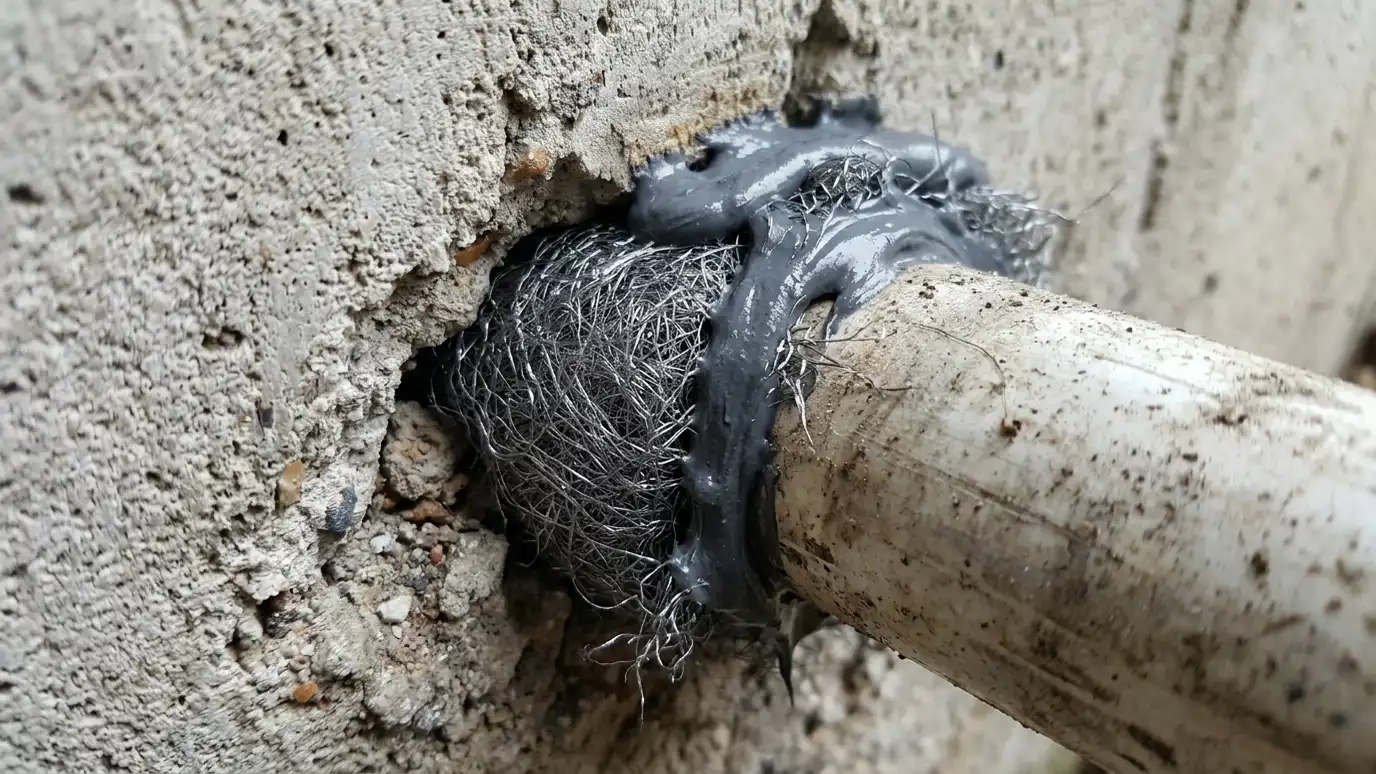
Rodent proofing and gap sealing that stuffs and seals small gaps around pipes, wires and sills with steel wool, mesh and sealant that rodents cannot chew through.
Rodents do not need much room. A gap around a pipe, a small crack at the sill or a hole where a wire enters can be a doorway. Homeowners in Nashville who have already dealt with mice once often want every small gap sealed so the problem does not repeat.
We look at all penetrations and edges, then seal them with steel wool or mesh pressed into the gap and covered with sealant or mortar. Pipe collars, vent boots and cable holes are fitted and sealed, and cracks in foundations are patched. We use materials that rodents dislike chewing and that last, and we avoid ones that rot or degrade quickly. We keep any required airflow and combustion air clear. We photograph the work, explain where we sealed and tell you which small gaps may open later so you know what to watch for. Keep outdoor food sources in mind. Pet food, bird feeders and open trash draw rodents to a house, and sealing works best when the yard gives them less reason to try.
We check the foundation, sill, rim joist, pipe holes, wire entries and vent boots for gaps rodents can use.
Steel wool or mesh goes into each gap and is covered with sealant or mortar so it holds.
Pipe collars and vent covers close the larger openings with durable materials.
We show you the sealed spots and explain what to watch for as materials age.
Drag the handle to compare.
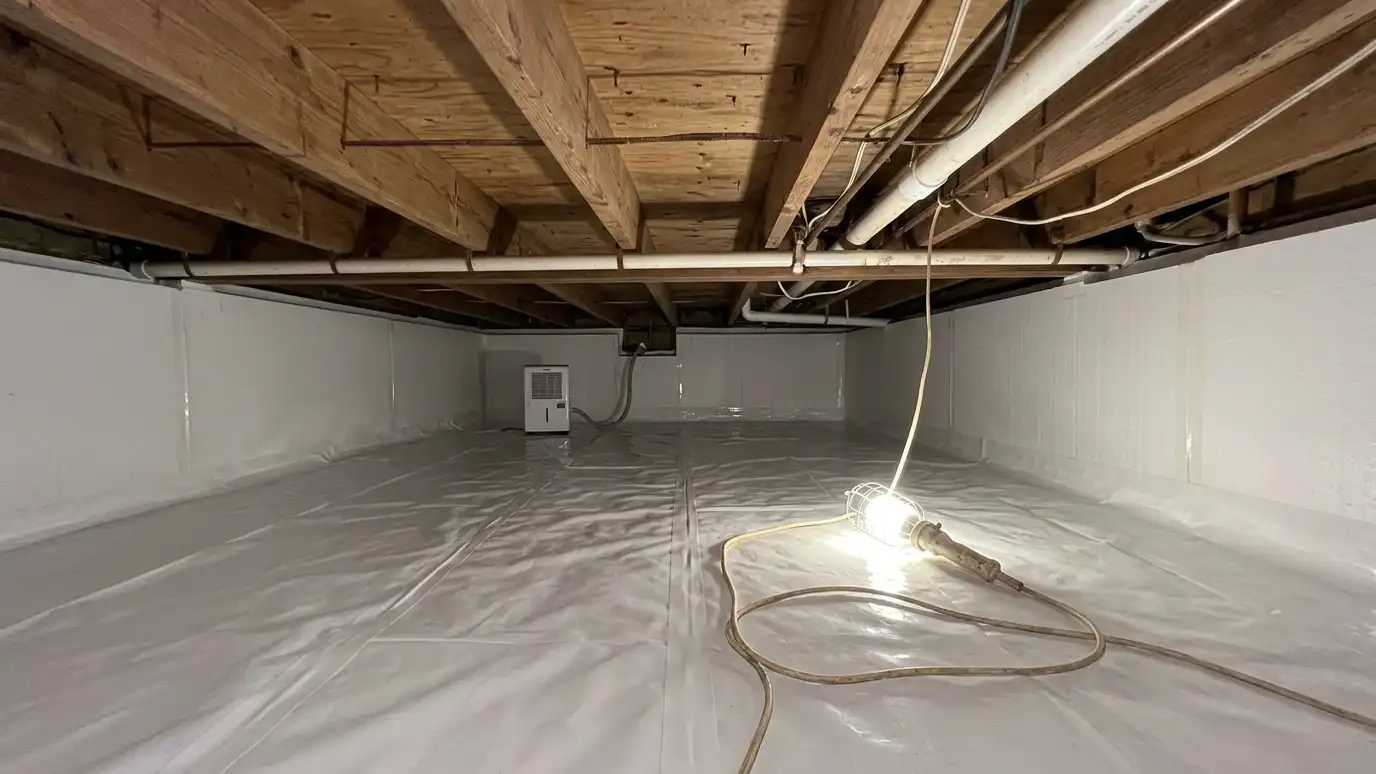
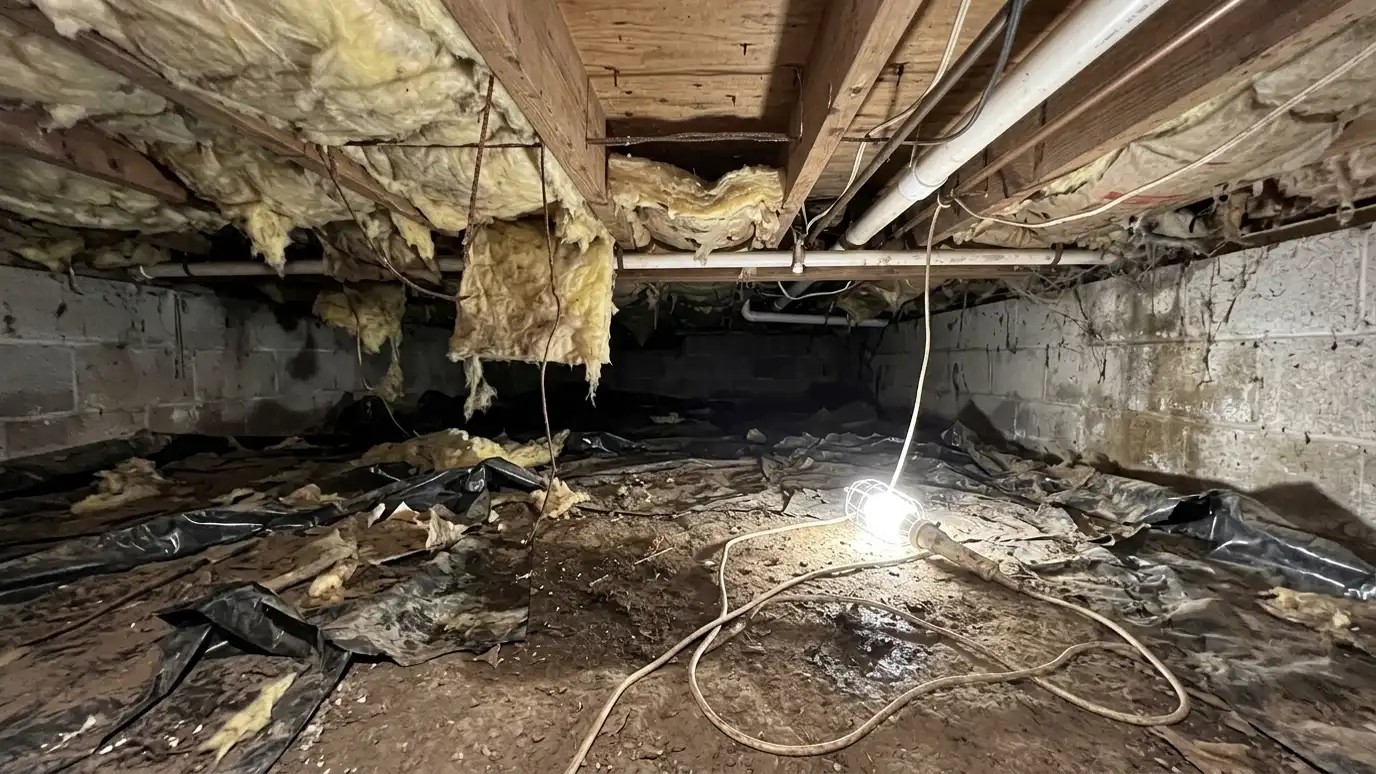 BeforeAfter
Dime-sized holes included.
Chew-resistant.
Neat finish.
Fewer paths.
Safe approach.
Where to check later.
Every topic has its own page with what to expect and how we approach it.
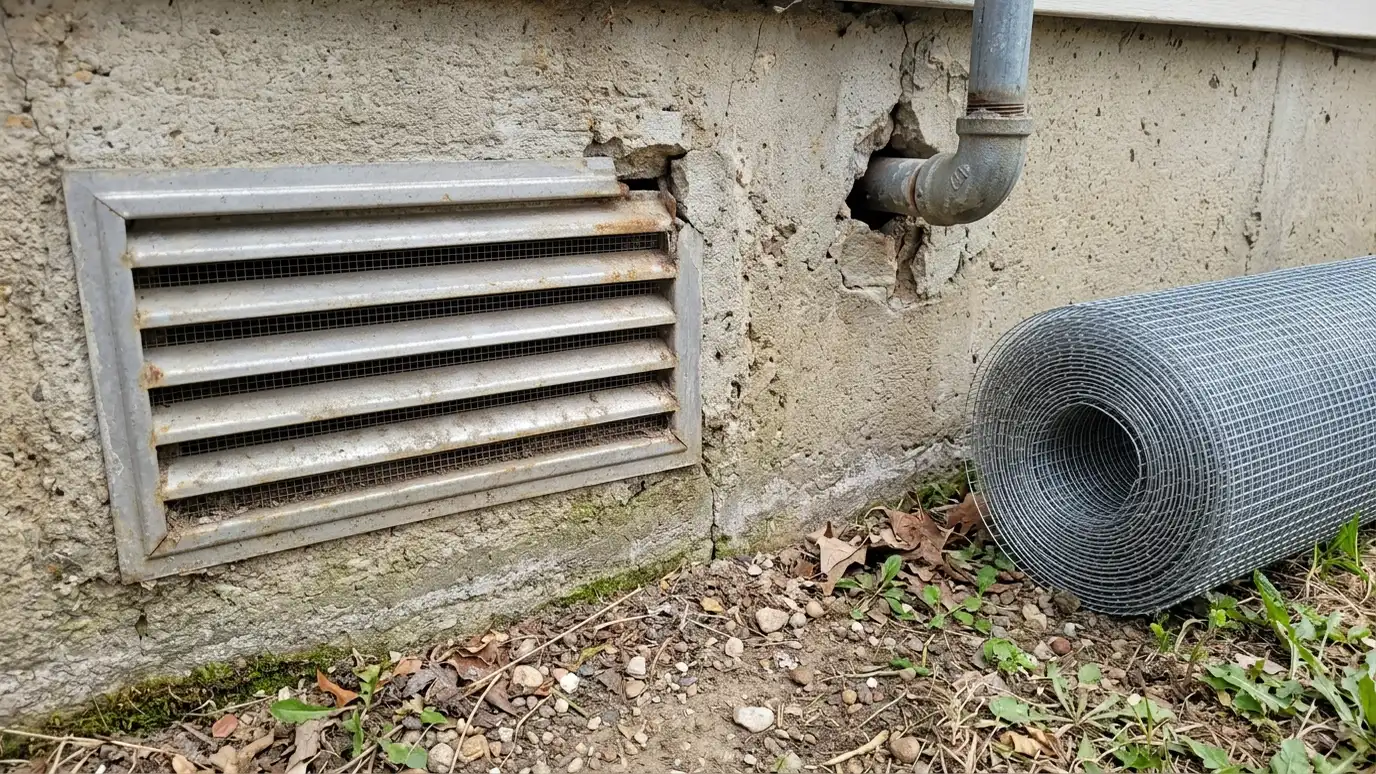 Comparison guidePest Entry and ExclusionWhere mice, rats, raccoons, snakes and insects get into crawl spaces, which materials stop them and how exclusion…Learn more
 ResourceNational Pest Management AssociationA trade association for pest management professionals with a consumer site that explains common pests, signs of infestation…Learn more
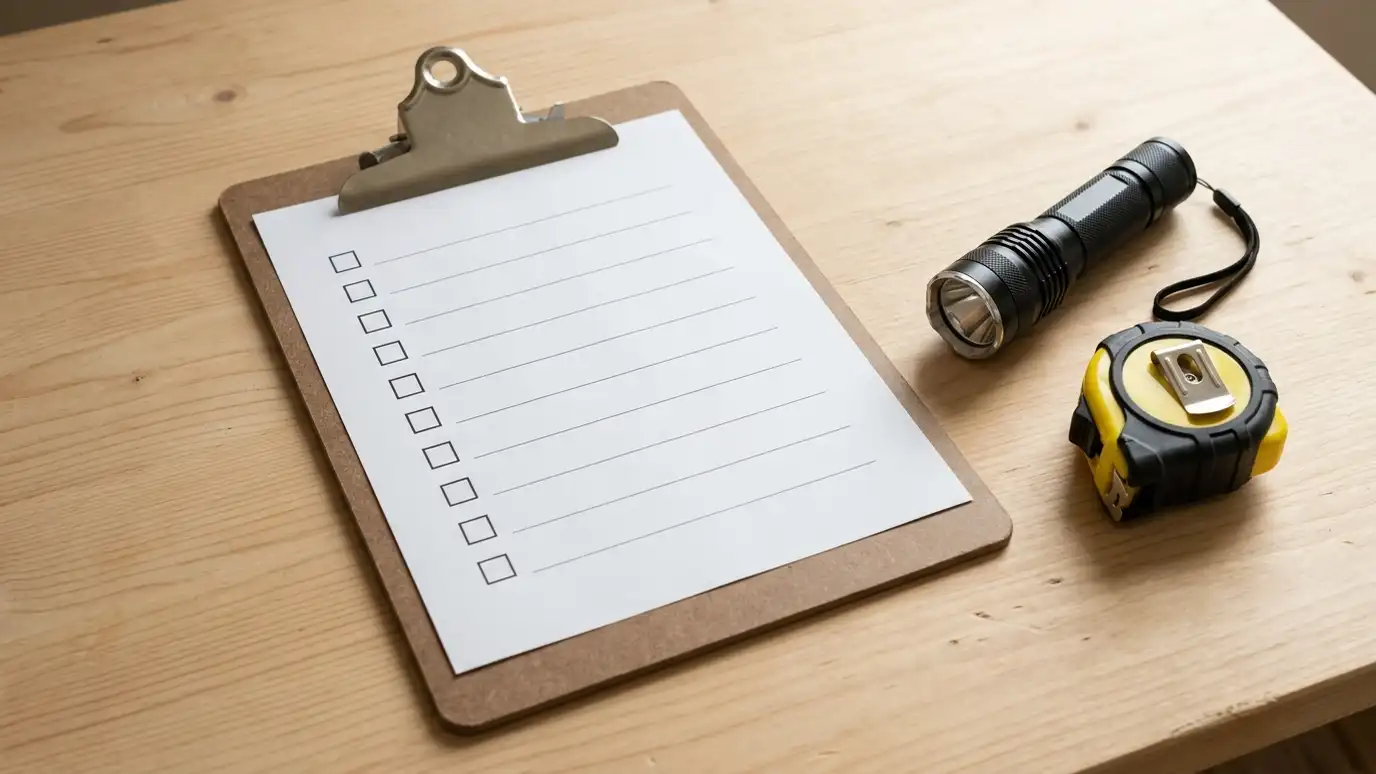 Comparison guideInspection ChecklistA plain checklist of what a good crawl space inspection covers, from moisture and structure to insulation, ducts…Learn more
Pick a concern, such as a musty smell, standing water, sagging floors, pests, mold or cold floors, to get likely causes, what to do first and the service page that fits.
You tell us what you notice, from smells and cold floors to water and sagging, and we ask about the home and past work.
We enter the space, take moisture readings and photos, measure it and look at drainage outside.
You get a plain written scope with priorities, materials, schedule and options before anything is ordered.
We clear debris, repair structure and install drainage, then dry the space to safe moisture levels.
A liner, sealed vents, insulation and a dehumidifier go in, with seams taped and checked.
We walk the finished space with you, leave a care guide and photos and set a first checkup.
It works best covered with sealant or mortar so it does not rust or fall out.
They can chew soft materials, so we use metal and mortar in key places.
Yes, especially around utility lines and siding bottoms.
Often a half day to a full day.
We check for activity first and coordinate removal when needed.
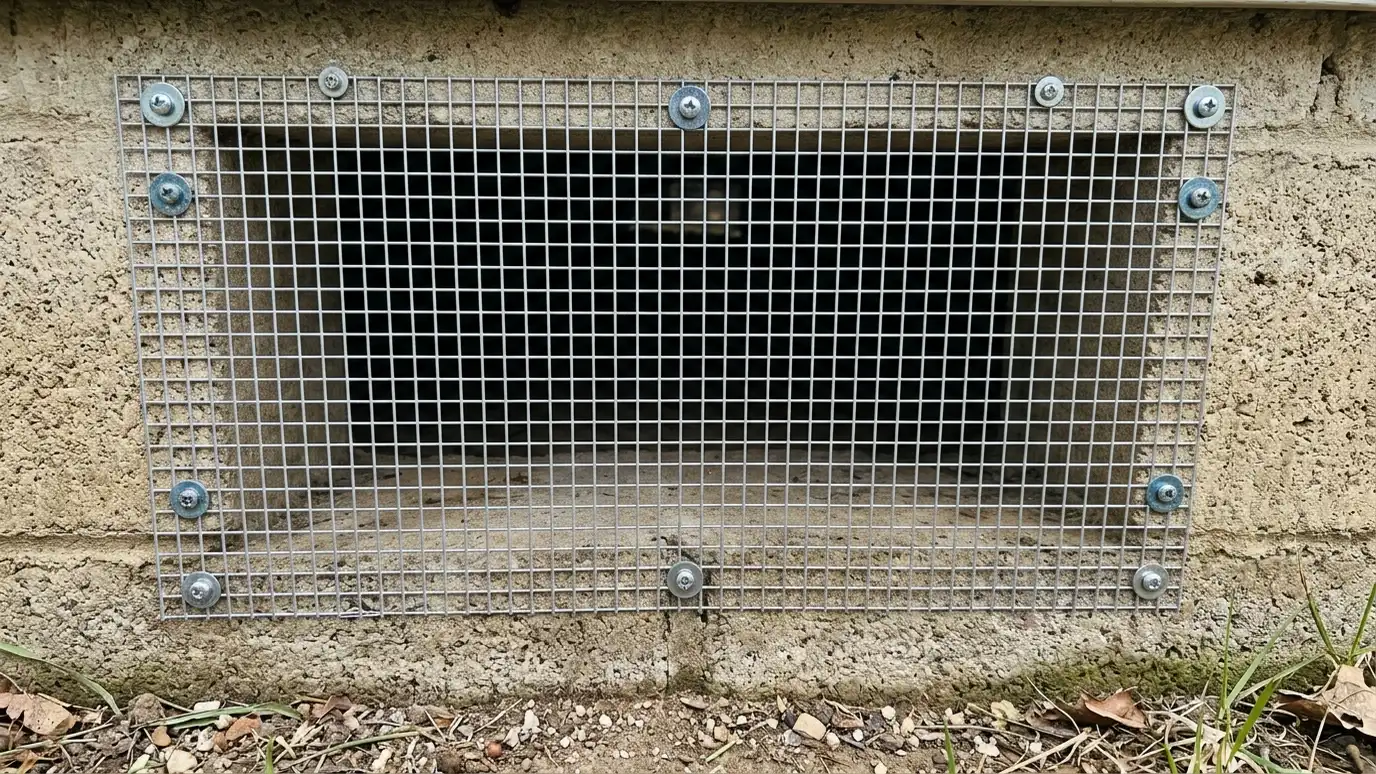 Pest and Rodent ExclusionPest and rodent exclusion that closes vents, gaps and openings with steel mesh and sealants so mice, rats…Explore
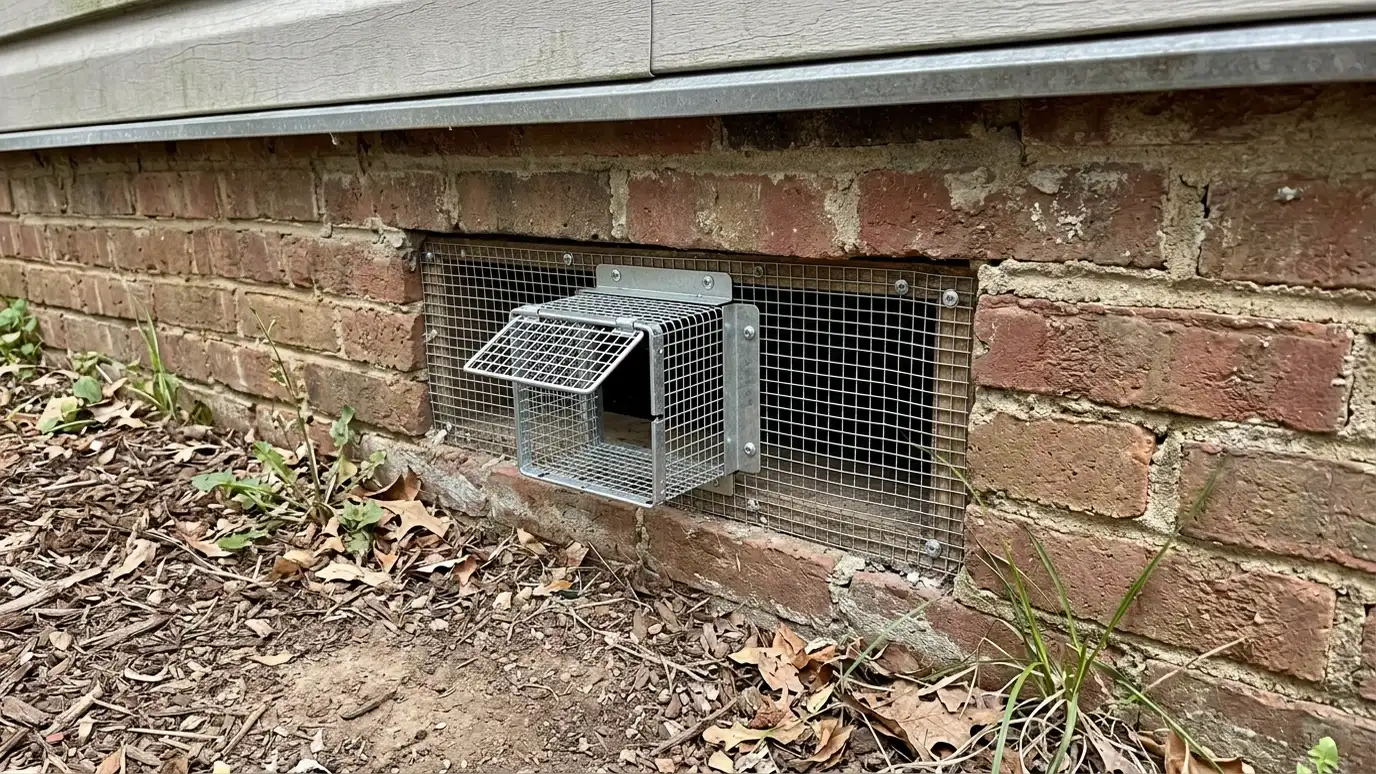 Wildlife ExclusionWildlife exclusion and removal coordination for raccoons, opossums, skunks, squirrels and snakes that coordinates humane removal and seals…Explore
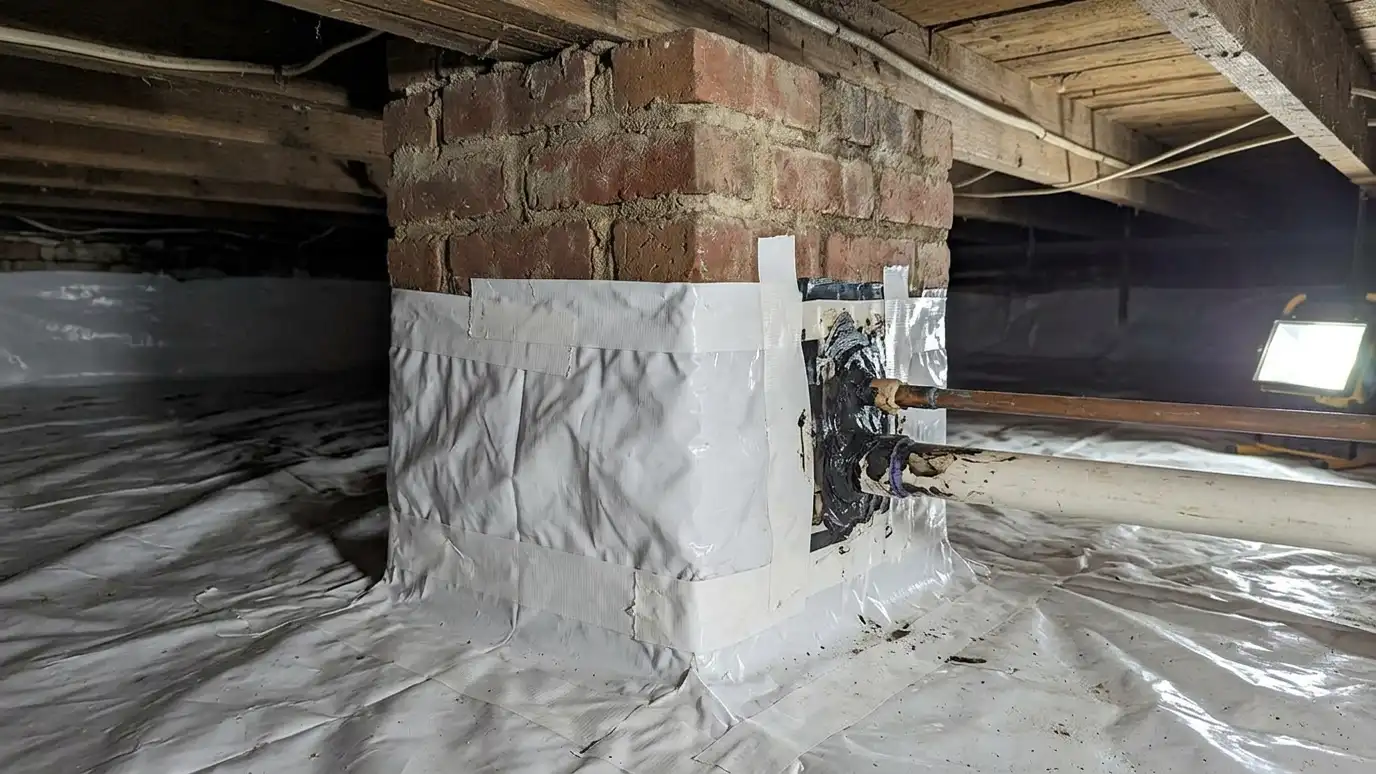 Penetration SealingPier, pipe and penetration sealing that wraps piers and seals pipe holes and wire gaps so air, moisture…Explore
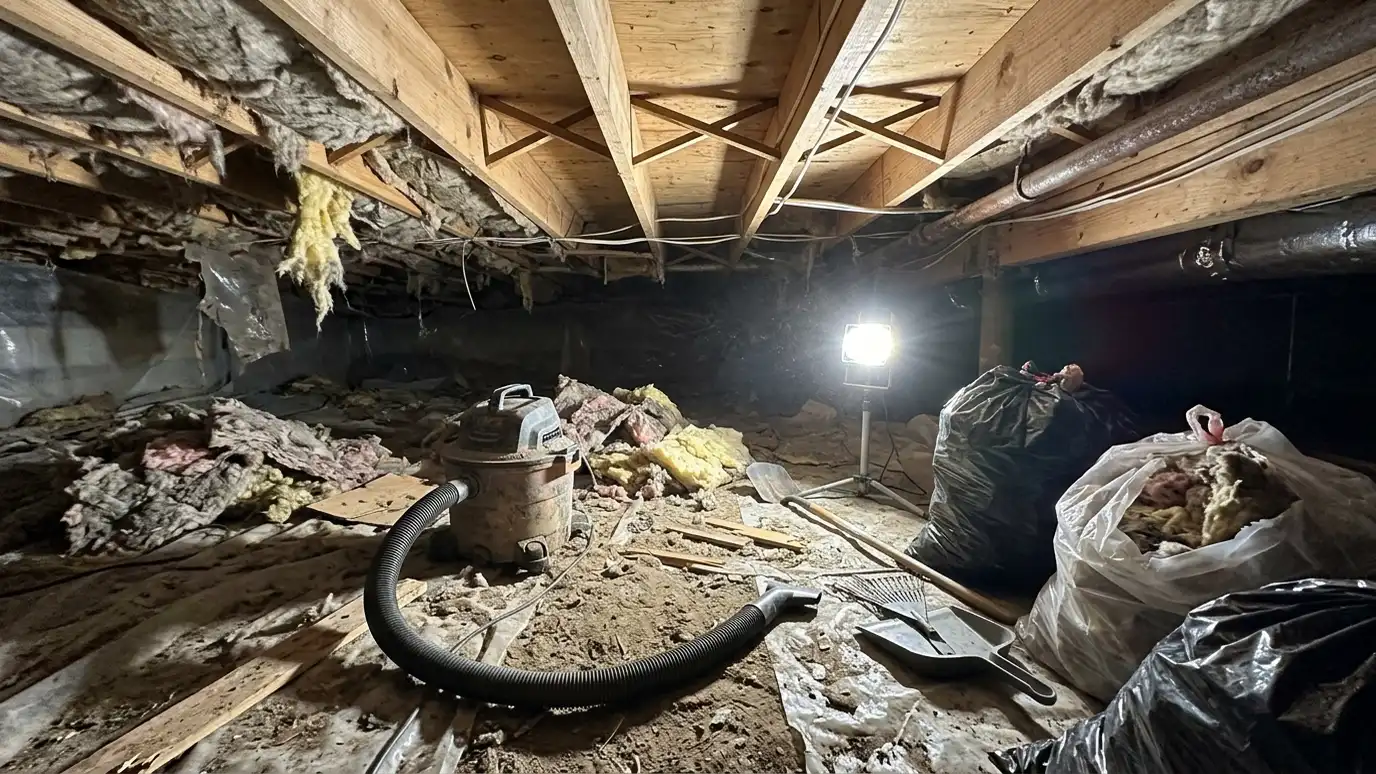 Droppings CleanupAnimal waste and droppings cleanup that safely removes droppings, nests and soiled insulation from crawl spaces, sanitizes surfaces…Explore
Tell us about your space and we will call you back to set up a visit.
Or call (615) 357-7797 to talk now.