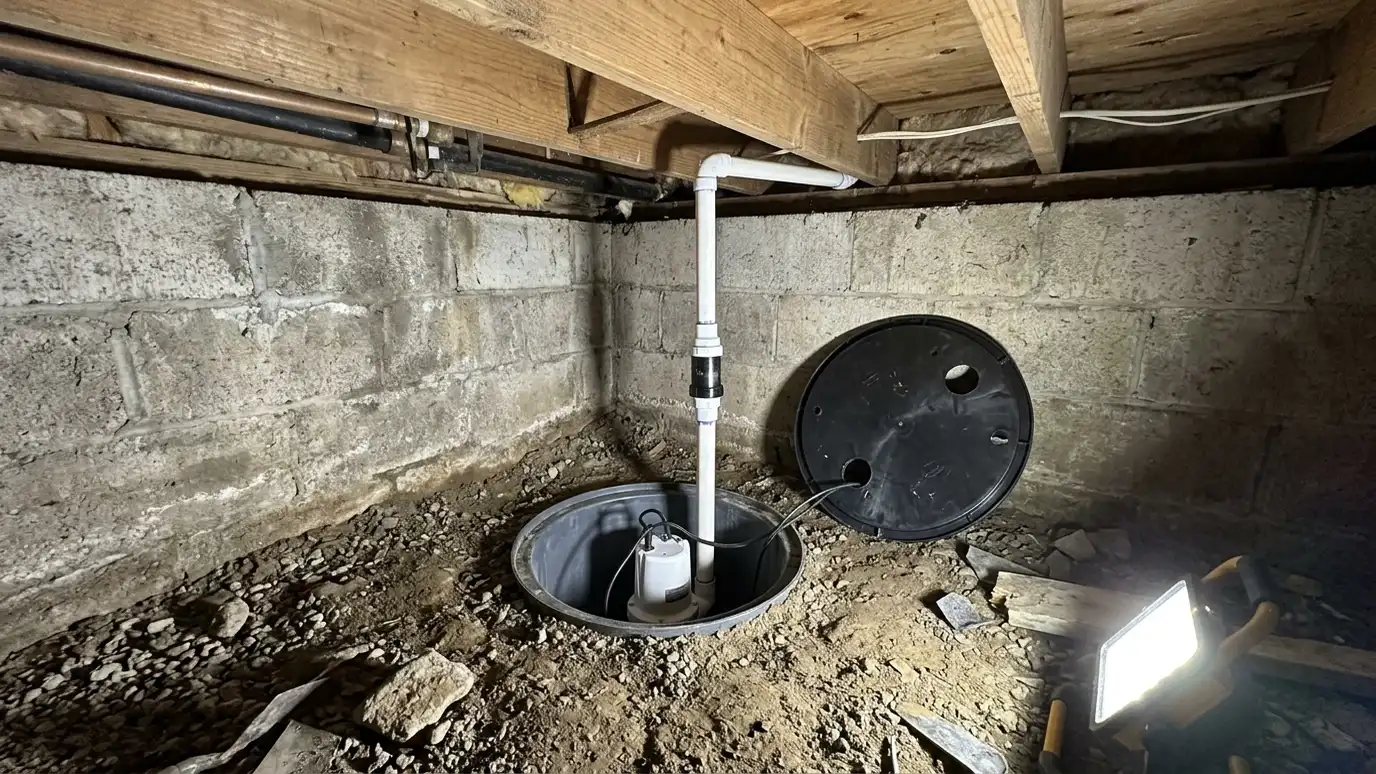
Sump pump installation that sets a pump in a sealed basin with a float switch, check valve and discharge line to remove water from a crawl space automatically.
A crawl space that collects water needs a pump that removes it before it harms wood and spreads humidity. A sump pump sits in a basin at the low point and turns on when the water level rises. Homeowners in Nashville often find that a pump is the piece that makes a drain system finish its job, especially during long periods of rain.
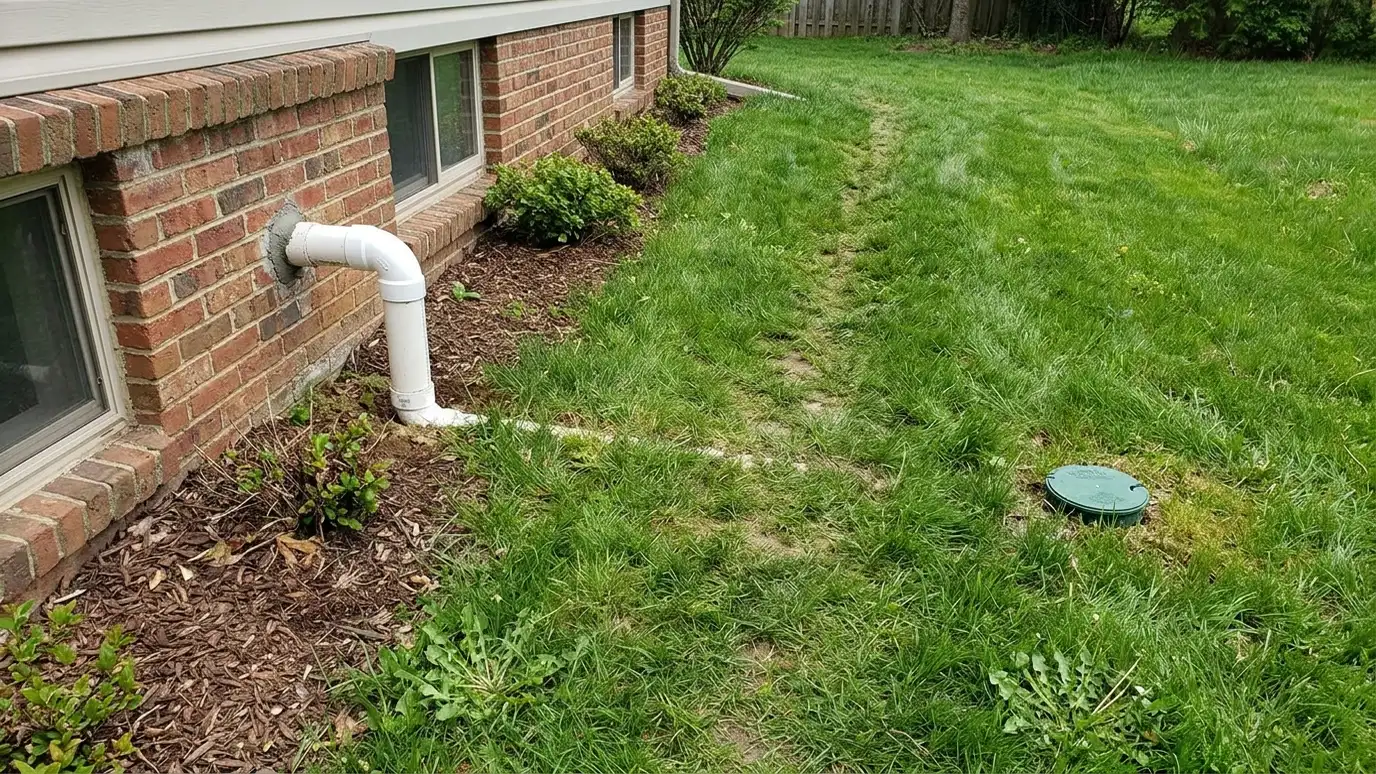
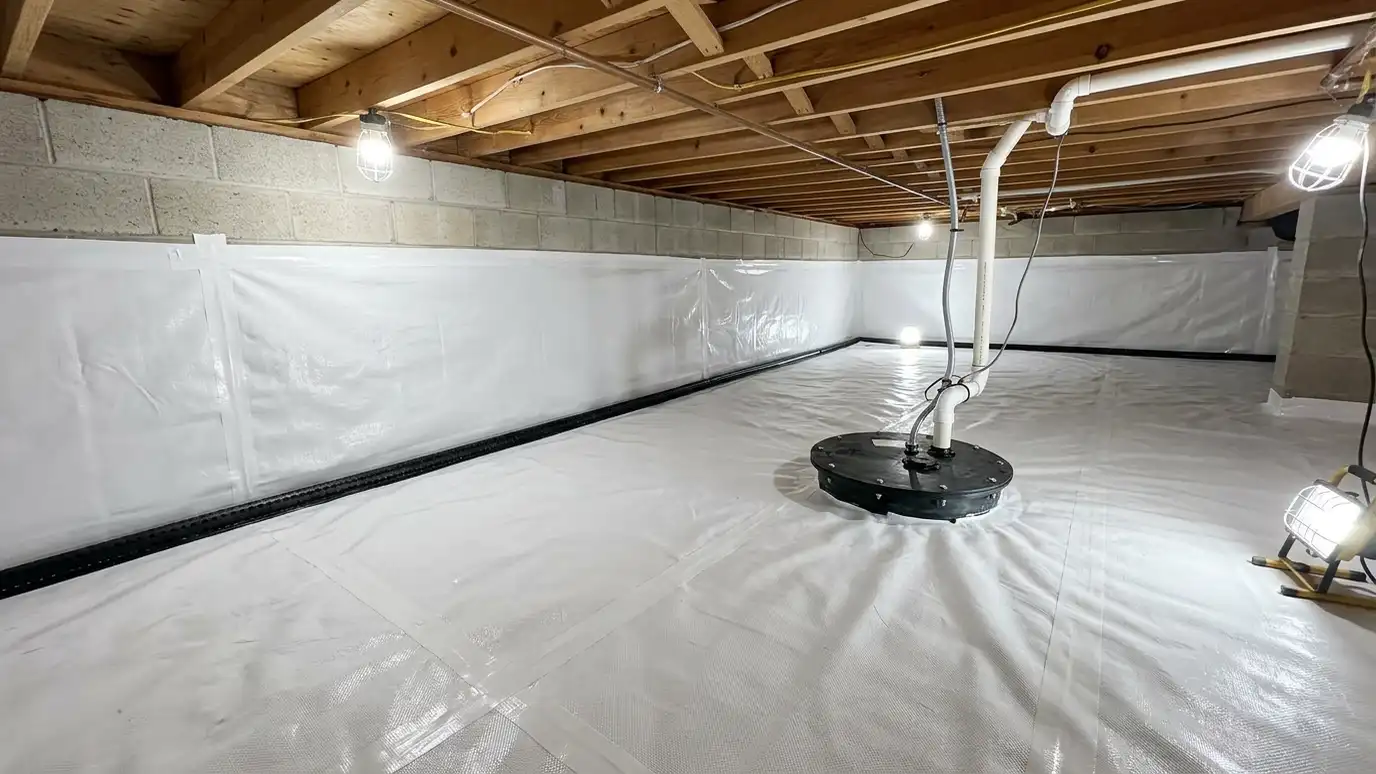
We choose a pump size based on the amount of water, the lift and the length of the discharge line. We set a basin at the lowest point, install the pump with a float switch and check valve, seal the basin lid and route the discharge pipe out through the rim joist to a spot well away from the house. We add a high-water alarm or a backup option when it makes sense, and we explain how to test the pump. Pumps need electricity, so we coordinate with an electrician for a proper outlet and circuit when one is missing.
Pump size and type depend on how much water arrives, how high it must lift and how long the discharge line is.
A basin sits at the low point with gravel beneath it and a sealed lid to keep humidity and soil gases from entering the space.
We connect the float switch, check valve and discharge line and test the system with water before we leave.
We coordinate outlet needs with an electrician and discuss alarms and battery backup.
Drag the handle to compare.
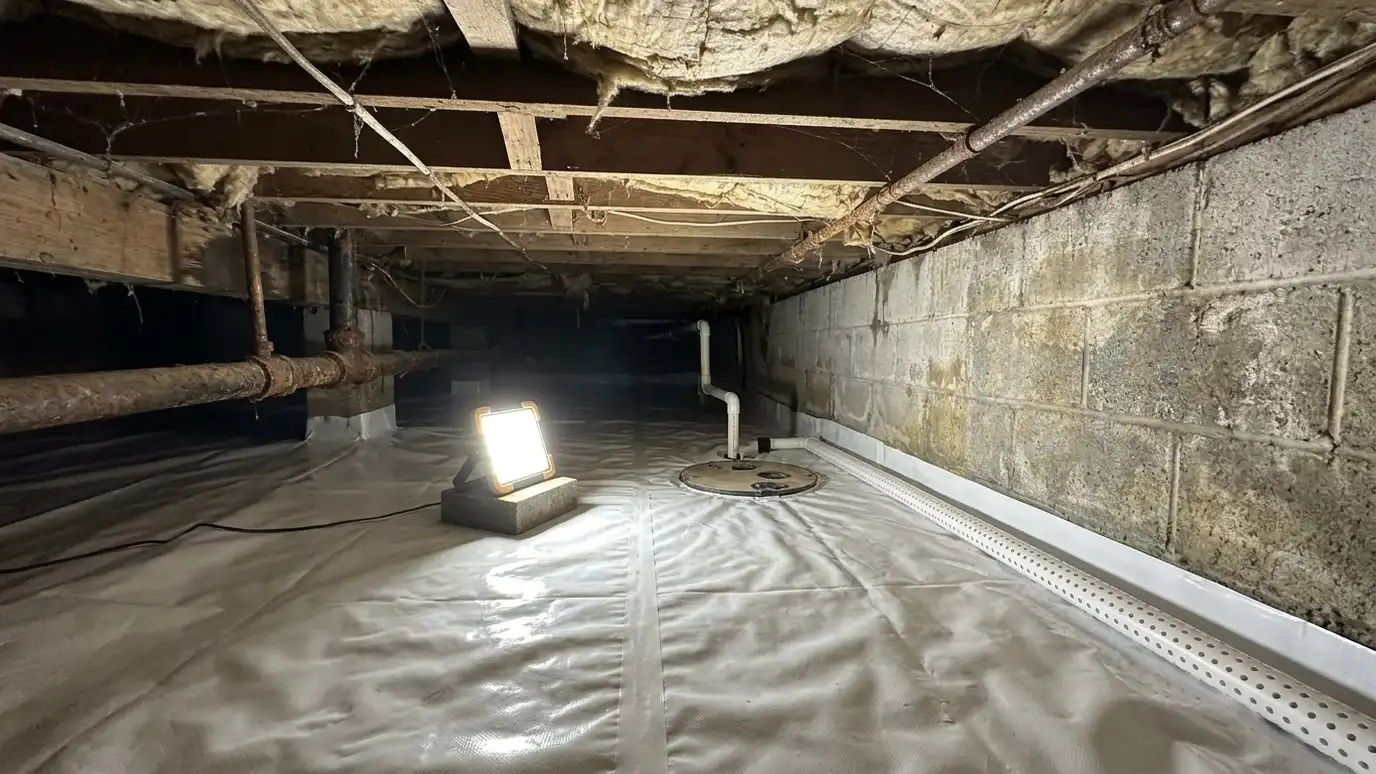
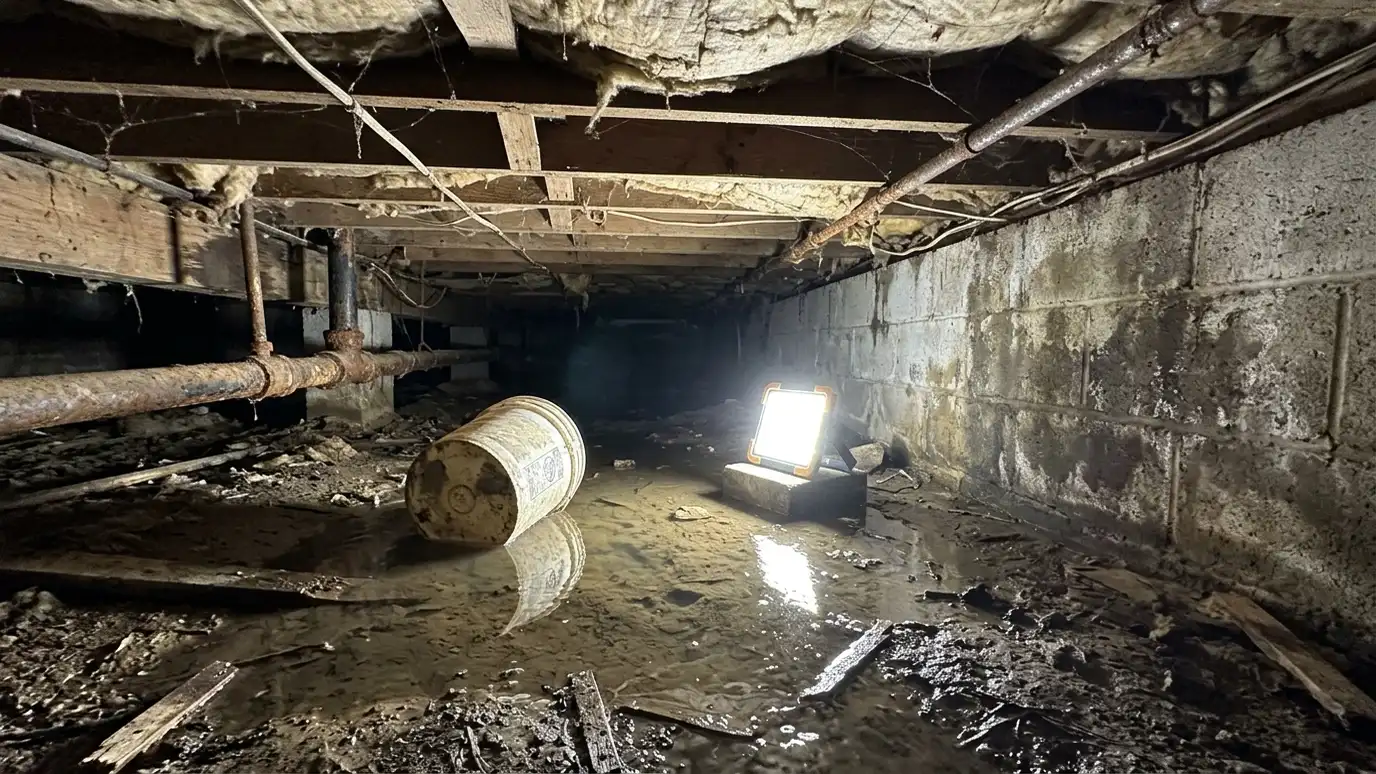 BeforeAfter
Matched to your water load.
Humidity kept out of the air.
Water does not flow back.
Water goes well away from the house.
Protection during outages.
You see it work.
Every topic has its own page with what to expect and how we approach it.
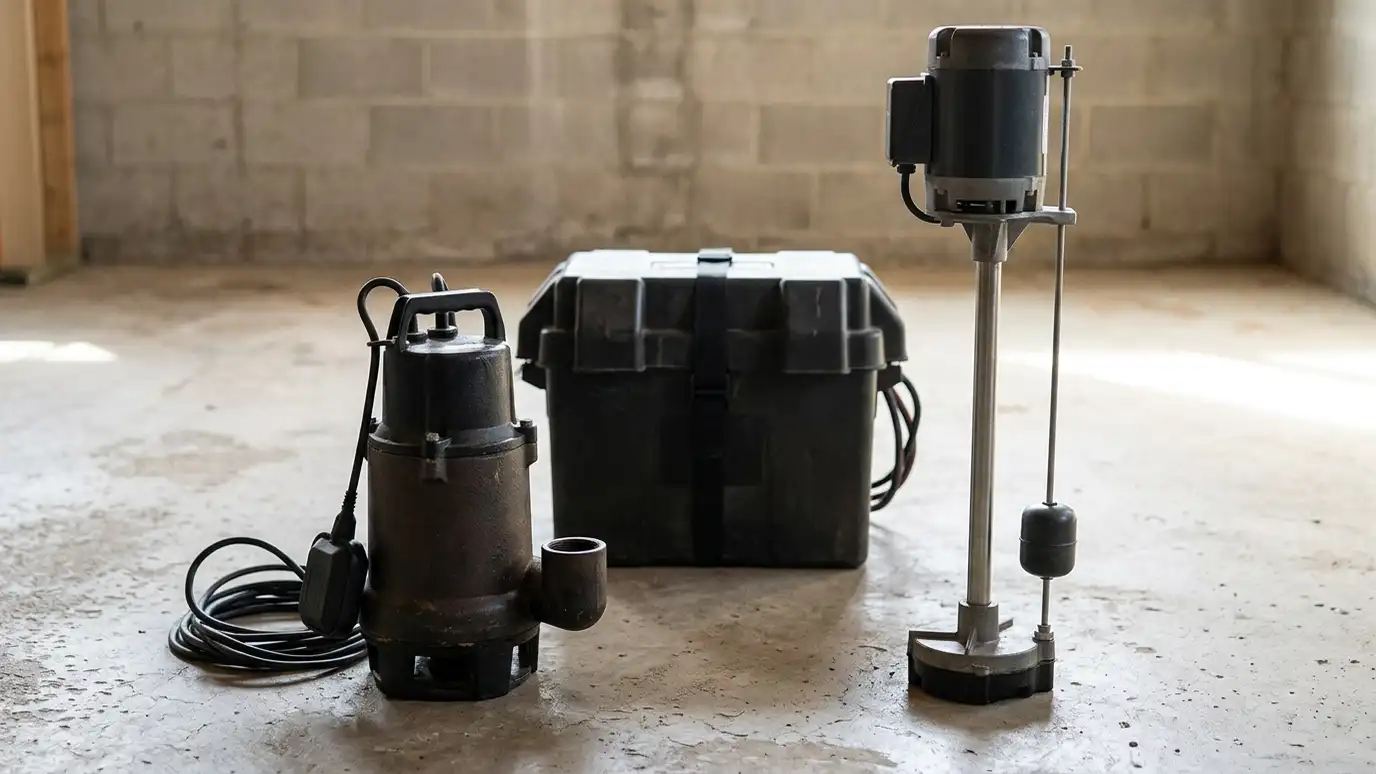 Comparison guideSump Pumps and BackupHow submersible and pedestal sump pumps differ, what switches, check valves and alarms do and when a battery…Learn more
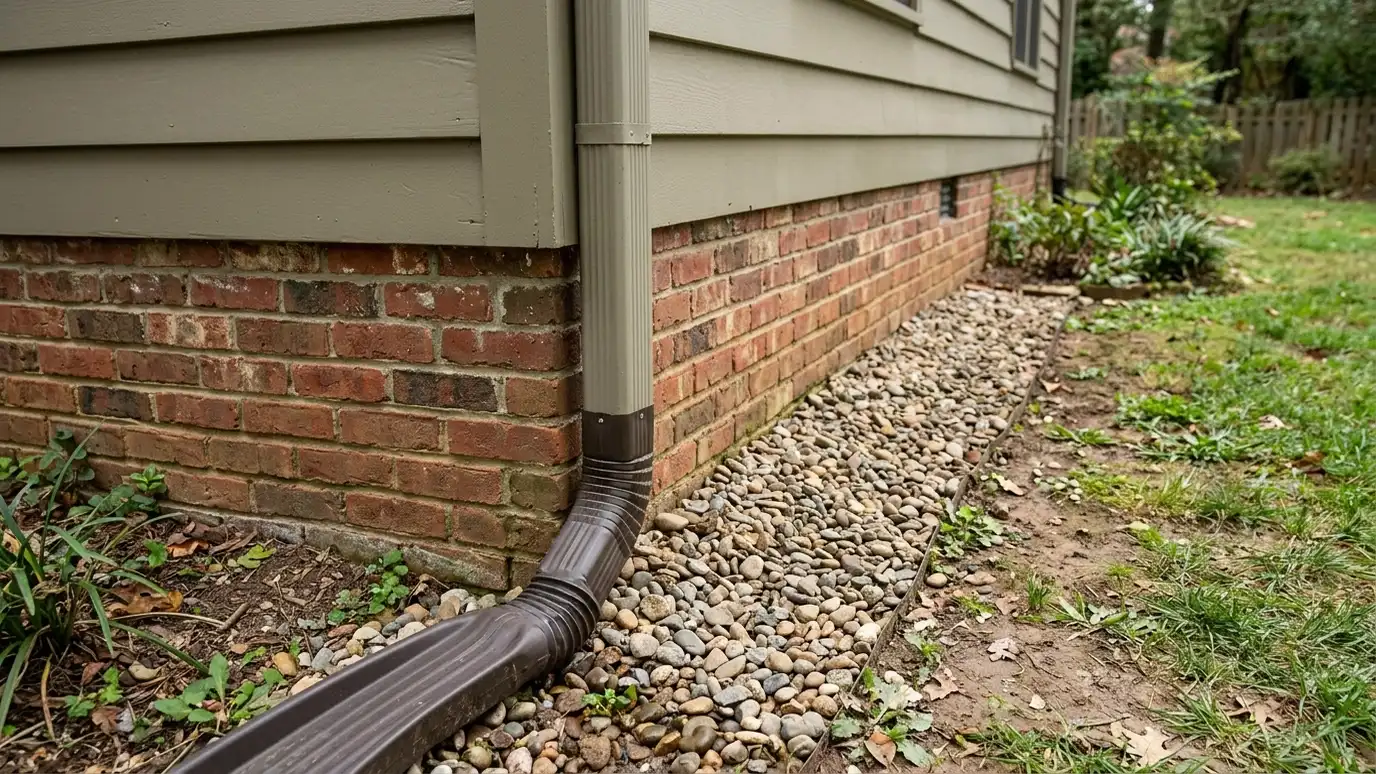 Comparison guideInterior vs Exterior DrainsHow interior drains, sump pumps, gutters, grading and exterior footing drains each handle water, where they work best…Learn more
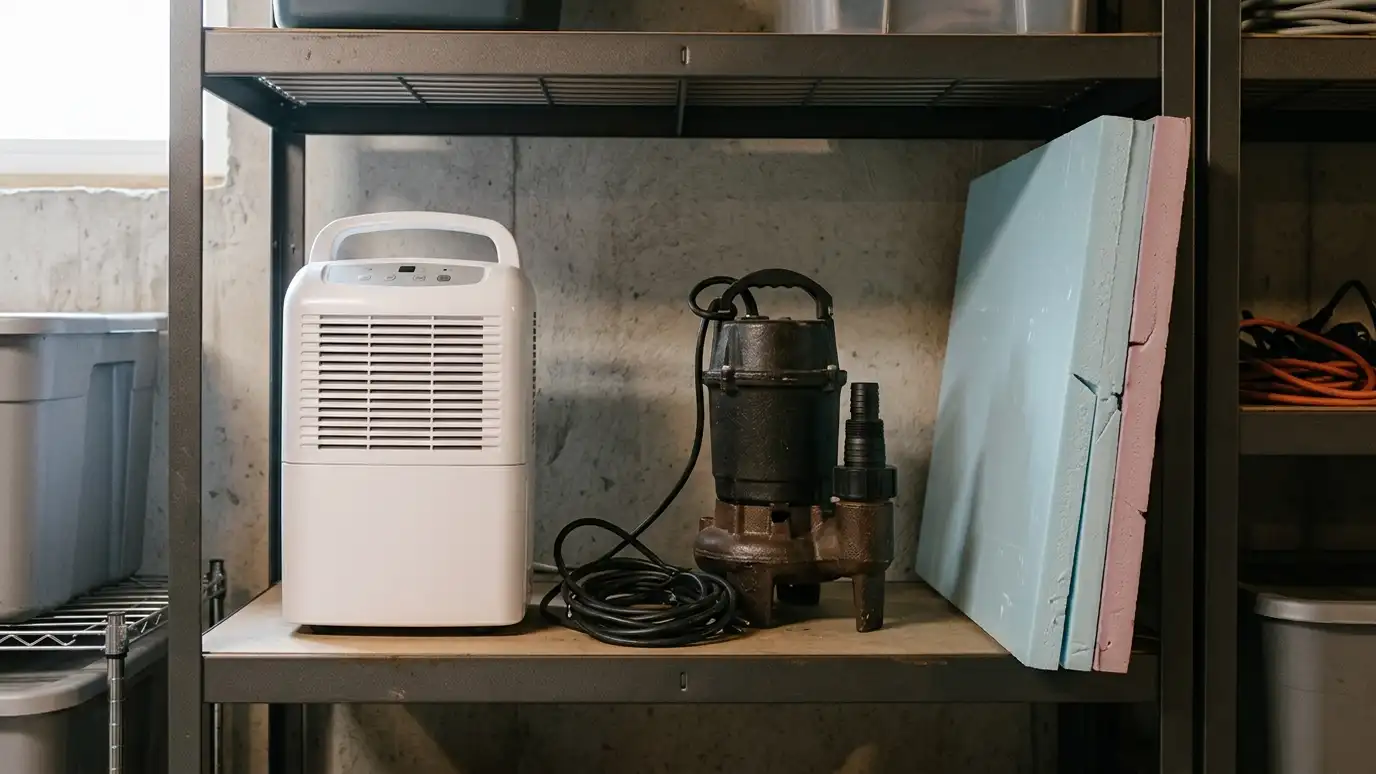 ResourceZoeller PumpsA maker of sump pumps, sewage pumps and water systems for residential and commercial use.Learn more
Pick your home type, set the floor area and tick conditions like standing water or humid summers to see the dehumidifier capacity and sump pump class that usually fit.
You tell us what you notice, from smells and cold floors to water and sagging, and we ask about the home and past work.
We enter the space, take moisture readings and photos, measure it and look at drainage outside.
You get a plain written scope with priorities, materials, schedule and options before anything is ordered.
We clear debris, repair structure and install drainage, then dry the space to safe moisture levels.
A liner, sealed vents, insulation and a dehumidifier go in, with seams taped and checked.
We walk the finished space with you, leave a care guide and photos and set a first checkup.
It depends on water volume, lift and discharge length. We size it for your site.
It helps during storms when power fails. We explain when it is worth it.
Through a pipe to a place well away from the foundation, following local rules.
Many owners test it a few times a year by adding water to the basin.
Most are quiet. Float and check valve noise can be reduced with proper installation.
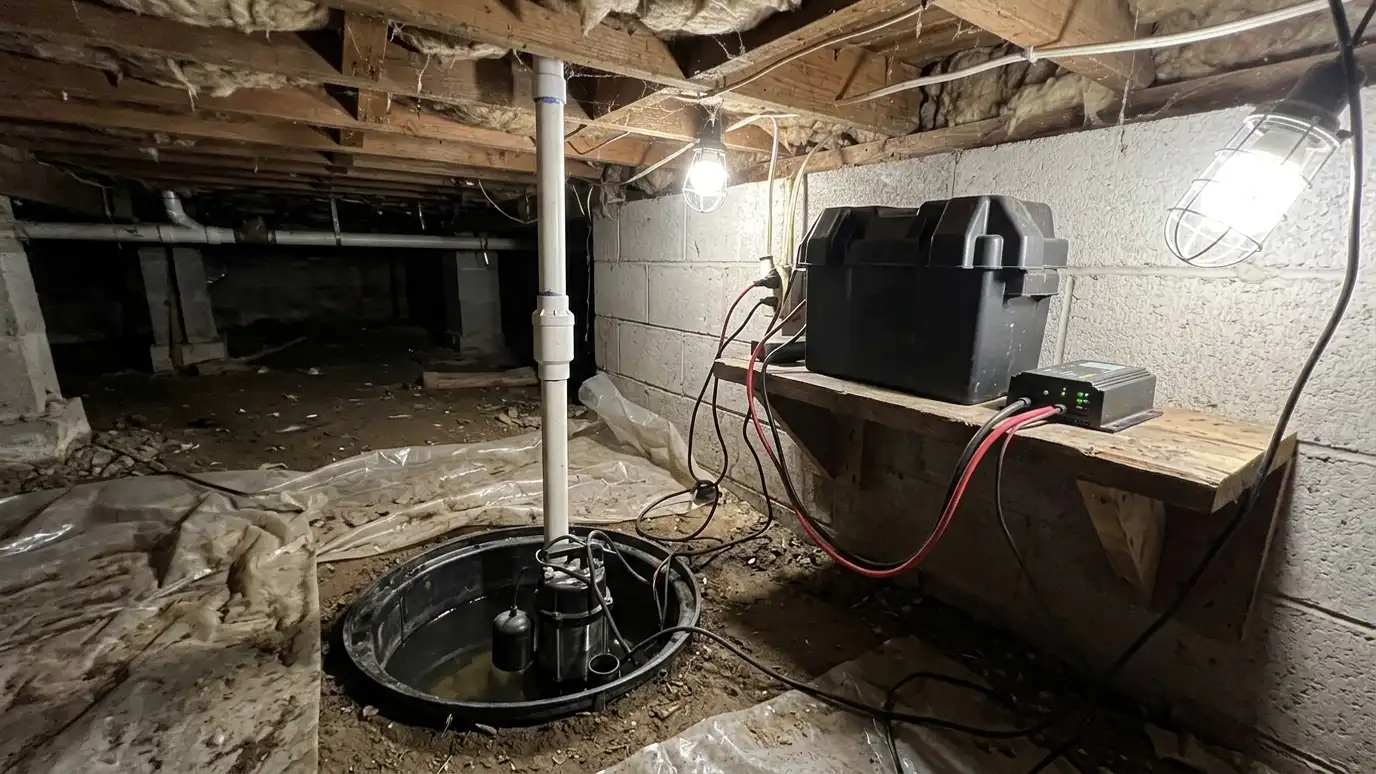 Pump Repair and BackupSump pump repair, replacement and battery backup service that keeps your crawl space pump ready to run during…Explore
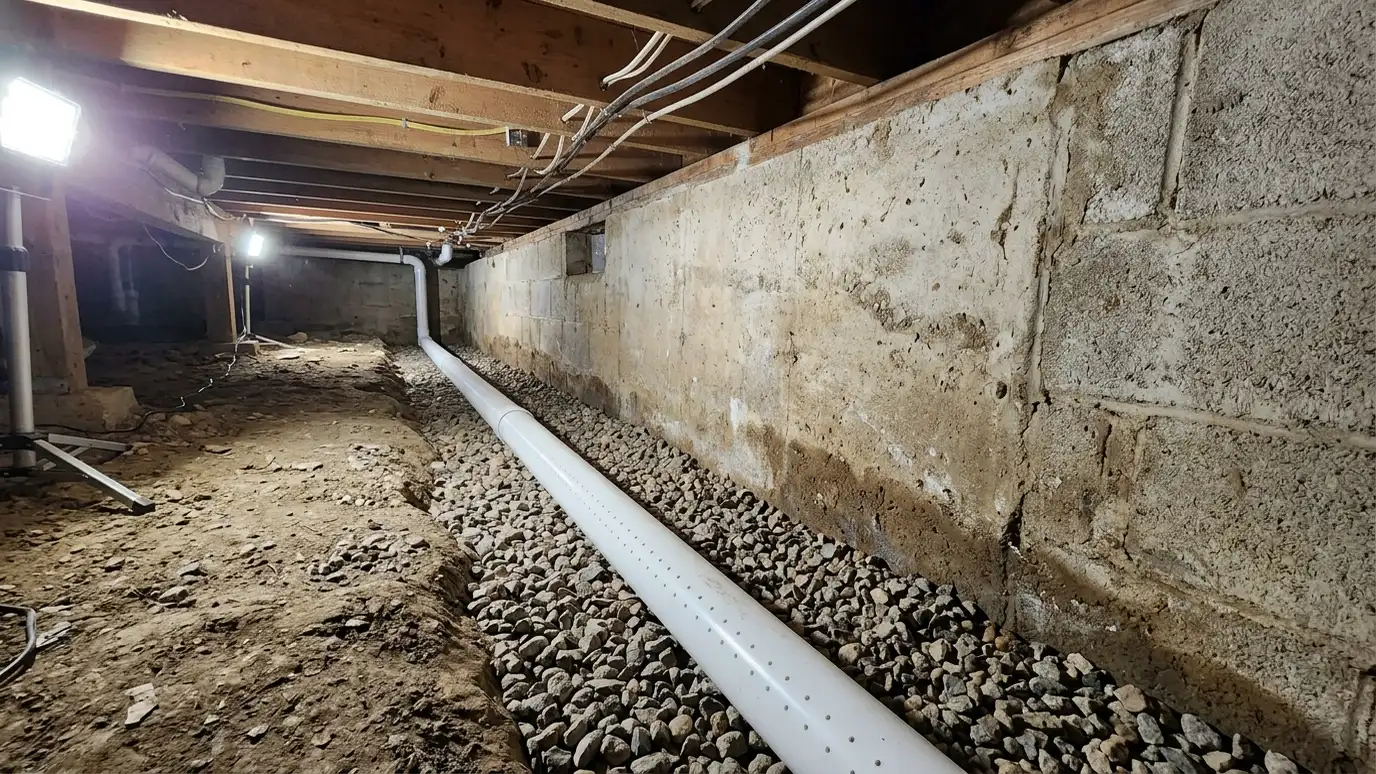 Interior DrainsInterior drainage systems that place a perforated drain in gravel along the footing or wall to collect seepage…Explore
 Discharge LinesDischarge line and water management service that routes sump and downspout water through proper lines to safe outlets…Explore
 WaterproofingCrawl space waterproofing that combines drainage, a sump system, a liner and exterior fixes to keep groundwater and…Explore
Tell us about your space and we will call you back to set up a visit.
Or call (615) 357-7797 to talk now.