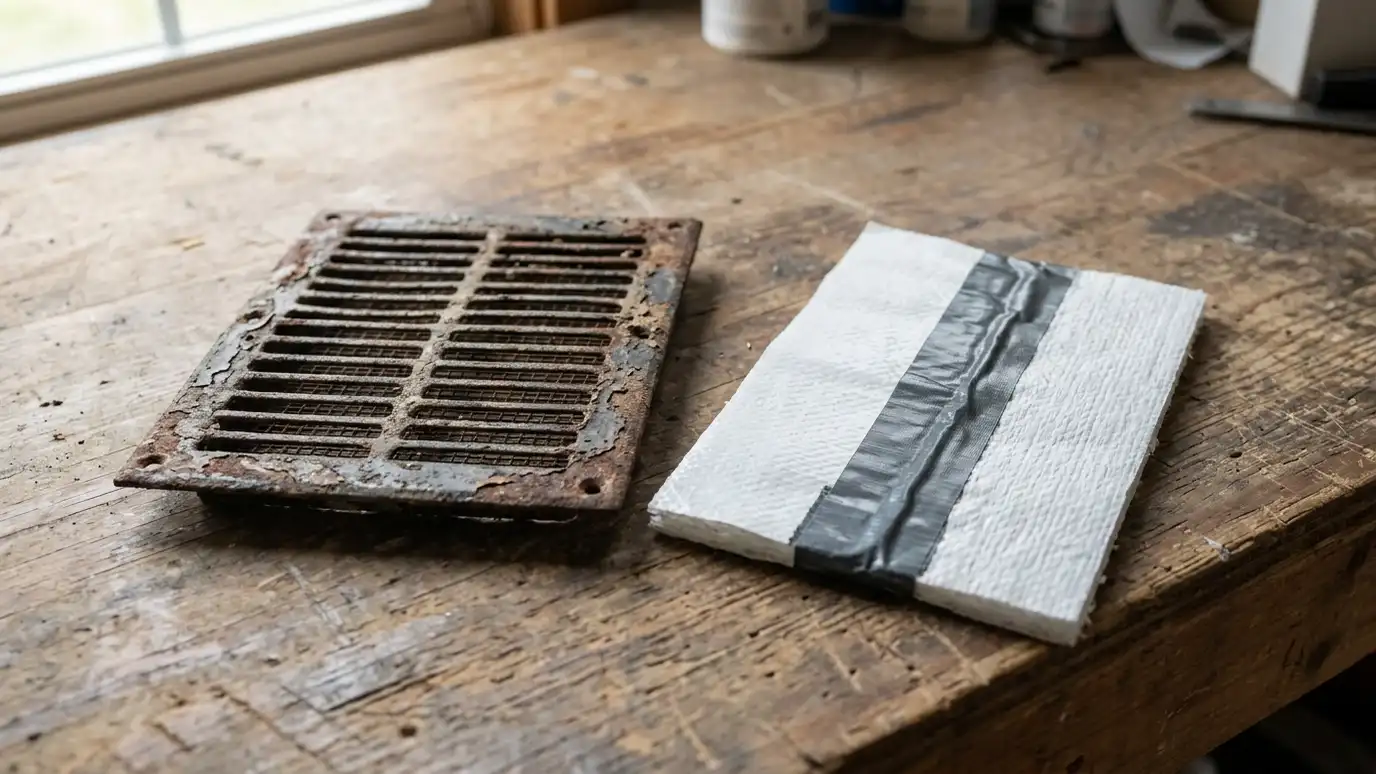
How a sealed, lined and dehumidified crawl space differs from a traditional vented one in moisture, energy use, pests, upkeep and code questions.
A vented crawl space relies on openings in the foundation to let outside air flow through. An encapsulated crawl space closes those openings, covers the ground and walls with a liner and controls humidity with equipment. Homeowners in Nashville, where summers are warm and humid, often learn that venting can bring in moist air that condenses on cooler surfaces, while a sealed space keeps that air out.
Neither approach is right for every house. Vented spaces can work where drainage is excellent, the soil is dry and gas appliances need open combustion air. Sealed spaces tend to do better where humidity, mold or cold floors are the issue. Cost, code and equipment all matter, so we compare both in writing, show you the numbers and explain the tradeoffs, including the option of doing a smaller, simpler fix first.
Openings allow outside air to flow through.
A liner and closed vents keep outside air out.
Sealed spaces use equipment to control it.
Warmer floors are often easier to reach.
Combustion air and local rules matter.
Sealing costs more up front than patching a vented space.
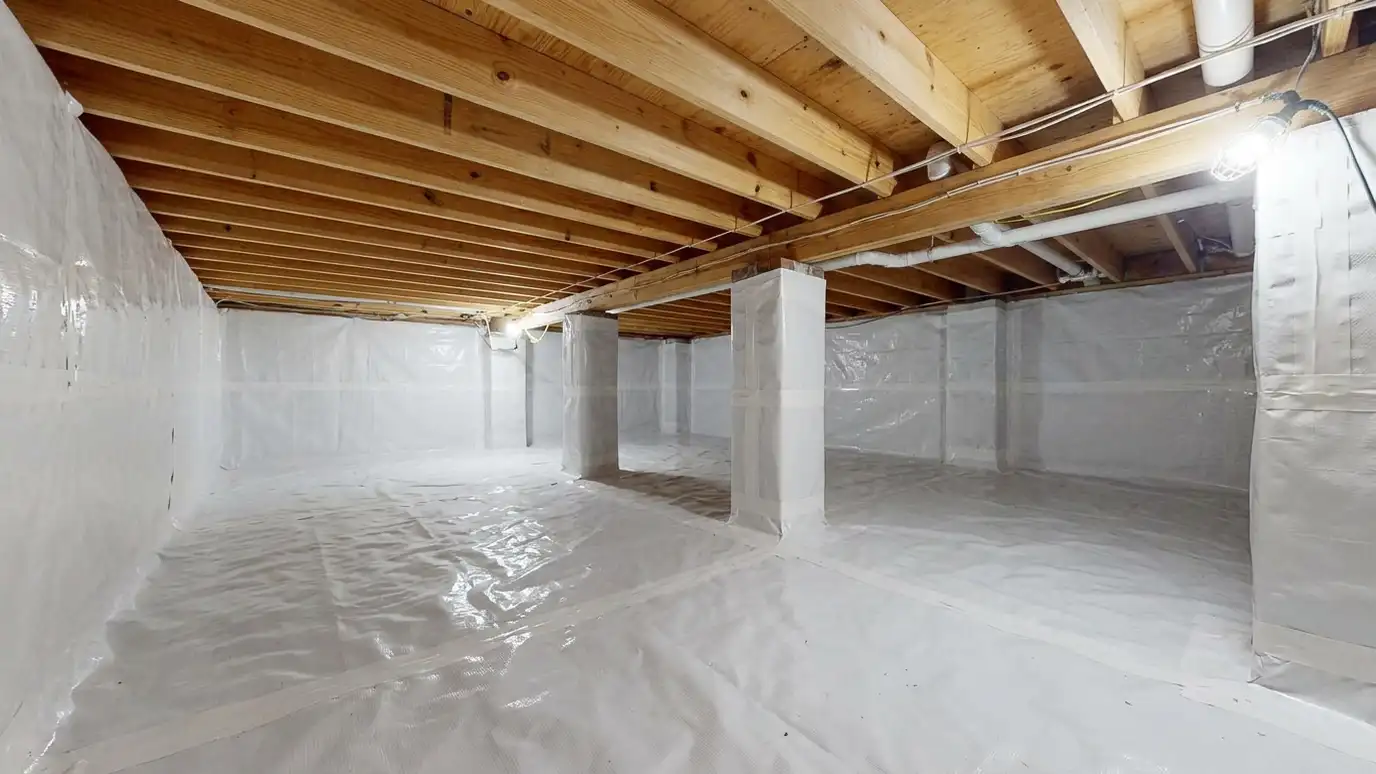 EncapsulationCrawl space encapsulation that seals the floor, walls and openings with a heavy-duty liner, insulation and humidity control…Explore
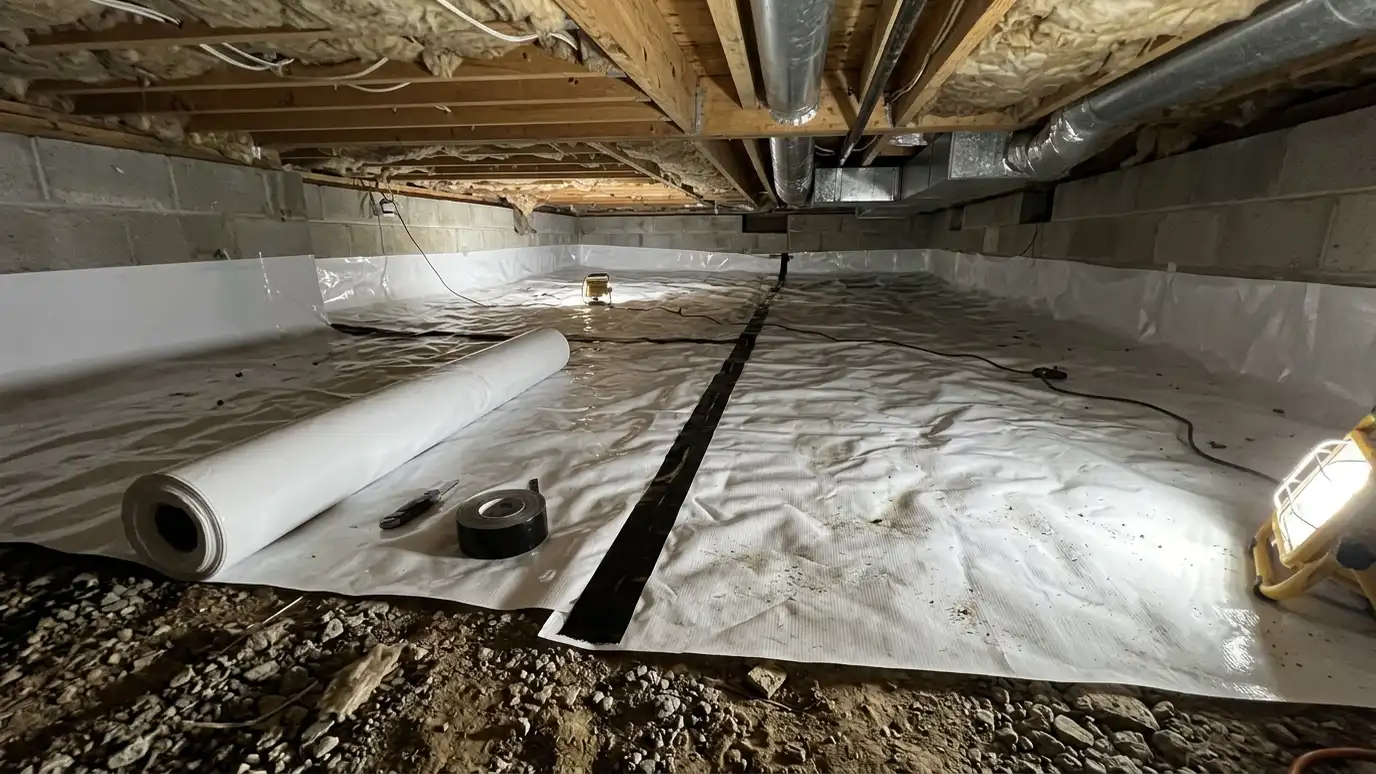 Vapor BarrierVapor barrier installation that covers a crawl space floor with durable reinforced sheeting, overlapped and taped, to block…Explore
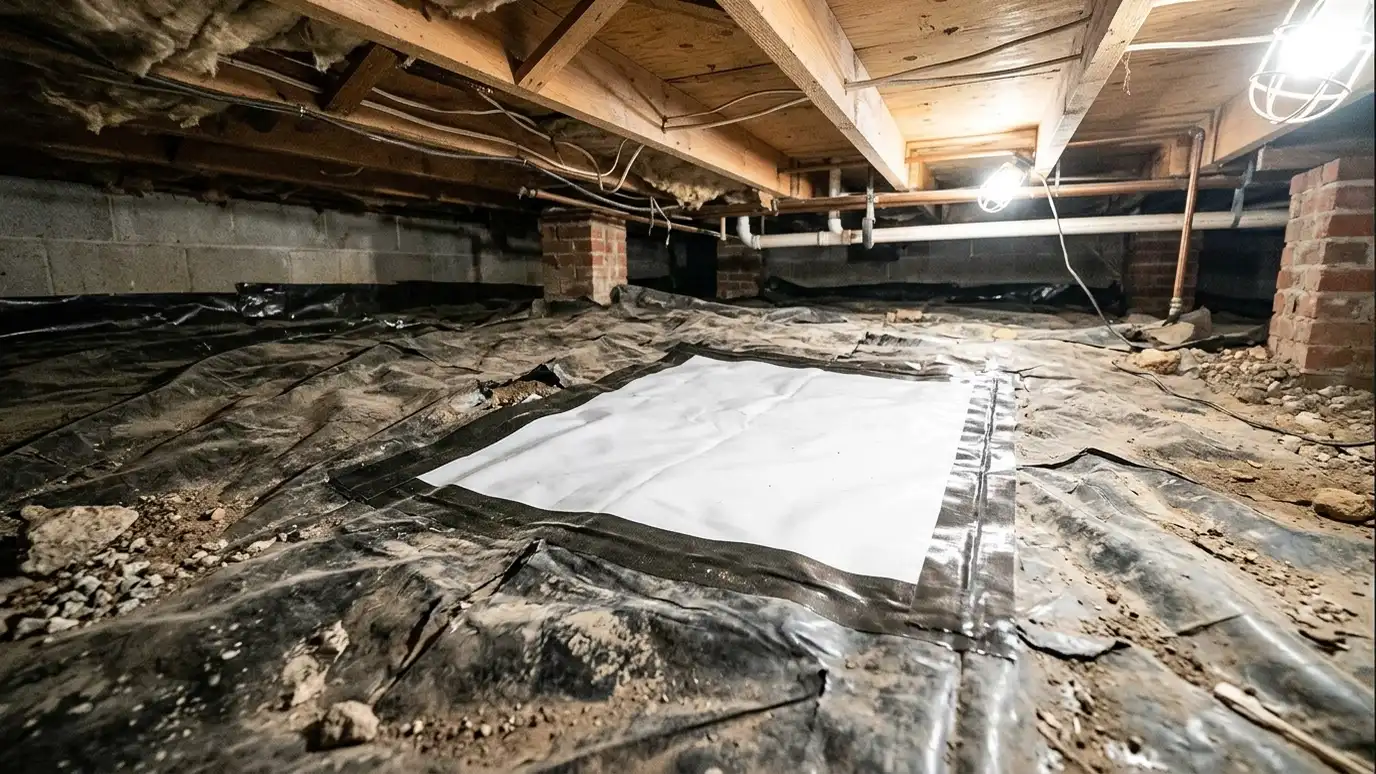 Barrier RepairVapor barrier repair and replacement that fixes tears, gaps and old plastic with new reinforced sheeting so your…Explore
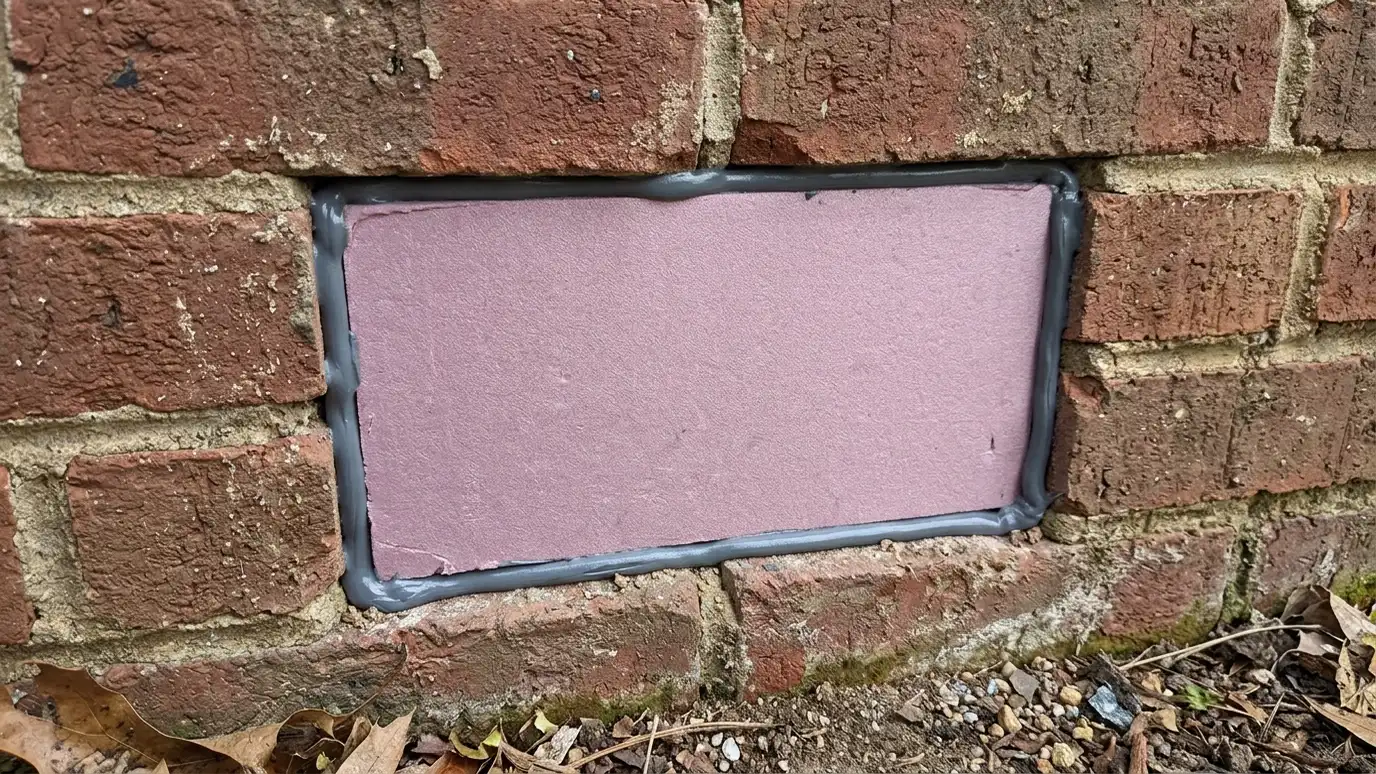 Vent SealingFoundation vent sealing that closes crawl space vents with rigid foam and sealant so humid outside air stops…Explore
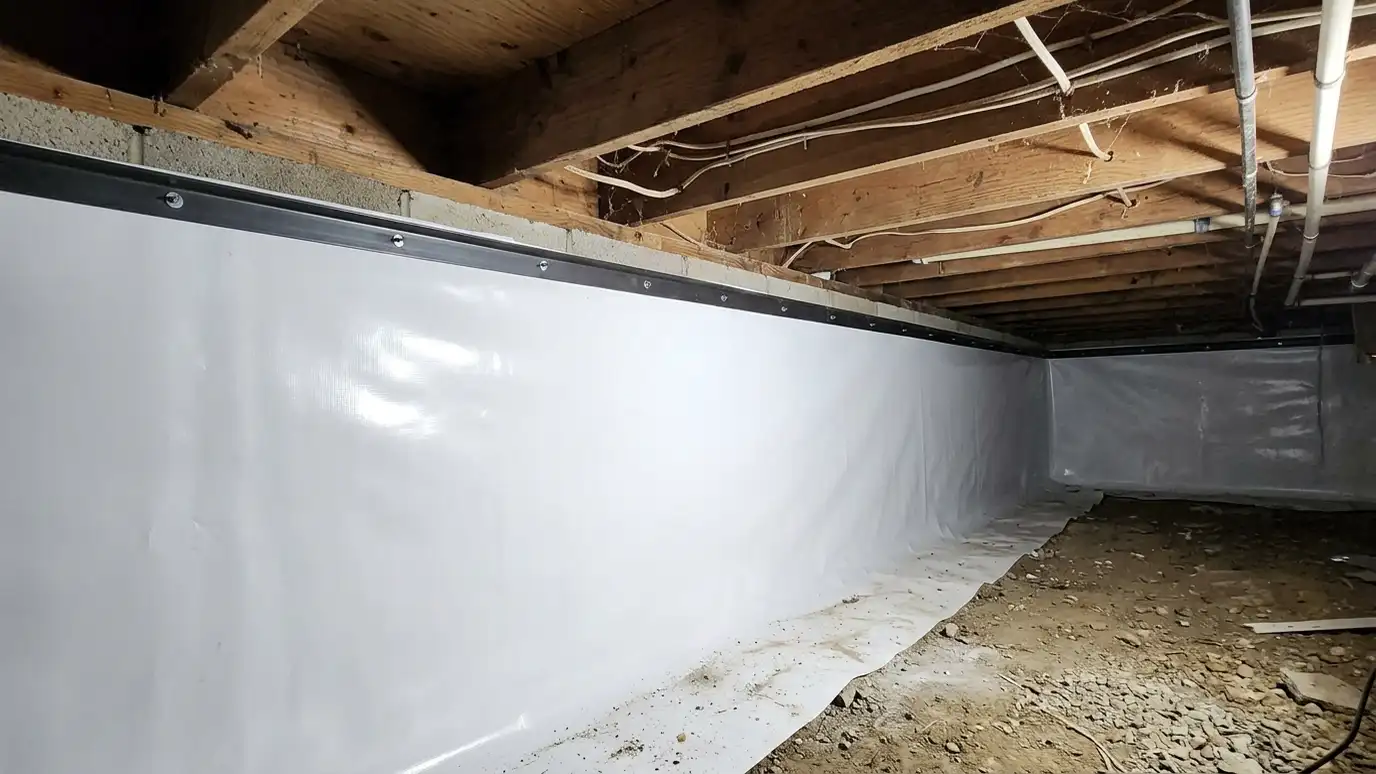 Wall LinerCrawl space wall liner installation that covers foundation walls with a clean, durable liner to block moisture seeping…Explore
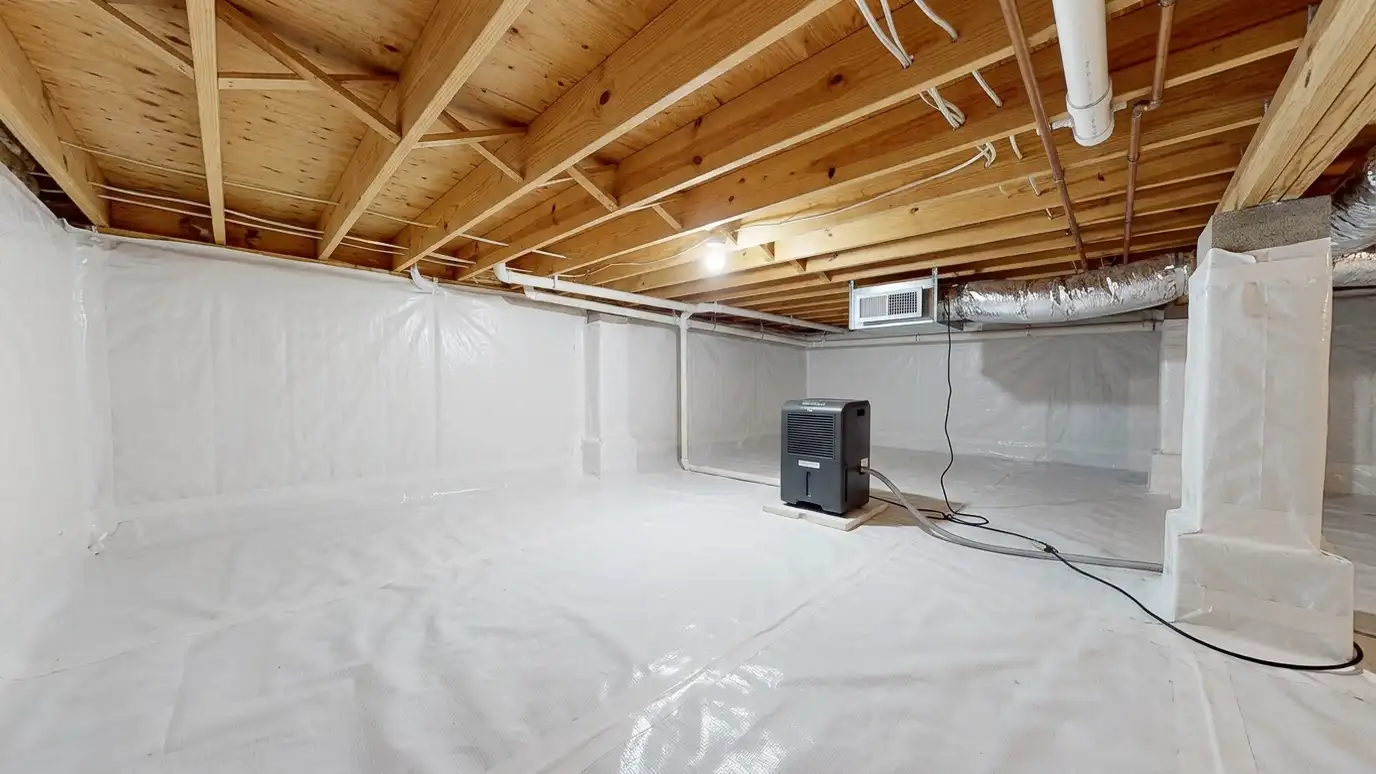 Conditioned Crawl SpaceConversion of a vented crawl space into a sealed, conditioned space with insulated walls, a liner and managed…Explore
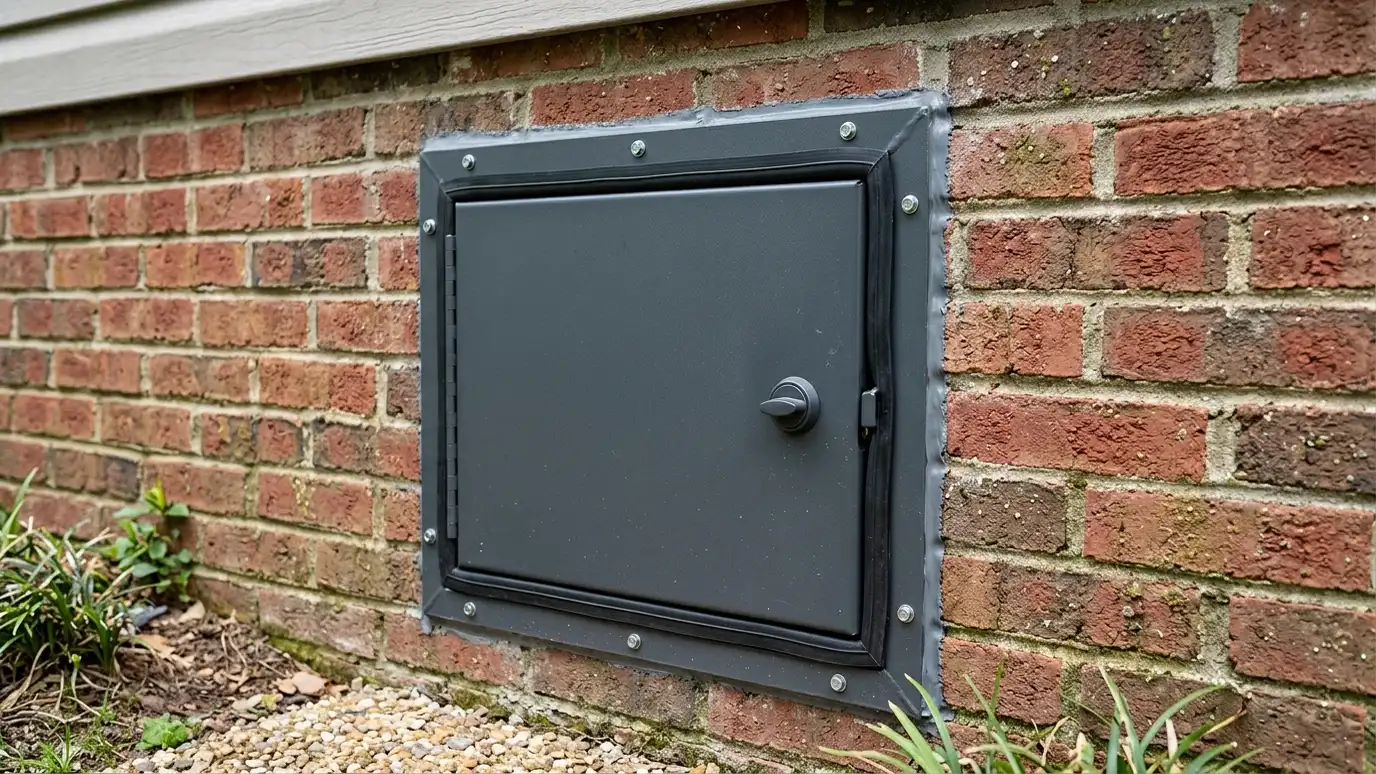 Door SealingAccess door and hatch sealing that fits a gasketed, insulated door or cover so air, moisture and pests…Explore
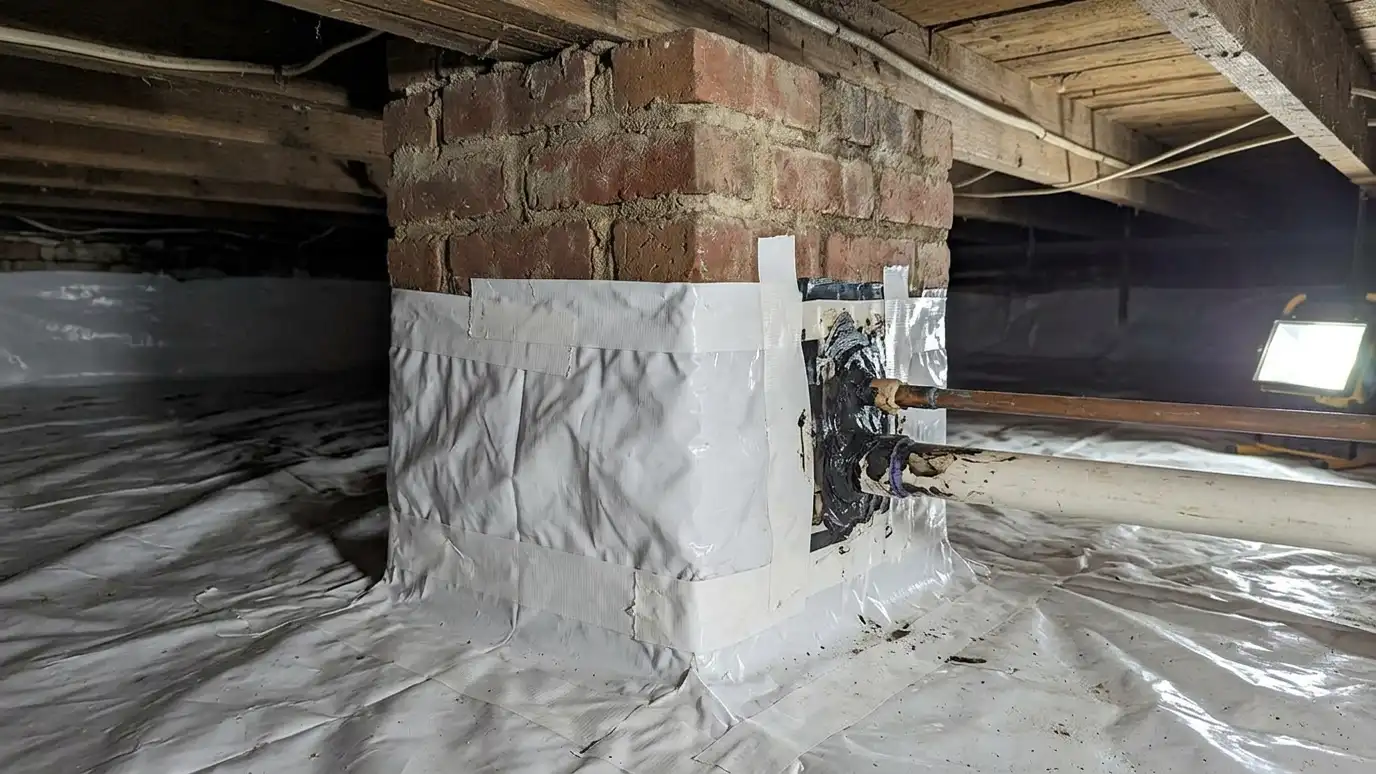 Penetration SealingPier, pipe and penetration sealing that wraps piers and seals pipe holes and wire gaps so air, moisture…Explore
Plan your layout, size equipment or ballpark a budget.
 Crawl Space Layout StudioSet your space, then turn on a liner, wall liner, interior drain, sump pit, dehumidifier, posts and insulation to see a top-down plan with quantities, then send the plan to us.Try it
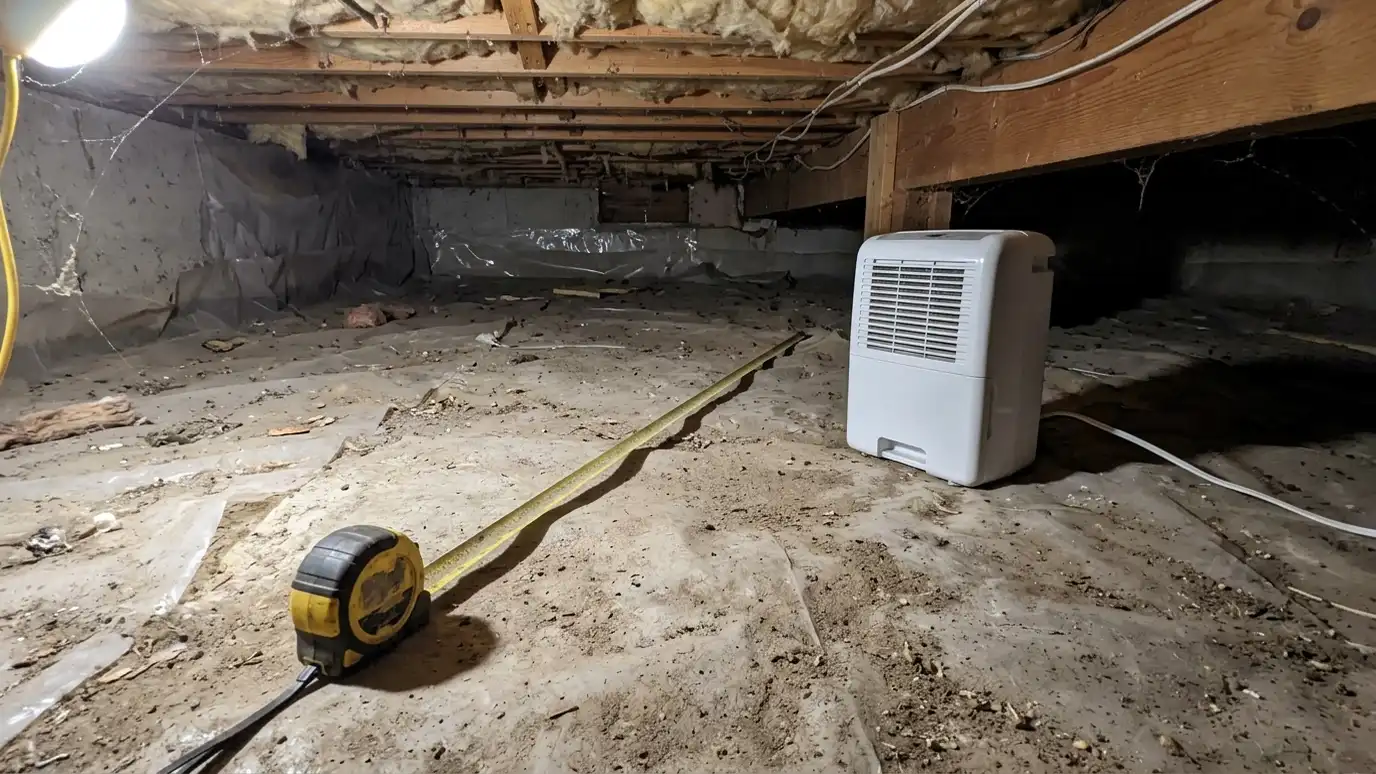 Dehumidifier and Sump Pump Sizing PickerPick your home type, set the floor area and tick conditions like standing water or humid summers to see the dehumidifier capacity and sump pump class that usually fit.Try it
 Crawl Space Project Budget PlannerPick encapsulation, a liner, a drain, a sump pump, a dehumidifier, insulation or repairs, set the size and add allowances like cleanout and battery backup to see a ballpark planning range. Placeholder values only.Try it
Not always, but in humid areas it often works well. We review drainage, soil and appliances first.
Usually some form of humidity control is needed, and we size it to the space.
Some conditions call for them. Local rules and appliances decide, and we explain what applies.
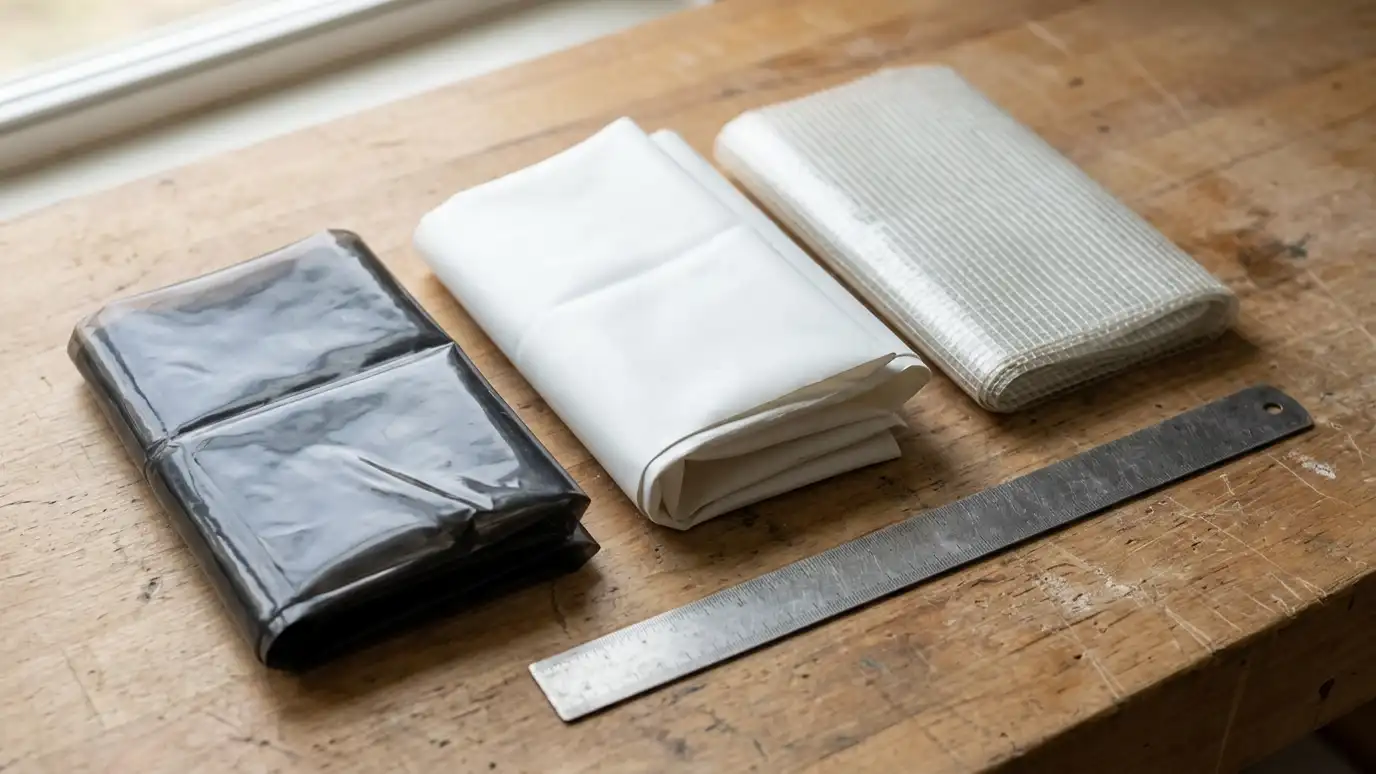 Comparison guideVapor Barrier TypesWhat mil thickness, reinforcement, color and seams mean when comparing crawl space liners, and how to match a…Learn more
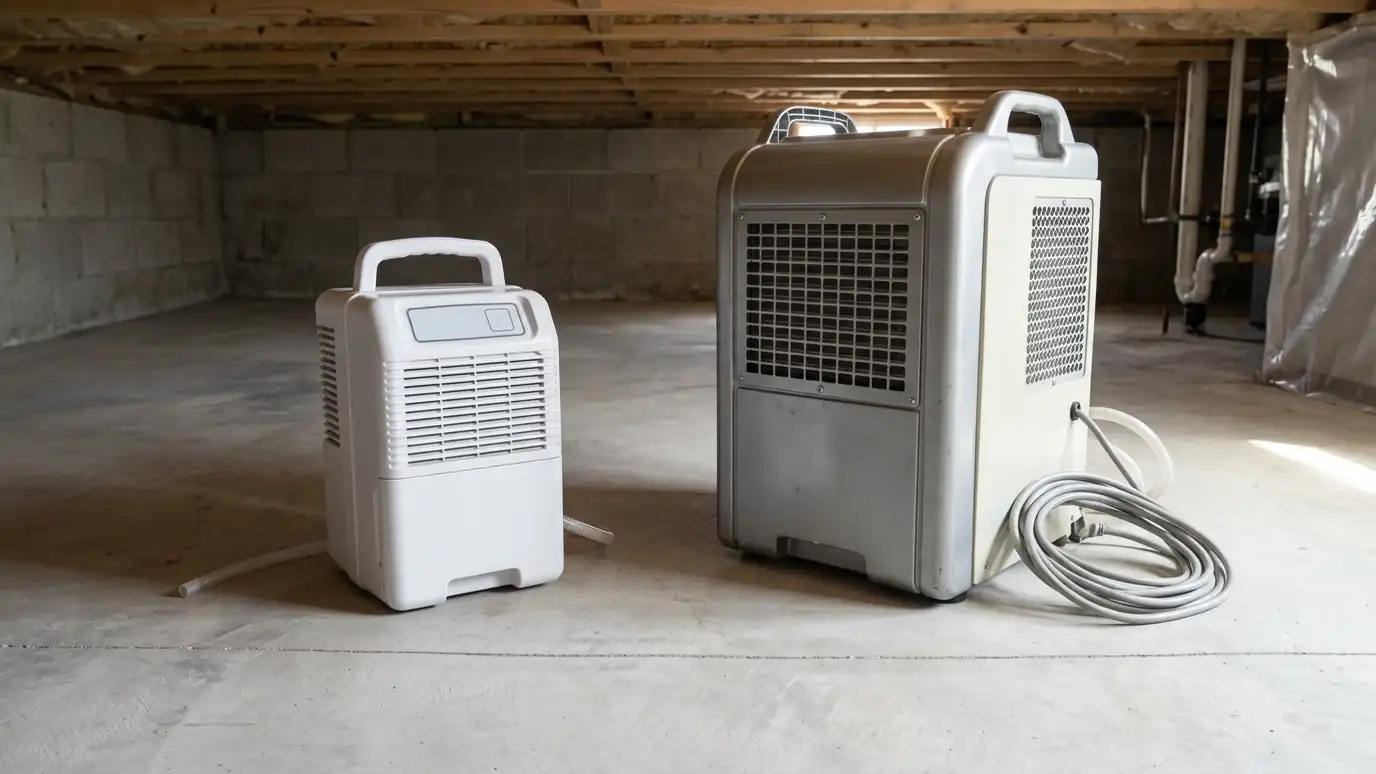 Comparison guideDehumidifier SizingHow crawl space dehumidifiers are rated, why volume and moisture load matter and how drains, controls and placement…Learn more
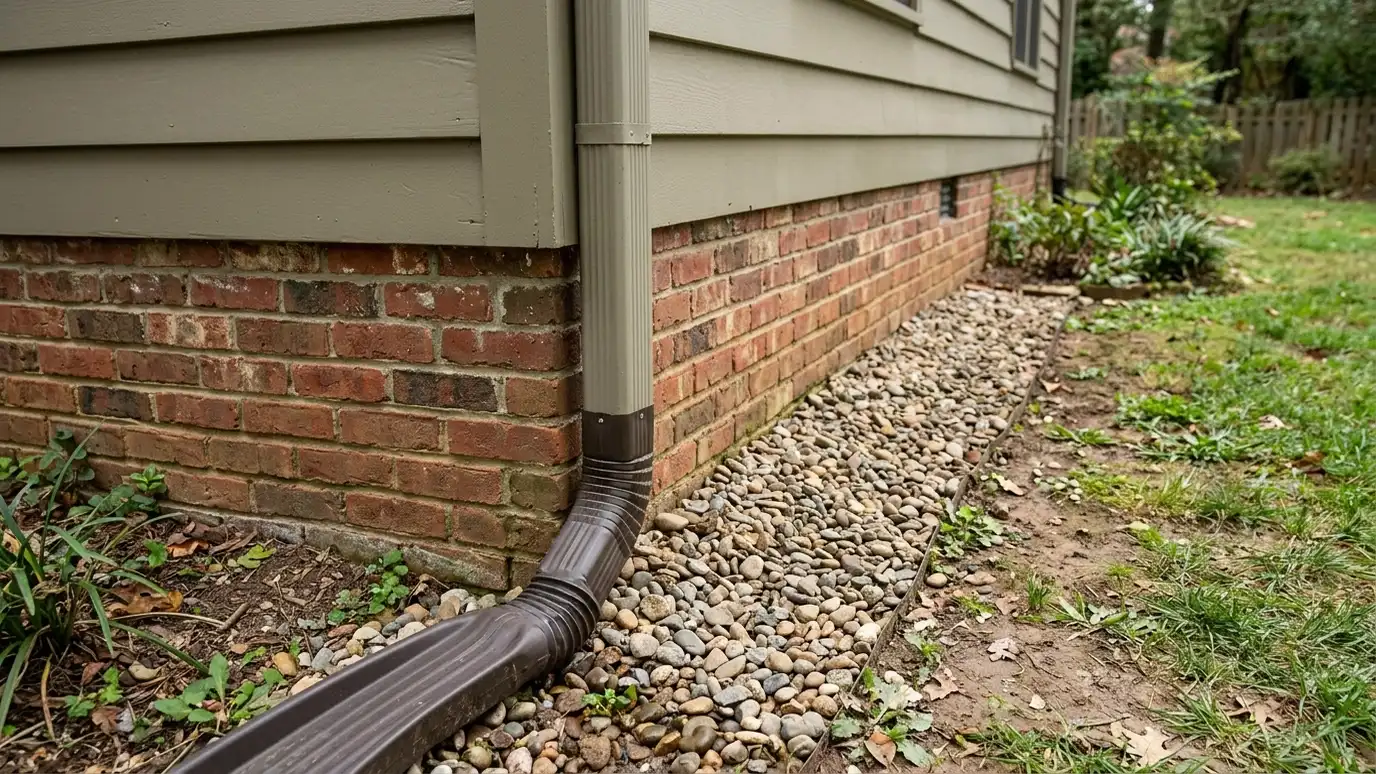 Comparison guideInterior vs Exterior DrainsHow interior drains, sump pumps, gutters, grading and exterior footing drains each handle water, where they work best…Learn more
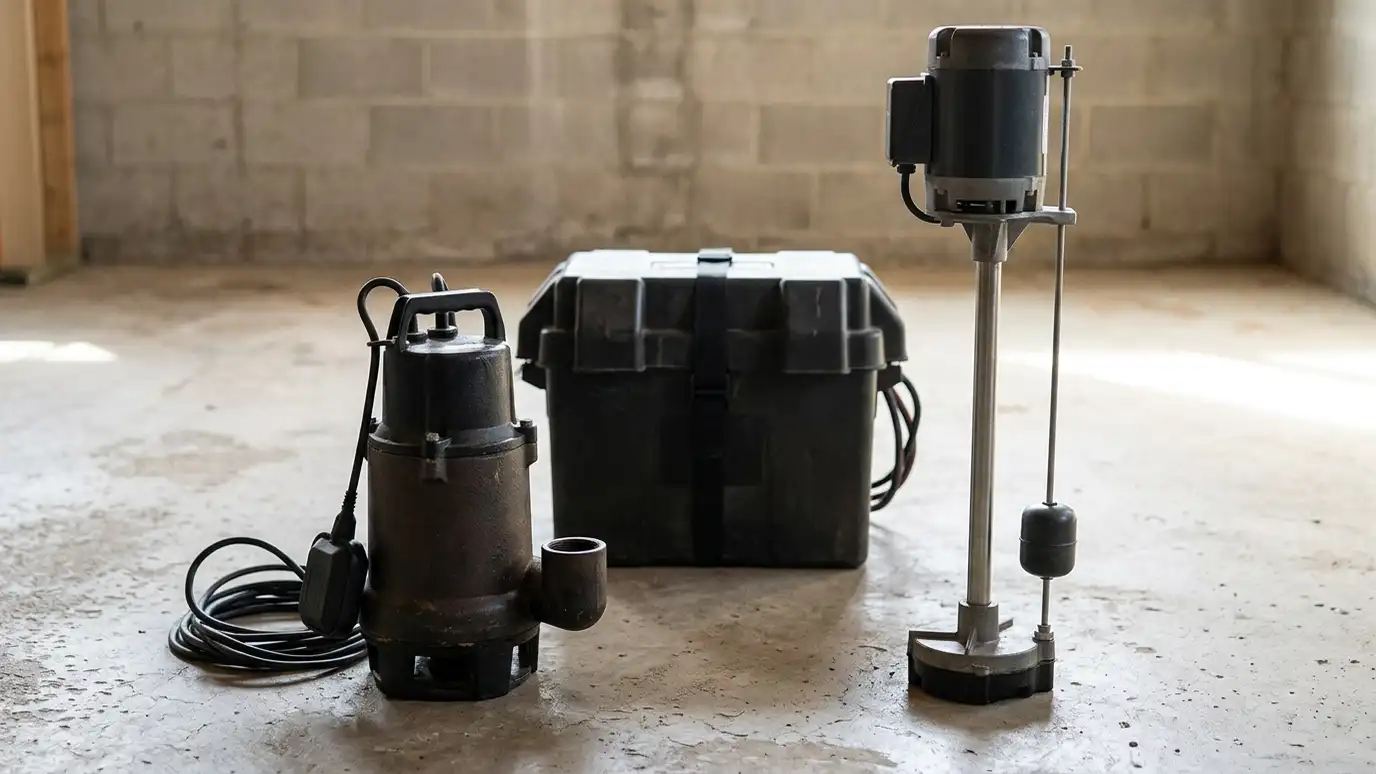 Comparison guideSump Pumps and BackupHow submersible and pedestal sump pumps differ, what switches, check valves and alarms do and when a battery…Learn more
Call us and describe what you notice. We will inspect, take readings and give you a clear written estimate.