Subfloor and joist mold cleaning that brushes, sands and HEPA vacuums affected wood so it is clean and dry before treatment, sealing and a liner.
Mold often appears first on the underside of the subfloor and on joists, where moisture rises and lands. Removing it from wood takes patience and the right tools. Homeowners in Nashville who find dark spots on joists after a wet year want to know whether the wood can be saved, and in most cases it can be cleaned.
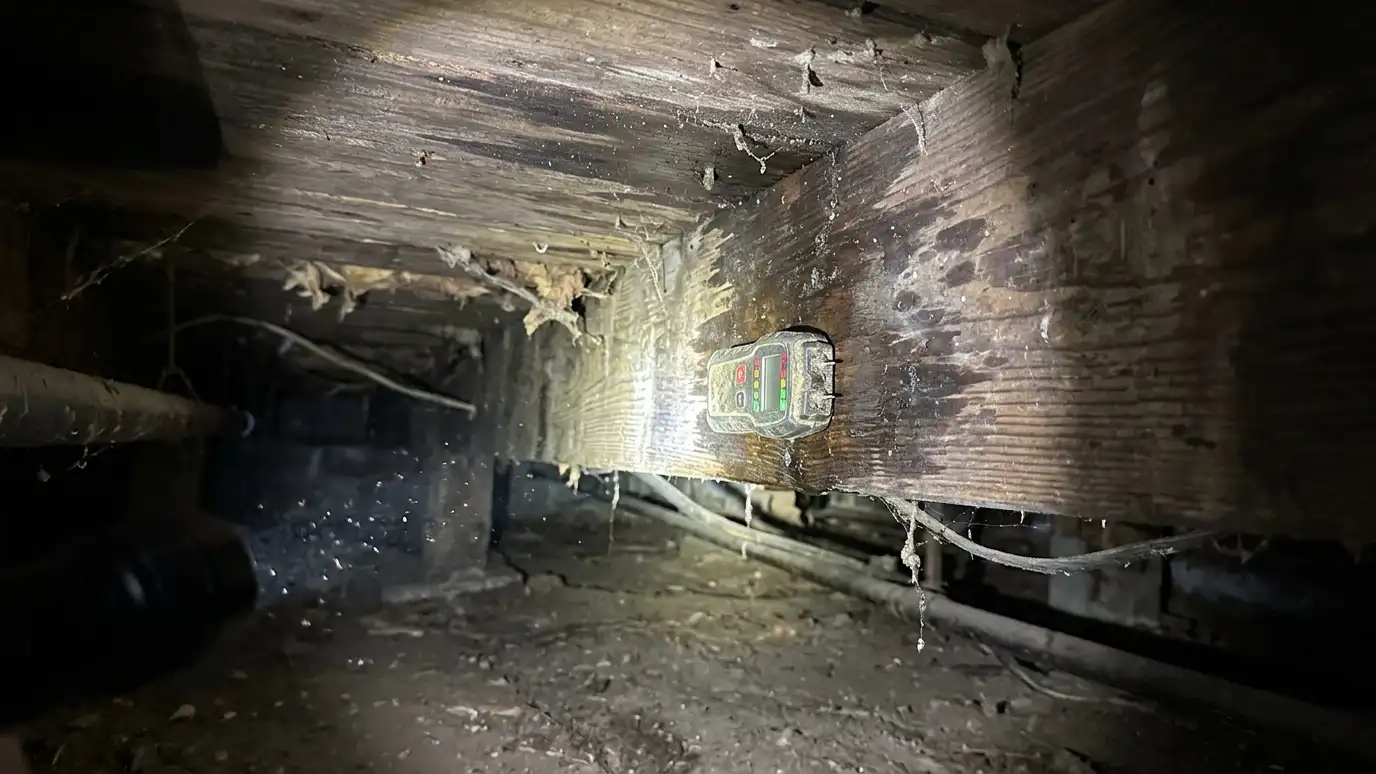
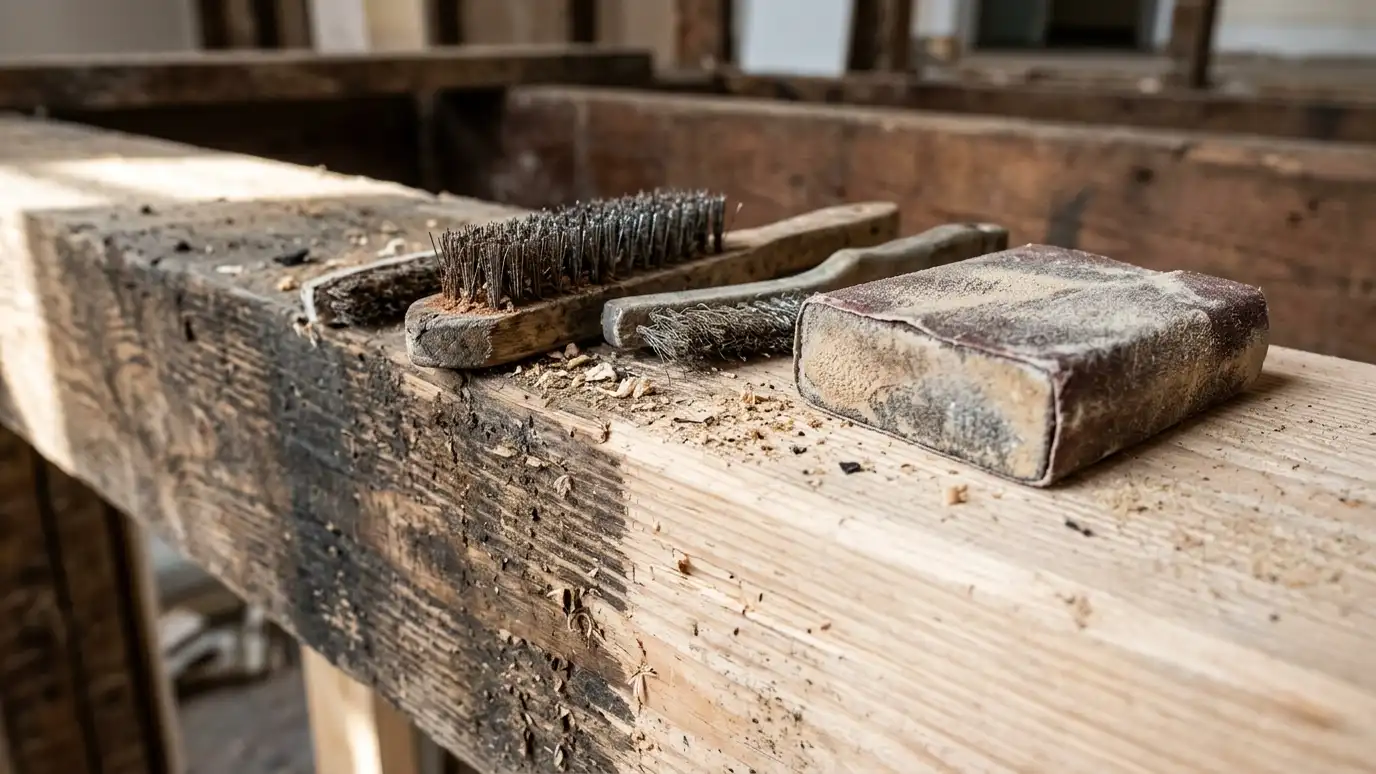
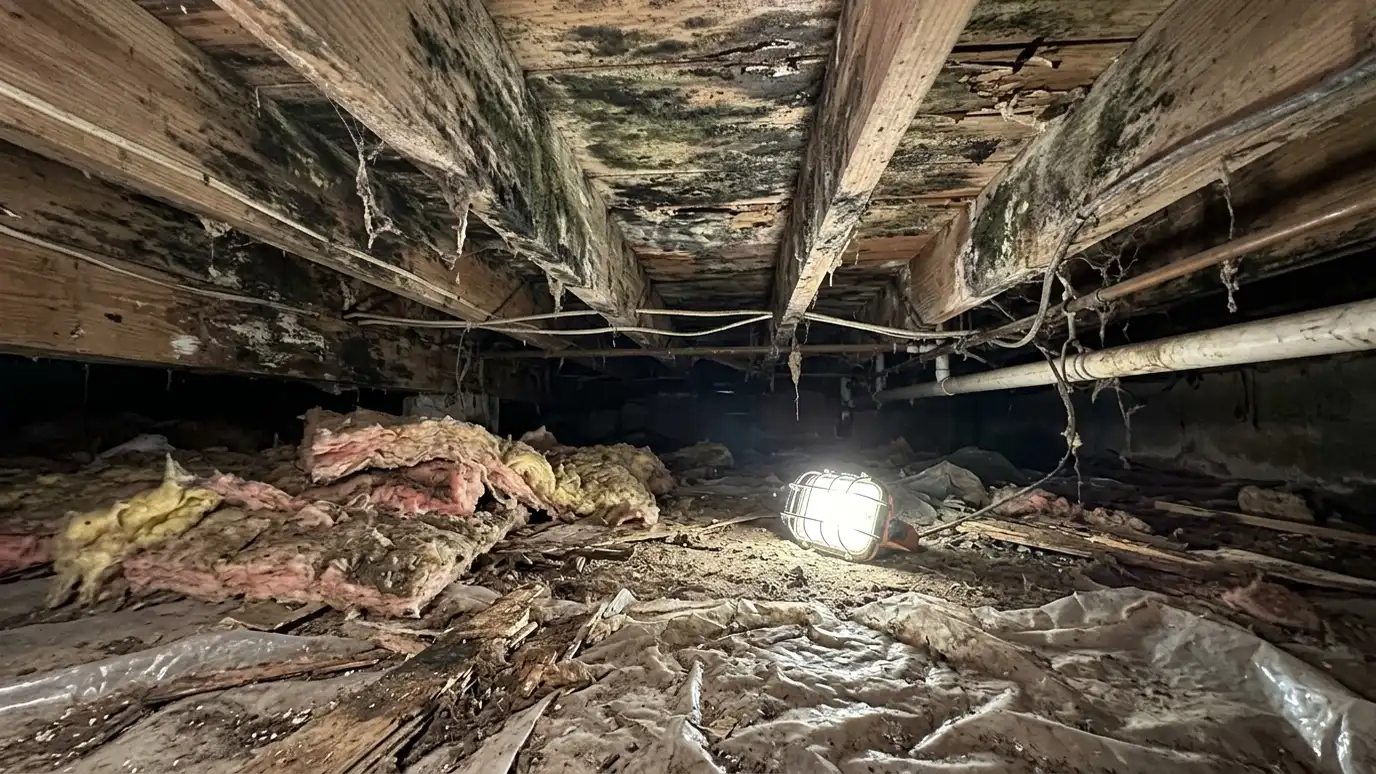
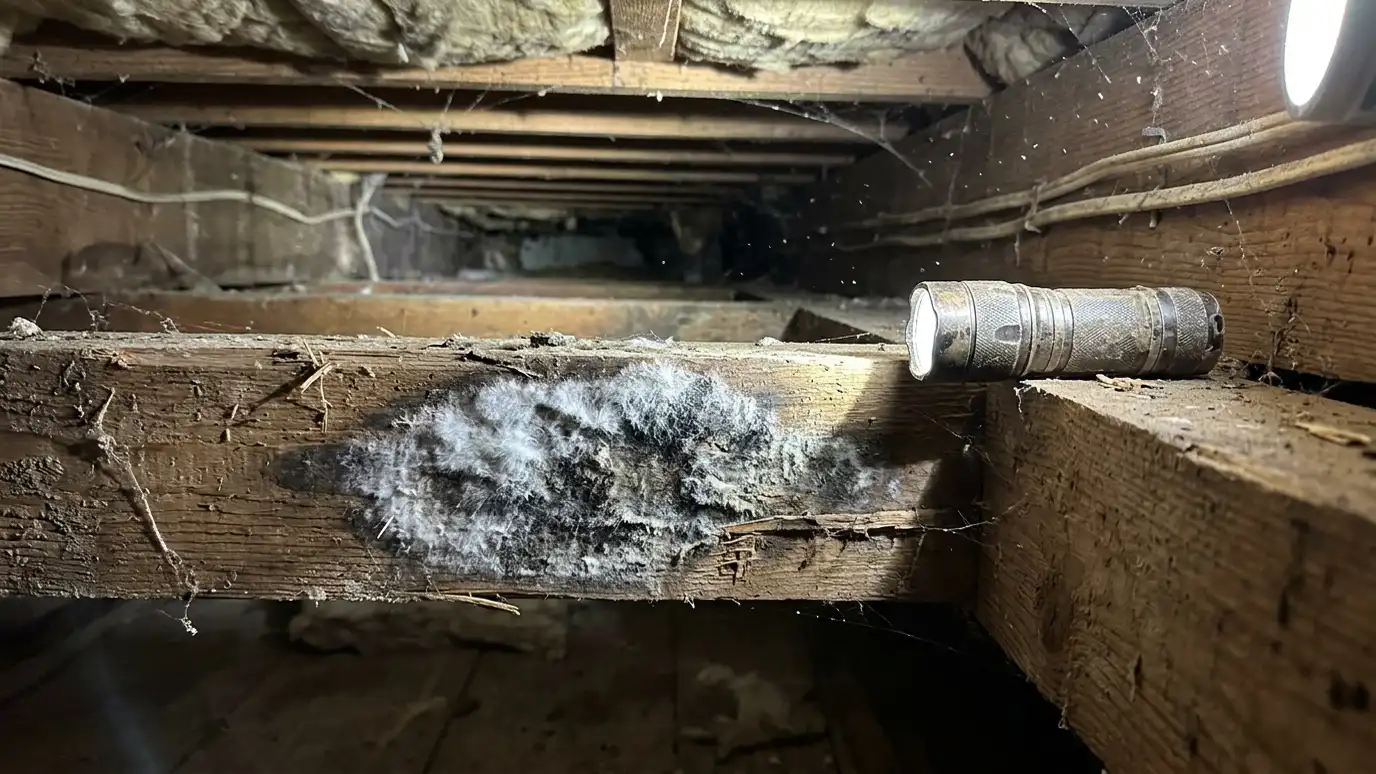
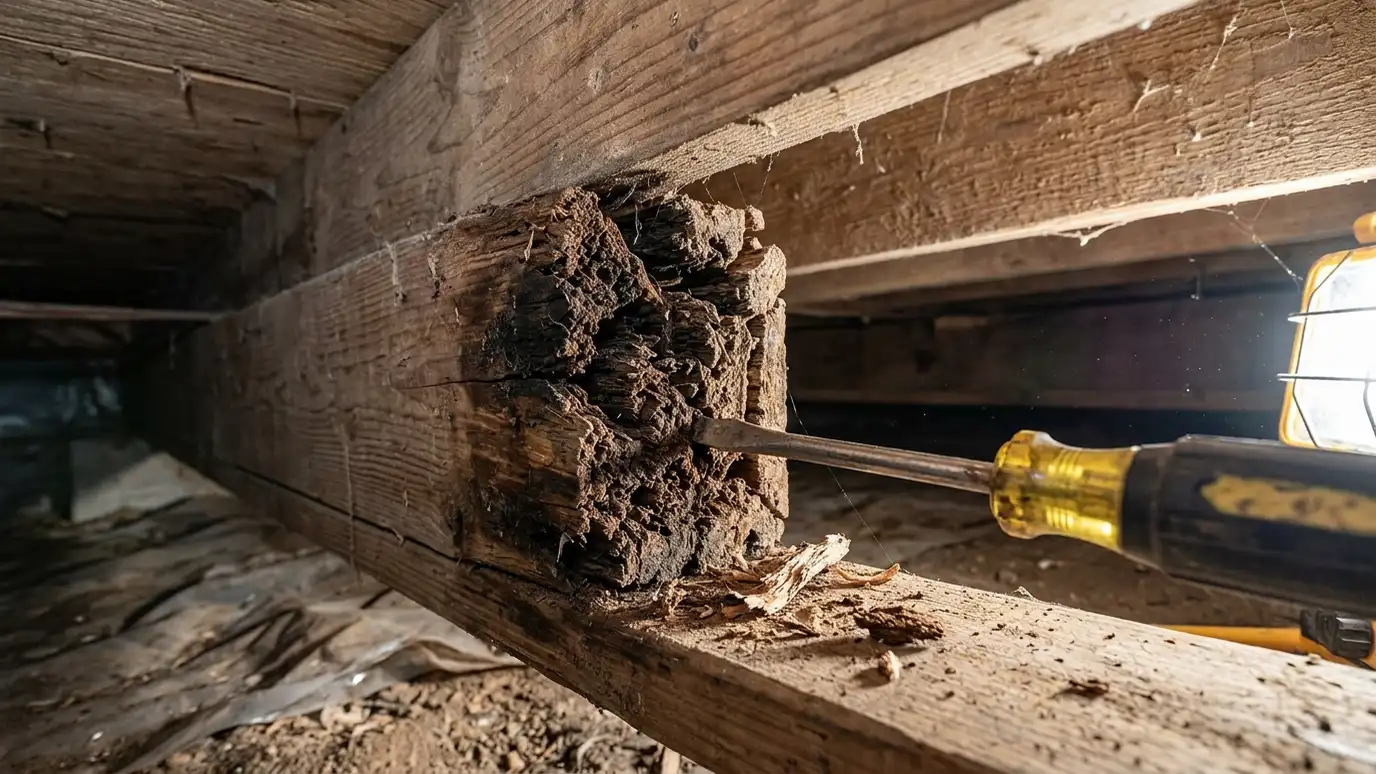
We contain the work area, wear protective gear and use wire brushes, sanding tools and HEPA vacuums to remove growth from the surface of the wood. We keep moisture readings, since cleaning wet wood only spreads problems, and dry it first when needed. Deeper staining may remain, and we explain that stains and active growth are different. Wood that has lost strength is repaired rather than cleaned. After cleaning we apply treatments, seal the space and add humidity control so growth does not return. Photograph any stained areas you can see from the access and note the rooms above them. Matching stains below with rooms above helps us find the water source and confirm that the problem has been solved, not just cleaned.
Wet wood is dried before cleaning, so we do not push growth deeper.
Brushing, sanding and HEPA vacuuming remove growth from the wood surface and collect fine particles.
We explain which marks are stains that may remain and which are active growth that must be removed.
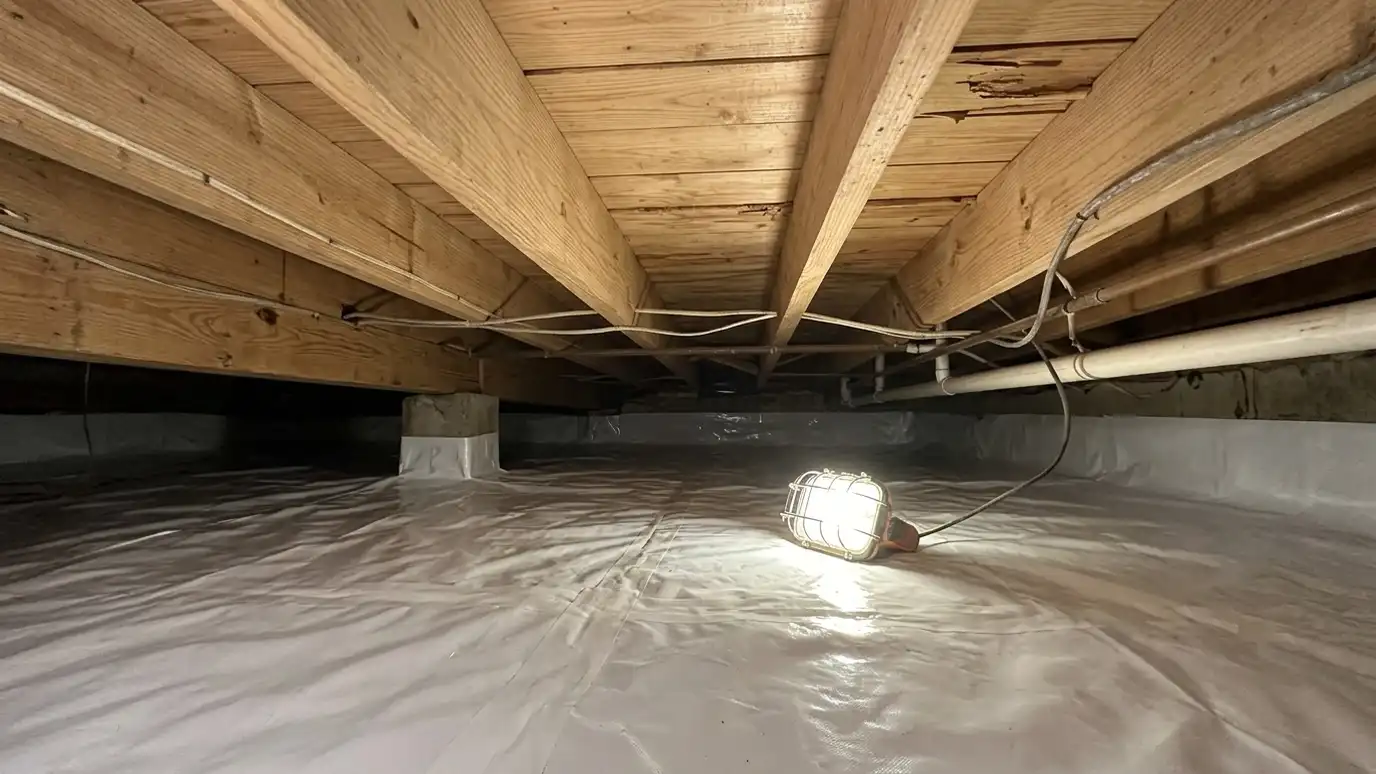
Cleaned wood is treated, and drainage, liners and humidity control protect it afterward.
Drag the handle to compare.
 BeforeAfter
Cleaning is not done on wet wood.
Surface growth removed.
Fine particles collected.
What may remain and why.
Weak wood repaired, not just cleaned.
Prevent a repeat.
Every topic has its own page with what to expect and how we approach it.
 Comparison guideMold Causes and CleanupWhy mold grows under houses, how moisture, wood and time combine, what safe cleanup involves and how to…Learn more
 Comparison guideRot and Damage SignsHow to recognize rotted wood, sagging framing, failing piers and other crawl space structural damage by sight, touch…Learn more
 ResourceEPA Mold ResourcesA U.S. Environmental Protection Agency resource on mold and moisture in homes, including how to prevent growth and…Learn more
Pick a concern, such as a musty smell, standing water, sagging floors, pests, mold or cold floors, to get likely causes, what to do first and the service page that fits.
You tell us what you notice, from smells and cold floors to water and sagging, and we ask about the home and past work.
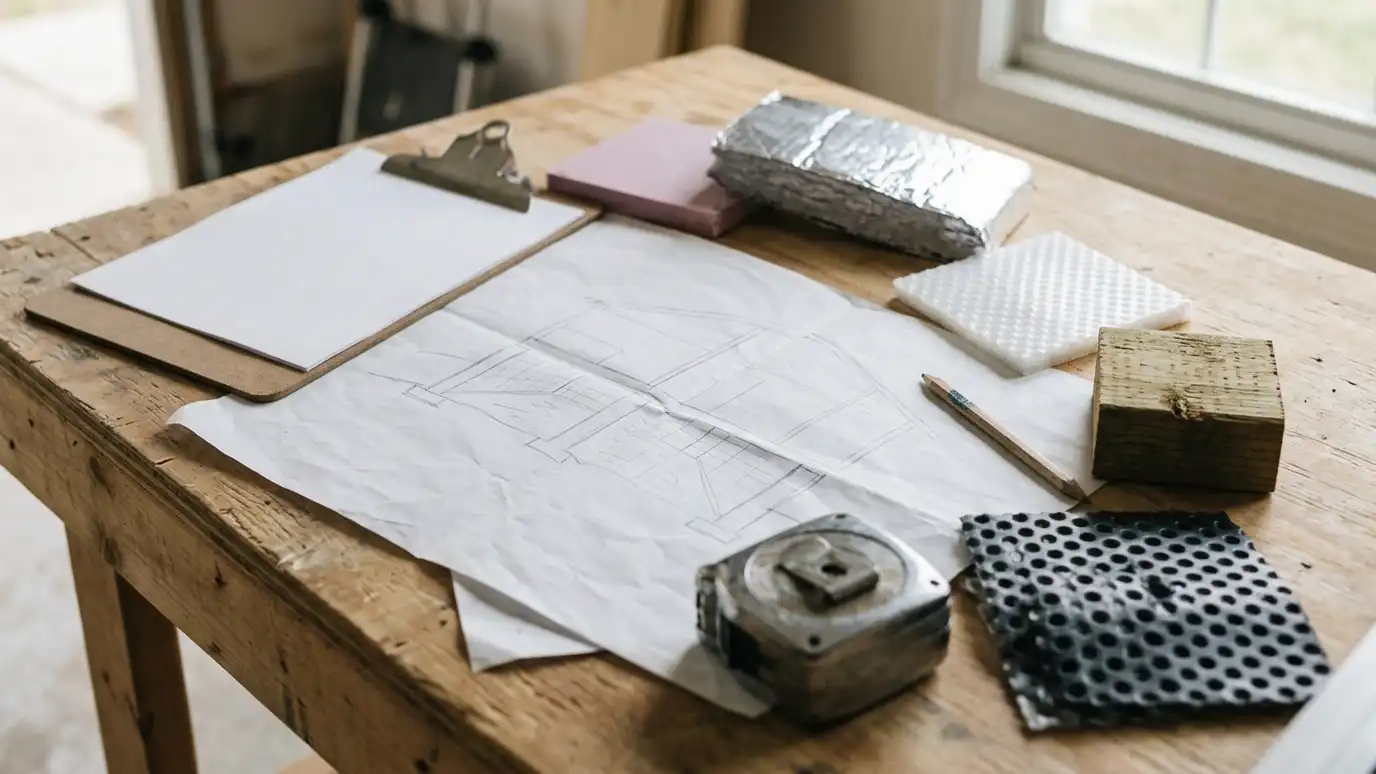
We enter the space, take moisture readings and photos, measure it and look at drainage outside.
You get a plain written scope with priorities, materials, schedule and options before anything is ordered.
We clear debris, repair structure and install drainage, then dry the space to safe moisture levels.
A liner, sealed vents, insulation and a dehumidifier go in, with seams taped and checked.
We walk the finished space with you, leave a care guide and photos and set a first checkup.
In most cases yes, when wood is solid. Soft wood needs repair.
Some staining may remain after growth is gone. We explain the difference.
Only if it is damaged beyond cleaning.
We control dust with containment and HEPA vacuums.
Often one to three days, depending on the area.
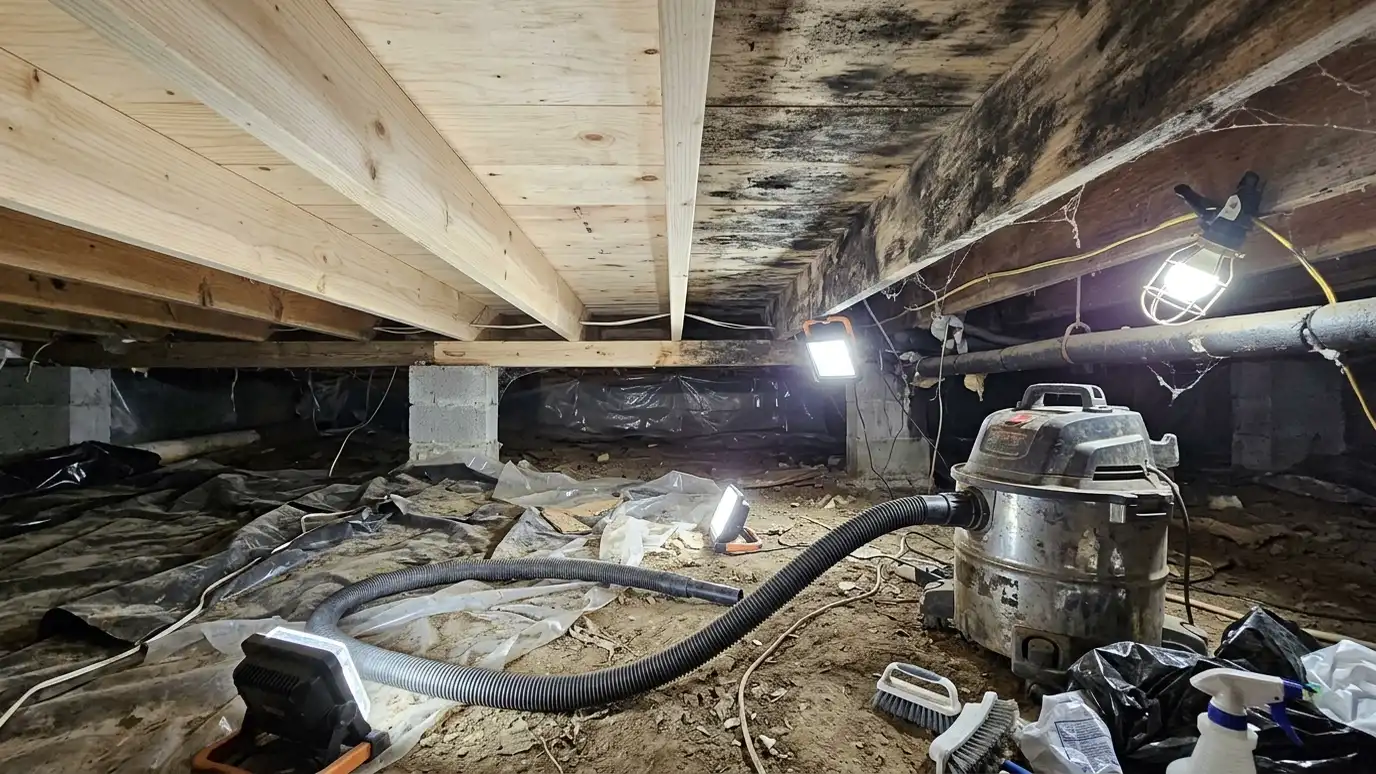 Mold RemediationCrawl space mold remediation that contains the work area, removes growth from wood, cleans and dries the space…Explore
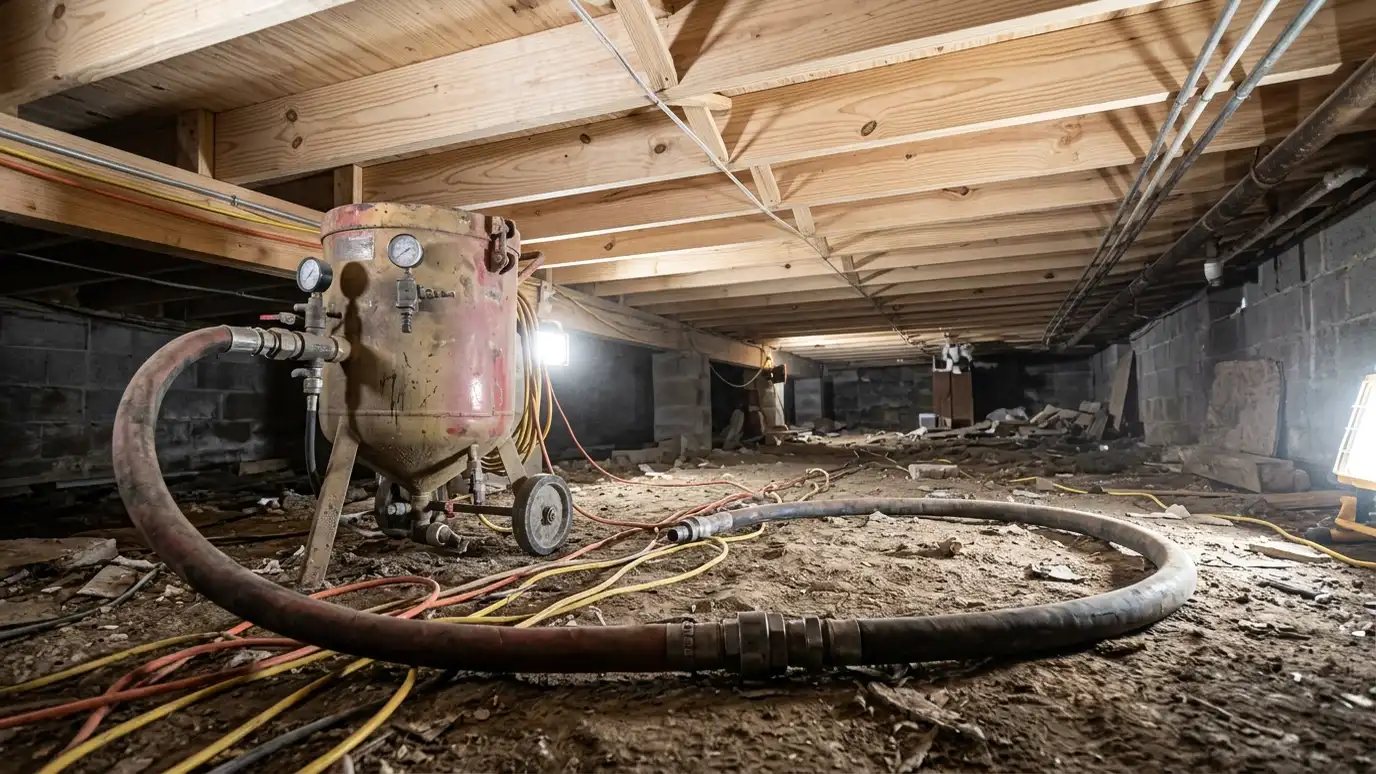 Blasting CleaningSoda blasting and dry ice cleaning that remove mold, stains and soot from crawl space joists and subfloor…Explore
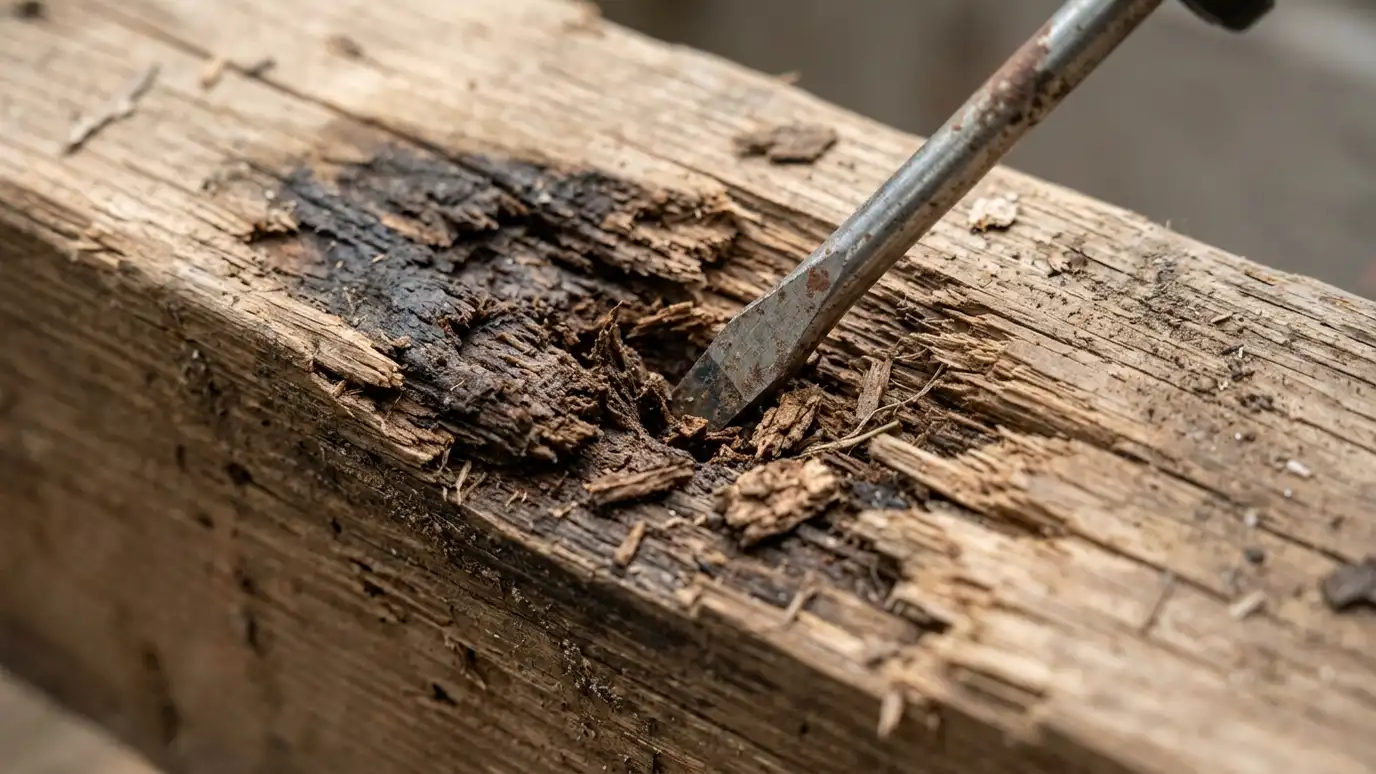 Wood Rot TreatmentWood rot assessment and treatment that finds soft, decayed joists, sill plates and subfloor, stops the moisture and…Explore
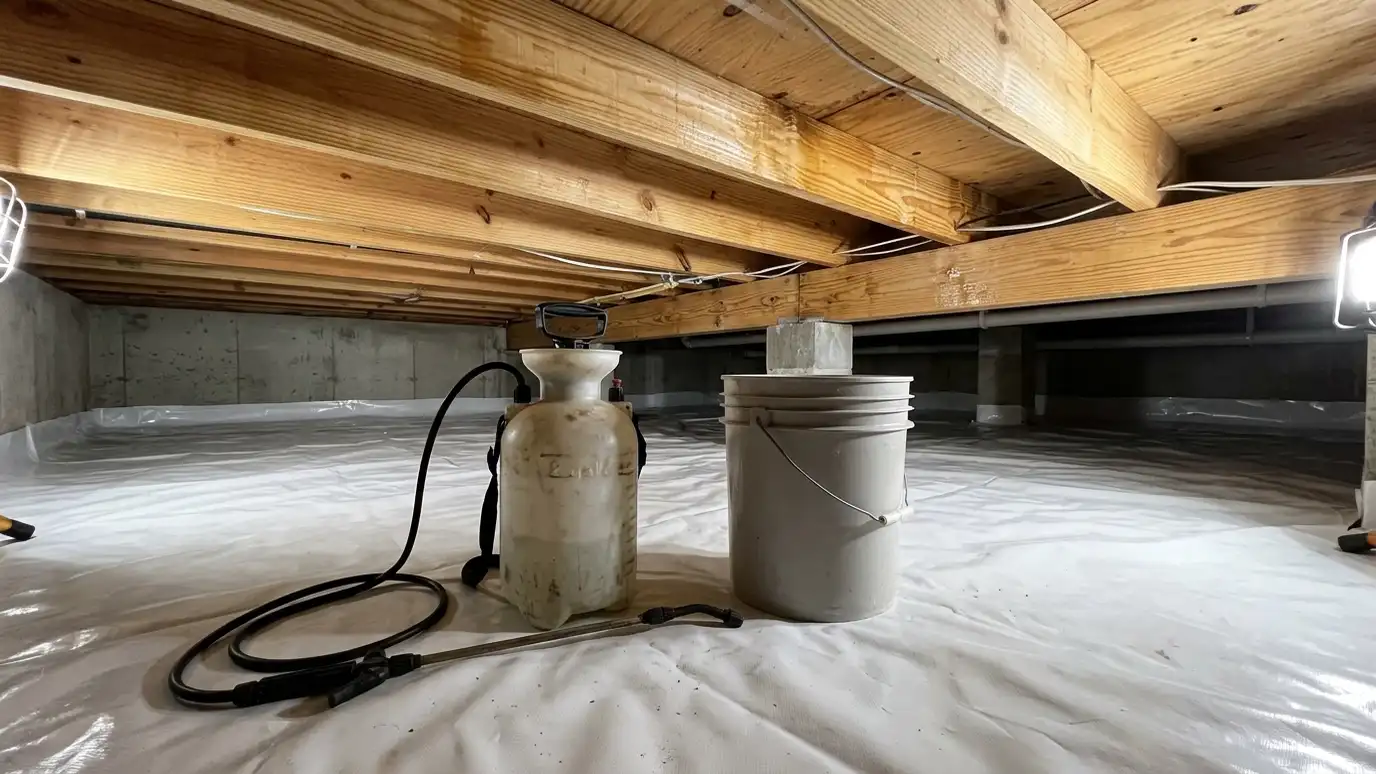 Mold PreventionMold prevention treatments that pair moisture control with protective coatings and cleaning so crawl space wood stays clean…Explore
Tell us about your space and we will call you back to set up a visit.
Or call (615) 357-7797 to talk now.