Where the water comes from
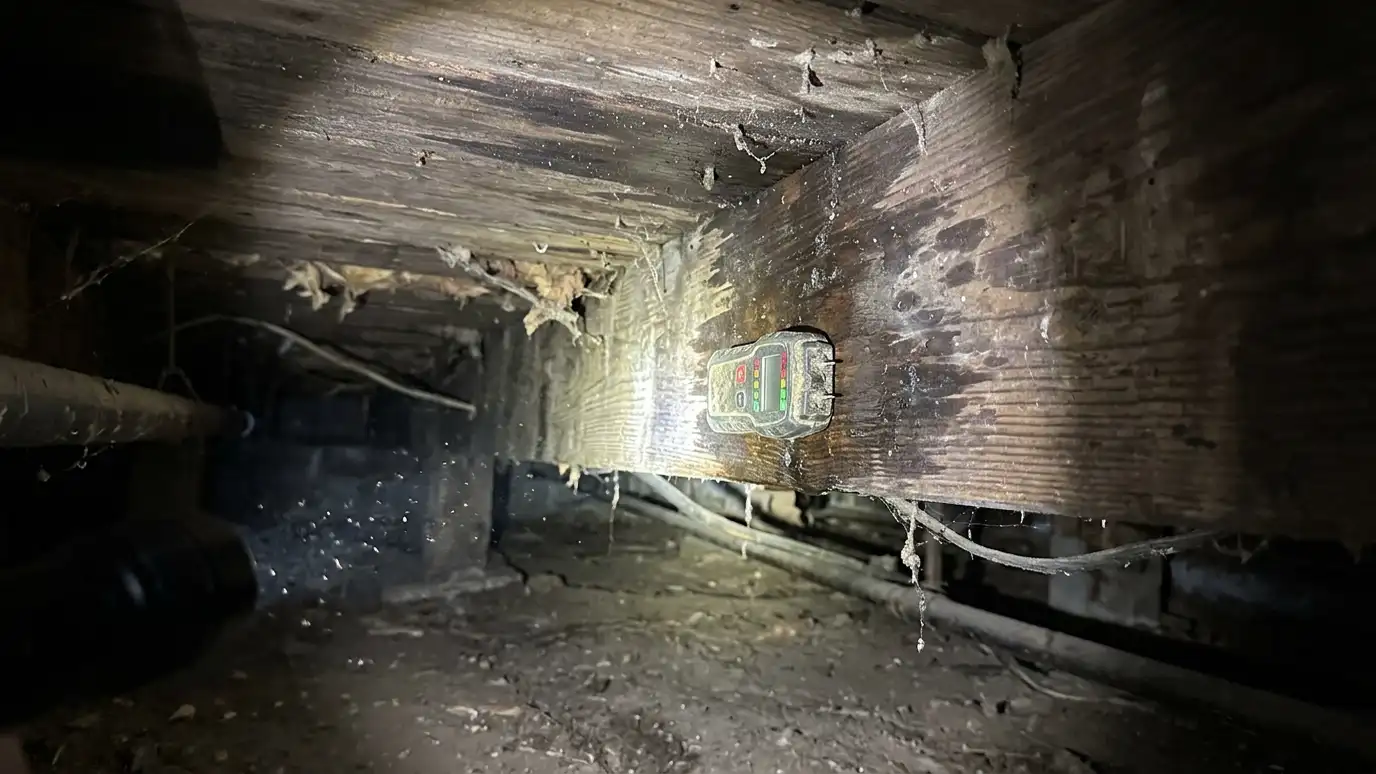
Roof water, sloping yards, hillsides, clay soil and rising groundwater all send water to a foundation. Leaks add to it.
Matching a wet spot to its cause is the first step.
We walk the outside as well as the inside.
Gutters and downspouts
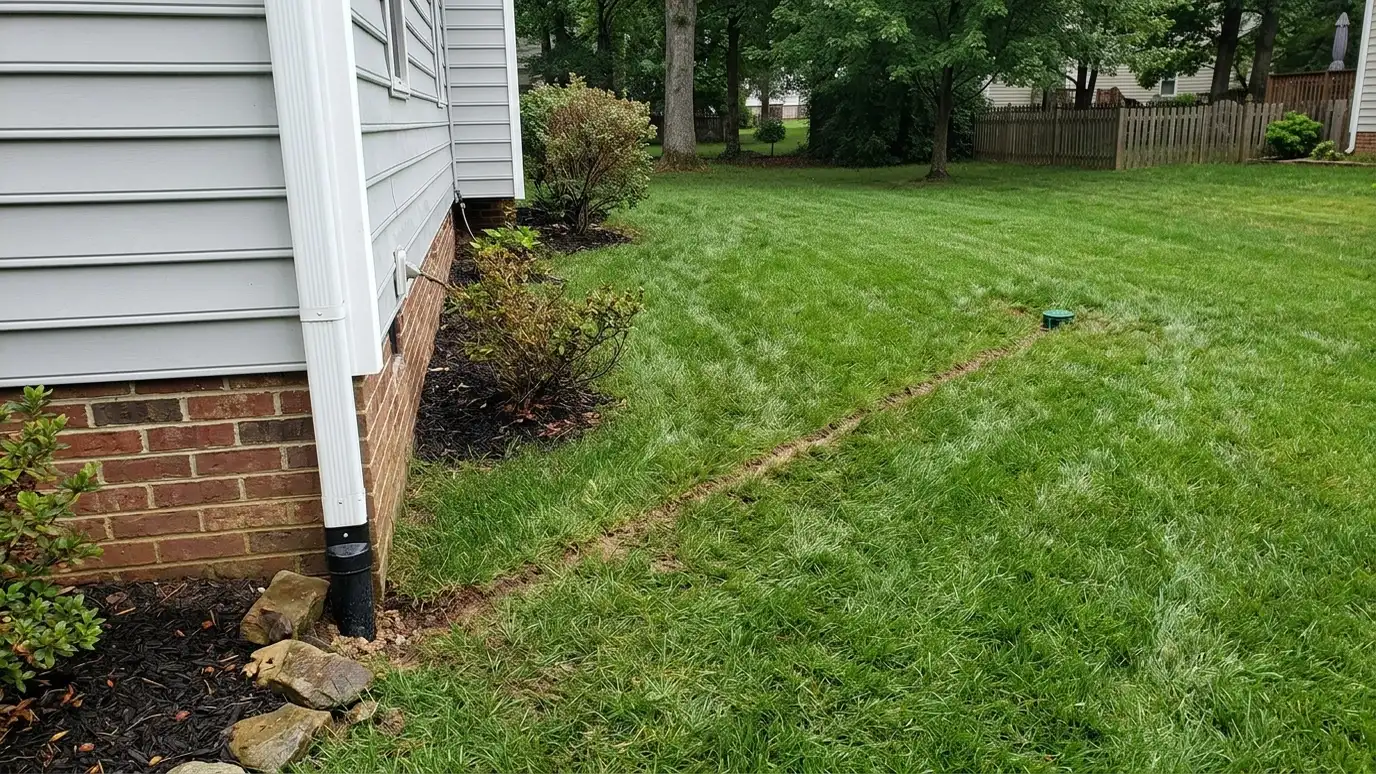
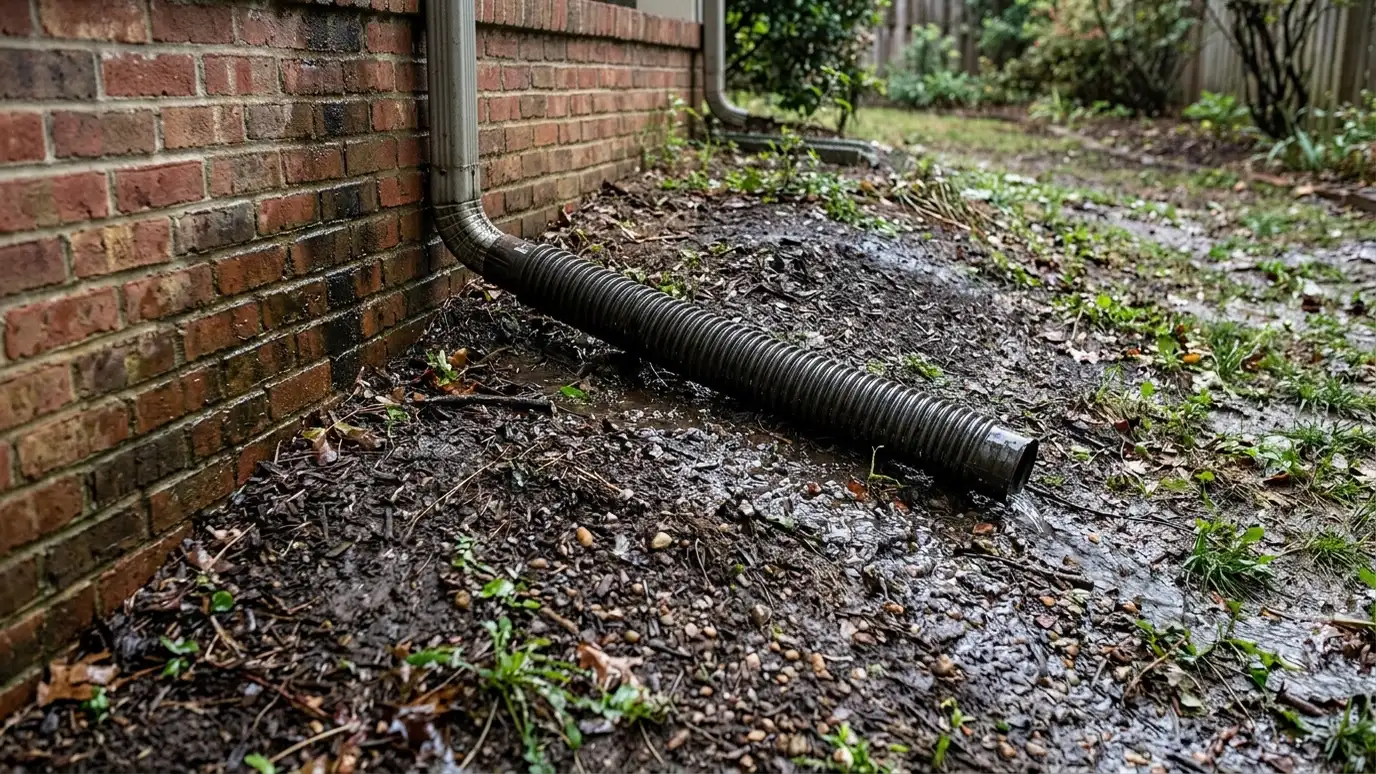
Roof water is often the biggest source. Clean gutters, long downspout extensions and buried lines carry it well away from walls.
Splash blocks in hollows make things worse.
This is the most economical fix.
Grading and surface drainage
Soil should slope away from the foundation. Swales and surface drains handle low spots and runoff.
Flower beds that hold water cause trouble.
Trees and roots must be respected.
Interior drains
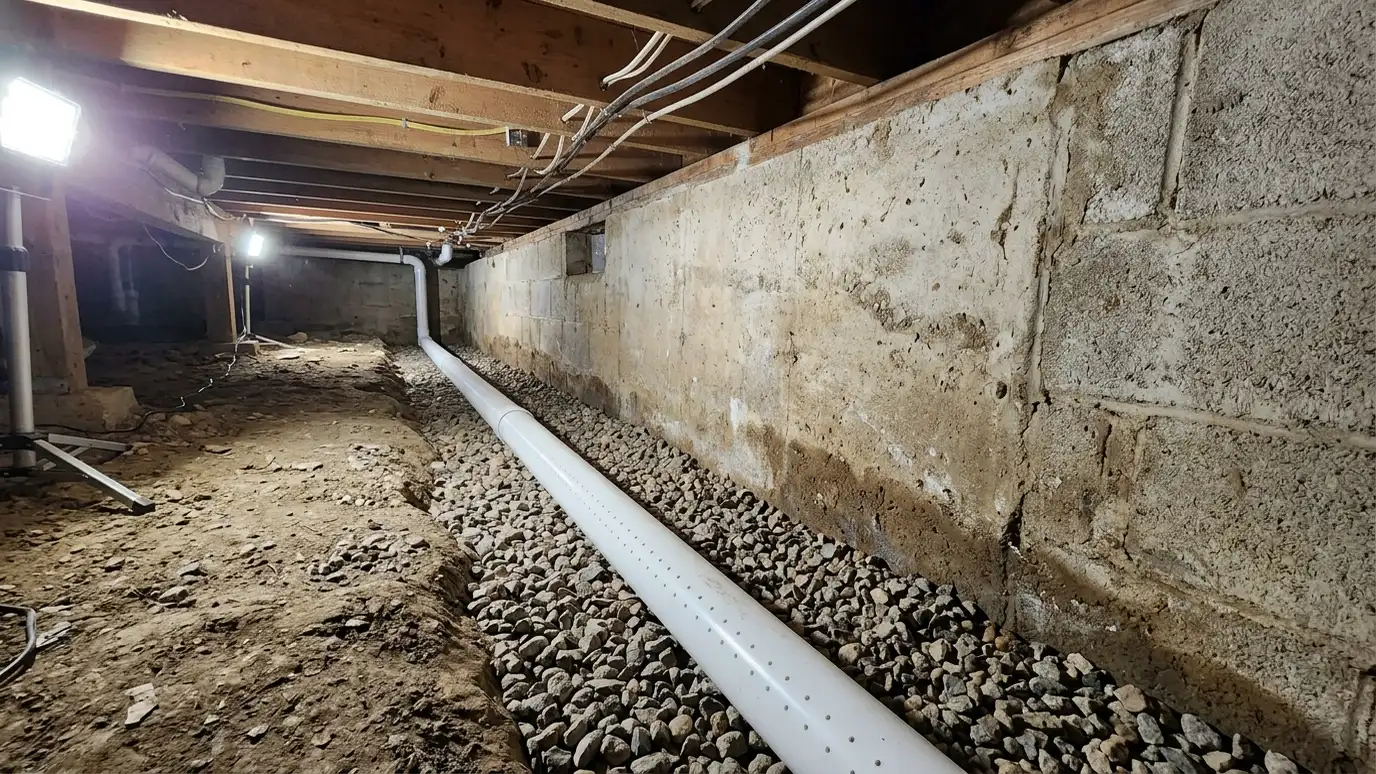
A perforated pipe in washed gravel along the footing collects seepage and leads it to a sump. It works from inside without digging up the yard.
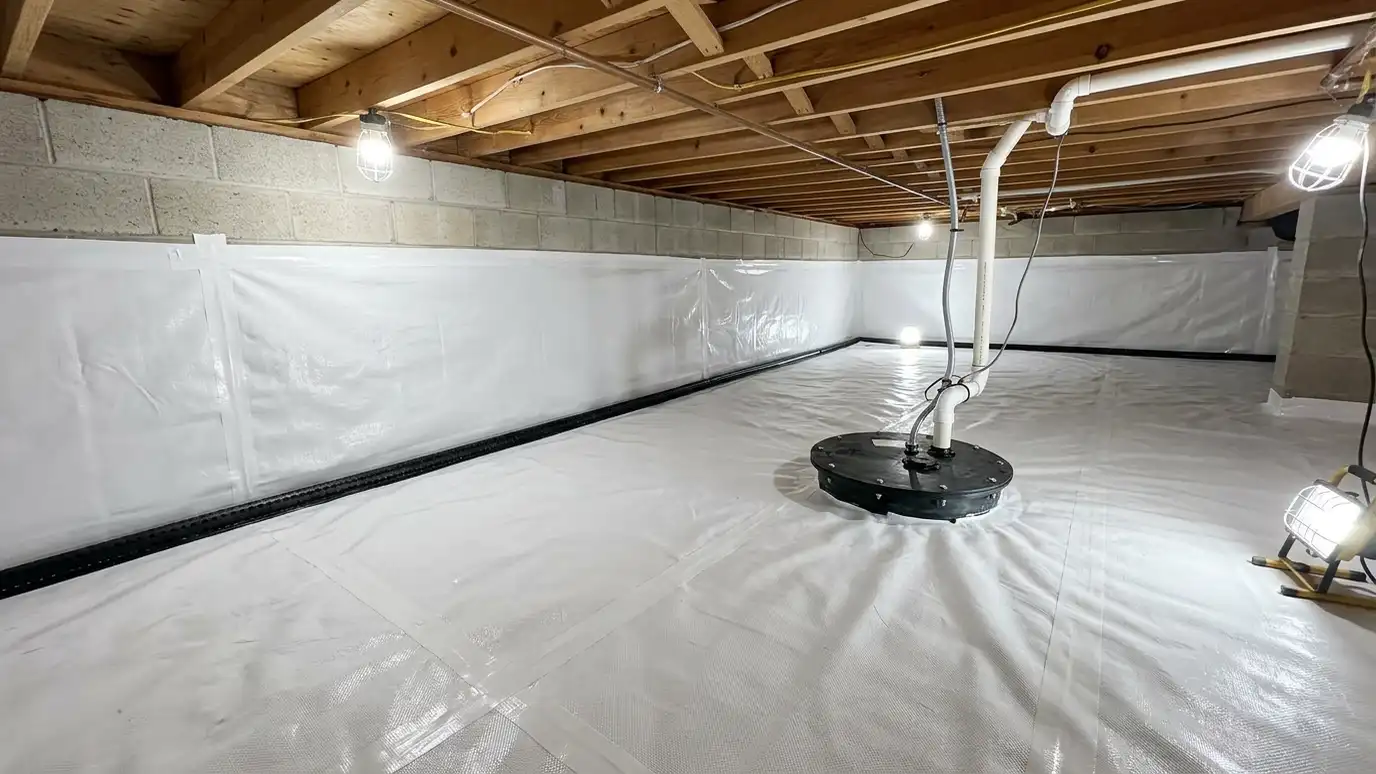
Wall liners guide seepage into it.
It handles what outside work cannot stop.
Sump pumps and discharge
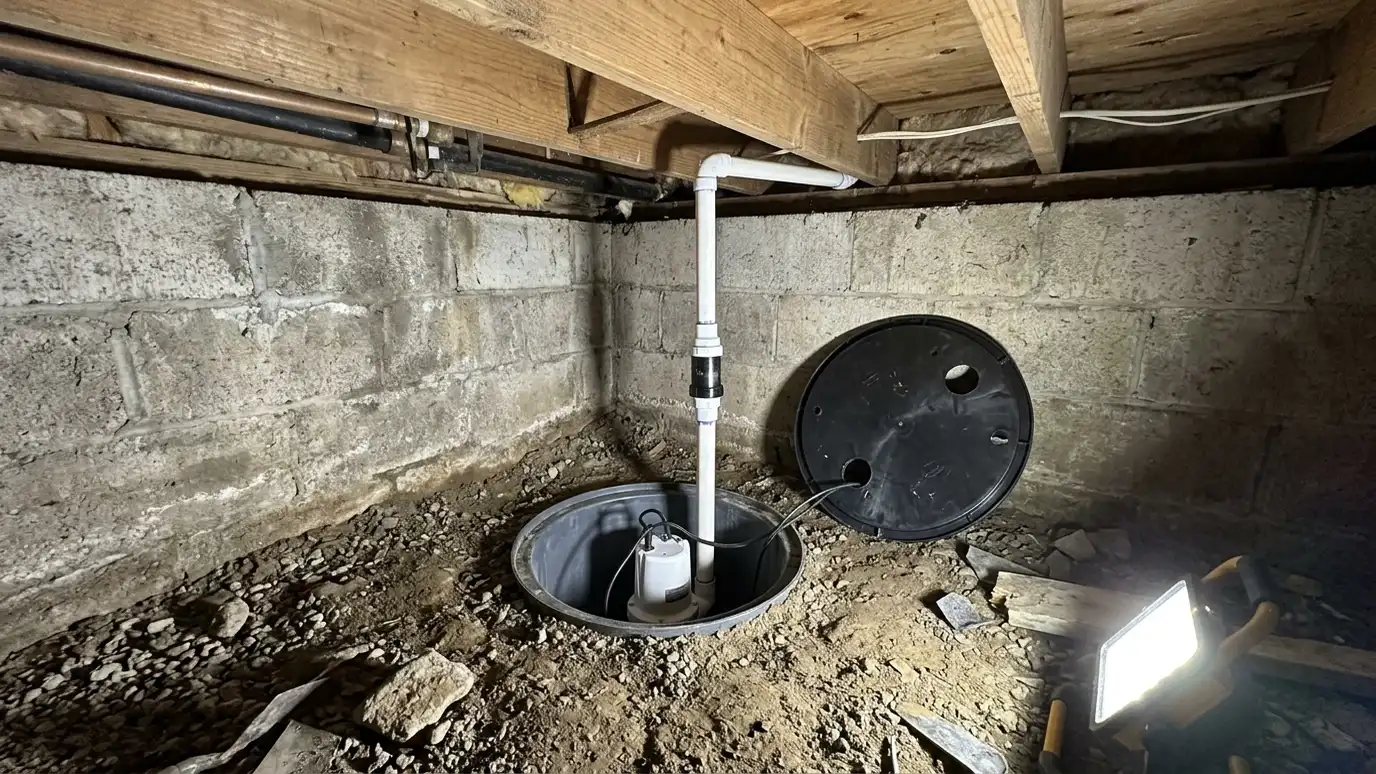
A pump in a sealed basin removes collected water. A check valve, alarm and battery backup add protection.
The discharge line must carry water well away and not freeze or clog.
Test the system a few times a year.
Putting it together
Most homes need more than one piece. Start with gutters and grade, add interior drains and a pump where water still enters and finish with a liner and humidity control.
Utility locates are needed before digging.
We explain each part and why it matters.
Move roof and yard water away first, then give any seepage an easy path to a pump with a discharge line that really leaves the property.