Moisture and humidity testing for crawl spaces that measures wood moisture, air humidity and soil dampness so you know whether your space is truly dry.
A crawl space can look dry and still hold enough moisture to feed mold, rot and pests. The only way to know is to measure. Wood moisture, air humidity and soil dampness each tell part of the story, and together they show whether a space is staying safely dry through the seasons. Homeowners in Nashville, where warm humid summers push moisture into every low space, often learn that readings change a lot from spring to August.
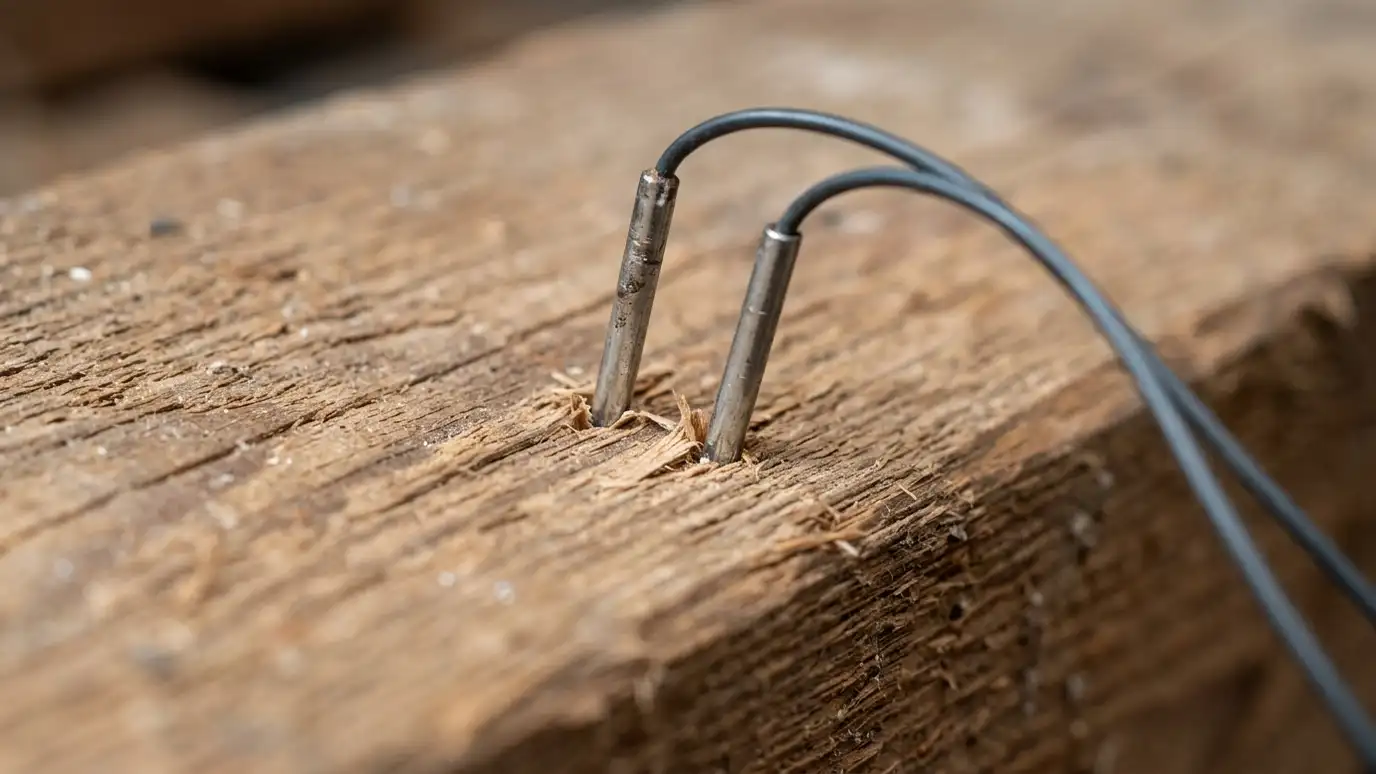
We use a pin or pinless moisture meter on joists, subfloor and sill plates, a hygrometer for temperature and relative humidity and, where it helps, a thermal camera to spot cold wet areas. We take readings in several places and write them down, because one number rarely tells the truth. Wood that stays above about twenty percent is a concern, and humidity that stays high encourages growth. We explain the numbers in plain language and suggest the simplest fix that fits, which might be a dehumidifier, a liner, better drainage or only a gutter extension.
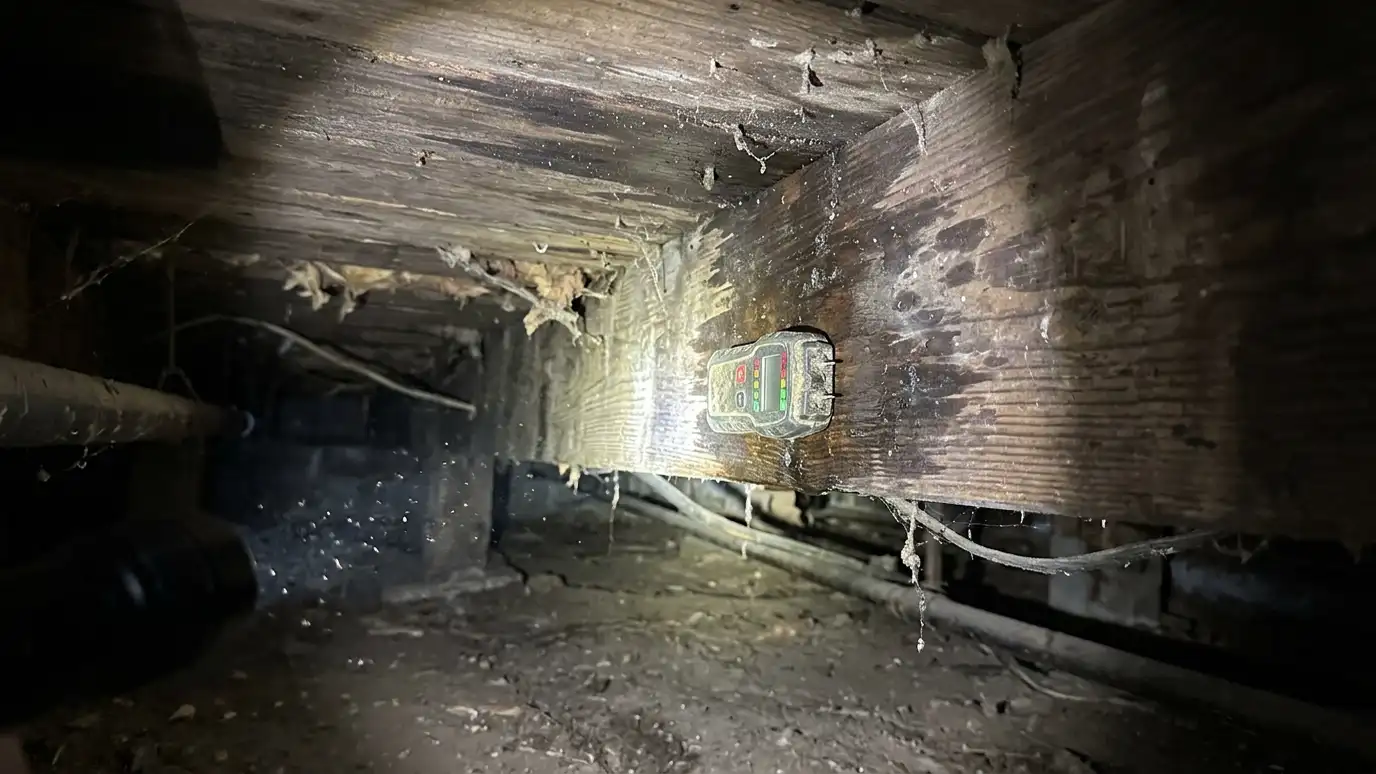
Readings from several joists, the subfloor and the sill plate show whether wood is drying or staying damp.
A hygrometer shows relative humidity and temperature, which together decide whether condensation and growth can happen.
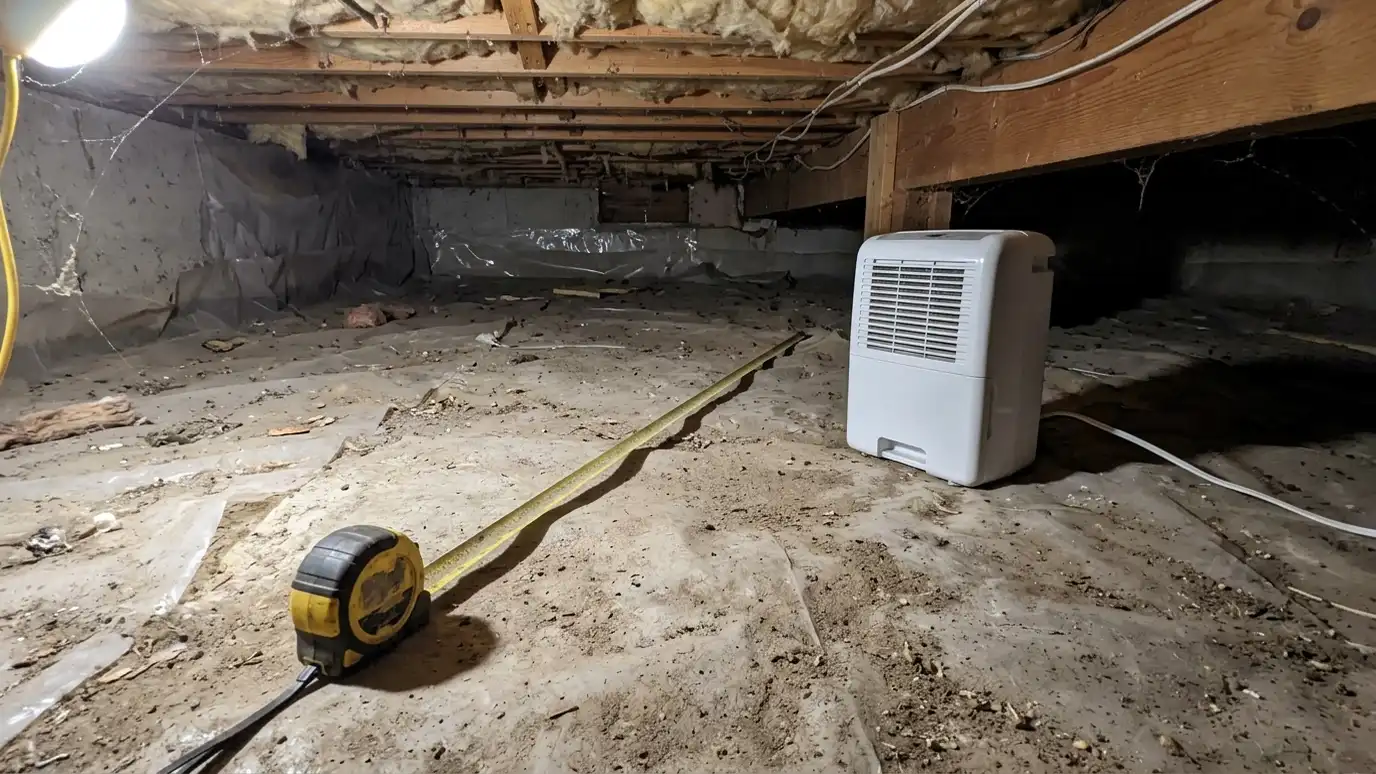
We check ground dampness, wall wetness and condensation on pipes and ducts.
A sensor can stay in the space for days or weeks to show how humidity changes over time.
Drag the handle to compare.
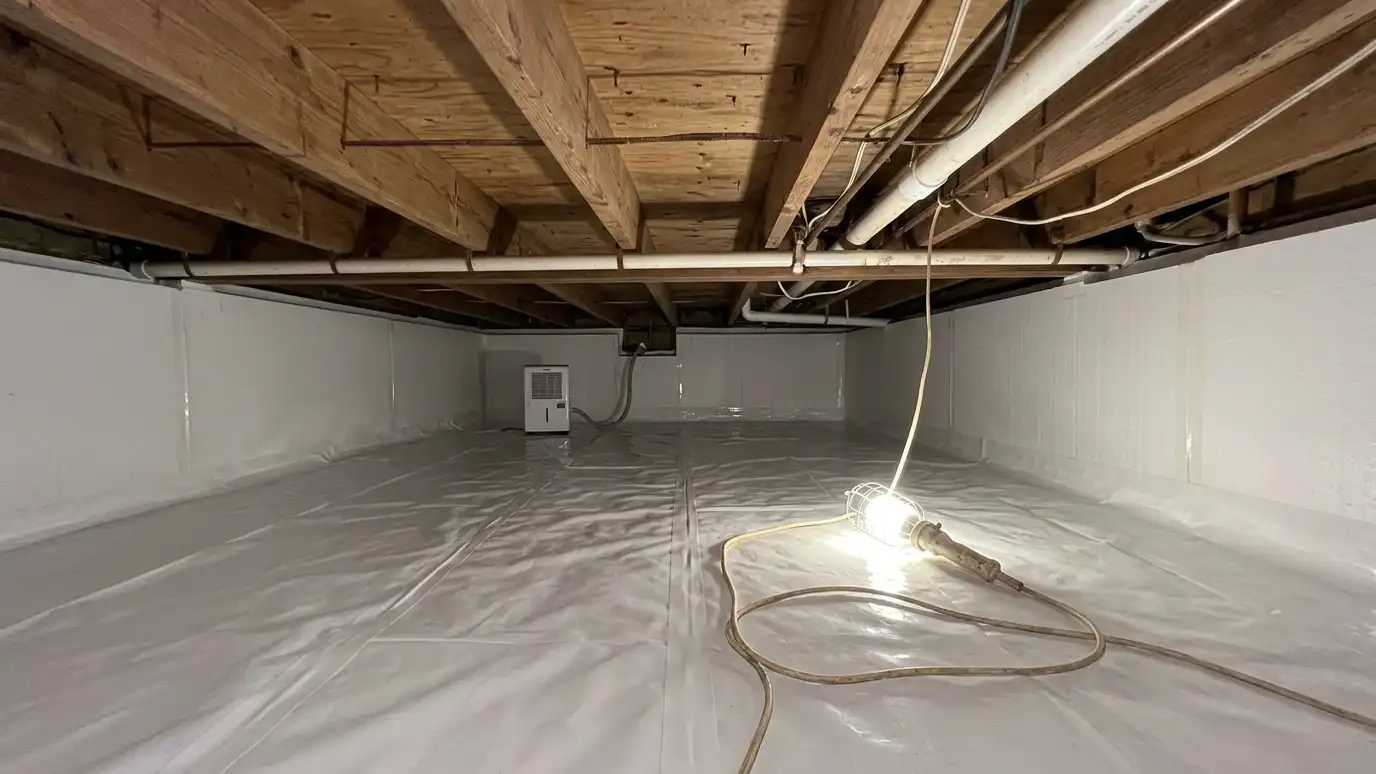
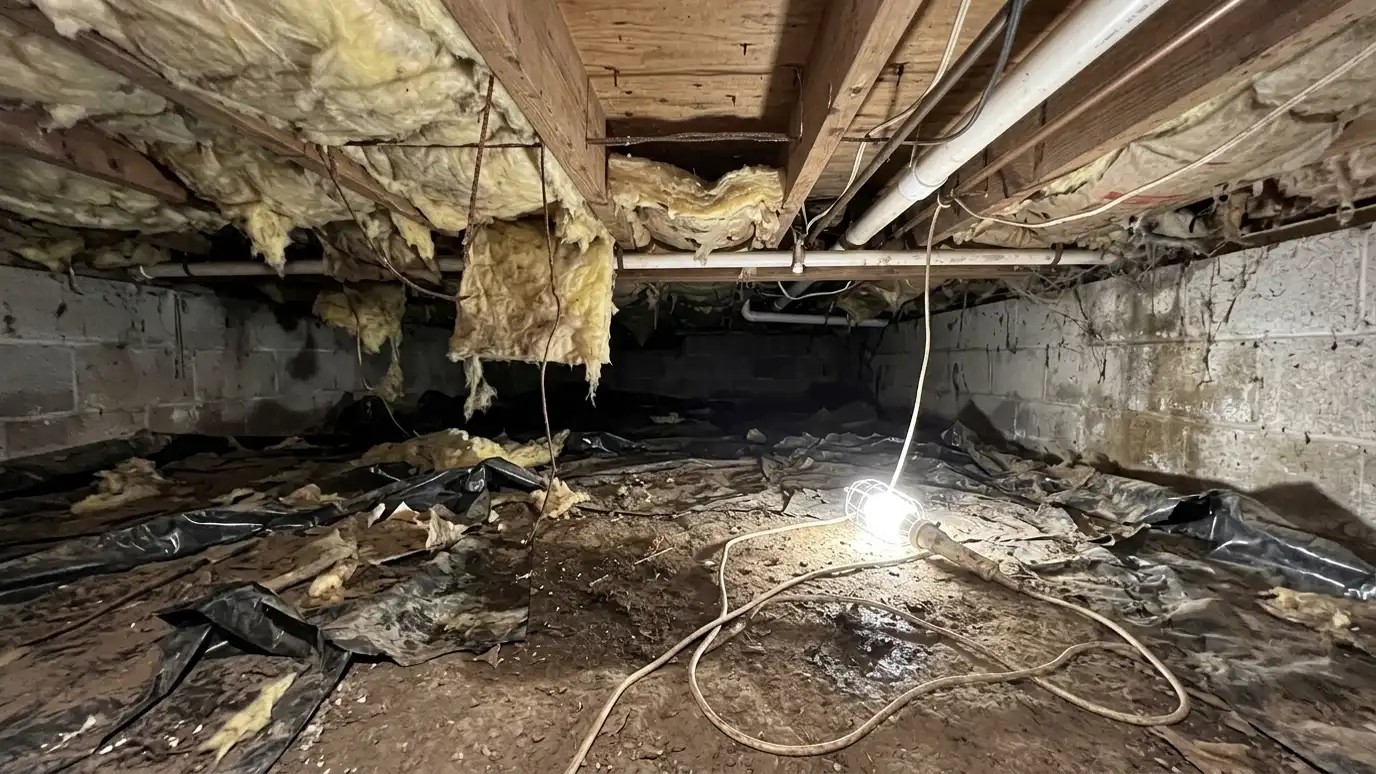 BeforeAfter
A pattern is more useful than a single reading.
Both numbers matter.
Cold wet spots are easier to see.
Numbers translated into what to do.
We explain how readings may change.
We suggest the lightest solution that works.
Every topic has its own page with what to expect and how we approach it.
 Comparison guideInspection ChecklistA plain checklist of what a good crawl space inspection covers, from moisture and structure to insulation, ducts…Learn more
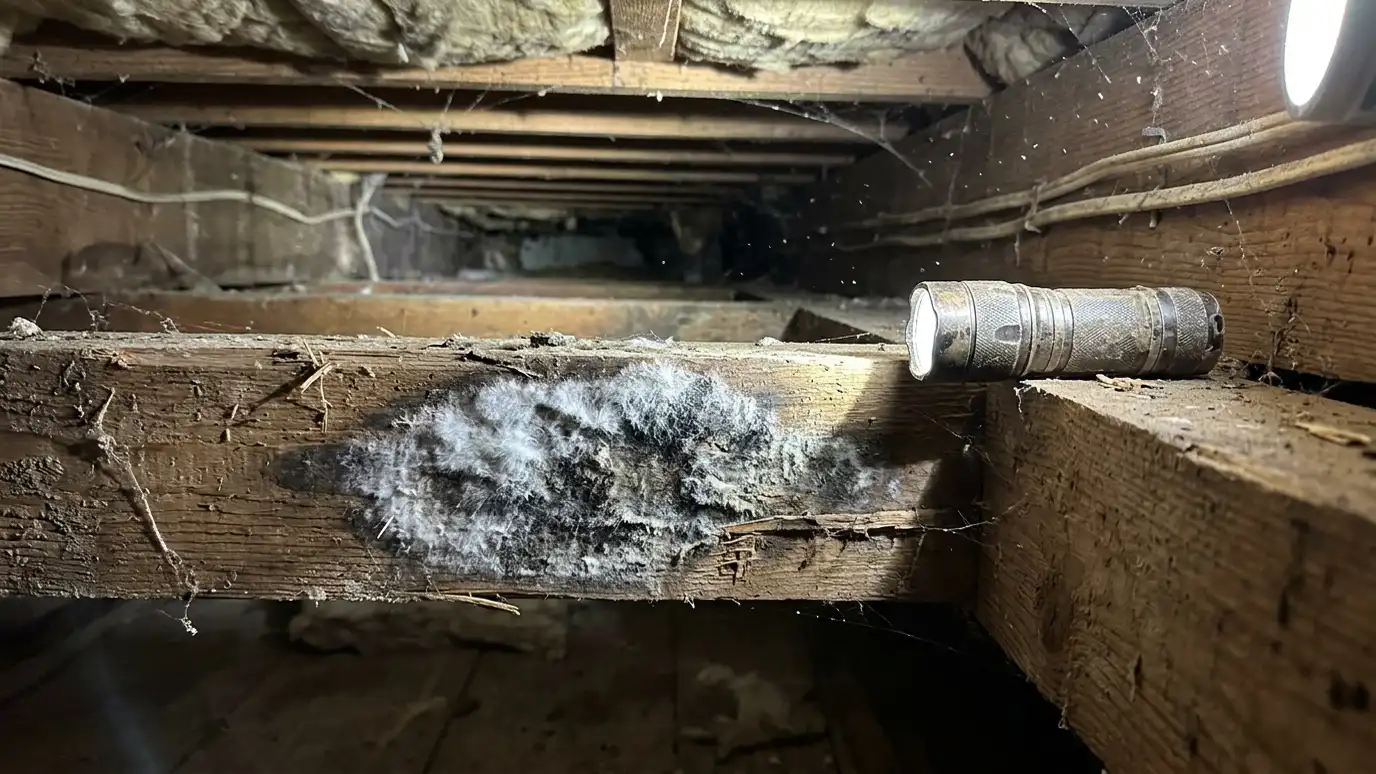 Comparison guideMold Causes and CleanupWhy mold grows under houses, how moisture, wood and time combine, what safe cleanup involves and how to…Learn more
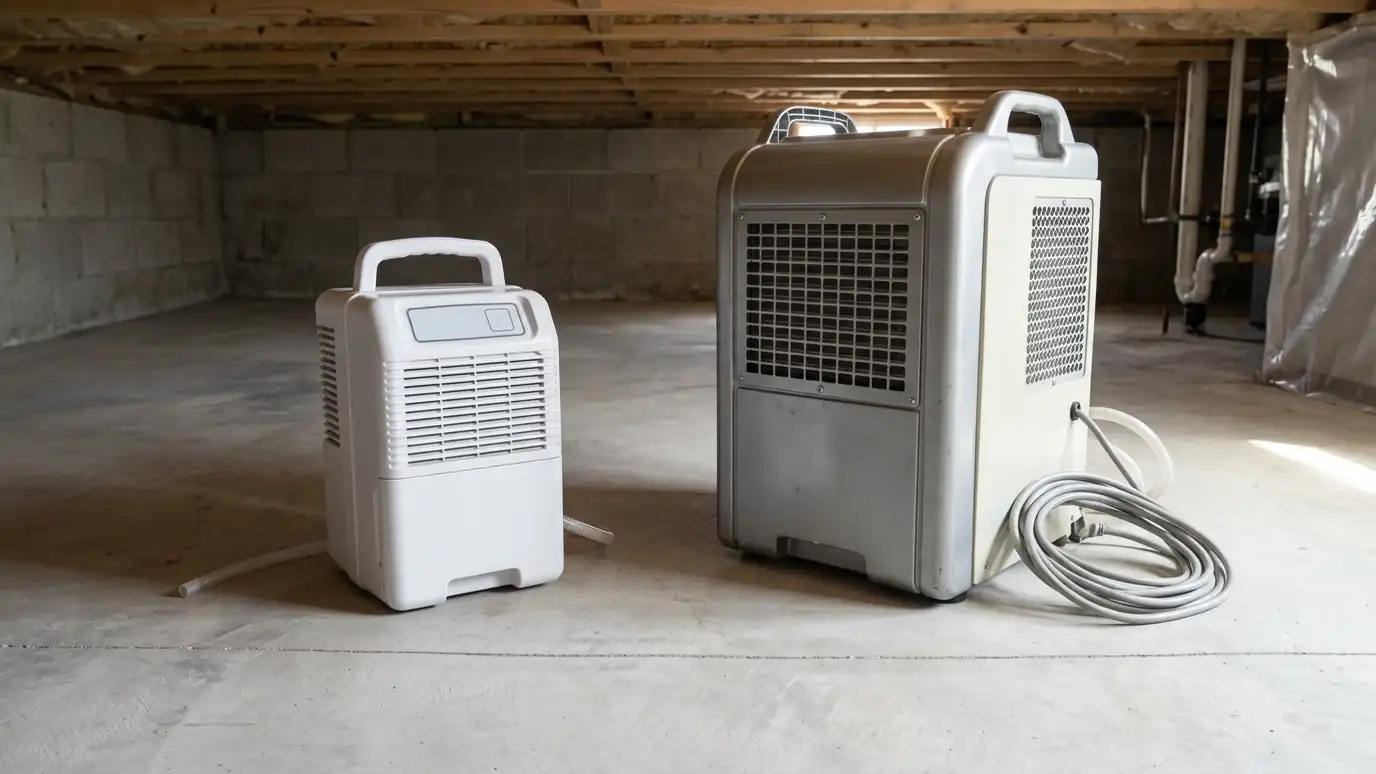 Comparison guideDehumidifier SizingHow crawl space dehumidifiers are rated, why volume and moisture load matter and how drains, controls and placement…Learn more
Tick what you notice, from musty smells and standing water to sagging floors and pests, to see how urgent your crawl space looks and which pages to read first.
You tell us what you notice, from smells and cold floors to water and sagging, and we ask about the home and past work.
We enter the space, take moisture readings and photos, measure it and look at drainage outside.
You get a plain written scope with priorities, materials, schedule and options before anything is ordered.
We clear debris, repair structure and install drainage, then dry the space to safe moisture levels.
A liner, sealed vents, insulation and a dehumidifier go in, with seams taped and checked.
We walk the finished space with you, leave a care guide and photos and set a first checkup.
Many experts suggest keeping crawl space air under about sixty percent, and lower is safer.
Wood that stays above about twenty percent for long can support mold and decay.
Yes. Humidity and condensation often peak in warm months.
It helps if readings are borderline or if you want proof that a fix is working.
It points to it, and the inspection finds the path the water takes.
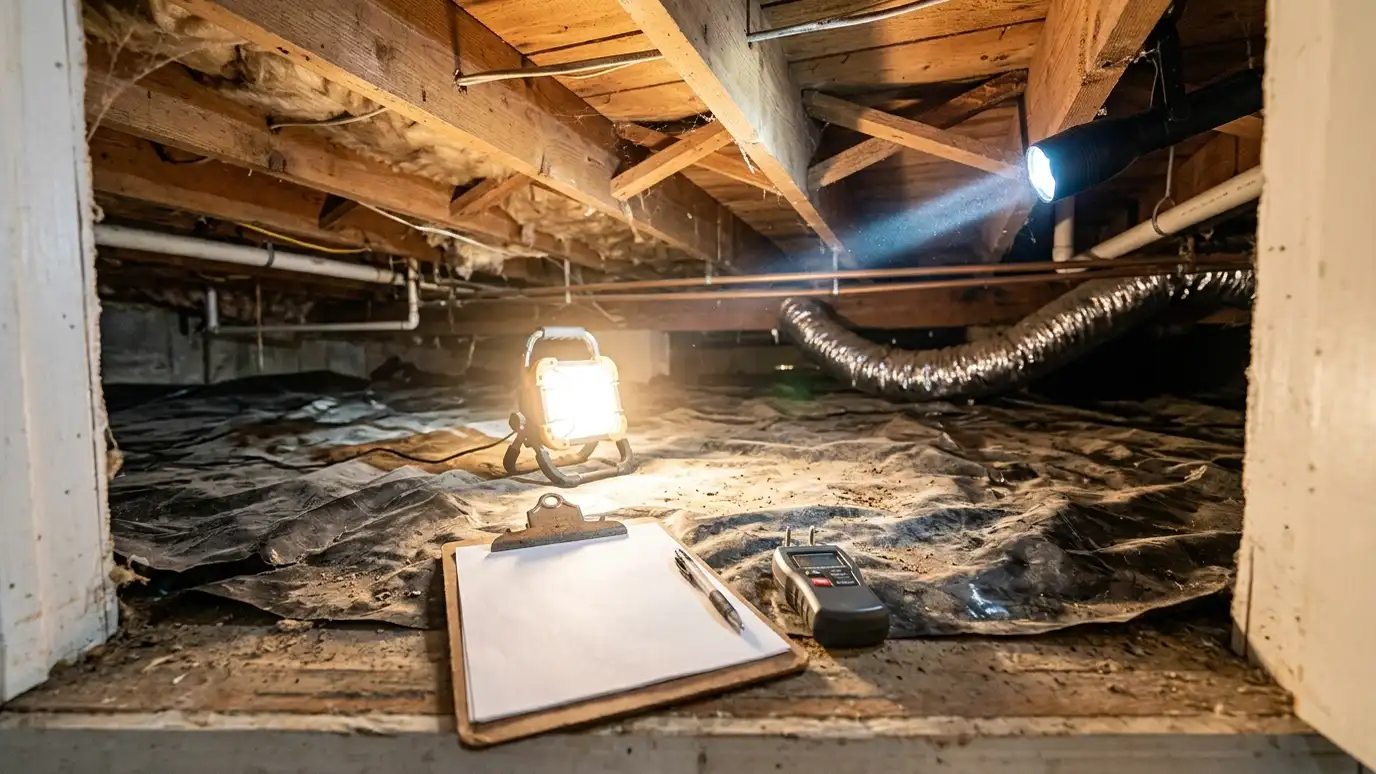 Crawl Space InspectionA full crawl space inspection that checks moisture, structure, insulation, pests, drainage and air movement and ends with…Explore
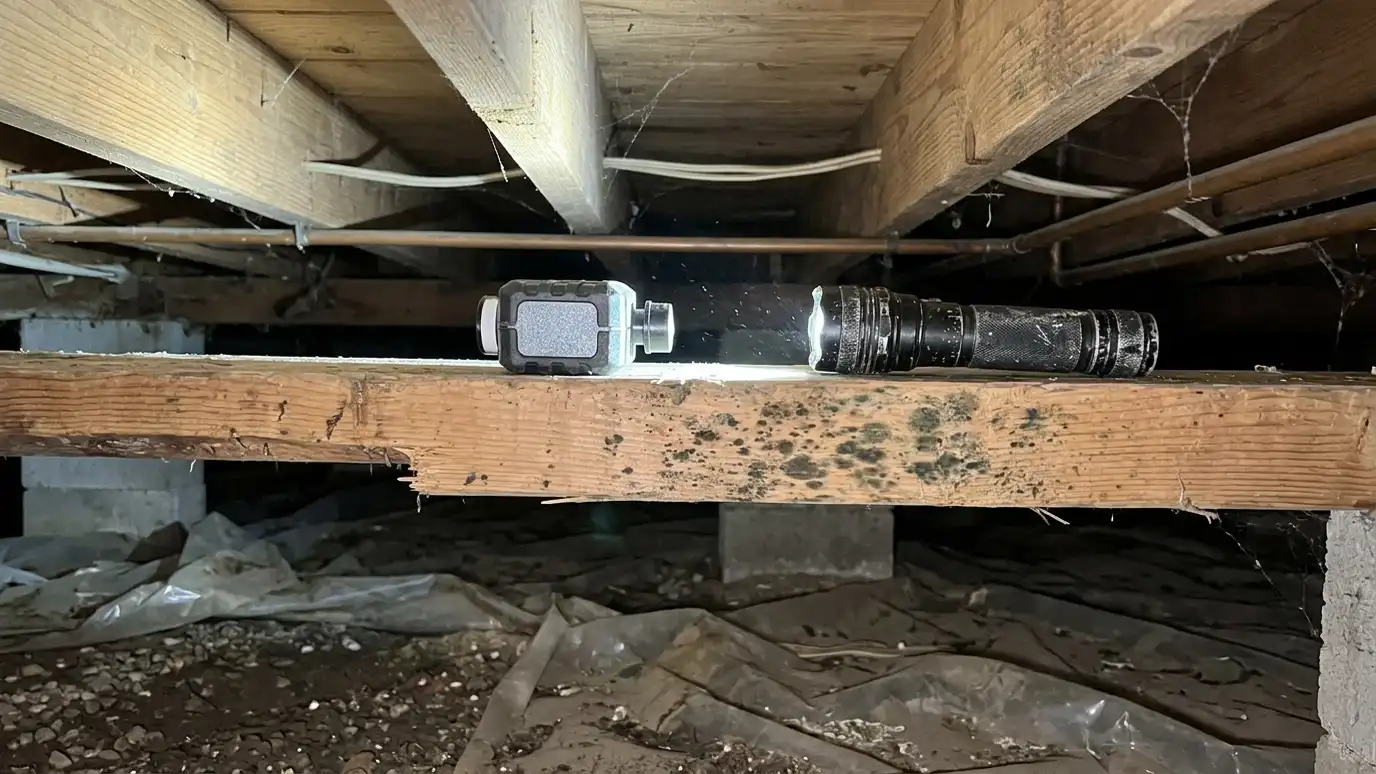 Mold AssessmentA mold and air quality assessment for crawl spaces that looks for growth, damp sources and air movement…Explore
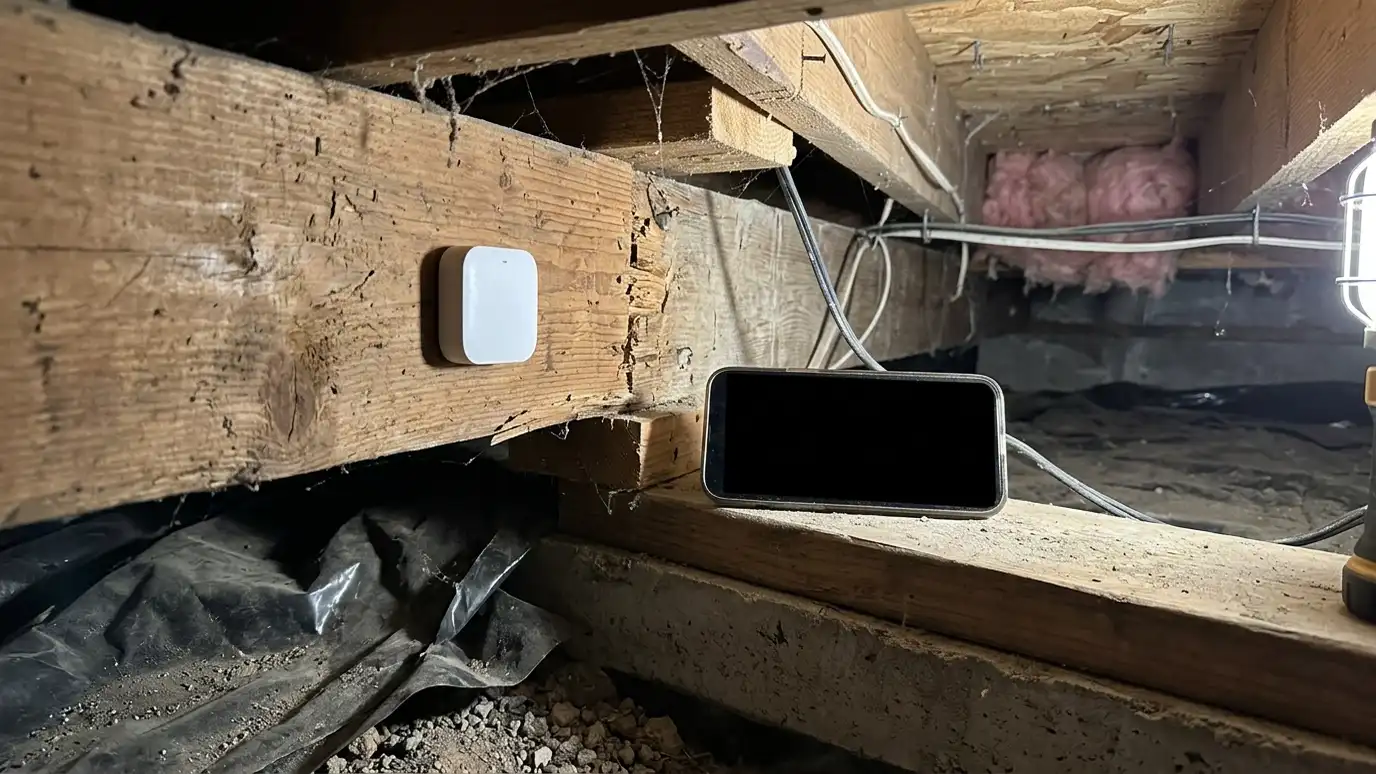 Humidity SensorsHumidity monitoring and smart sensors that track crawl space humidity and temperature and send alerts to your phone…Explore
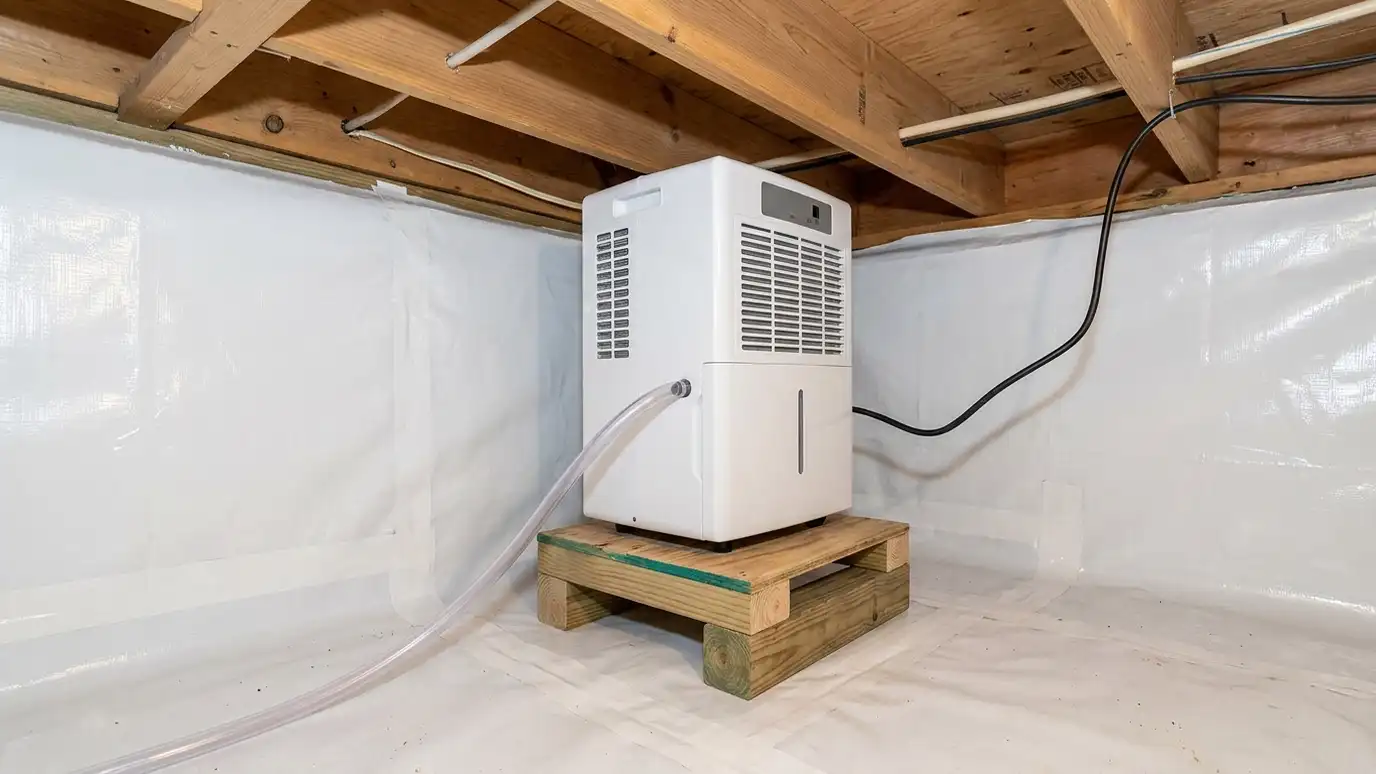 Dehumidifier InstallationCrawl space dehumidifier installation with a properly sized unit, a drain or pump, power, a humidity control and…Explore
Tell us about your space and we will call you back to set up a visit.
Or call (615) 357-7797 to talk now.