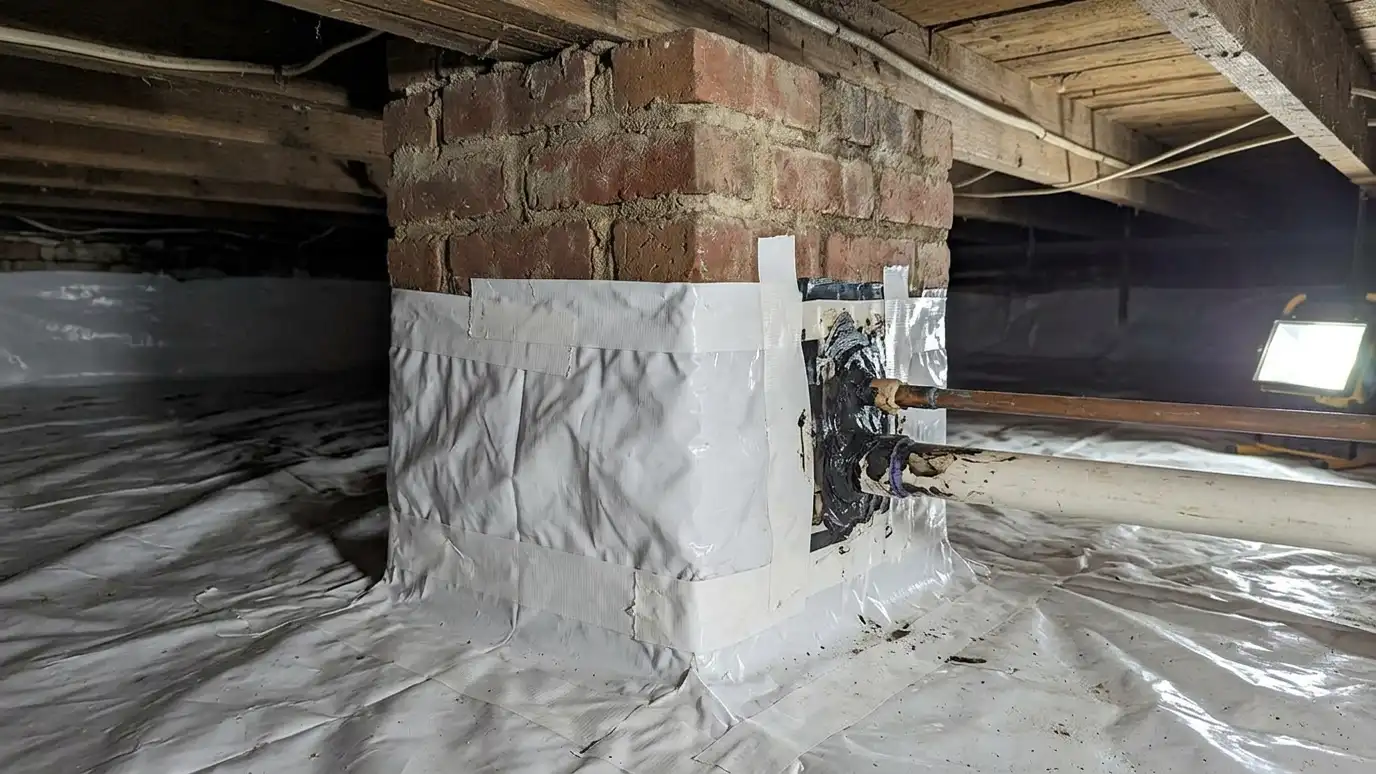
Pier, pipe and penetration sealing that wraps piers and seals pipe holes and wire gaps so air, moisture and pests cannot travel along them into your home.
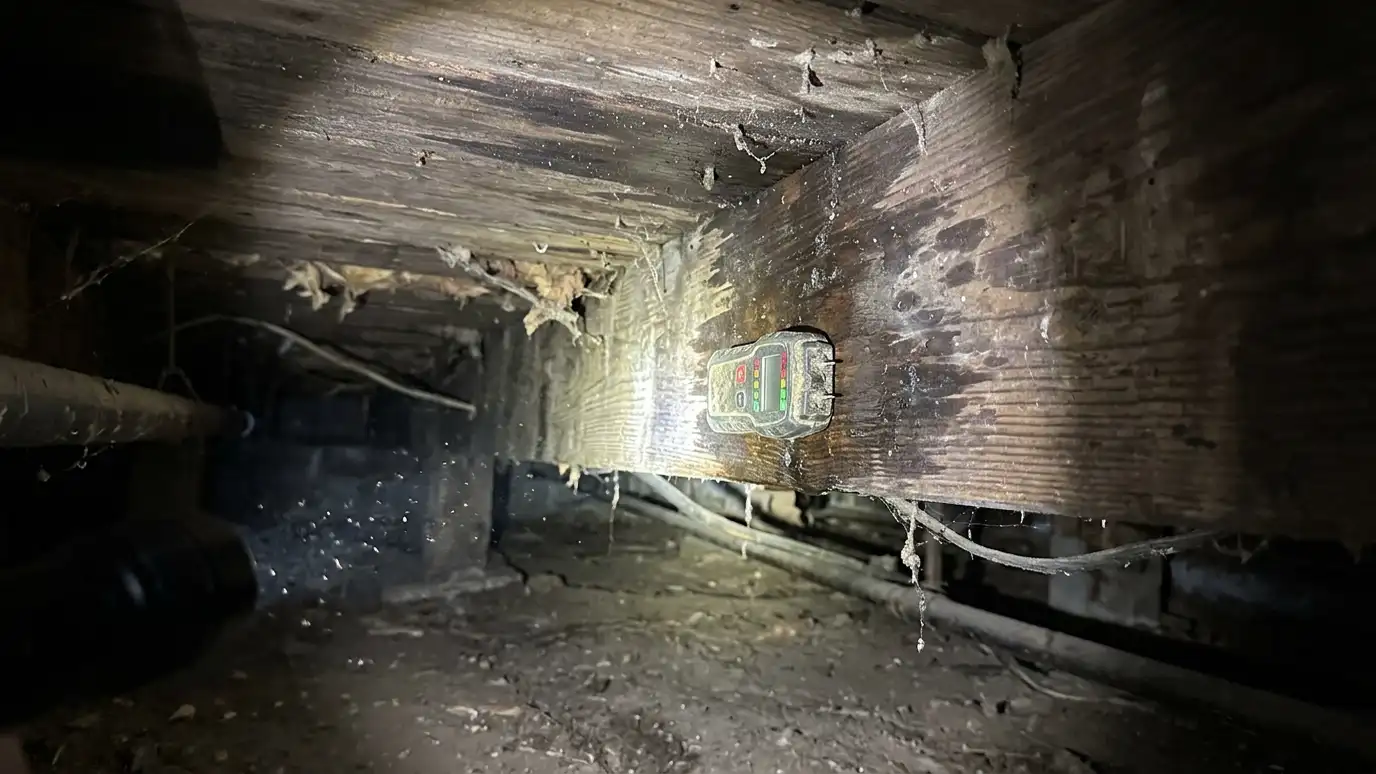
Every pipe, wire, duct and pier in a crawl space is a possible path for air, water vapor and animals. Small holes around plumbing and wiring let crawl space air rise into walls and rooms. Homeowners in Nashville often find the biggest drafts and musty odors upstairs around kitchen sinks and bathrooms, which sit right over those gaps.
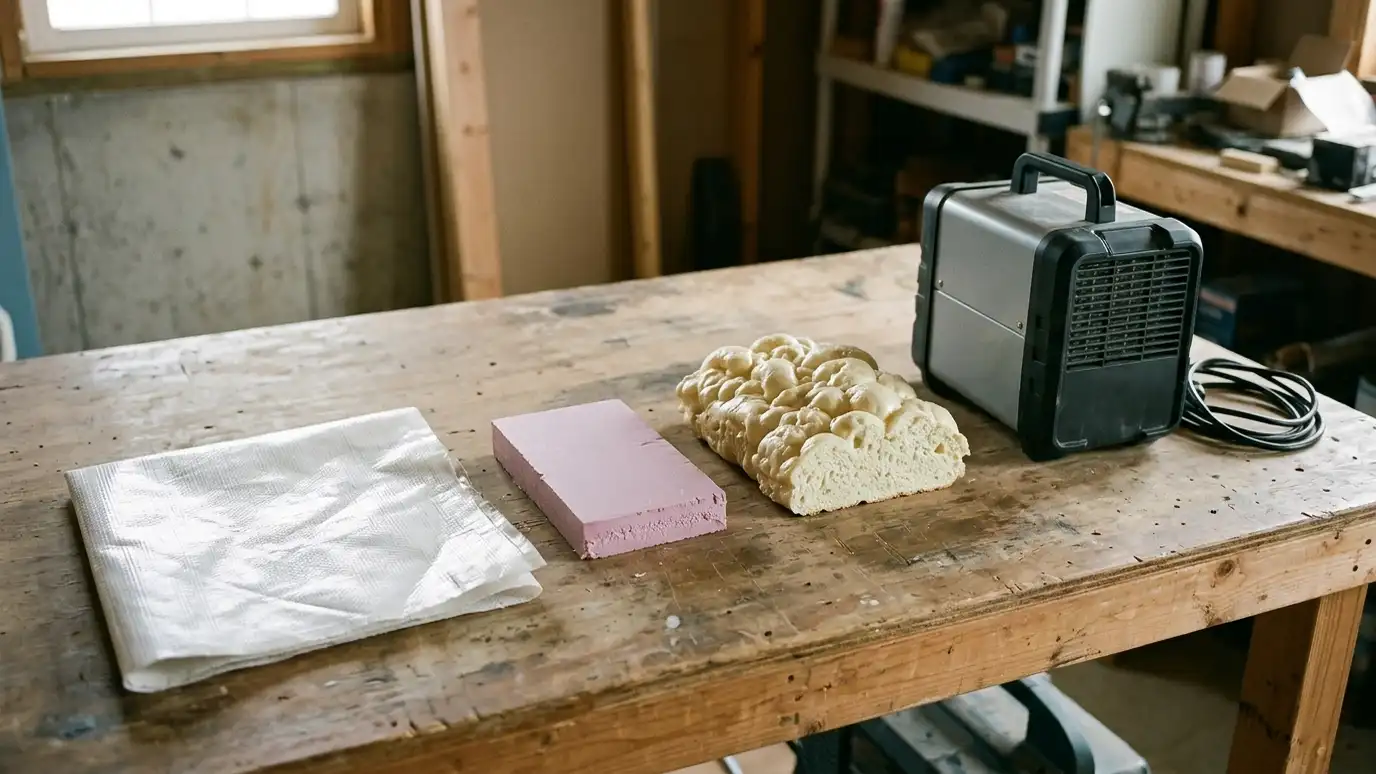
We wrap piers and posts with liner so moisture cannot wick up from the soil, and we seal gaps around pipes, wires and ducts with the right materials, such as fire-rated foam or sealant where required and mastic around metal. Holes in the subfloor and rim joist are closed. Gaps near the sill and plates are sealed to stop air and insects. We keep needed ventilation and access clear and avoid blocking anything that must breathe, and we explain the materials we use and where they belong. Bring up any spots in the house that feel drafty or smell musty, such as under a sink or around a tub. Those places often sit directly over a gap we can reach from below, which helps us start where the payoff is biggest.
Liner around piers and posts blocks ground moisture and keeps the system continuous.
We fill gaps around pipes, drains, wires and ducts with the right sealants and foams.
Gaps in the subfloor, rim joist and sill are sealed to reduce drafts and pests.
We use products appropriate to heat and fire details and never block combustion air or required access.
Drag the handle to compare.
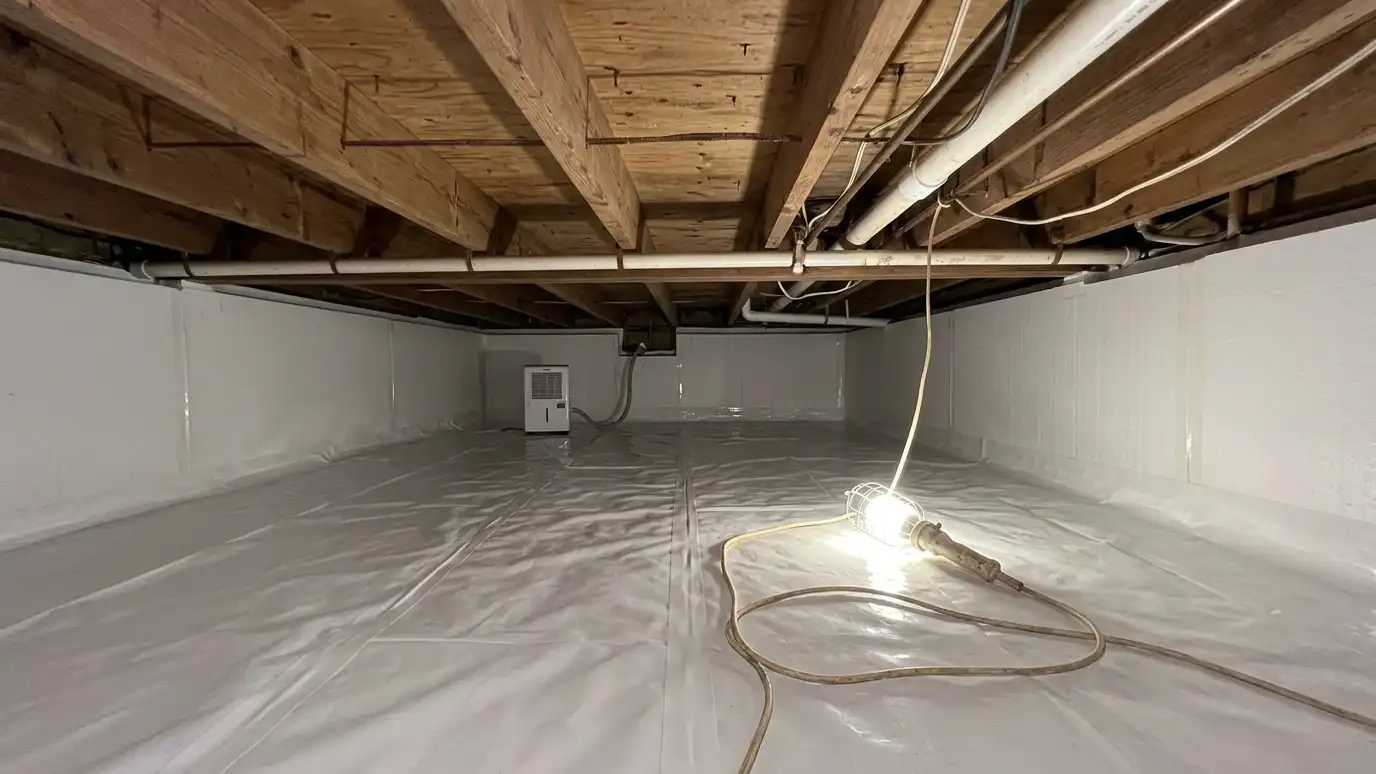
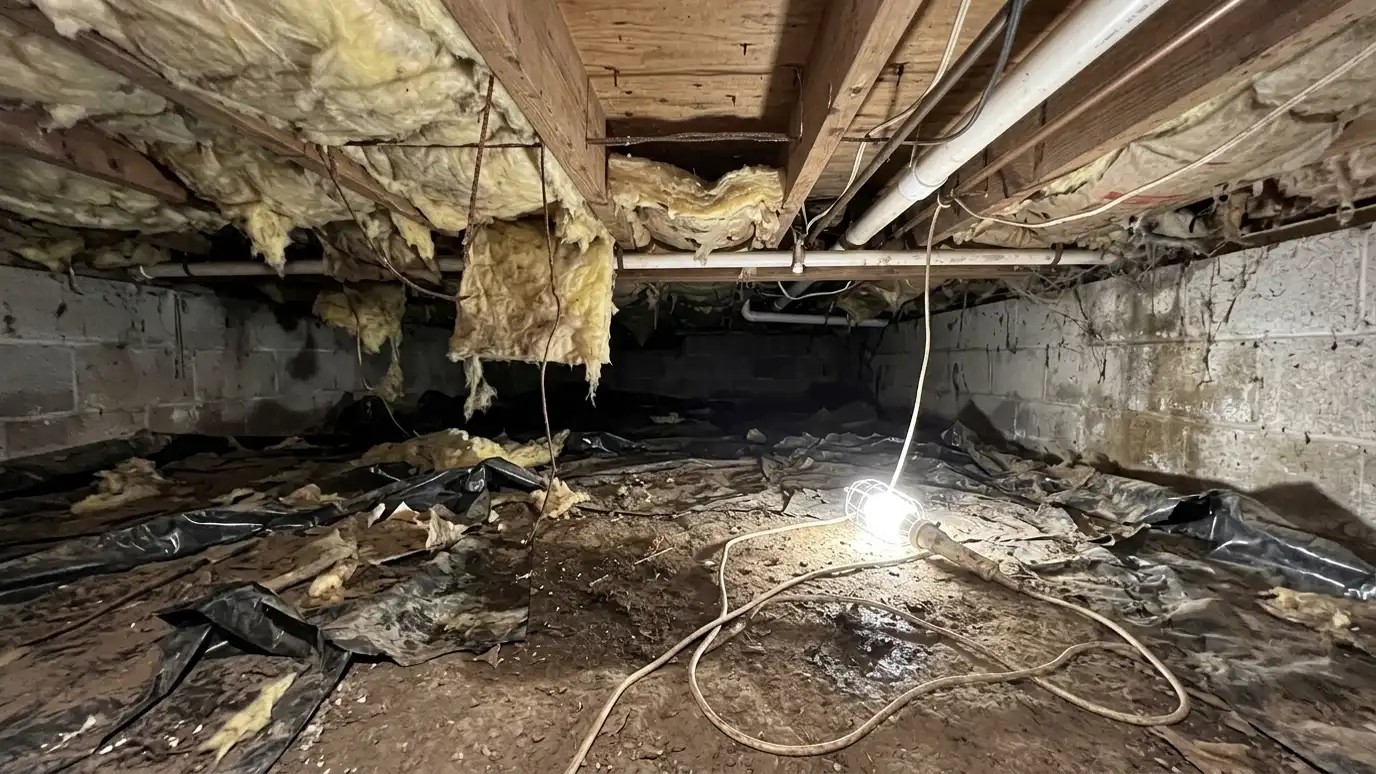 BeforeAfter
Moisture cannot wick upward.
Air and insects blocked.
Drafts reduced.
Matched to each detail.
Nothing important blocked.
Less crawl space air upstairs.
Every topic has its own page with what to expect and how we approach it.
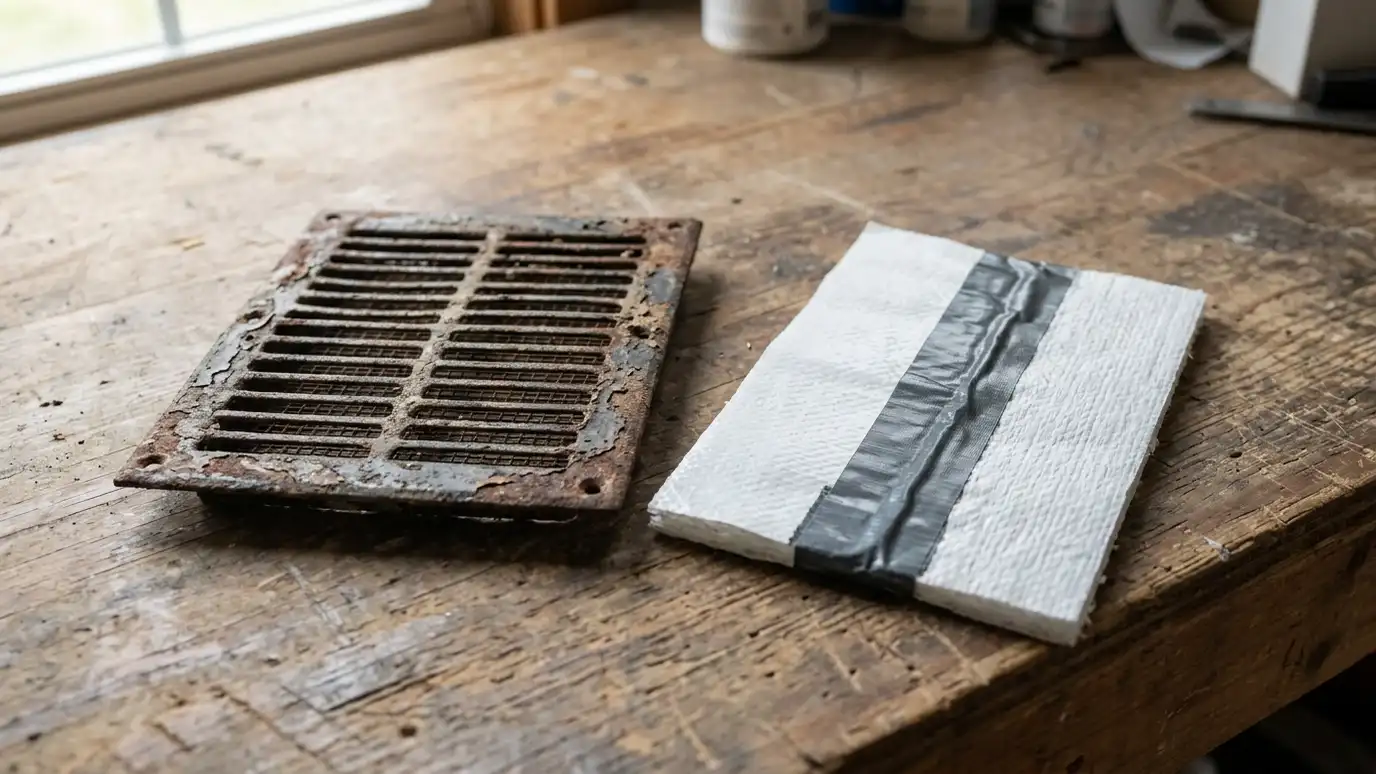 Comparison guideEncapsulated vs VentedHow a sealed, lined and dehumidified crawl space differs from a traditional vented one in moisture, energy use…Learn more
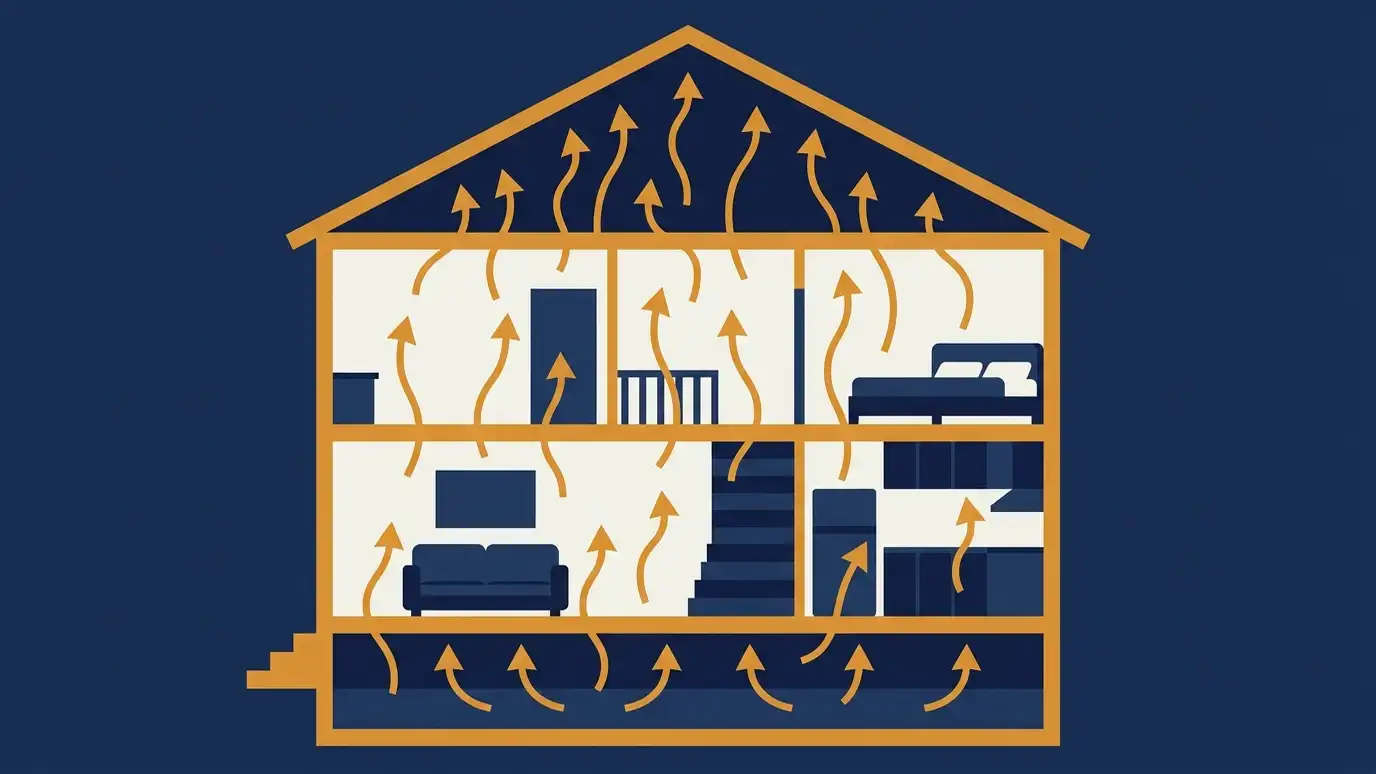 Comparison guideStack Effect and AirHow air rises from a crawl space into living areas through gaps and ducts, why that matters for…Learn more
 ResourceBuilding Performance InstituteA national organization that develops standards and training for building performance work such as energy efficiency, air sealing…Learn more
Set your space, then turn on a liner, wall liner, interior drain, sump pit, dehumidifier, posts and insulation to see a top-down plan with quantities, then send the plan to us.
You tell us what you notice, from smells and cold floors to water and sagging, and we ask about the home and past work.
We enter the space, take moisture readings and photos, measure it and look at drainage outside.
You get a plain written scope with priorities, materials, schedule and options before anything is ordered.
We clear debris, repair structure and install drainage, then dry the space to safe moisture levels.
A liner, sealed vents, insulation and a dehumidifier go in, with seams taped and checked.
We walk the finished space with you, leave a care guide and photos and set a first checkup.
Gaps let crawl space air, moisture and pests move into the walls and rooms.
We choose products rated for the location and avoid unsafe uses.
Duct sealing is separate and important. We offer it as a service.
Sealed spaces need humidity control. We plan for that.
We take photos so you can see the improvement.
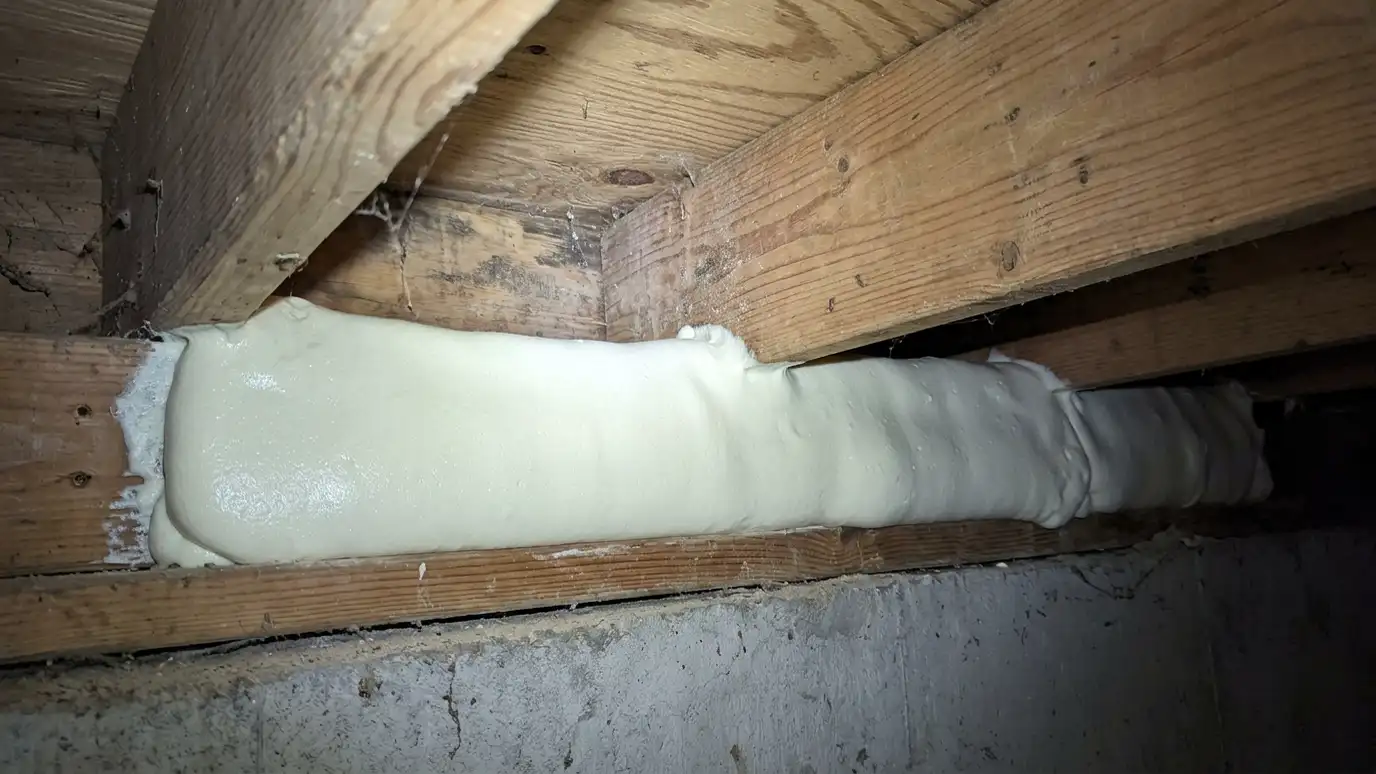 Rim Joist SealingRim joist spray foam sealing that insulates and air-seals the band of framing around the top of the…Explore
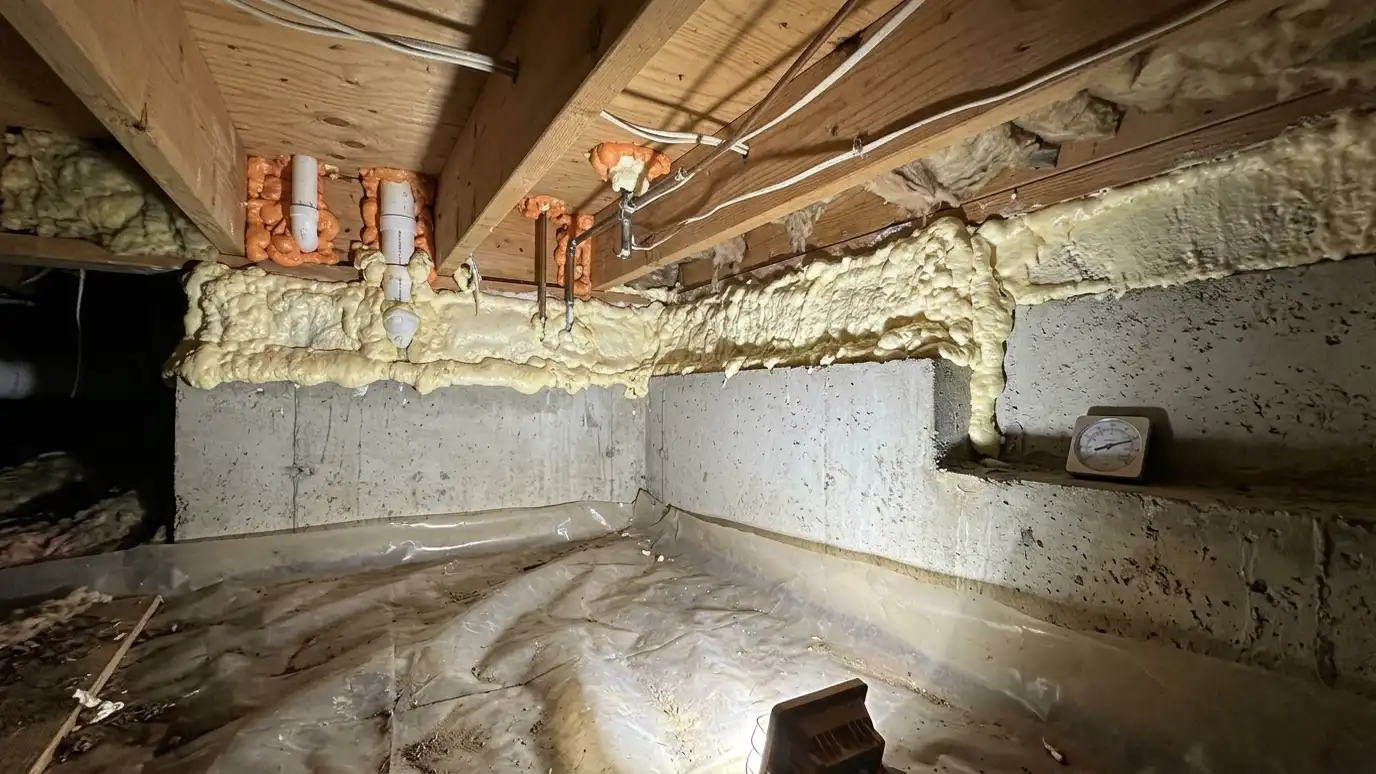 Stack Effect ReductionIndoor air quality and stack effect reduction that seals the paths between the crawl space and the living…Explore
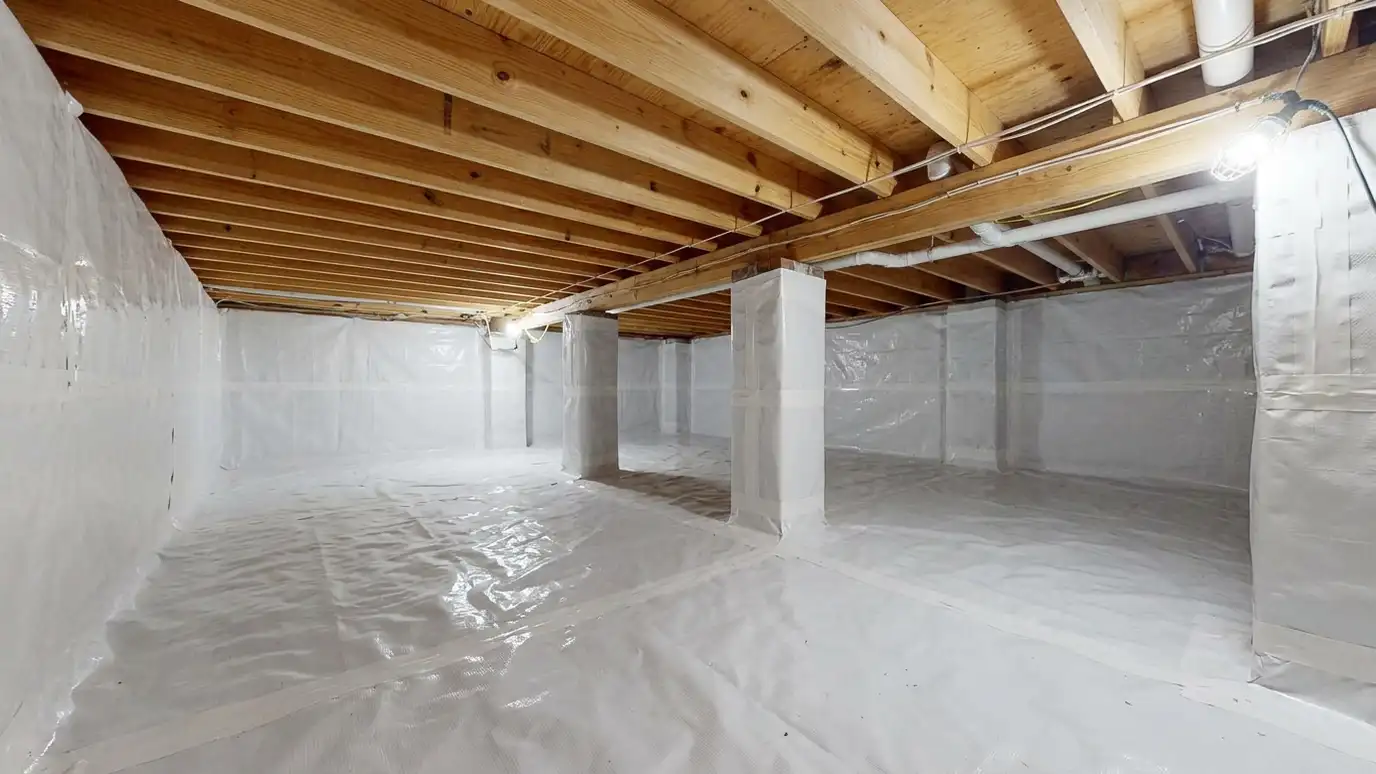 EncapsulationCrawl space encapsulation that seals the floor, walls and openings with a heavy-duty liner, insulation and humidity control…Explore
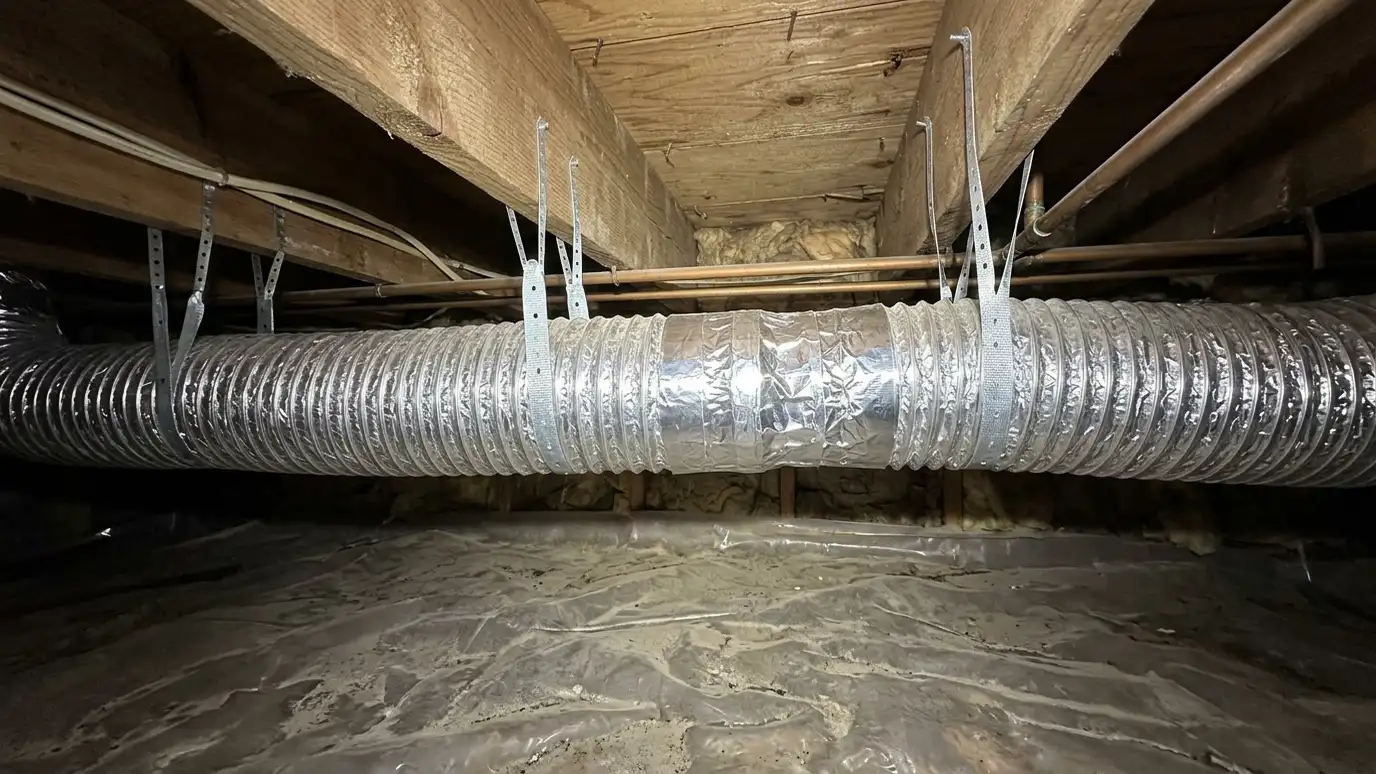 Duct SealingDuct sealing and repair in the crawl space that reconnects loose runs, seals joints and supports sagging ducts…Explore
Tell us about your space and we will call you back to set up a visit.
Or call (615) 357-7797 to talk now.