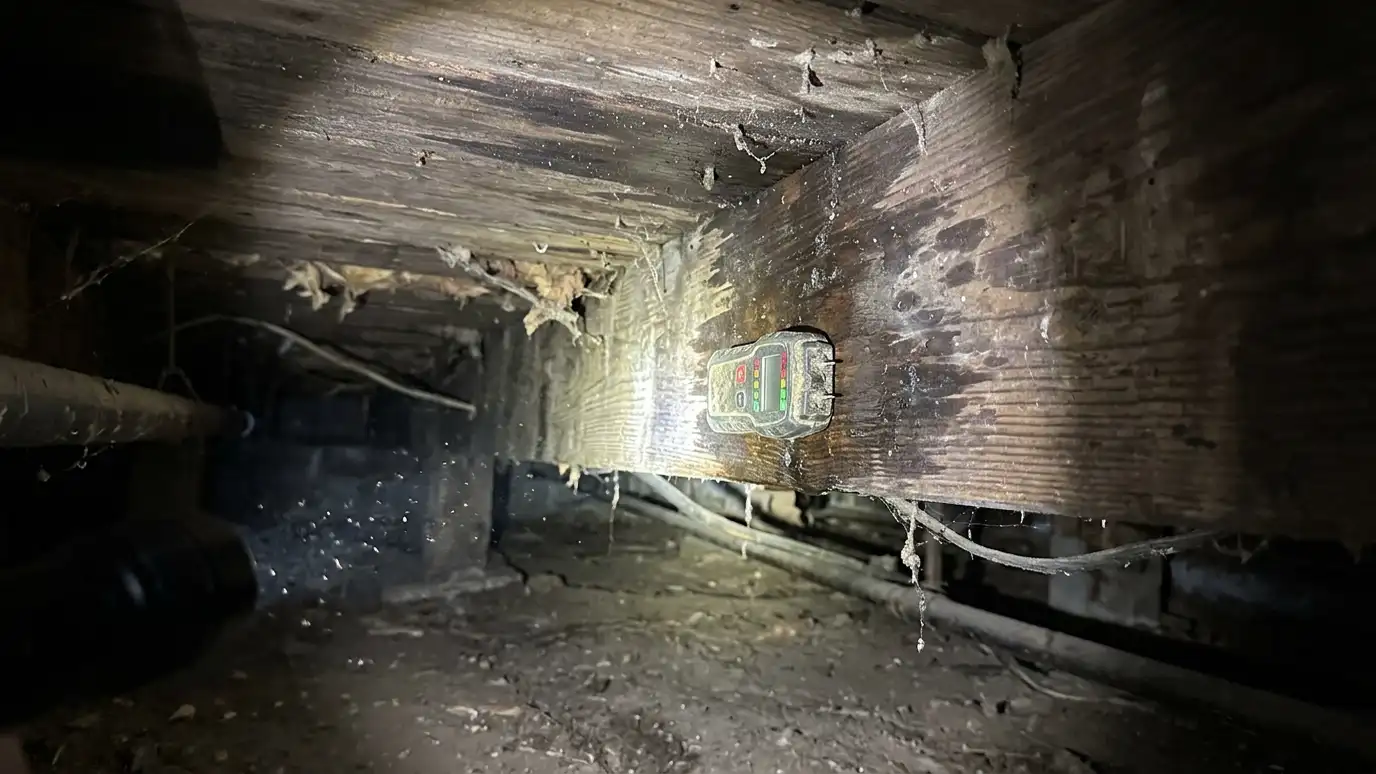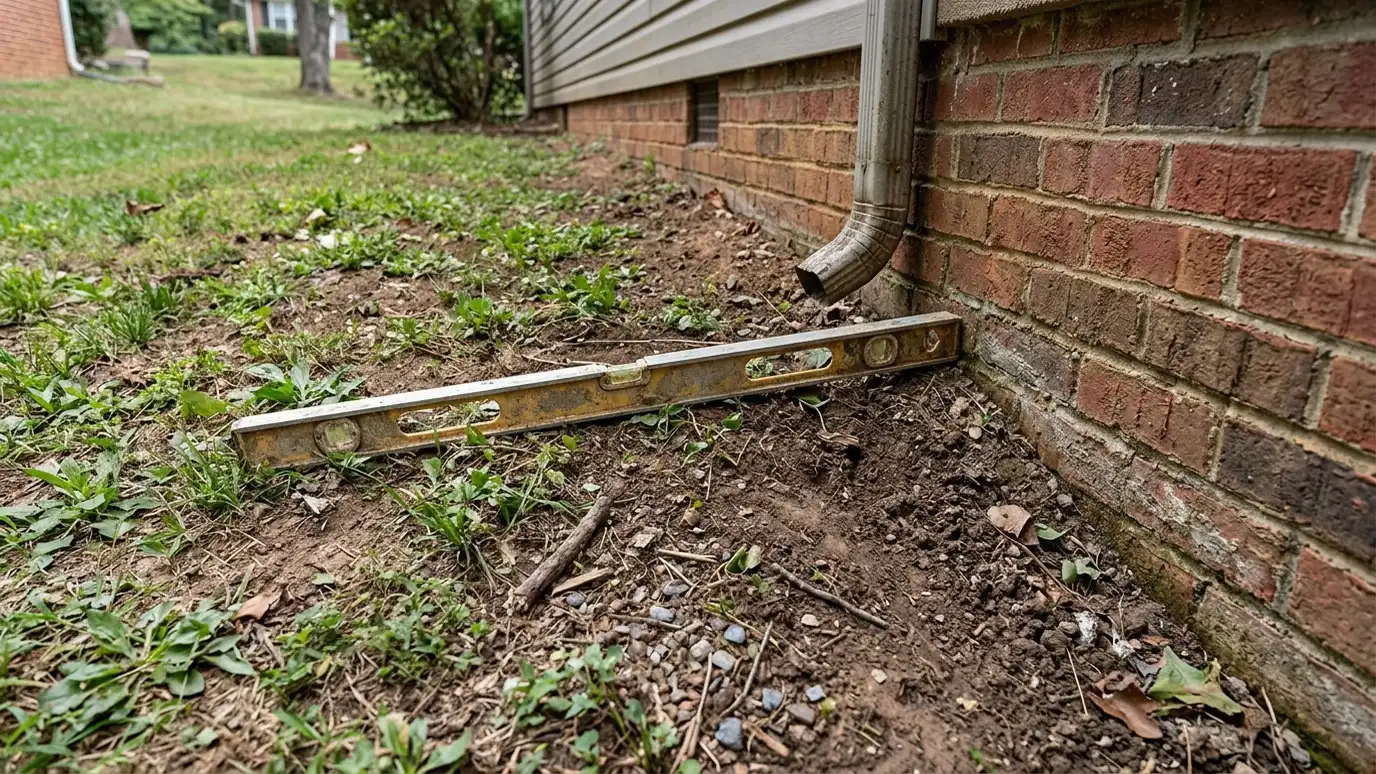
A drainage and grading evaluation that looks at gutters, downspouts, slopes, soil and low spots around your home to find how water is reaching the crawl space.
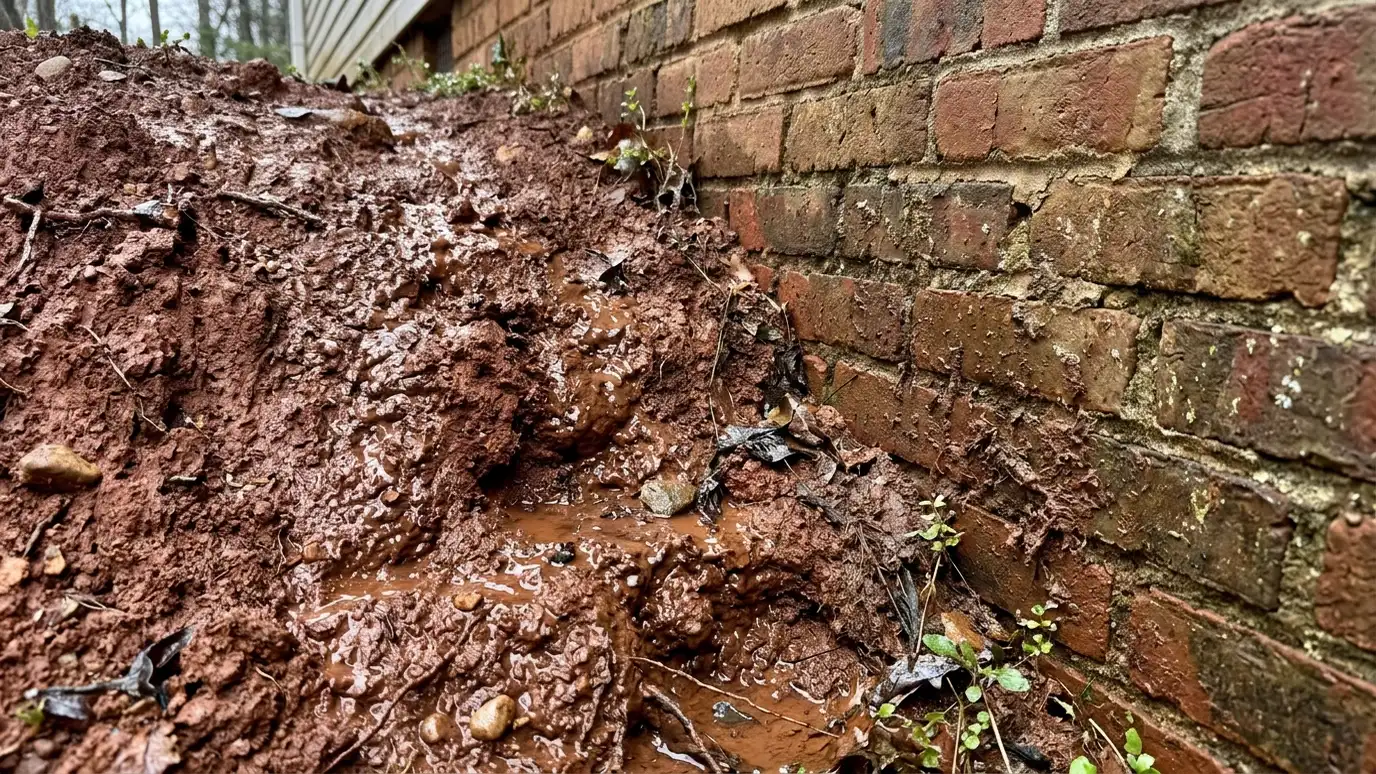
Most crawl space moisture problems start outside. Roof water, sloping yards, clogged gutters and heavy clay soil send water toward the foundation, and once it arrives it finds its way in. Homeowners in Nashville see this after big spring storms, when a space that stayed dry all winter suddenly shows damp spots and standing water.
We walk the outside of the house and look at gutters, downspout extensions, the slope of the soil, flower beds that hold water, window wells, hose bibs and low spots. Then we go inside and match what we see with where water appears in the crawl space. We explain whether a simple fix, such as longer downspouts or regrading a few feet of soil, is enough or whether interior drainage and a sump pump make sense. We do not sell a bigger solution than your house needs.
We check gutters, downspouts and where the water goes when it leaves the roof.
We check how the ground slopes near the walls, look for low spots and notice how clay soil sheds or holds water.
We look at wall cracks, window wells, vent wells and hose bibs that can feed water into the space.
We compare outside conditions with wet areas inside to find the real path water takes.
Drag the handle to compare.
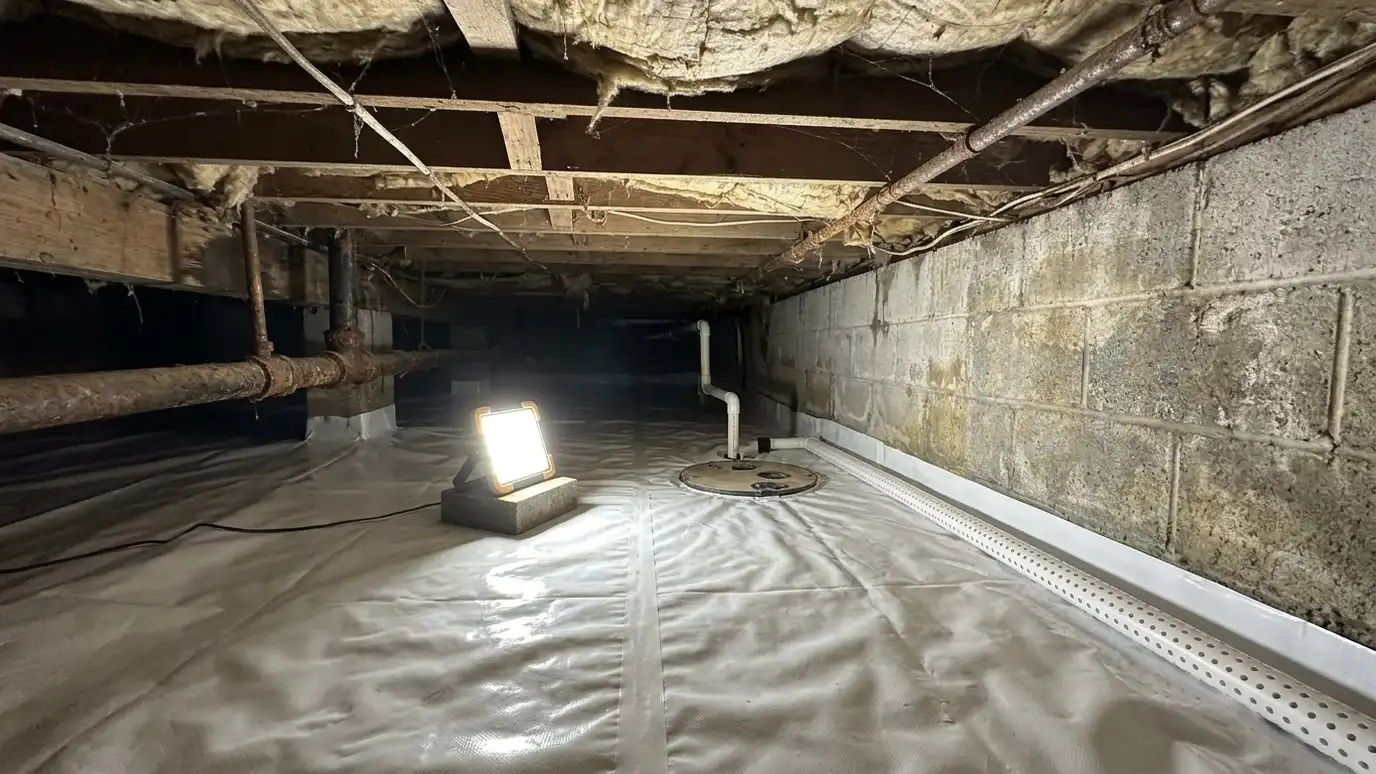
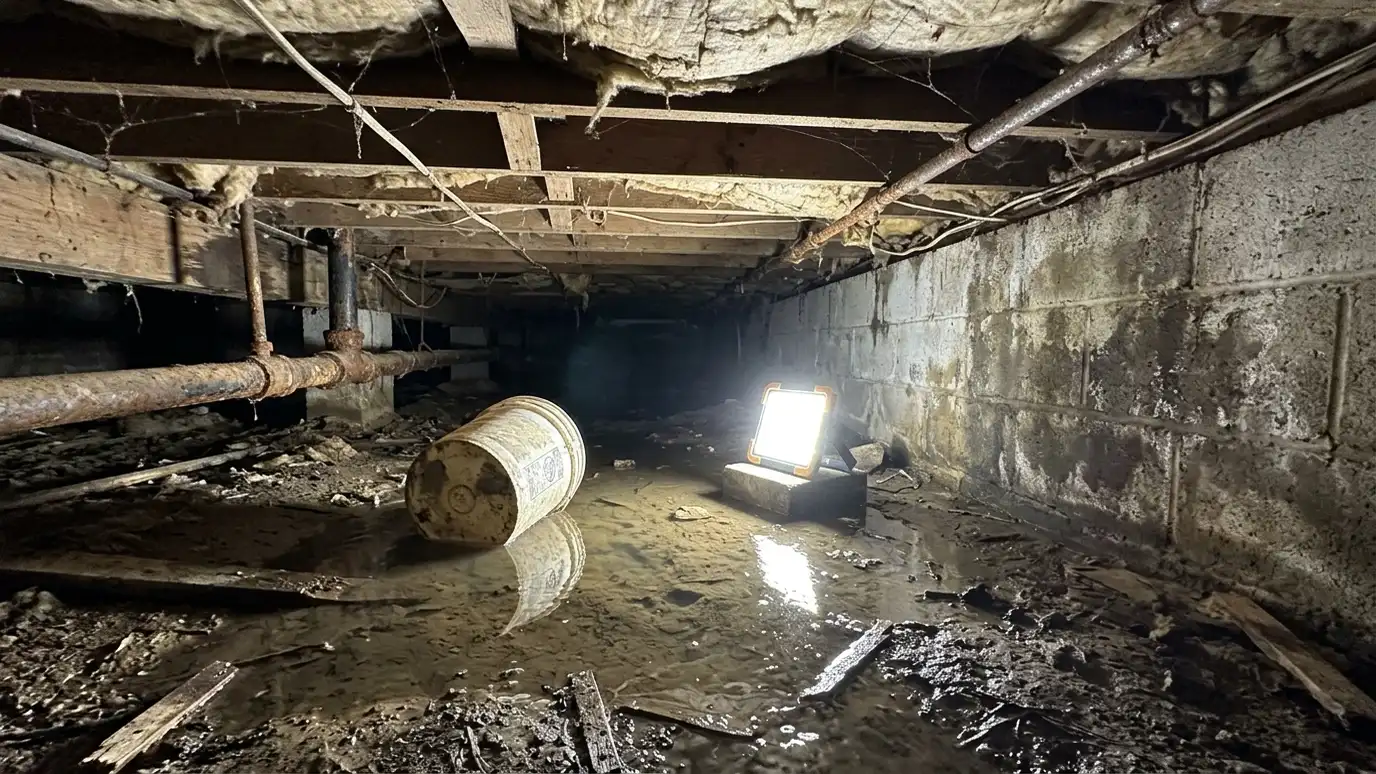 BeforeAfter
We look at all four sides.
Roof water managed first.
Soil should fall away from the wall.
Wet spots tied to outside causes.
Small fixes before big systems.
What to do first, second and later.
Every topic has its own page with what to expect and how we approach it.
 Comparison guideClay Soil and GroundwaterHow the clay soils, limestone bedrock, hills and heavy rains of Middle Tennessee affect water around foundations and…Learn more
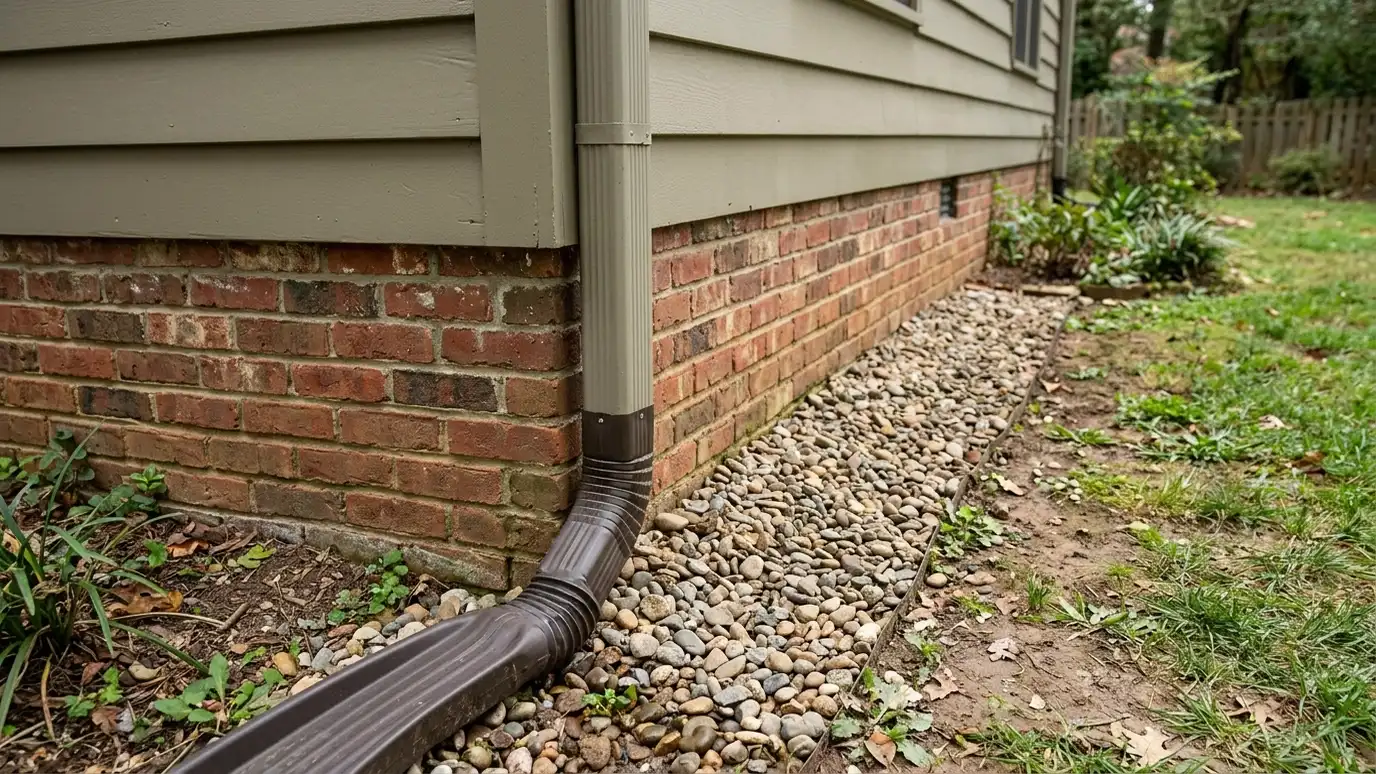 Comparison guideInterior vs Exterior DrainsHow interior drains, sump pumps, gutters, grading and exterior footing drains each handle water, where they work best…Learn more
 ResourceNational Weather Service Forecast OfficeThe National Weather Service office serving Middle Tennessee, with forecasts, rainfall totals, flood watches and warnings and weather…Learn more
Set your space, then turn on a liner, wall liner, interior drain, sump pit, dehumidifier, posts and insulation to see a top-down plan with quantities, then send the plan to us.
You tell us what you notice, from smells and cold floors to water and sagging, and we ask about the home and past work.
We enter the space, take moisture readings and photos, measure it and look at drainage outside.
You get a plain written scope with priorities, materials, schedule and options before anything is ordered.
We clear debris, repair structure and install drainage, then dry the space to safe moisture levels.
A liner, sealed vents, insulation and a dehumidifier go in, with seams taped and checked.
We walk the finished space with you, leave a care guide and photos and set a first checkup.
Sometimes. Where slope and gutters are the cause, it can help a great deal. We tell you honestly.
Clay holds water and expands, which can push water toward the foundation. We plan with that in mind.
Often both are useful. We explain what each does and which comes first.
We handle drainage and grading corrections and coordinate with landscapers for plantings and sod.
No plan can promise that. It reduces water and helps the rest of the system work.
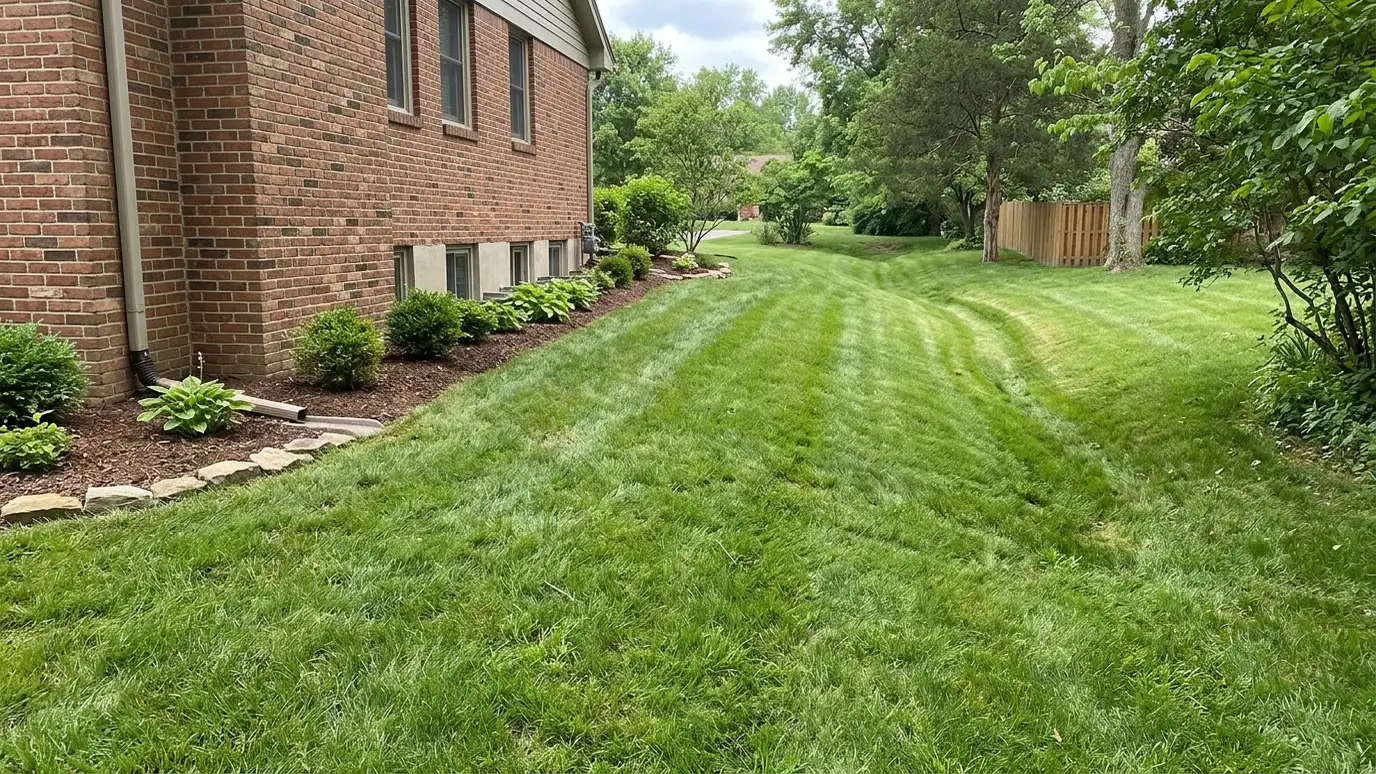 Yard GradingYard grading and surface drainage work that reshapes soil near your foundation and adds swales or drains so…Explore
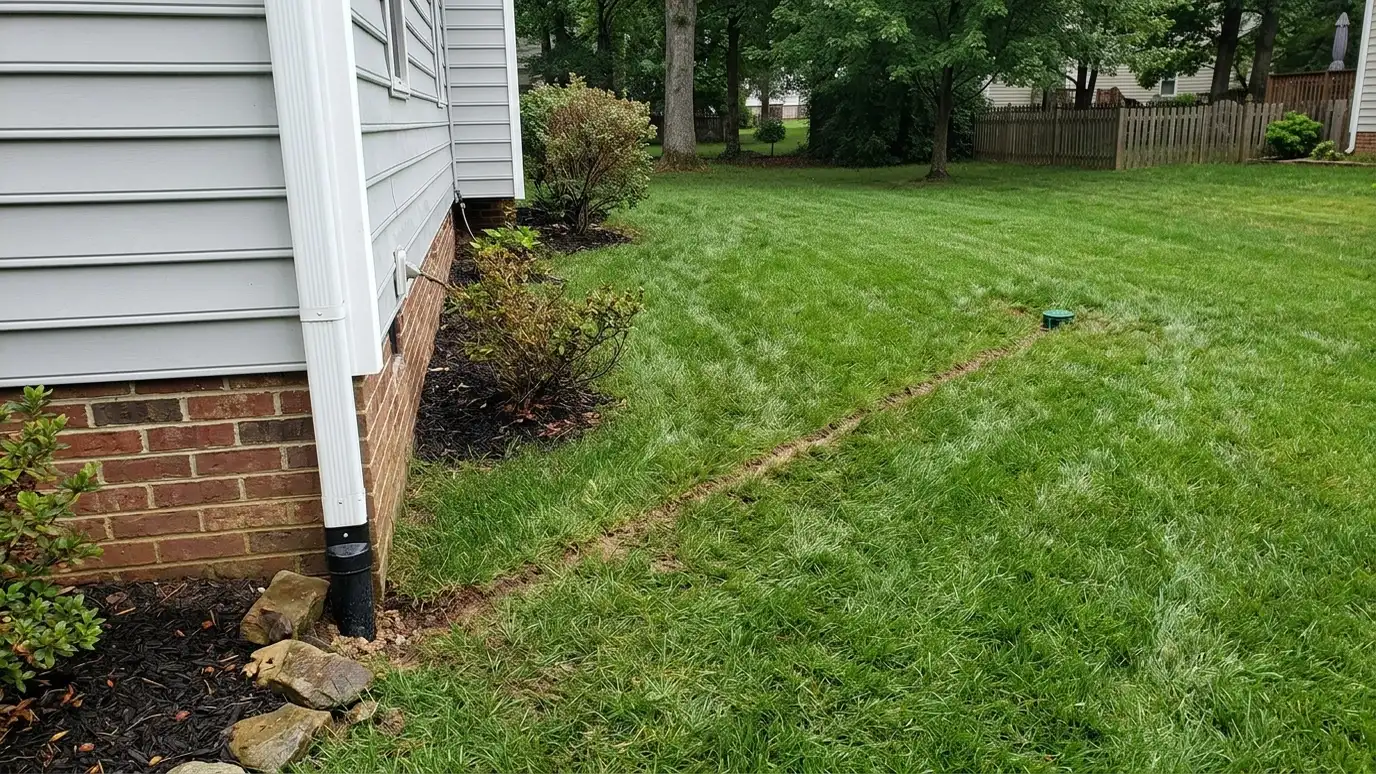 Gutter and Downspout FixesGutter and downspout drainage solutions that carry roof water well away from your foundation with extensions, splash blocks…Explore
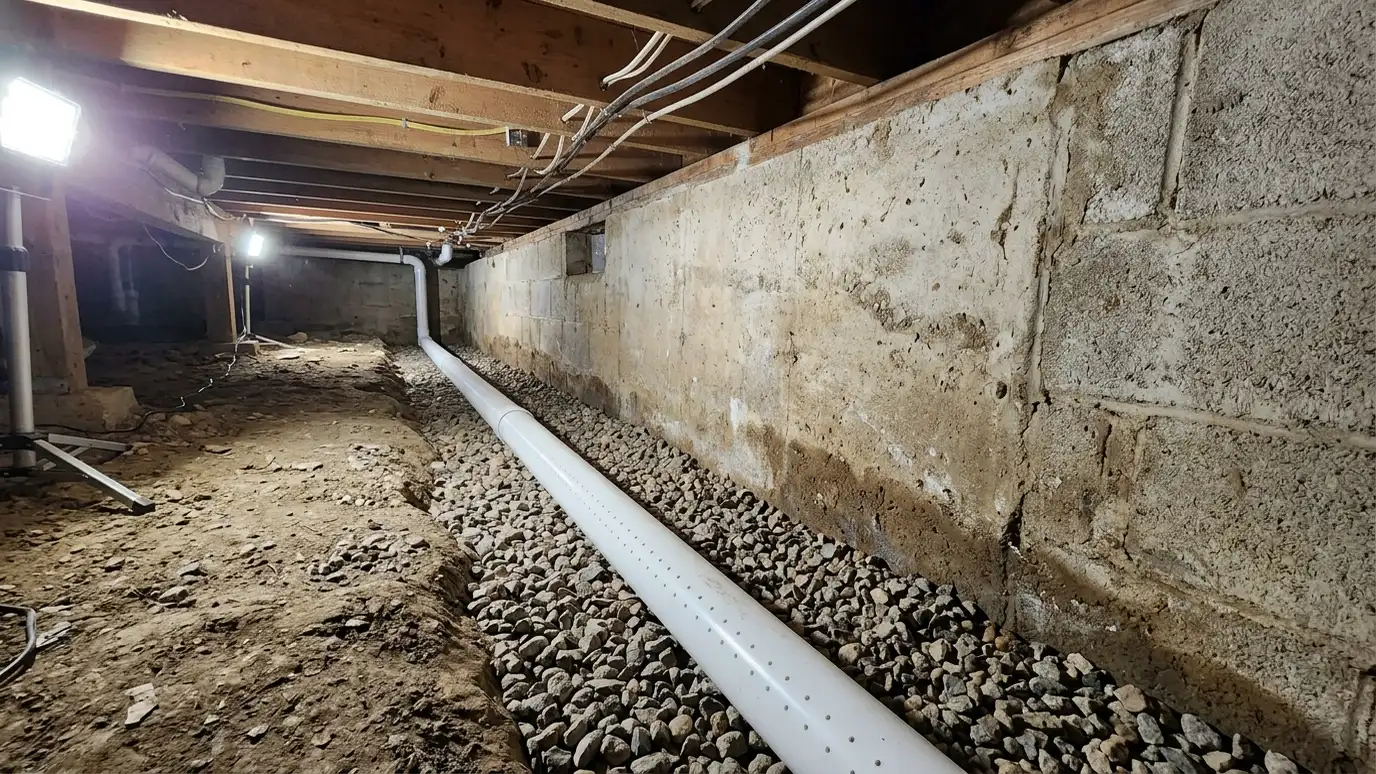 Interior DrainsInterior drainage systems that place a perforated drain in gravel along the footing or wall to collect seepage…Explore
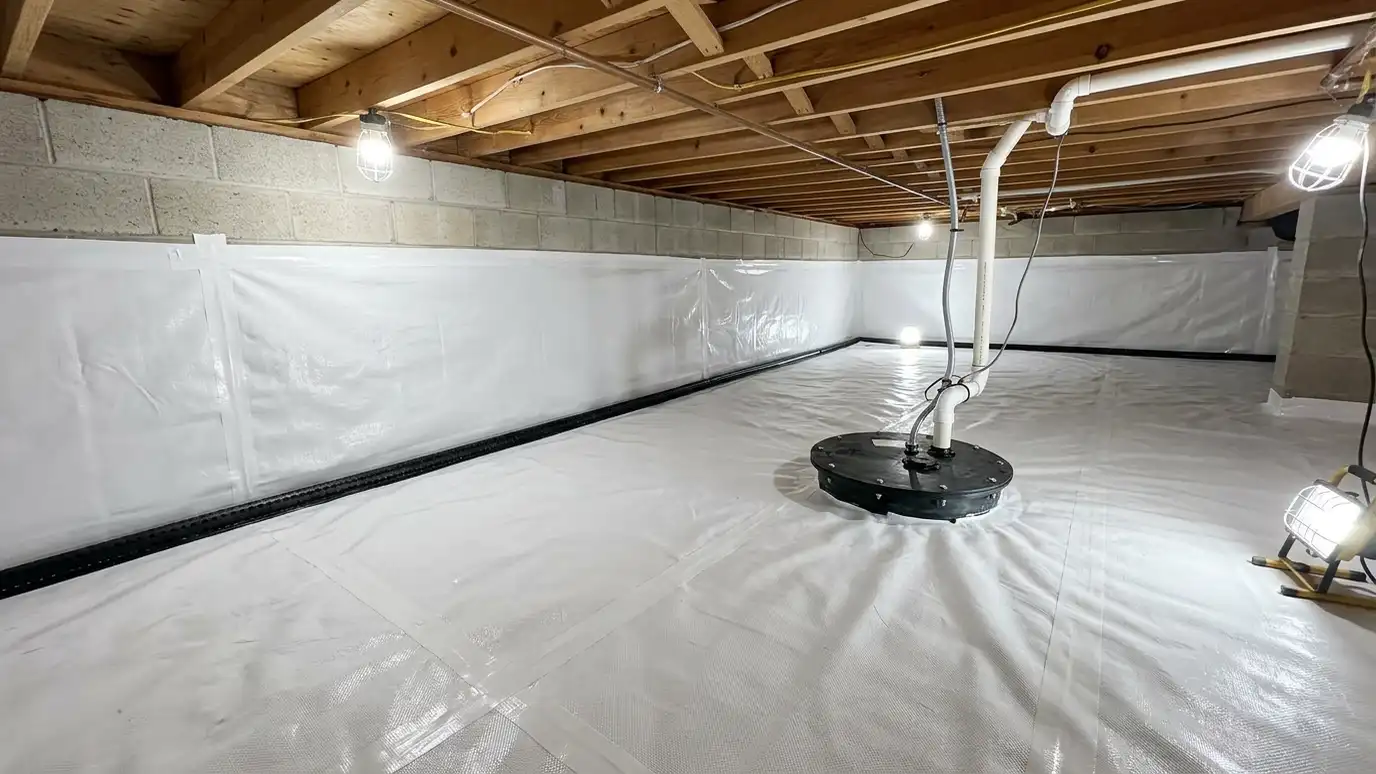 WaterproofingCrawl space waterproofing that combines drainage, a sump system, a liner and exterior fixes to keep groundwater and…Explore
Tell us about your space and we will call you back to set up a visit.
Or call (615) 357-7797 to talk now.