Structural drying and moisture removal that uses air movers and commercial dehumidifiers to dry wet joists, subfloor and soil after leaks, floods and long damp spells.
Wood that has been wet needs time and airflow to dry, and it cannot be rushed with a household fan. Commercial equipment can pull moisture out of joists, subfloors and soil in days. Homeowners in Nashville call for structural drying after a pipe leak, a flood or a long period of dampness, when the wood is above safe moisture levels.
We take baseline moisture readings and set air movers and commercial dehumidifiers to circulate and remove moisture. We monitor wood readings every day or two and adjust equipment until the wood reaches a safe range. We remove wet insulation and debris first and make sure water sources are fixed so the drying holds. When drying is done, we explain the next steps, such as cleaning, lining and preventing a repeat. Records of readings are provided so you can see progress. Keep the area clear and the power on during drying, since equipment runs around the clock. We explain the noise, the electrical load and the schedule up front, and we tell you the moment readings show the wood is safely dry.
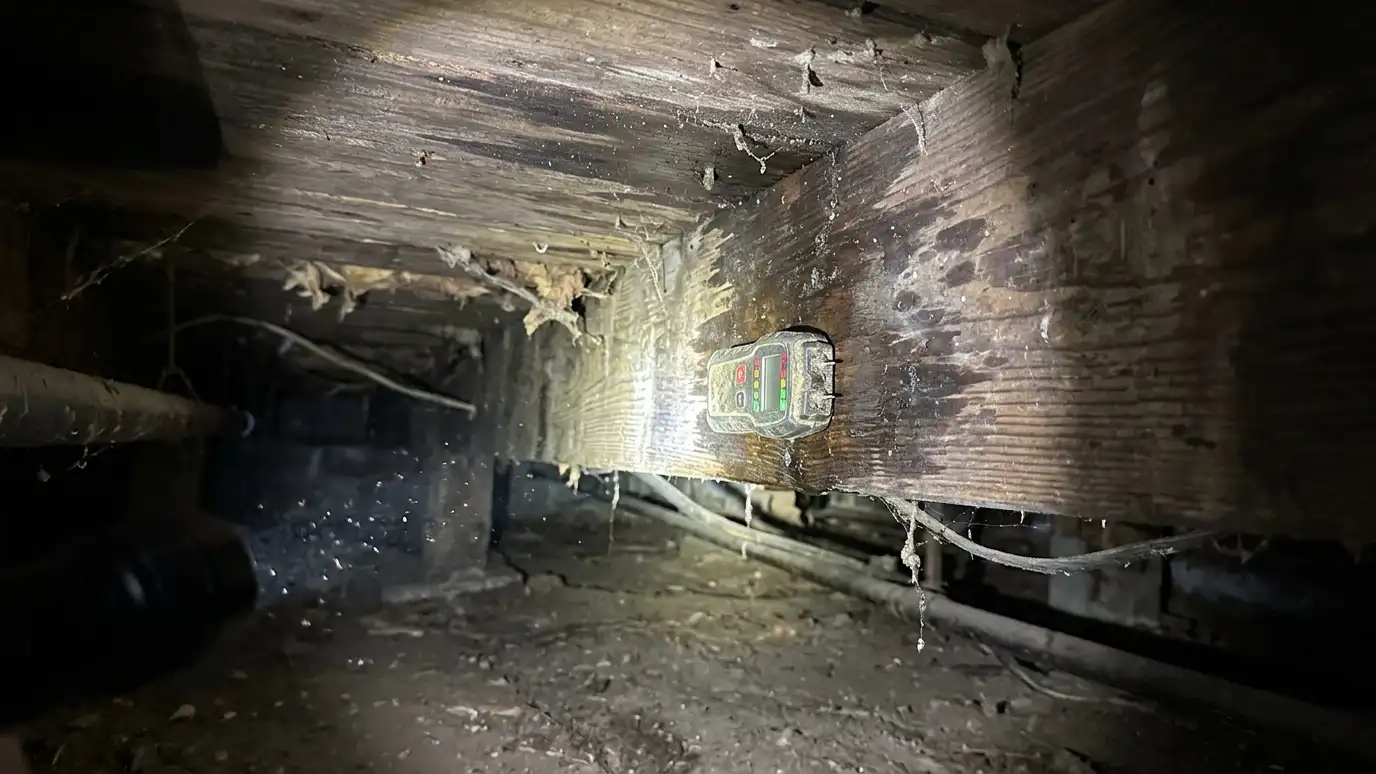
We document moisture in joists, subfloor and sill plates before we start.
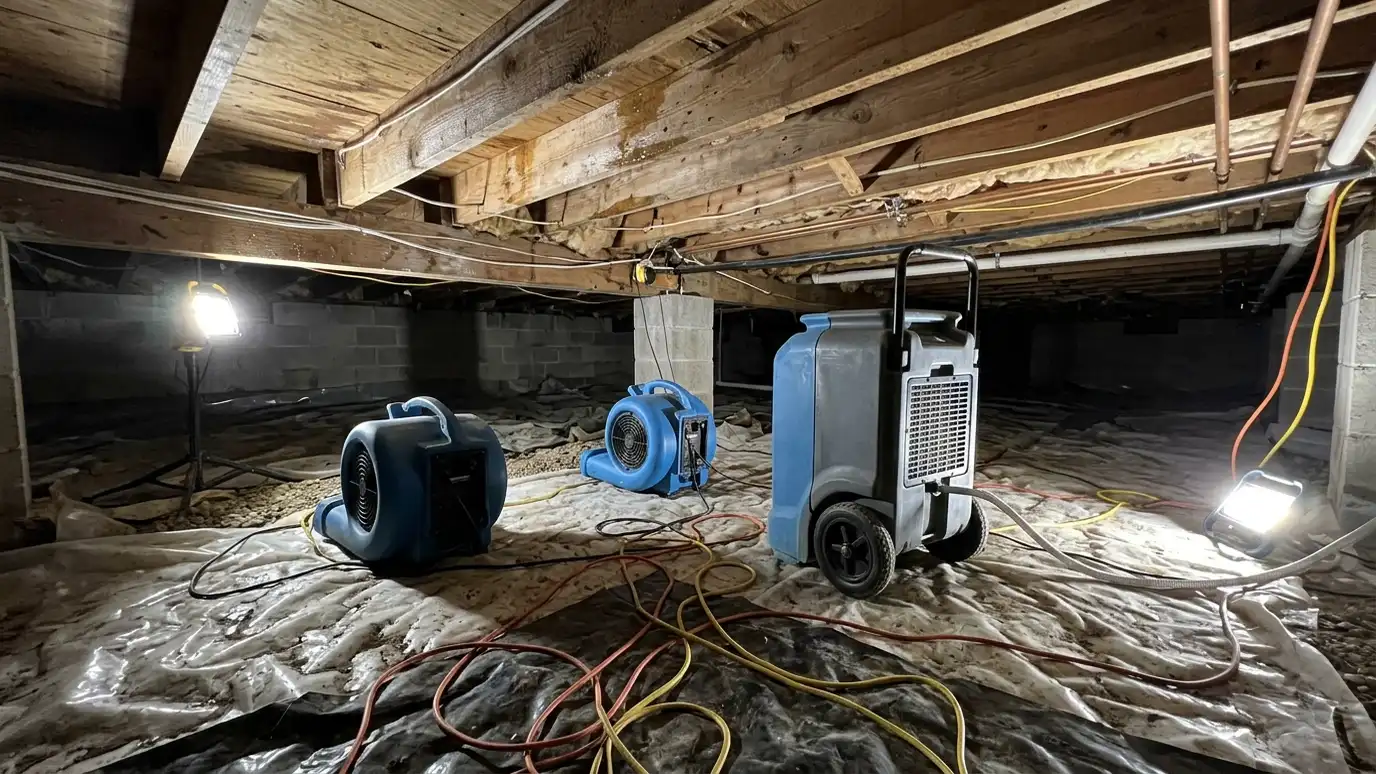
Air movers and commercial dehumidifiers are placed to move air across wet surfaces and pull moisture out.
We track readings and adjust equipment until wood reaches a safe range.
After drying, we suggest cleaning, liners and drainage to prevent repeat moisture.
Drag the handle to compare.
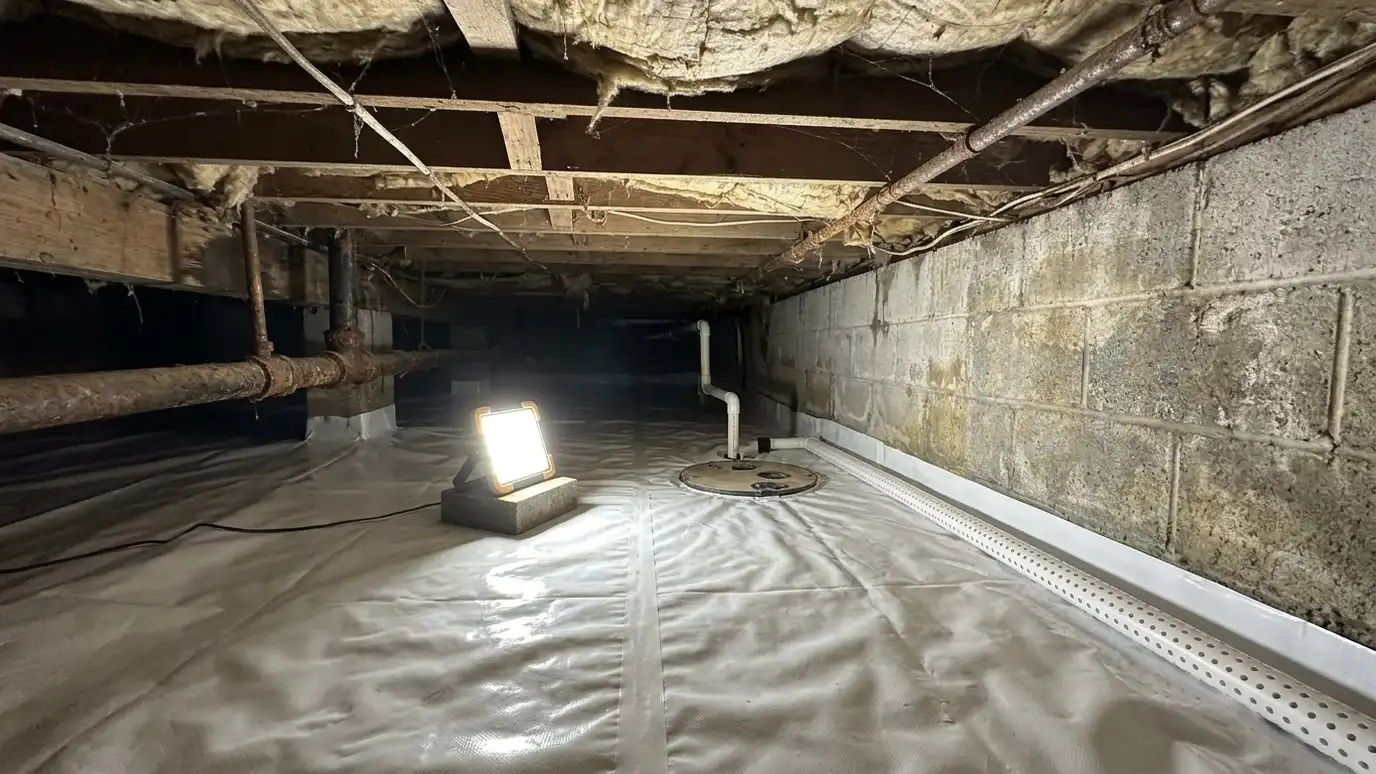
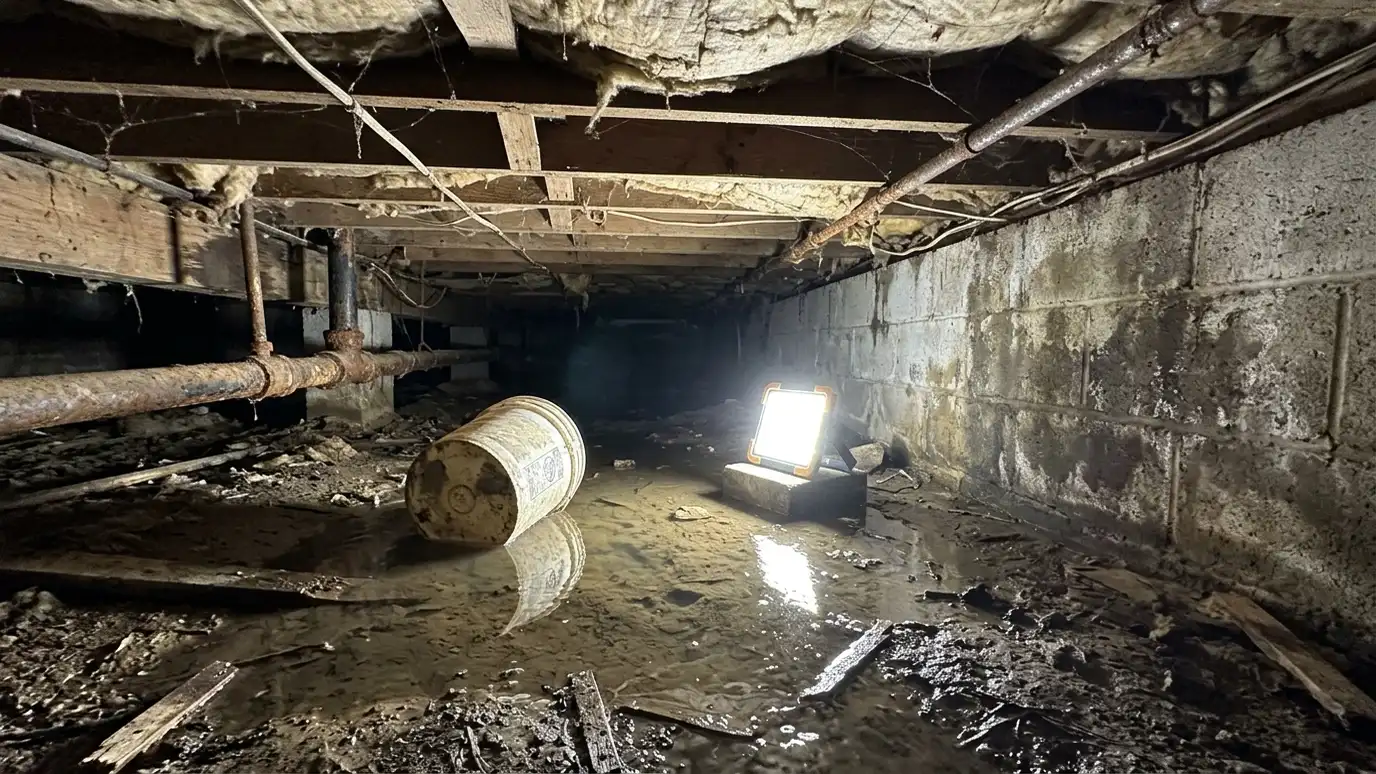 BeforeAfter
Power beyond household fans.
Progress is measured.
Drying that lasts.
Wet material cannot be dried in place.
Safe moisture range targeted.
Cleaning and prevention.
Every topic has its own page with what to expect and how we approach it.
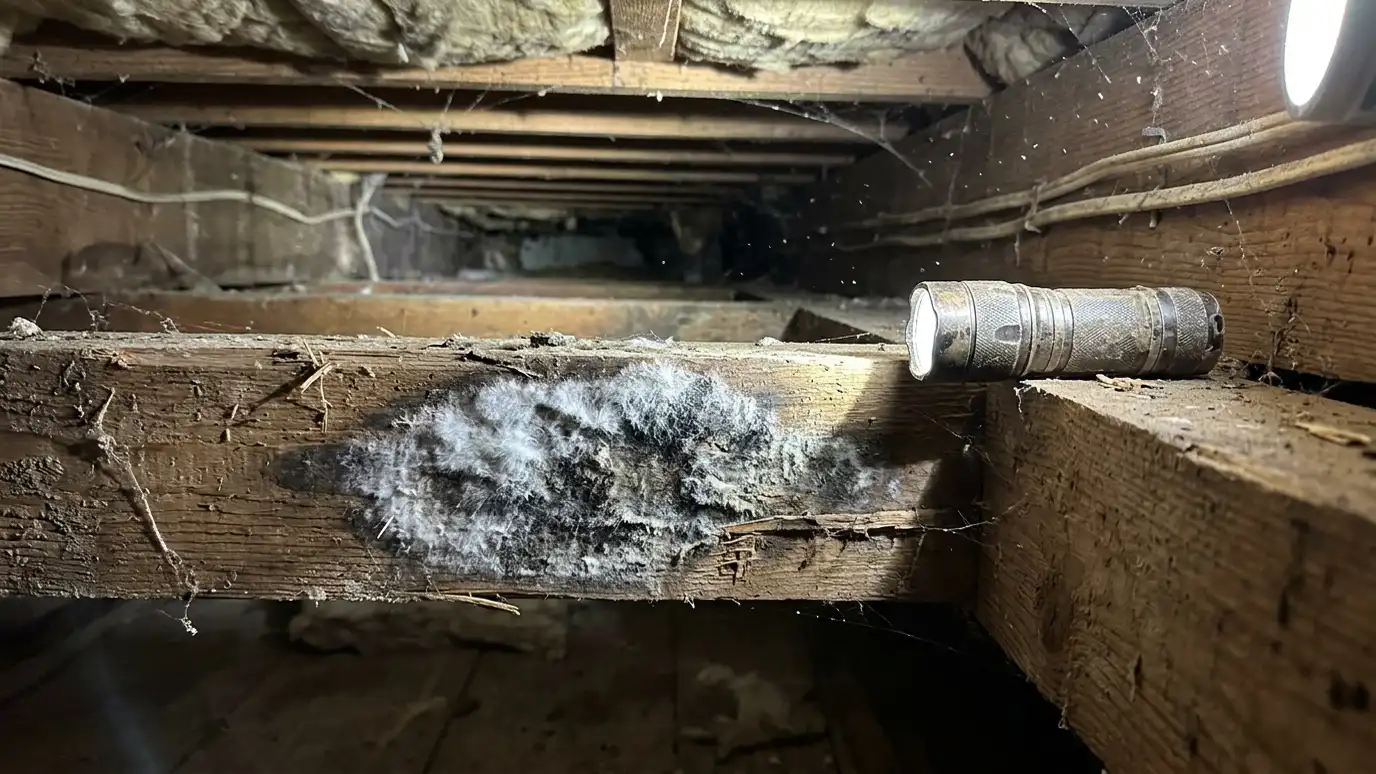 Comparison guideMold Causes and CleanupWhy mold grows under houses, how moisture, wood and time combine, what safe cleanup involves and how to…Learn more
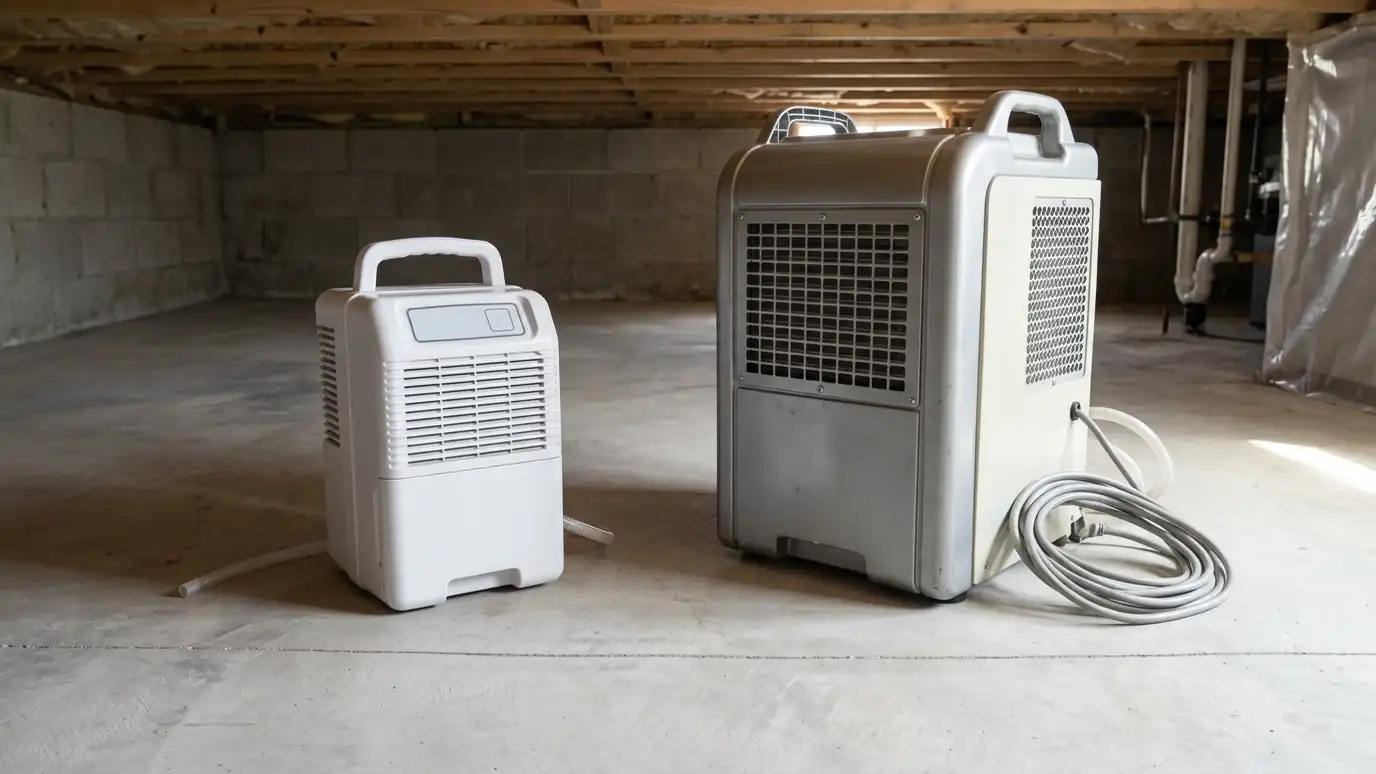 Comparison guideDehumidifier SizingHow crawl space dehumidifiers are rated, why volume and moisture load matter and how drains, controls and placement…Learn more
 ResourceIICRCA standards organization for the cleaning, inspection and restoration industries that publishes standards for water damage restoration and…Learn more
Pick a concern, such as a musty smell, standing water, sagging floors, pests, mold or cold floors, to get likely causes, what to do first and the service page that fits.
You tell us what you notice, from smells and cold floors to water and sagging, and we ask about the home and past work.
We enter the space, take moisture readings and photos, measure it and look at drainage outside.
You get a plain written scope with priorities, materials, schedule and options before anything is ordered.
We clear debris, repair structure and install drainage, then dry the space to safe moisture levels.
A liner, sealed vents, insulation and a dehumidifier go in, with seams taped and checked.
We walk the finished space with you, leave a care guide and photos and set a first checkup.
Often three to seven days, depending on how wet the materials are.
They help a little but lack the power and control of commercial equipment.
Many pros aim for below about fifteen to twenty percent in wood.
It stops conditions that feed mold, but existing growth needs cleaning.
Equipment is loud during operation. We explain how to plan for it.
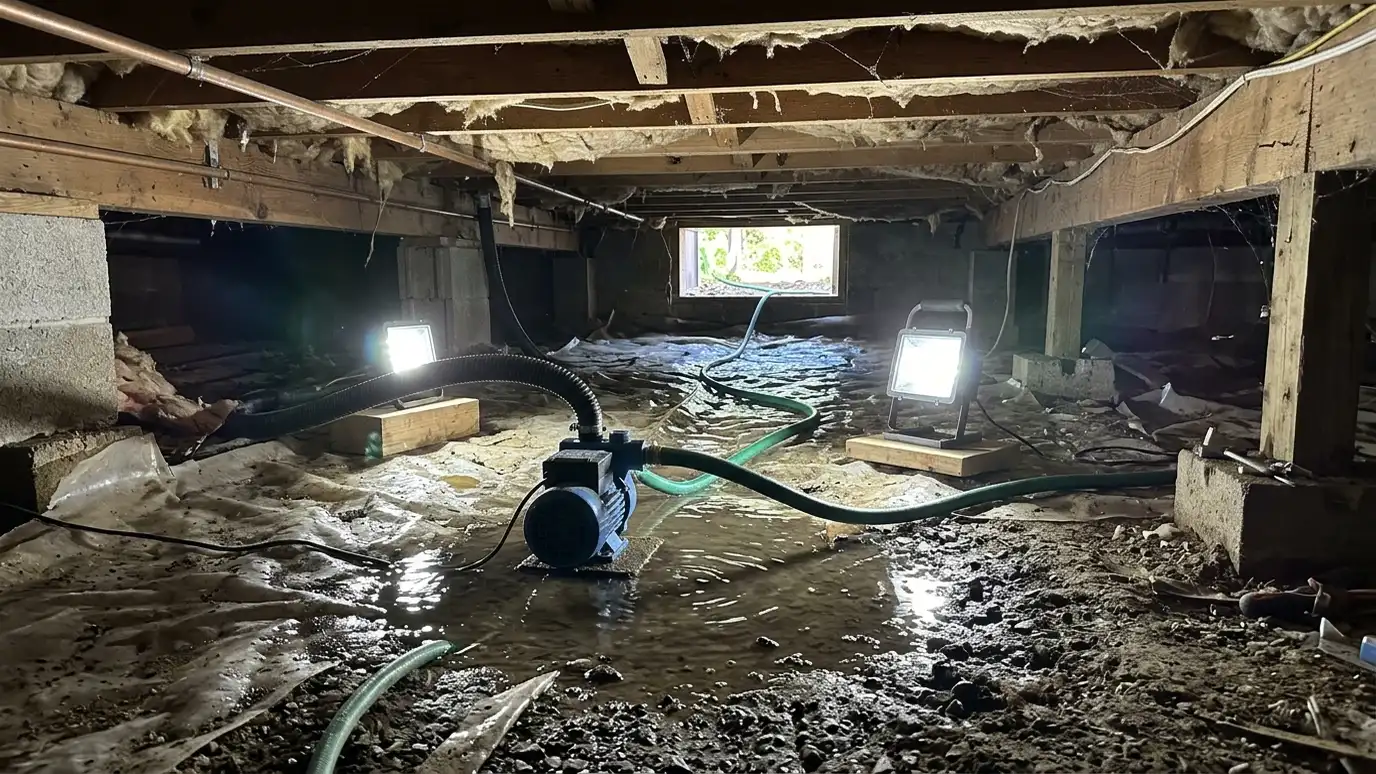 Water RemovalStanding water removal and pump-out service that clears water from a flooded crawl space, finds the cause and…Explore
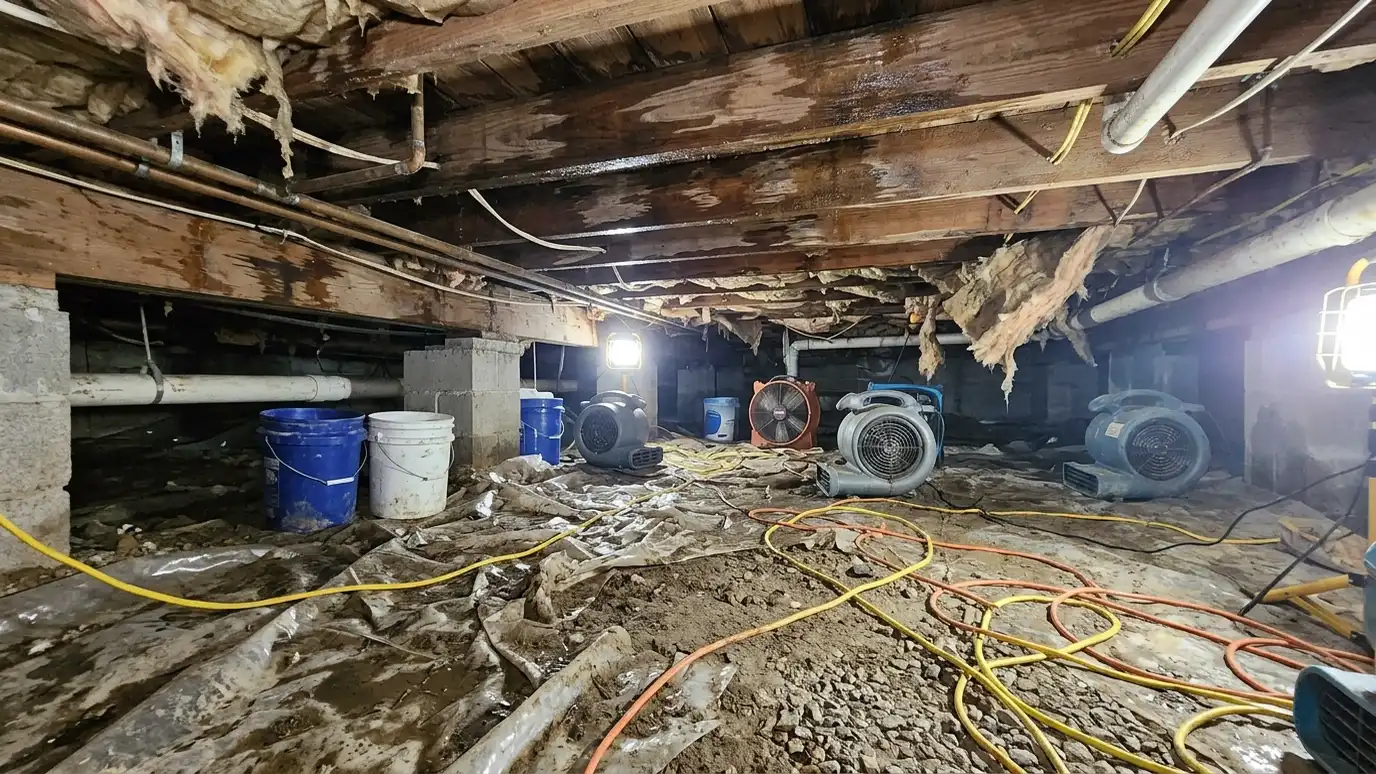 Flood CleanupFlood and water damage cleanup for crawl spaces that removes soaked insulation and debris, cleans, dries and sanitizes…Explore
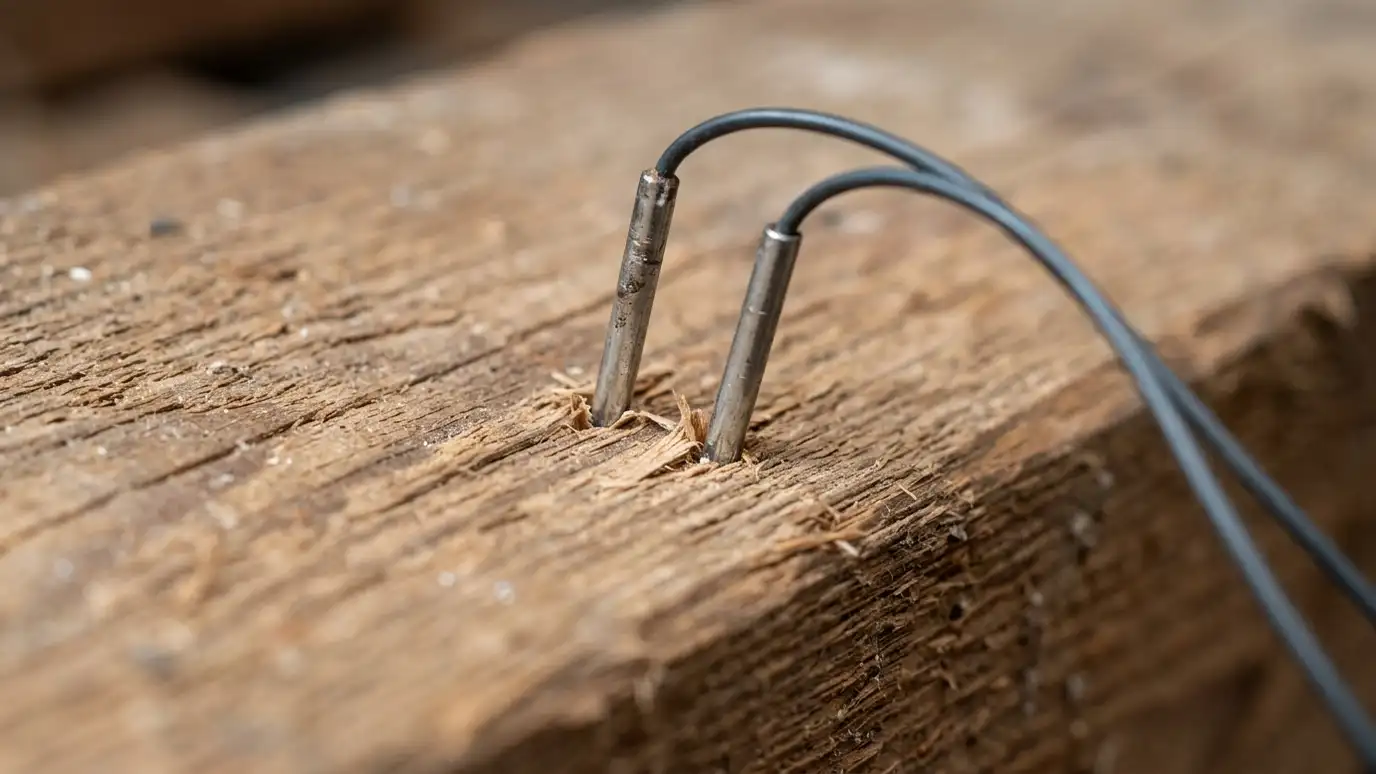 Moisture TestingMoisture and humidity testing for crawl spaces that measures wood moisture, air humidity and soil dampness so you…Explore
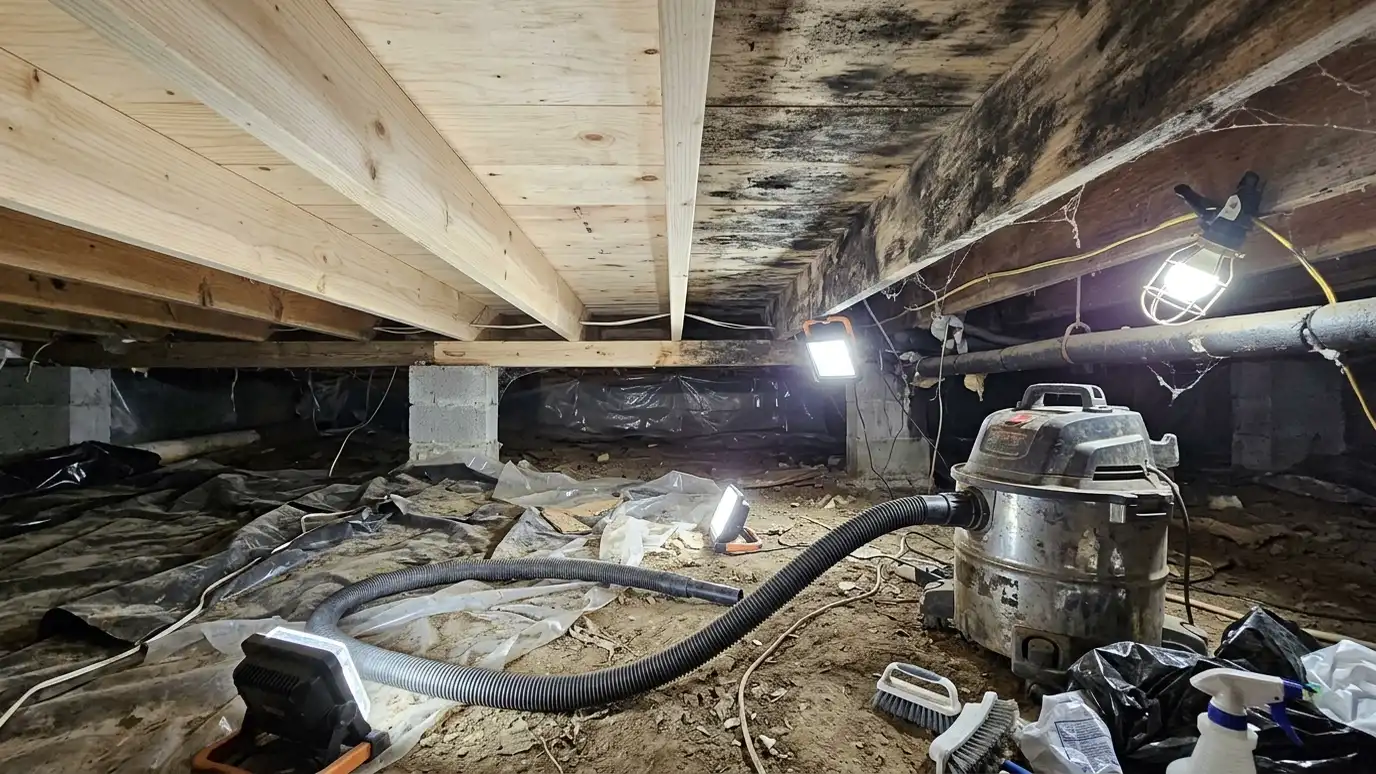 Mold RemediationCrawl space mold remediation that contains the work area, removes growth from wood, cleans and dries the space…Explore
Tell us about your space and we will call you back to set up a visit.
Or call (615) 357-7797 to talk now.