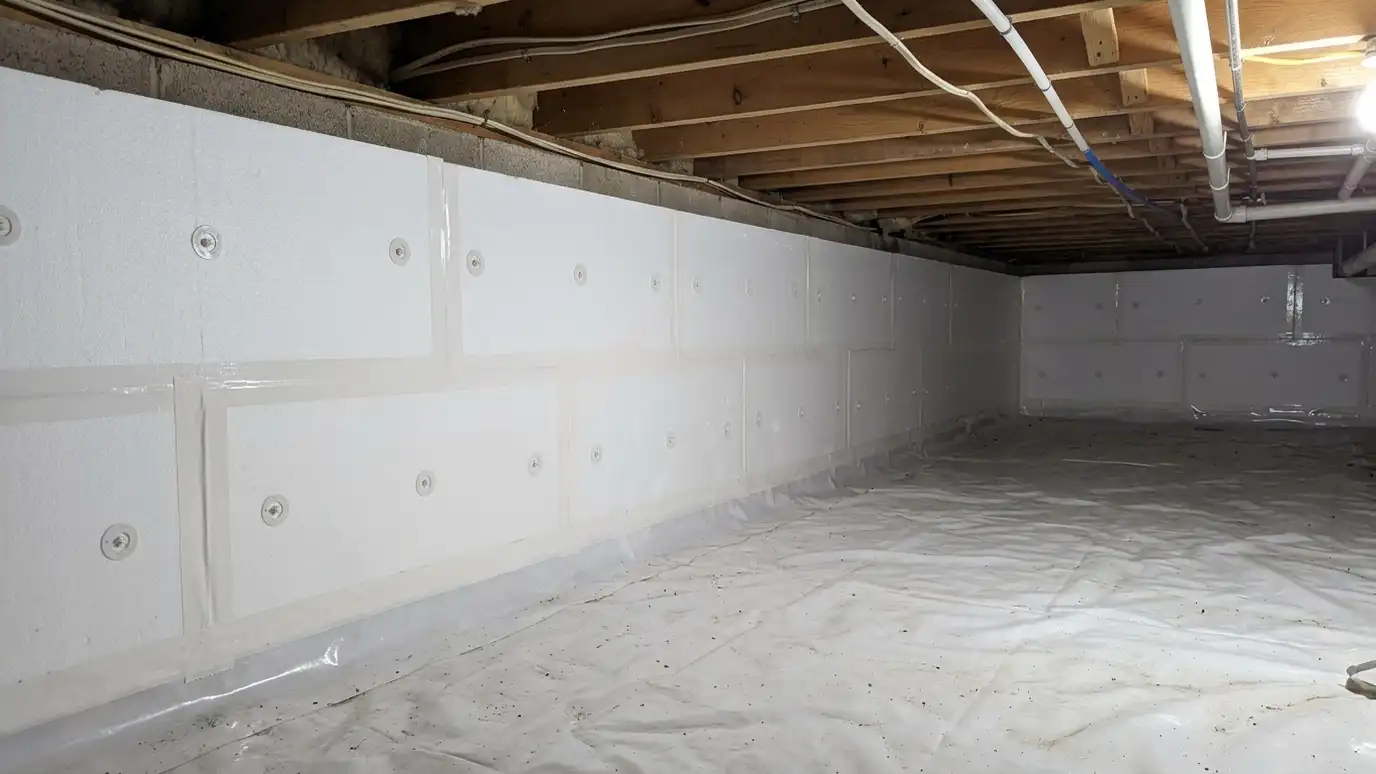
Rigid foam wall insulation that fastens foam boards to crawl space foundation walls with sealed seams to insulate sealed or conditioned spaces and block wall moisture.
Foam board is an effective way to insulate the walls of a sealed crawl space. It is rigid, resists moisture and goes up quickly, leaving the floor above open for inspection. Homeowners in Nashville like it because it makes the space warmer and brighter and fits a variety of wall types.
We clean and prepare the wall, cut boards to fit and fasten them with adhesive and mechanical fasteners. Seams are sealed with tape or foam so air does not move behind the boards, and the boards meet the floor liner at the bottom and the rim joist at the top. We choose board type and thickness to match your goals and code, and we leave a termite inspection gap where recommended. We explain how foam boards work with liners, and we advise on fire-protection coverings where local codes call for them. Ask which board type we plan to use, and why. Different boards handle moisture and fire rules differently, and understanding the choice helps you compare quotes fairly.
We clean the wall, patch gaps and level high spots so boards sit tight.
Boards are cut to fit and fastened with adhesive and approved fasteners.
Tape and foam seal the edges, so air cannot move behind the boards.
We tie the boards to the floor liner, leave inspection strips and note any covering required by code.
Drag the handle to compare.
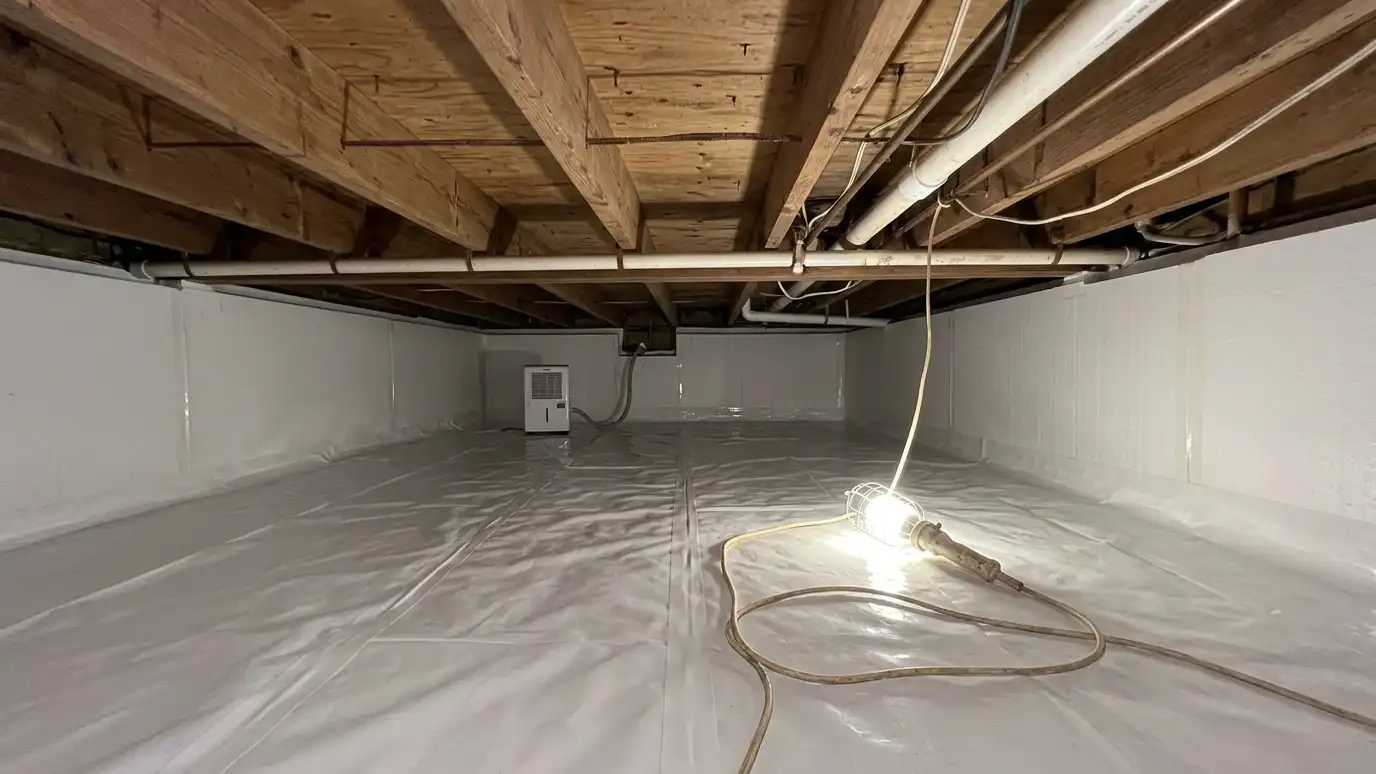
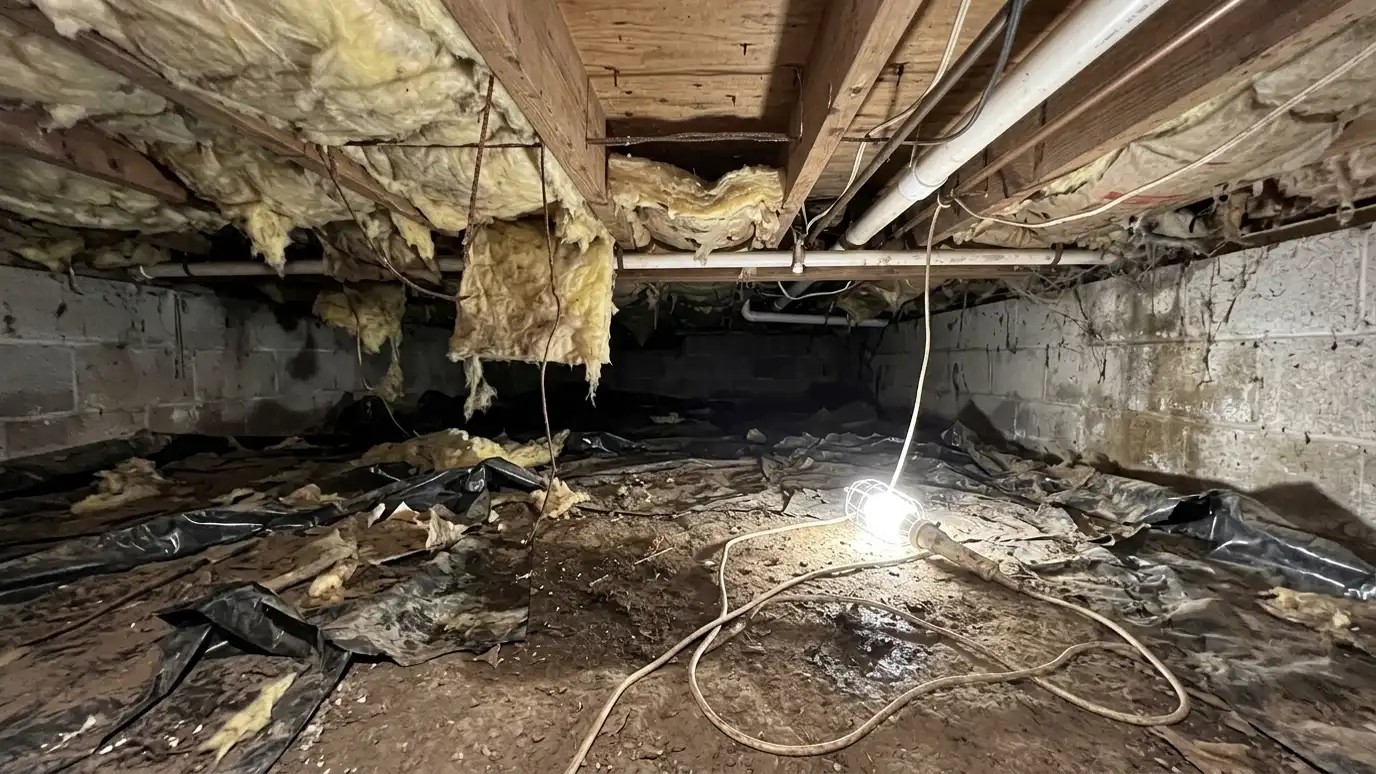 BeforeAfter
Tight corners and edges.
Air blocked behind the boards.
Continuous system.
Termite checks possible.
Local rules explained.
Easier to see and work.
Every topic has its own page with what to expect and how we approach it.
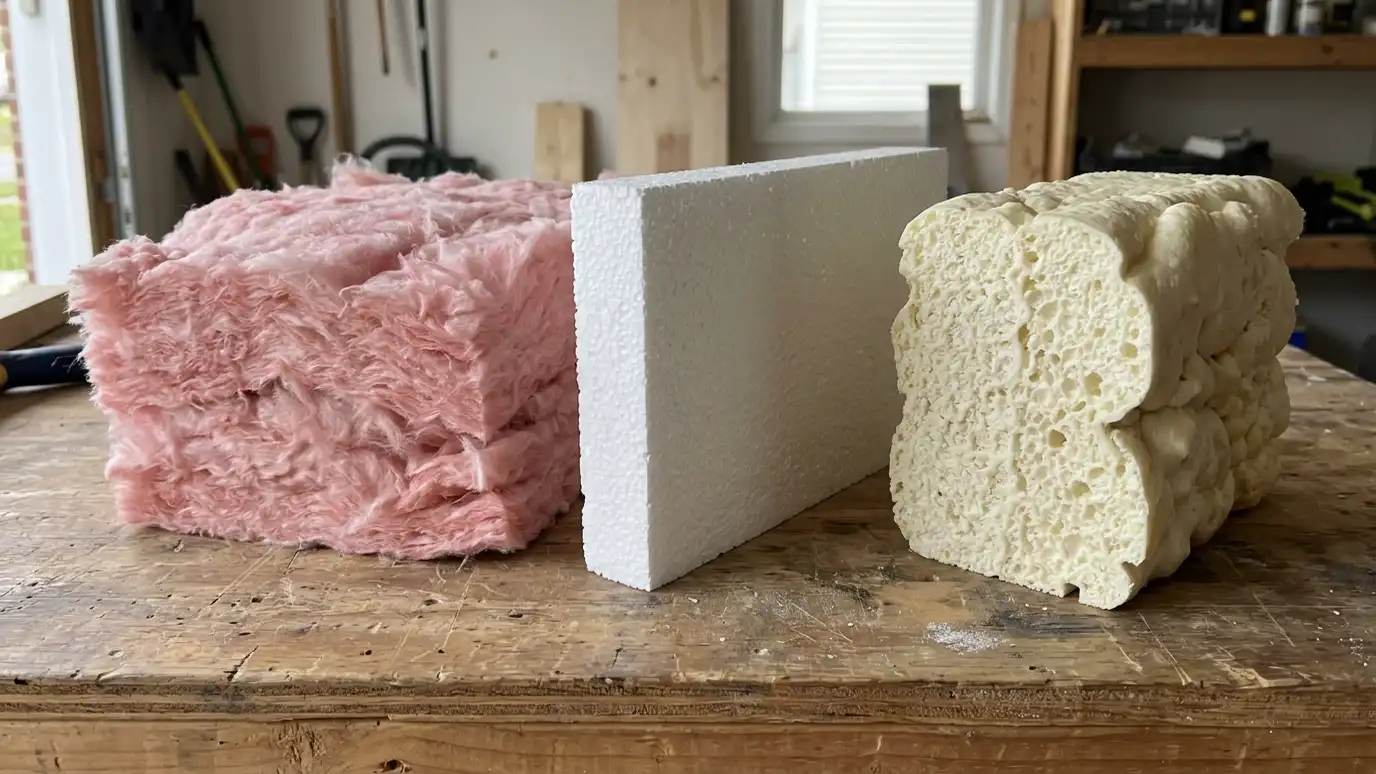 Comparison guideInsulation OptionsHow fiberglass batts, mineral wool, rigid foam board and spray foam differ for crawl space floors and walls…Learn more
 ResourceOwens CorningA maker of building materials including insulation, roofing and composites, with product guides for homes.Learn more
 ResourceDOE Energy SaverA U.S. Department of Energy resource with practical advice on home energy use, insulation, air sealing and heating…Learn more
Enter the length, width and wall height of your crawl space to see floor and wall areas, liner and tape amounts, foam boards, drain length, posts and a dehumidifier range.
You tell us what you notice, from smells and cold floors to water and sagging, and we ask about the home and past work.
We enter the space, take moisture readings and photos, measure it and look at drainage outside.
You get a plain written scope with priorities, materials, schedule and options before anything is ordered.
We clear debris, repair structure and install drainage, then dry the space to safe moisture levels.
A liner, sealed vents, insulation and a dehumidifier go in, with seams taped and checked.
We walk the finished space with you, leave a care guide and photos and set a first checkup.
In sealed spaces, foam boards resist moisture and stay in place better than batts.
Some codes require a thermal barrier or covering. We explain local rules.
It depends on goals and code. We recommend a thickness for your plan.
Some owners do, but sealing and code details matter. We can help.
Pests can tunnel in foam, so we leave inspection gaps and seal entry points.
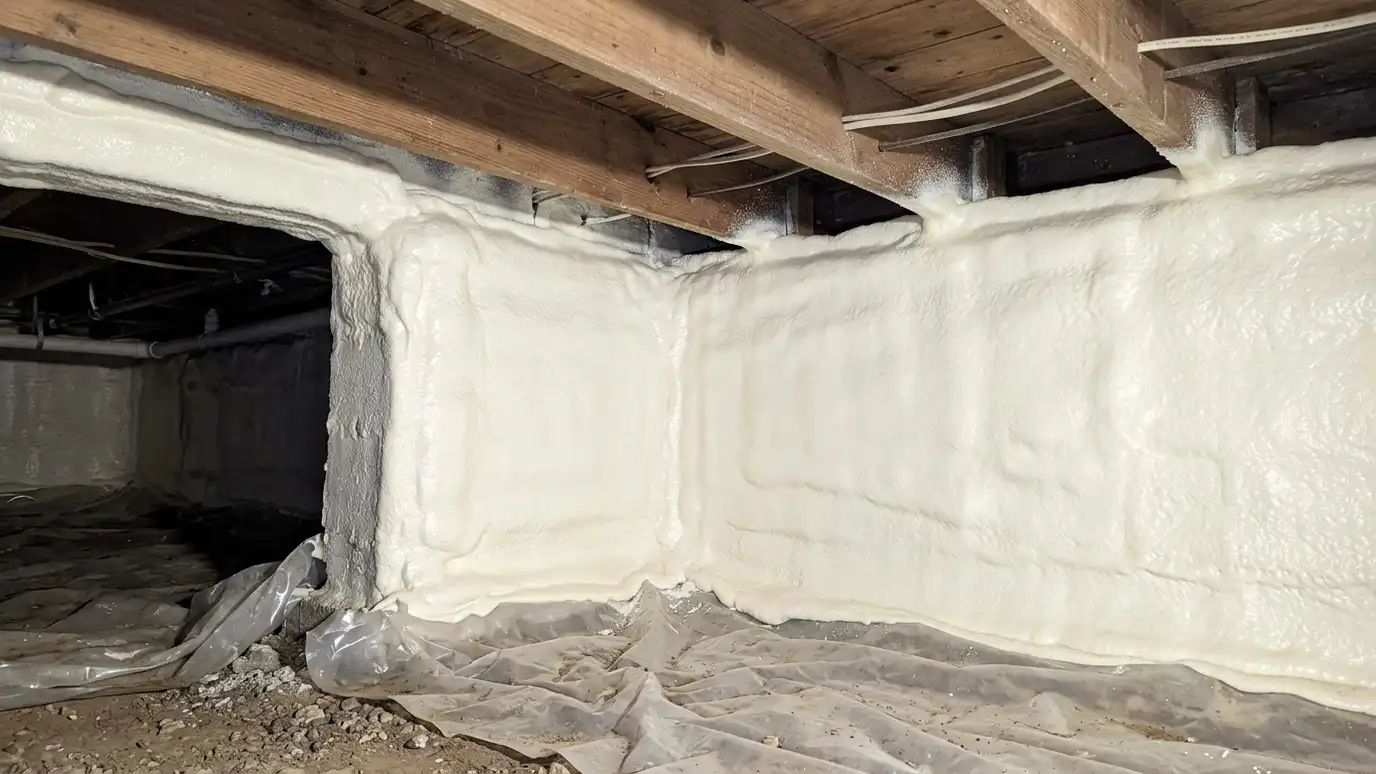 Spray Foam InsulationSpray foam insulation for crawl space walls, rim joists and floors that insulates and air-seals in one step…Explore
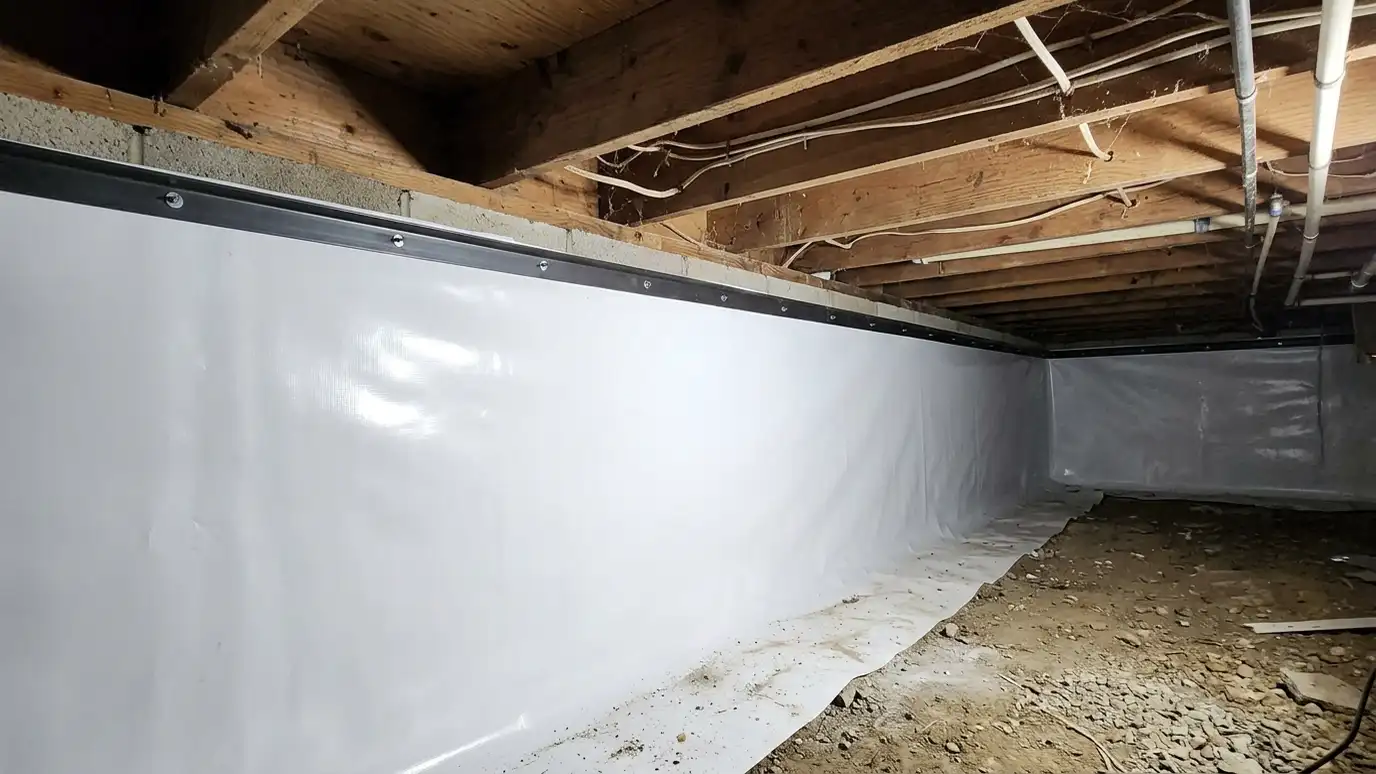 Wall LinerCrawl space wall liner installation that covers foundation walls with a clean, durable liner to block moisture seeping…Explore
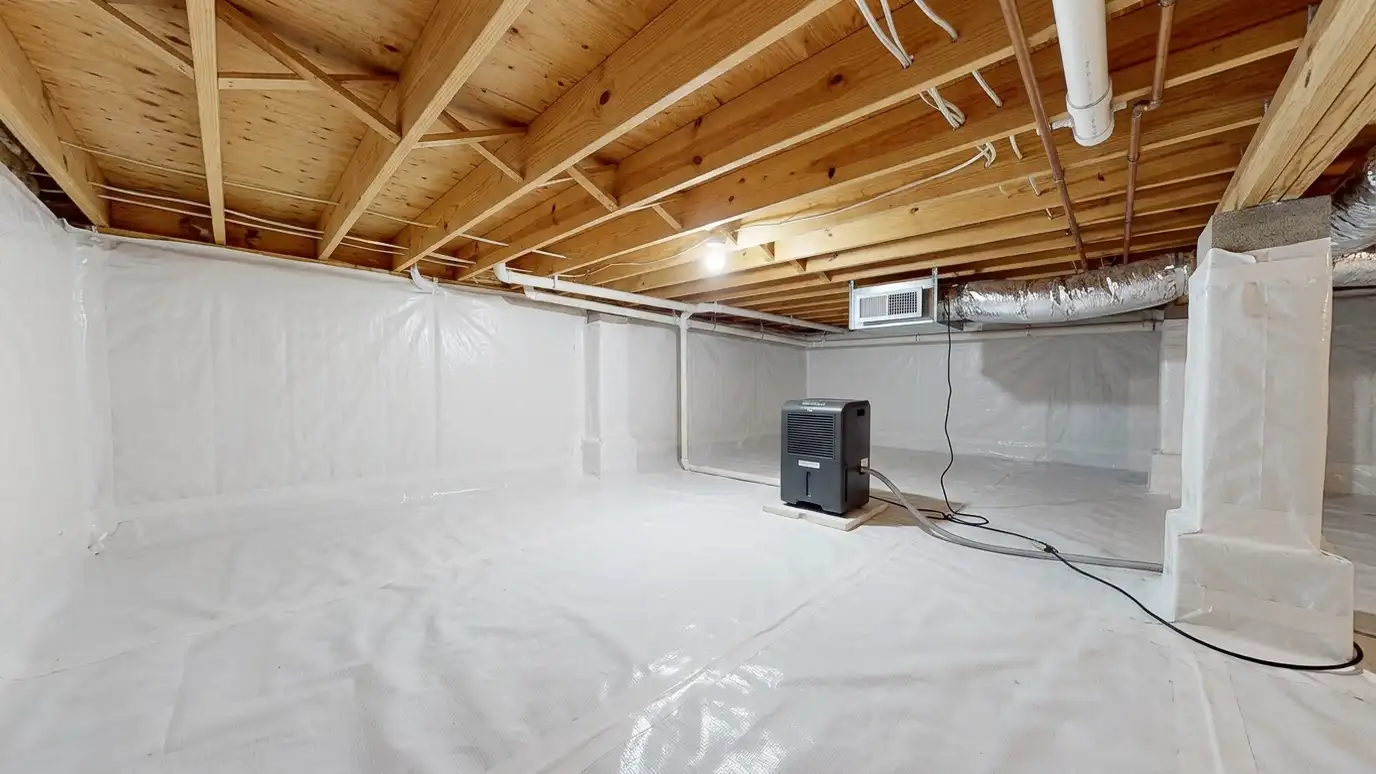 Conditioned Crawl SpaceConversion of a vented crawl space into a sealed, conditioned space with insulated walls, a liner and managed…Explore
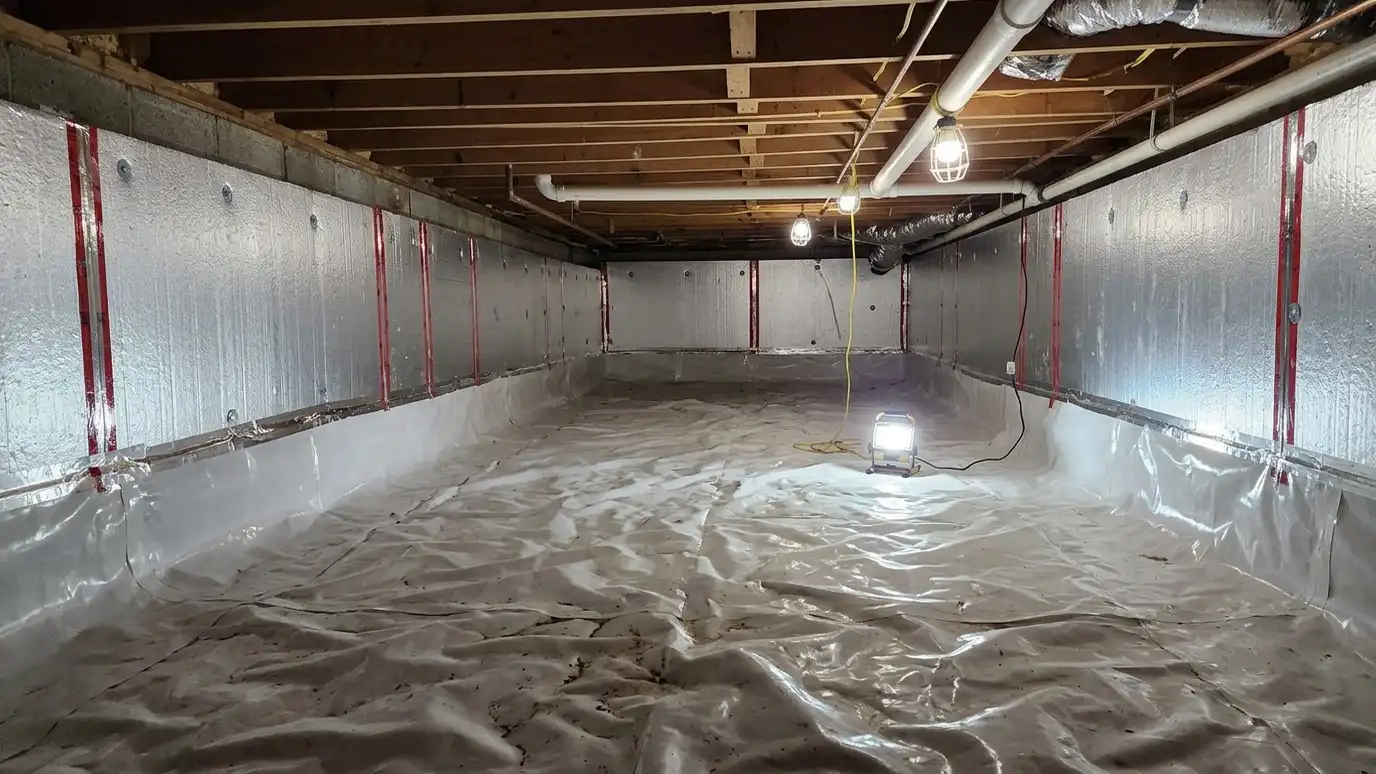 Crawl Space InsulationCrawl space insulation for floors or foundation walls, chosen to suit a sealed or vented space, to keep…Explore
Tell us about your space and we will call you back to set up a visit.
Or call (615) 357-7797 to talk now.