Start with the symptoms
List what you notice: musty smells, cold floors, sagging, pests, damp spots or mold. Each symptom points to different causes.
Add what you know about the home, its age and past water events.
An inspection turns guesses into facts.
Look at water first
If water enters, drainage comes first. Gutters, grading, drains and pumps handle liquid water, and nothing else works well until it is controlled.
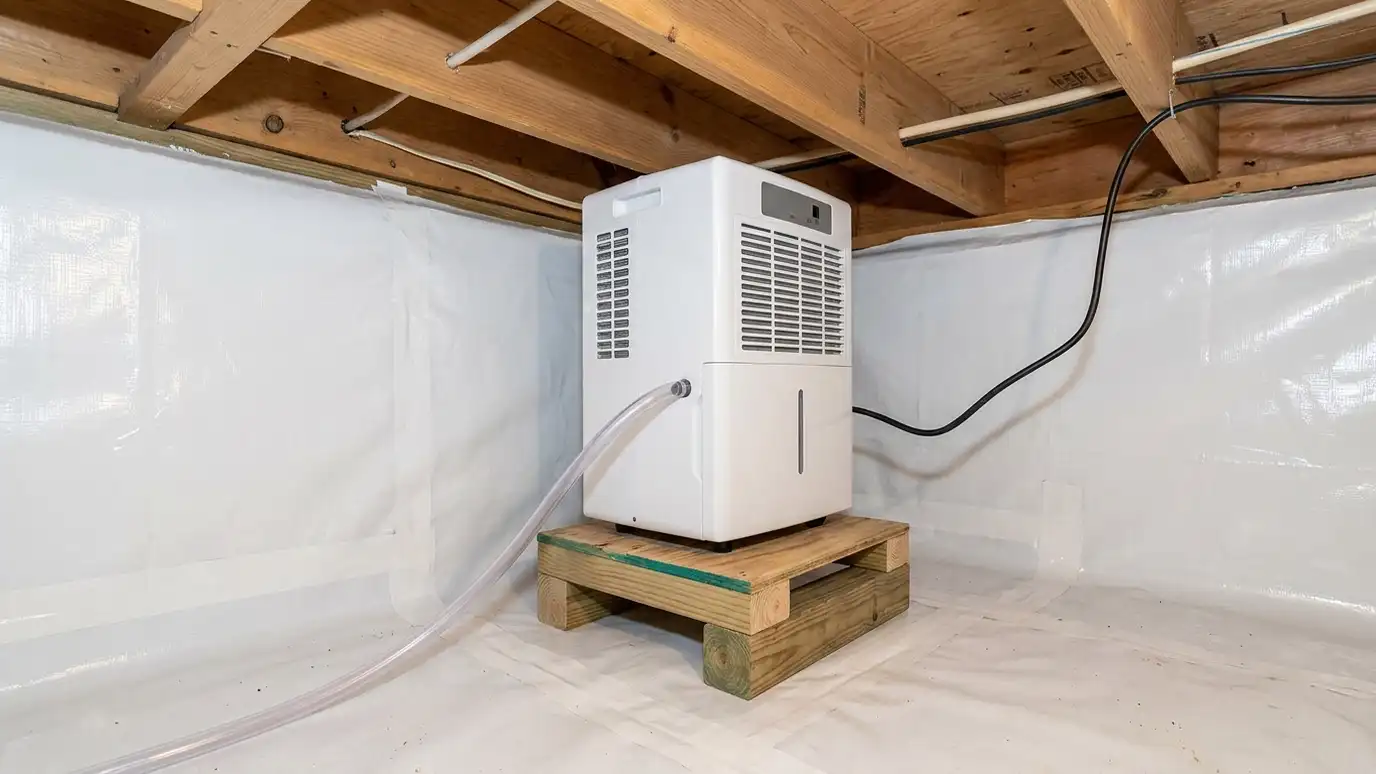
Liners and dehumidifiers manage vapor, not floods.
We find the path before we propose a fix.
Decide sealed or vented
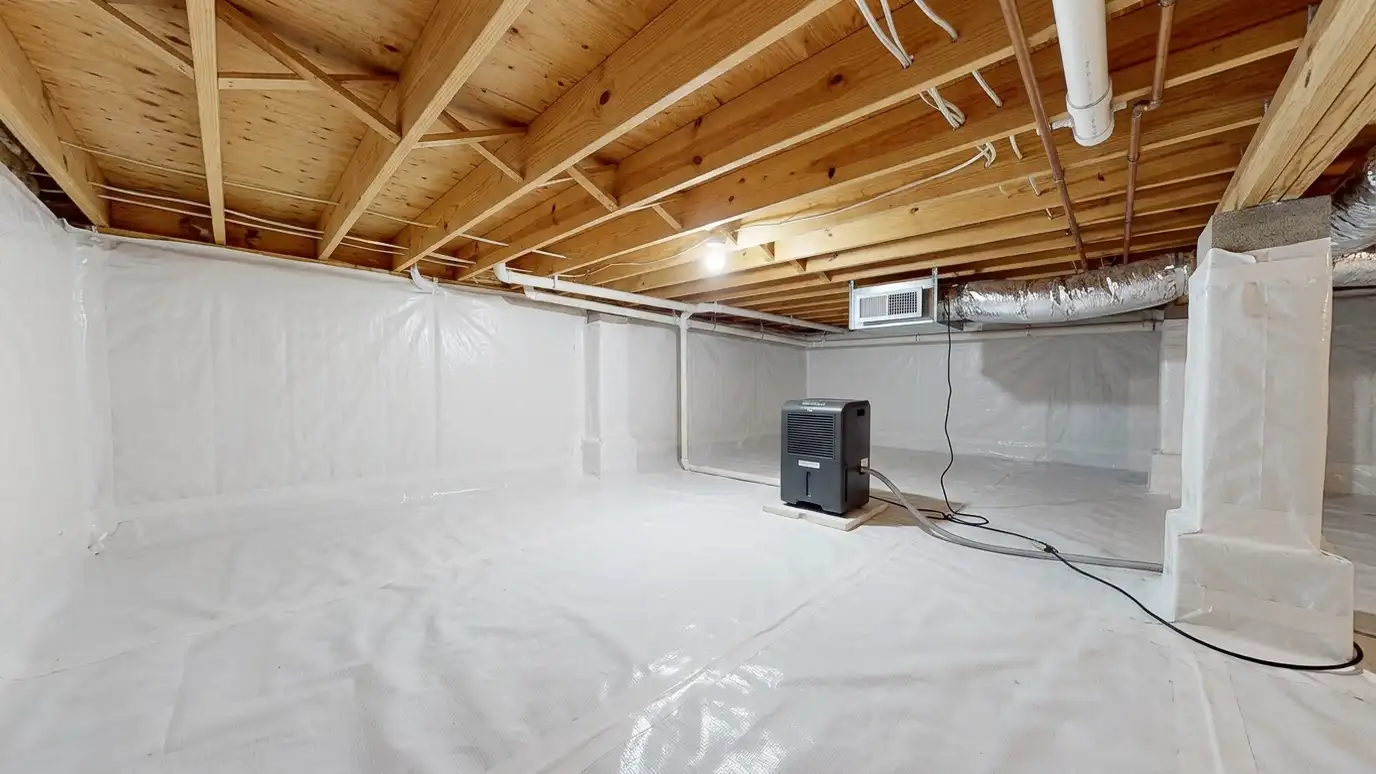
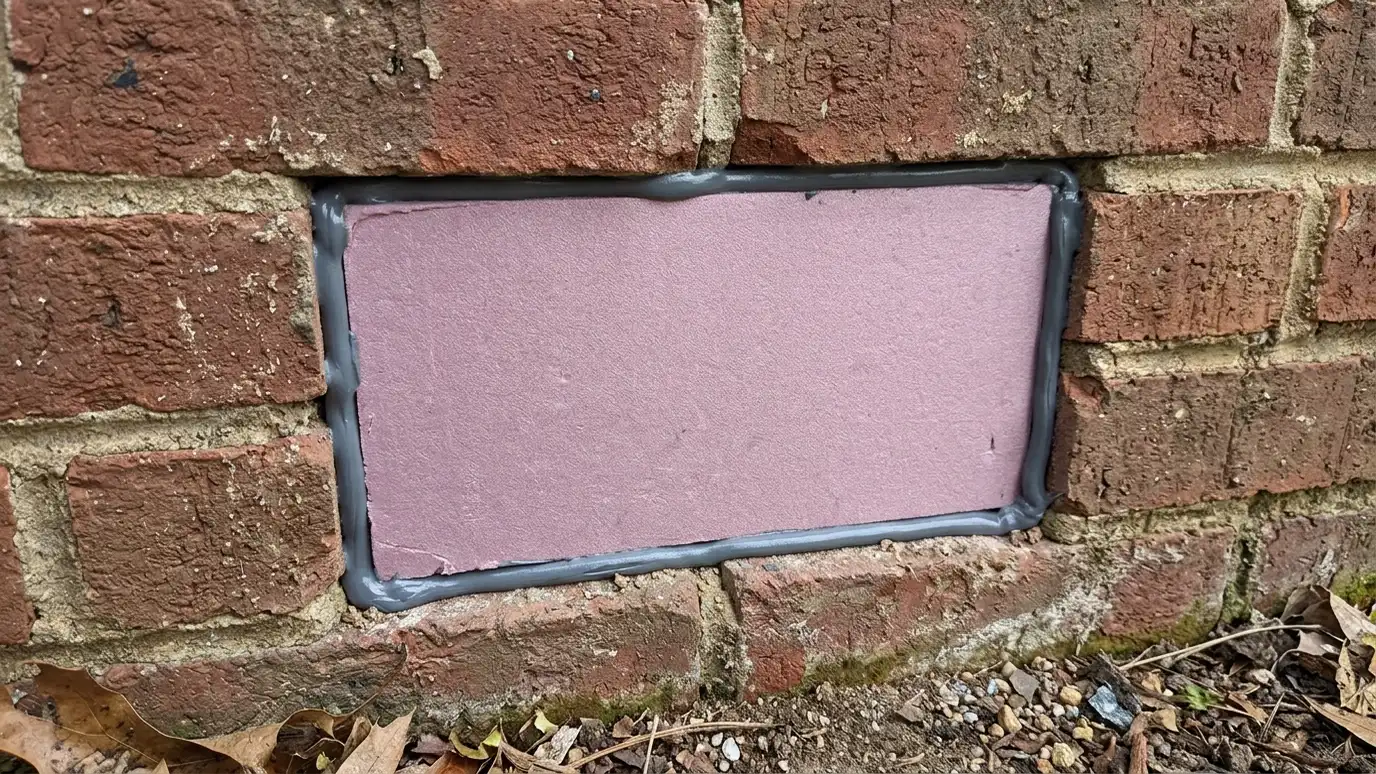
Sealed and dehumidified spaces often work well in humid climates. Vented spaces can work where drainage is excellent and appliances need open air.
Local code and appliances decide the details.
We explain both paths and what each requires.
Choose the liner and walls
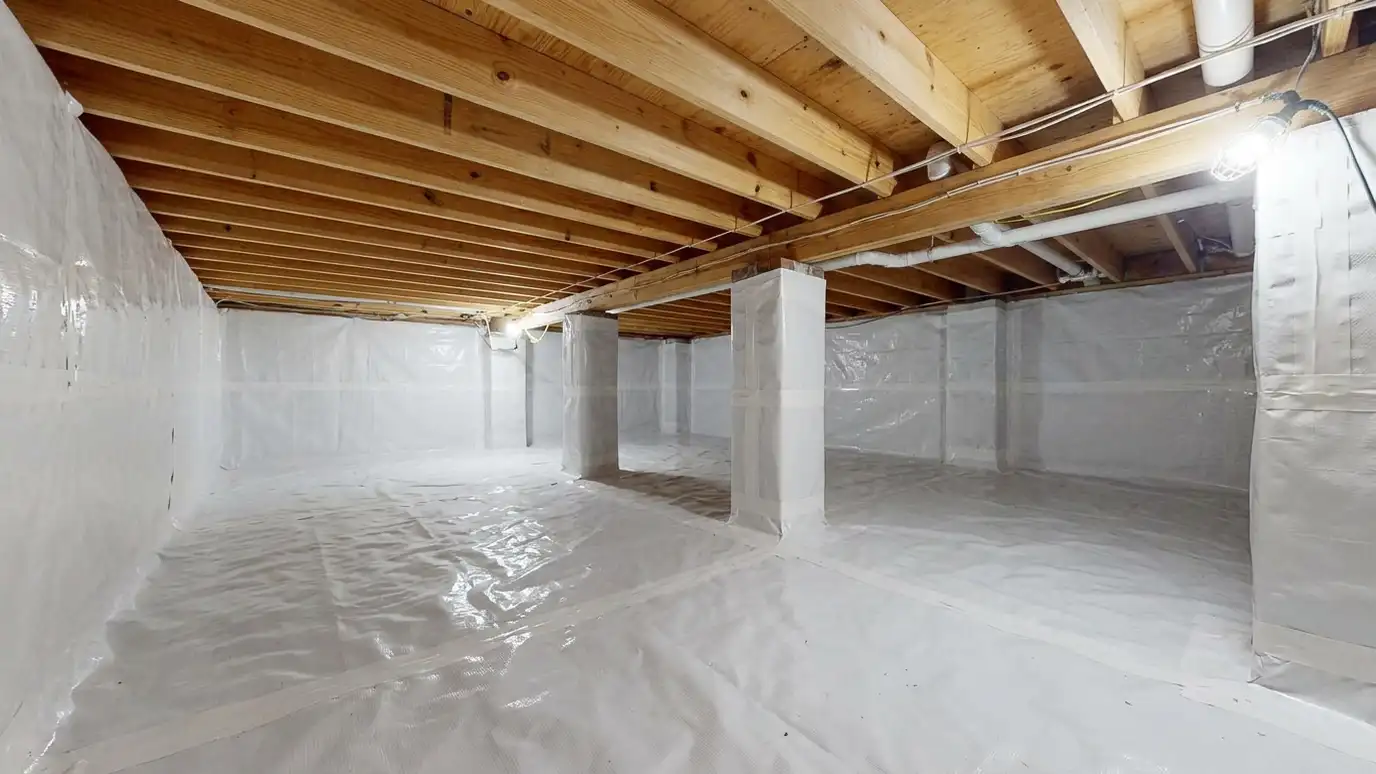
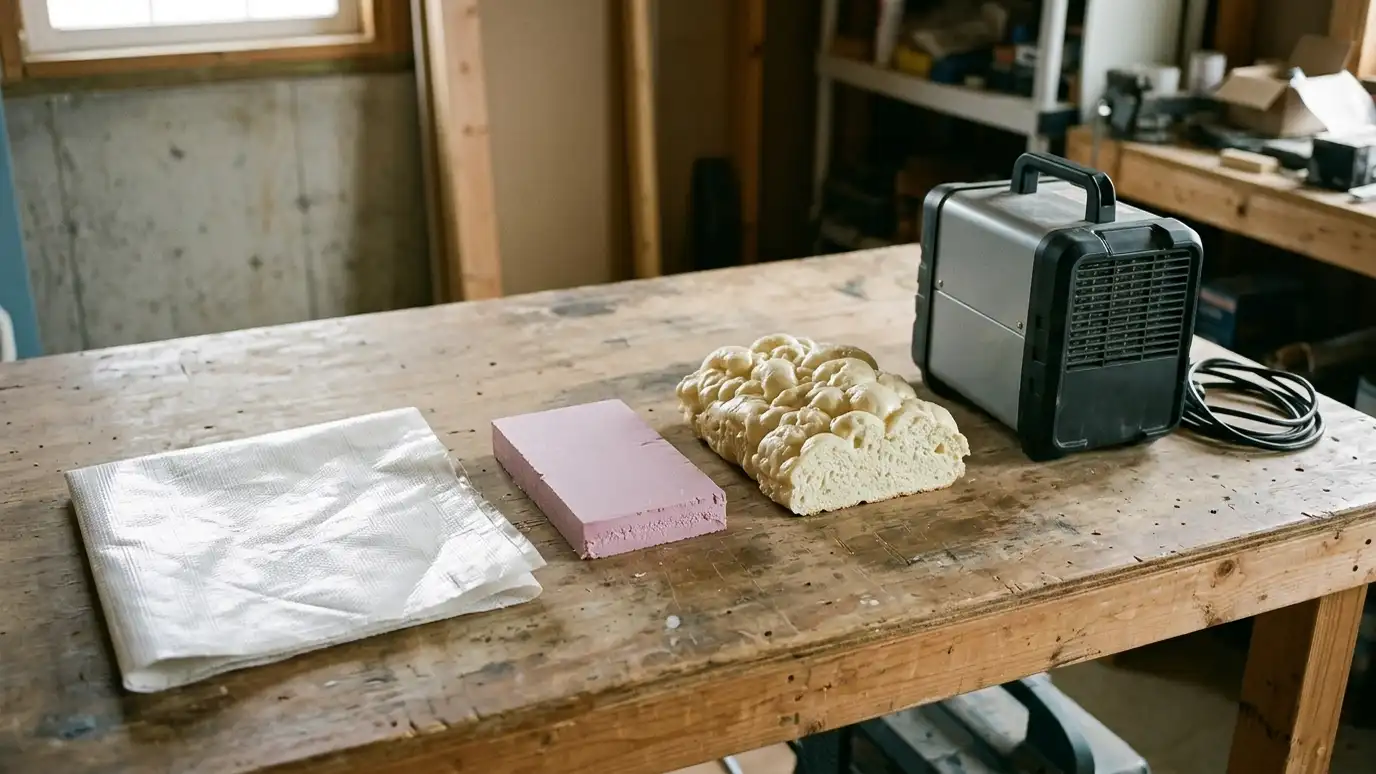
A heavy reinforced liner on the floor and walls gives lasting protection. Lighter products suit calm, dry spaces.
Seams, edges and wraps around piers matter as much as thickness.
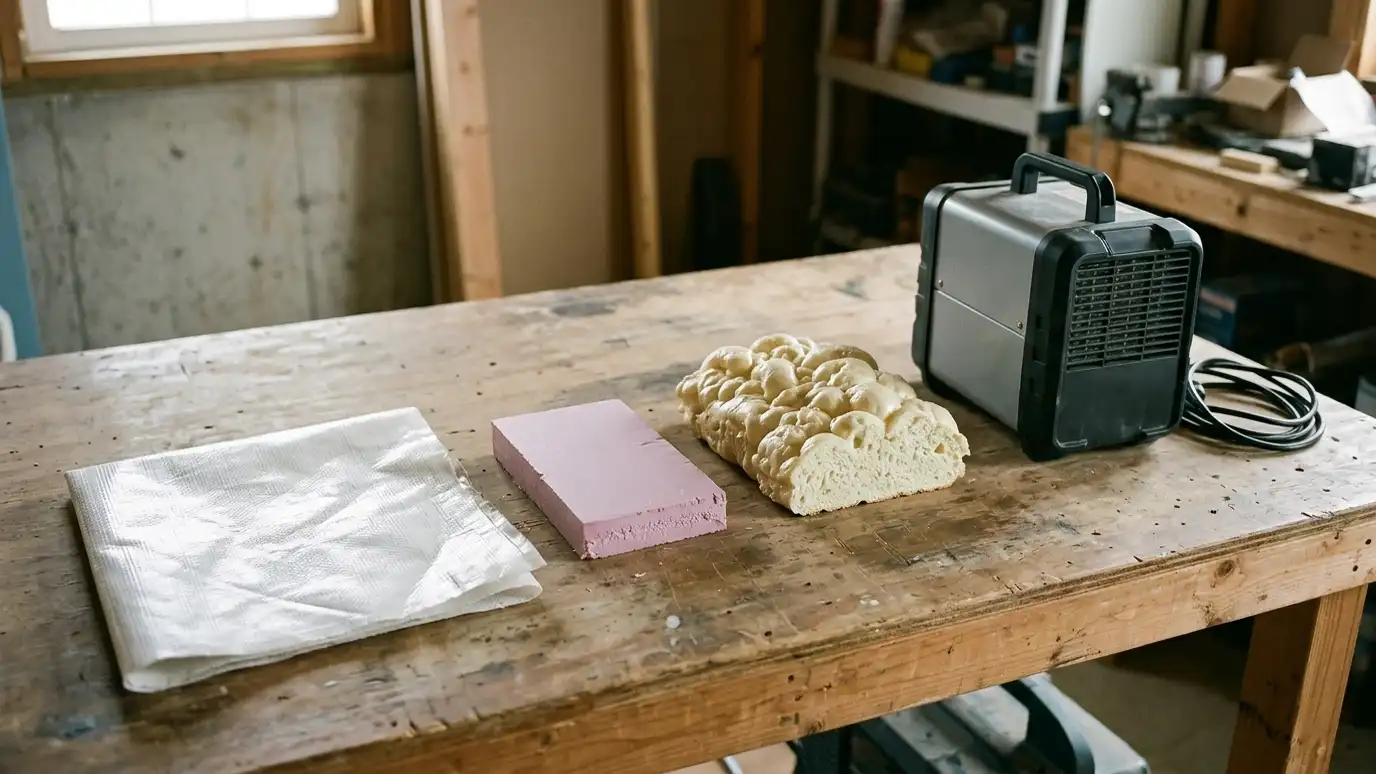
Samples help you see the difference.
Pick insulation and equipment
In sealed spaces, insulate the walls and rim joist and size a dehumidifier to the volume. In vented spaces, support insulation under the floor.
Ducts and pipes may need sealing and wrap.
Insulation works only when it stays dry.
Plan phases
Urgent repairs first, protection second, comfort upgrades third. Each phase should help on its own.
Check timelines and budgets and use our planner tools.
A calm plan beats a rushed one.
Control liquid water first, then humidity, then comfort, and pick sealed or vented based on your house, not a rule of thumb.