Soda blasting and dry ice cleaning that remove mold, stains and soot from crawl space joists and subfloor with less damage to the wood than sanding or grinding.
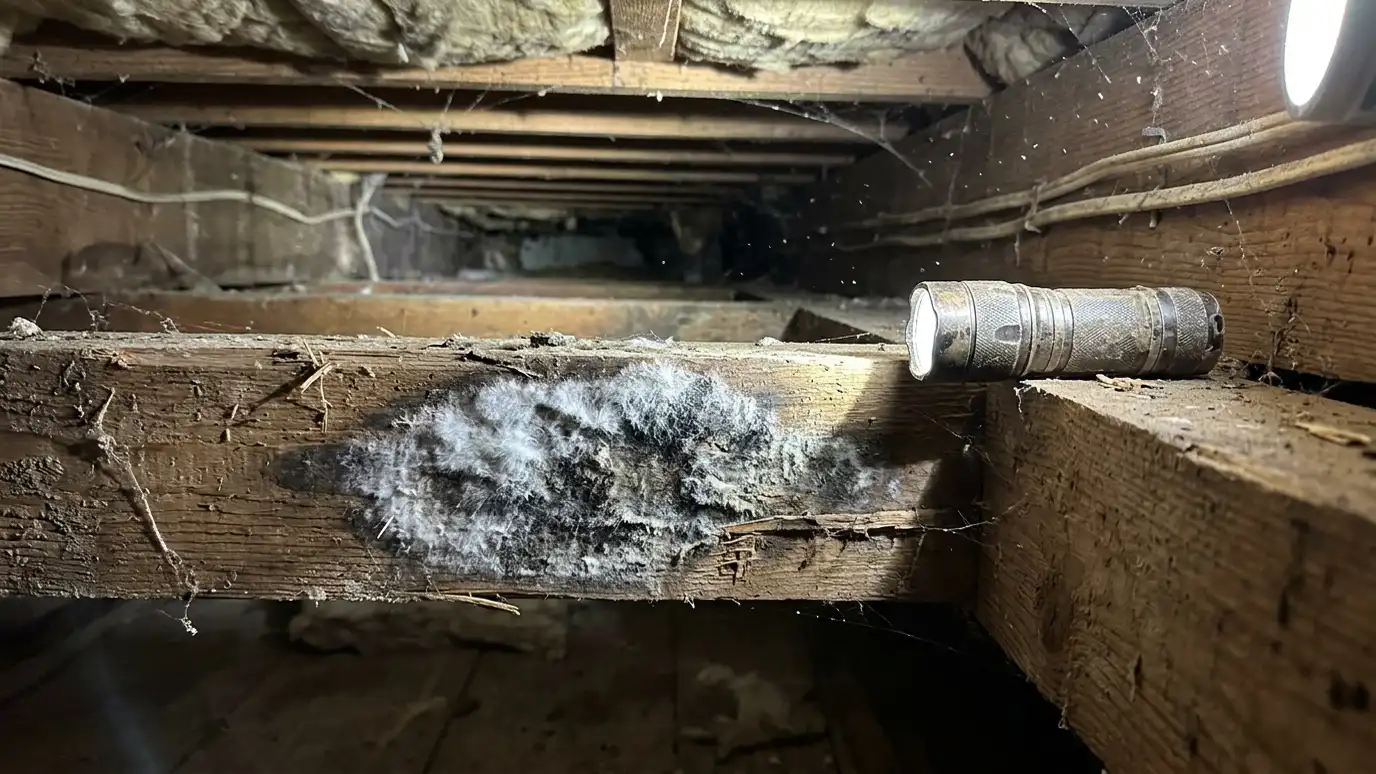
Cleaning mold from rough lumber is hard. Brushes and sanders leave dust and remove wood, while chemicals soak in without lifting stains. Blasting methods use soft media to lift growth and staining with less damage. Homeowners in Nashville with heavily affected joists often prefer blasting because it cleans quickly and gets into corners.
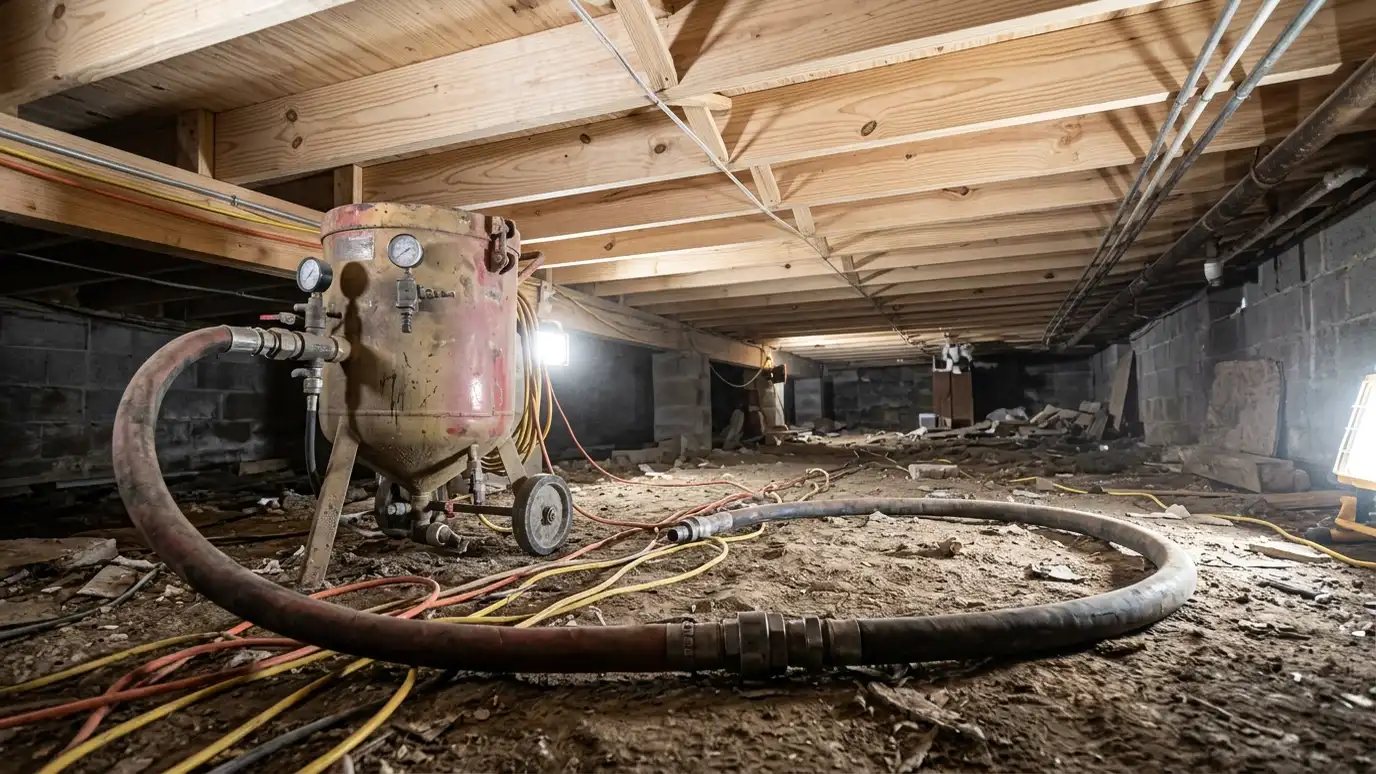
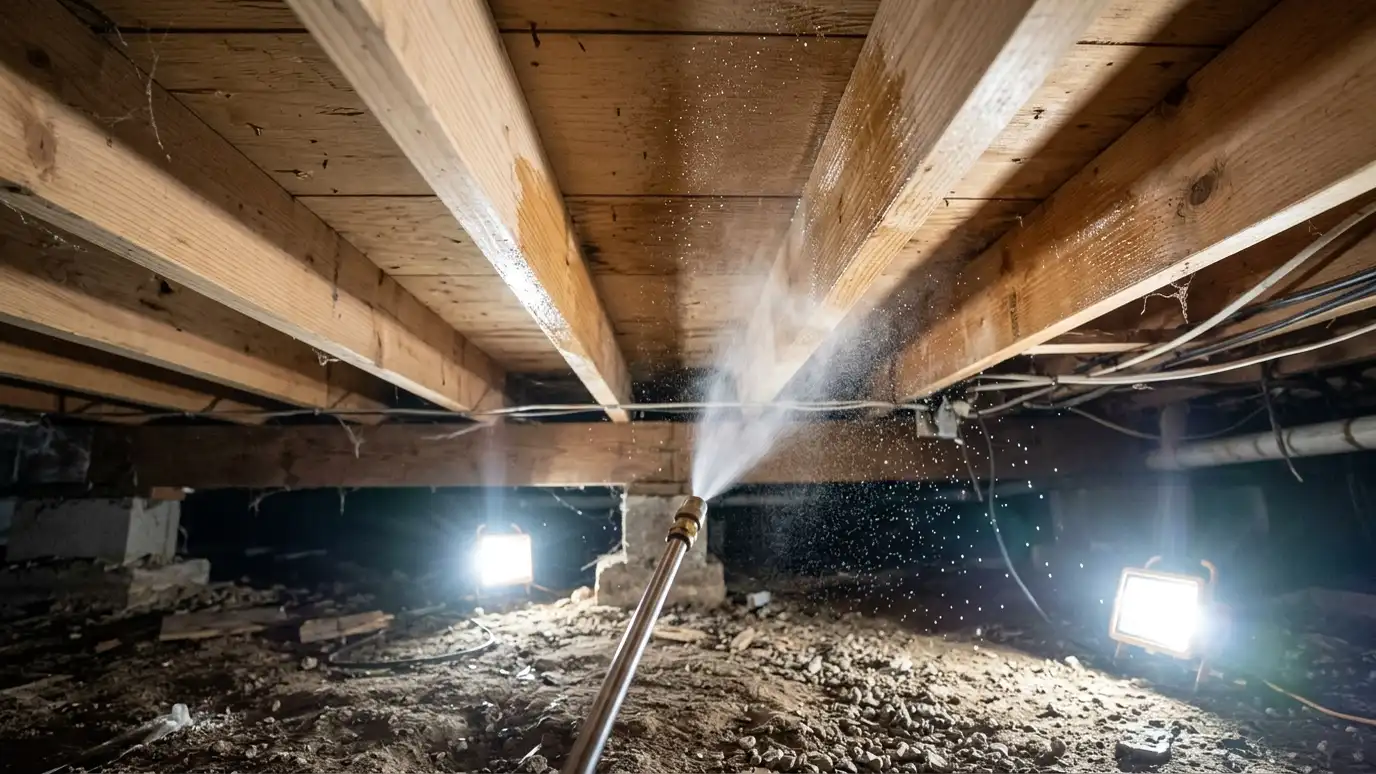
Soda blasting uses baking soda particles at controlled pressure to clean wood without gouging it, and dry ice blasting uses frozen carbon dioxide pellets that sublimate and leave no residue. We contain the area, protect equipment and ventilate, as both methods stir up material, and we collect debris with HEPA vacuums. We choose the method based on the wood, the amount of growth and the access. Blasting is followed by drying, treatments and liners as needed, and we explain what results to expect and what blasting cannot fix, such as rot. Plan on noise for a day.
Soda blasting and dry ice blasting suit different surfaces and amounts of growth, and we explain which fits yours.
The work area is sealed and ventilated, and equipment is protected from dust and moisture.
Media lifts growth and stains from wood, and debris is collected with HEPA vacuums.
We dry, treat and line the space and show you the cleaned wood.
Drag the handle to compare.
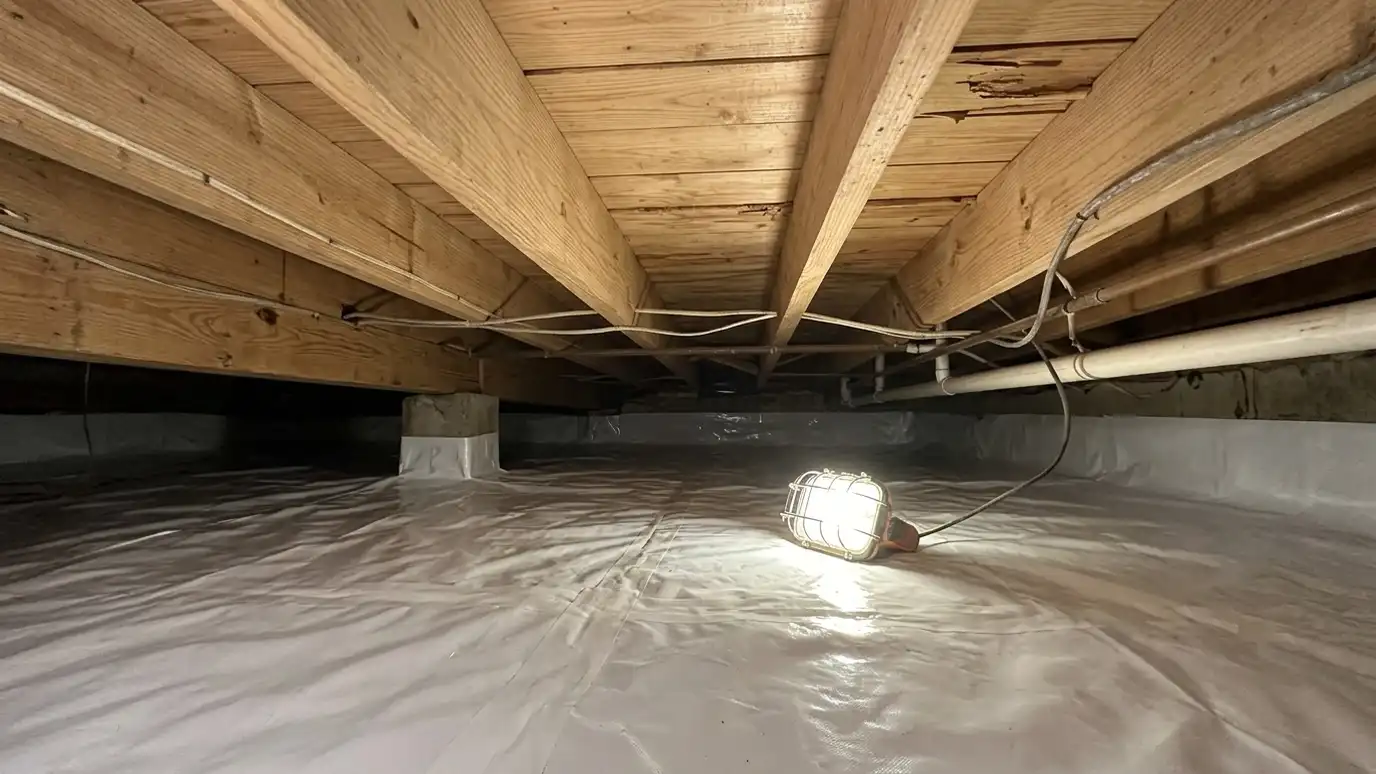
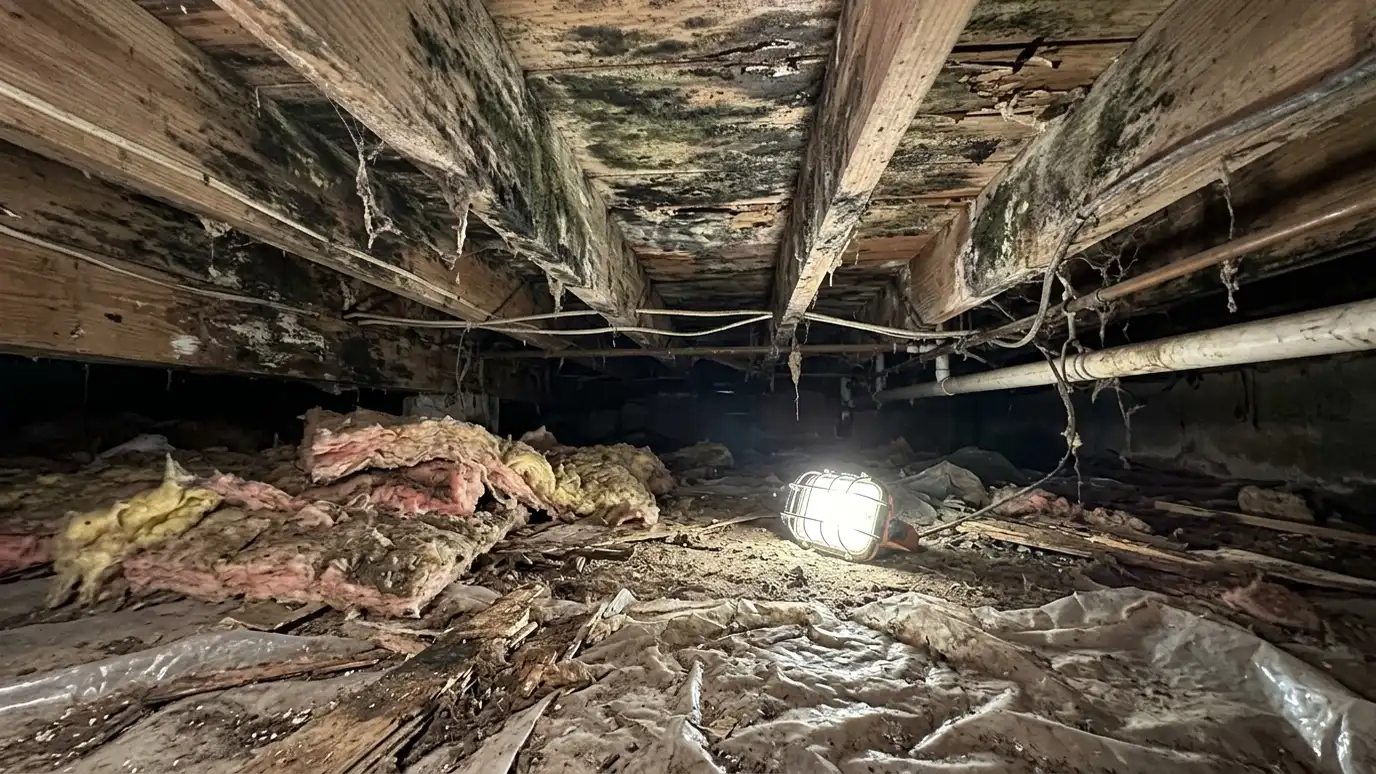 BeforeAfter
Cleans without gouging.
Reaches corners and rough surfaces.
Dry methods.
Dust controlled.
Fine particles collected.
Photos of the wood.
Every topic has its own page with what to expect and how we approach it.
 Comparison guideMold Causes and CleanupWhy mold grows under houses, how moisture, wood and time combine, what safe cleanup involves and how to…Learn more
 ResourceEPA Mold ResourcesA U.S. Environmental Protection Agency resource on mold and moisture in homes, including how to prevent growth and…Learn more
 ResourceIICRCA standards organization for the cleaning, inspection and restoration industries that publishes standards for water damage restoration and…Learn more
Pick a concern, such as a musty smell, standing water, sagging floors, pests, mold or cold floors, to get likely causes, what to do first and the service page that fits.
You tell us what you notice, from smells and cold floors to water and sagging, and we ask about the home and past work.
We enter the space, take moisture readings and photos, measure it and look at drainage outside.
You get a plain written scope with priorities, materials, schedule and options before anything is ordered.
We clear debris, repair structure and install drainage, then dry the space to safe moisture levels.
A liner, sealed vents, insulation and a dehumidifier go in, with seams taped and checked.
We walk the finished space with you, leave a care guide and photos and set a first checkup.
It is often gentler on wood and faster on rough lumber, though each job differs.
No. It turns into gas, leaving only the debris it lifted.
No. It cleans surfaces. Rotted wood needs repair or replacement.
The equipment is loud, so we plan work hours and notify neighbors if needed.
It helps remove many stains, but some discoloration may remain.
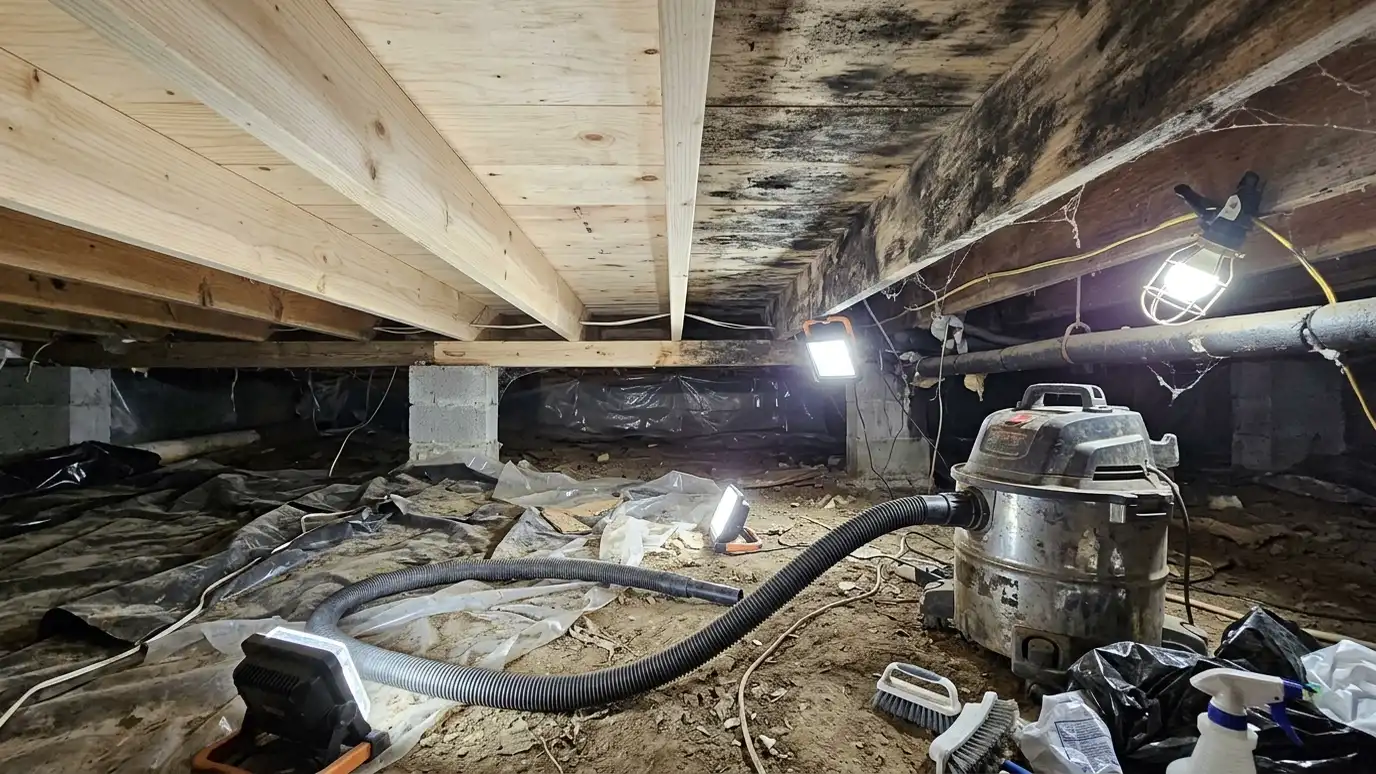 Mold RemediationCrawl space mold remediation that contains the work area, removes growth from wood, cleans and dries the space…Explore
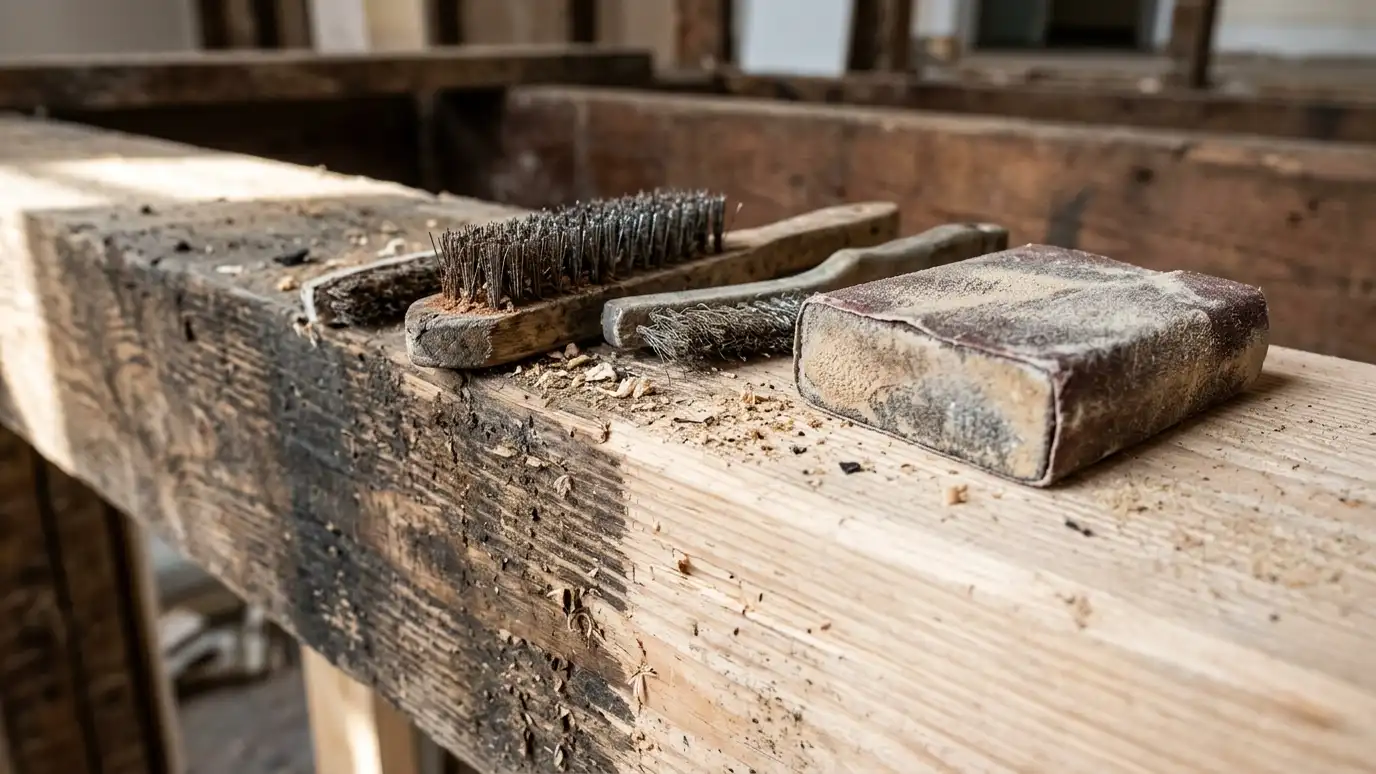 Joist Mold CleaningSubfloor and joist mold cleaning that brushes, sands and HEPA vacuums affected wood so it is clean and…Explore
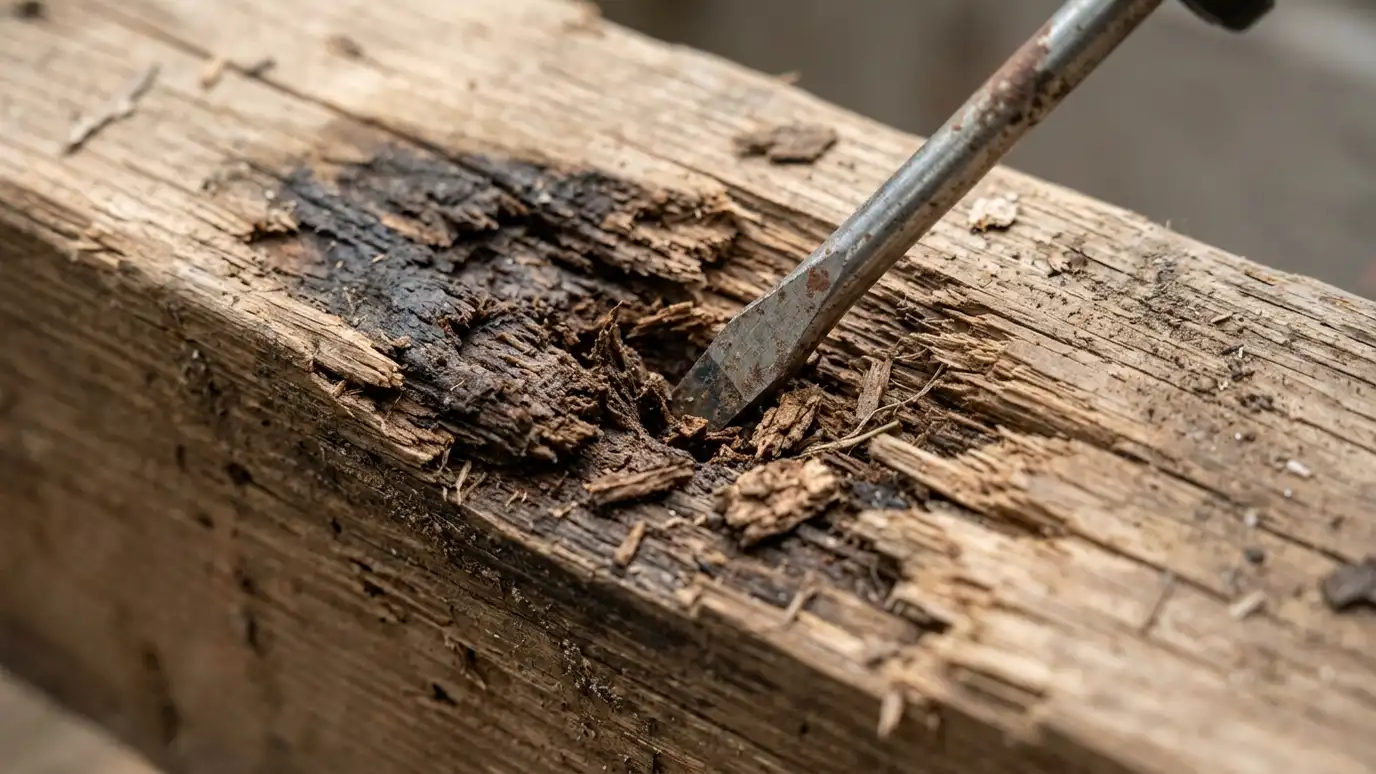 Wood Rot TreatmentWood rot assessment and treatment that finds soft, decayed joists, sill plates and subfloor, stops the moisture and…Explore
 Antimicrobial TreatmentsAntimicrobial and sanitizing treatments that follow cleaning to treat crawl space wood and surfaces according to product labels…Explore
Tell us about your space and we will call you back to set up a visit.
Or call (615) 357-7797 to talk now.