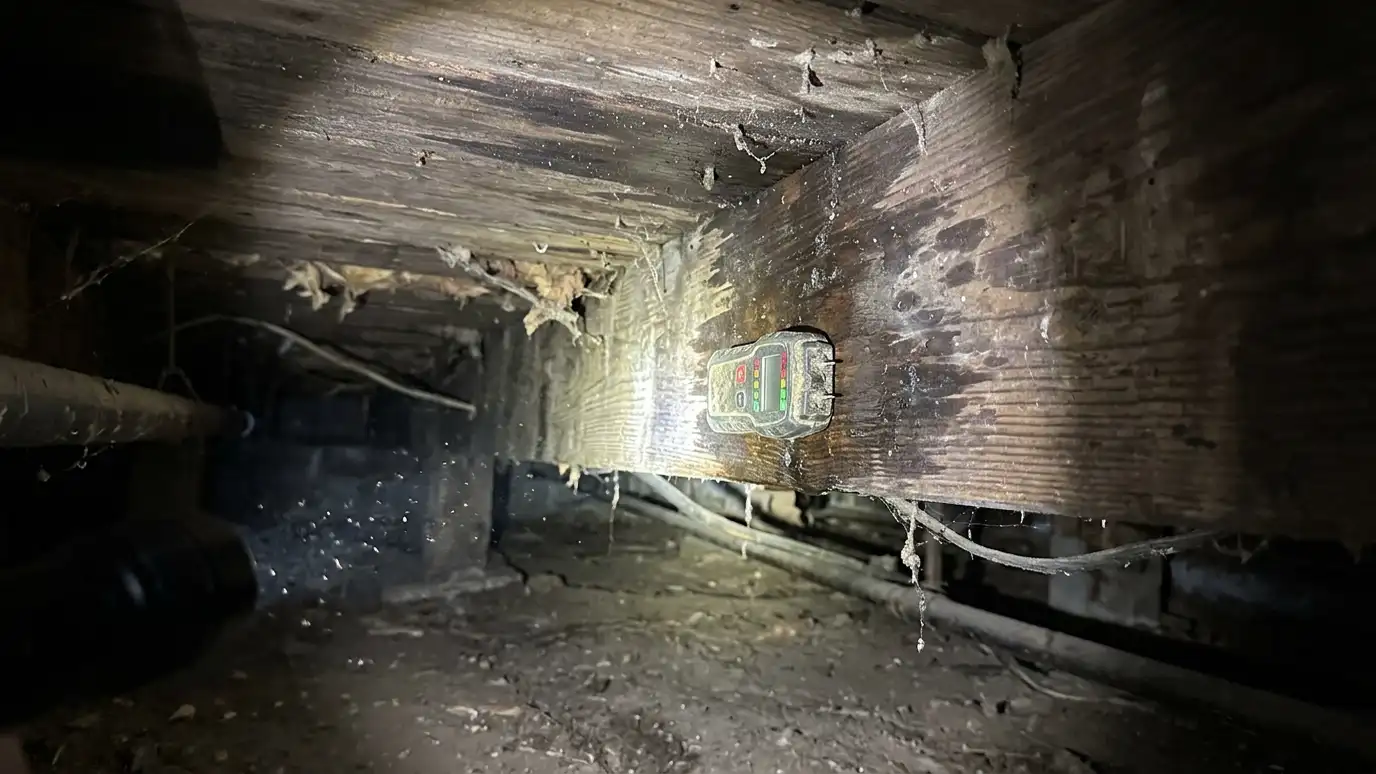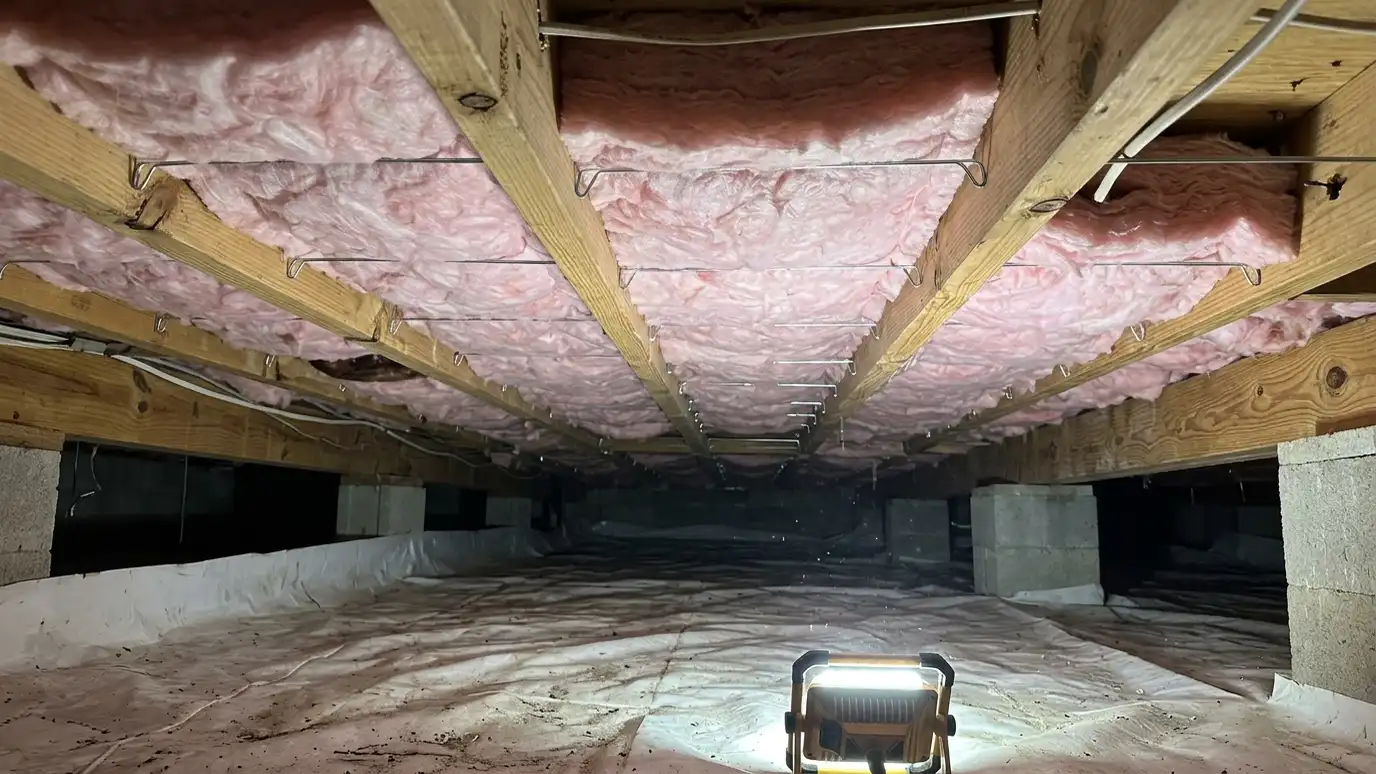
Underfloor batt insulation that installs new, properly supported fiberglass or mineral wool batts between floor joists in vented crawl spaces.
In a vented, dry crawl space, insulation between the floor joists keeps the living area warmer. For it to work, it must touch the subfloor, stay in place and not hold moisture. Homeowners in Nashville with vented crawl spaces and no humidity problems often choose new batts to replace what has fallen or compressed.
We clean the joist bays, seal air leaks and fit batts snugly against the subfloor, supporting them with rigid supports, wire or netting that will not sag. We use mineral wool where moisture resistance matters and keep insulation off the ground and away from heat sources. Ducts and pipes are placed and wrapped as the design requires. We explain that batts under the floor work most effectively in dry spaces, and where humidity is a problem we recommend fixing it or moving to a sealed approach. Tell us how the floors feel and where the cold is worst. We start with those rooms, check the insulation above them first and often find the biggest gaps right where you feel them.
We vacuum the joist bays, repair damage and seal air leaks before new insulation goes in.
Batts are cut to fit snugly against the subfloor so there are no gaps or voids.
Rigid supports or netting hold batts in place for the long haul, not just the first season.
We tell you when a sealed approach would suit your space better.
Drag the handle to compare.
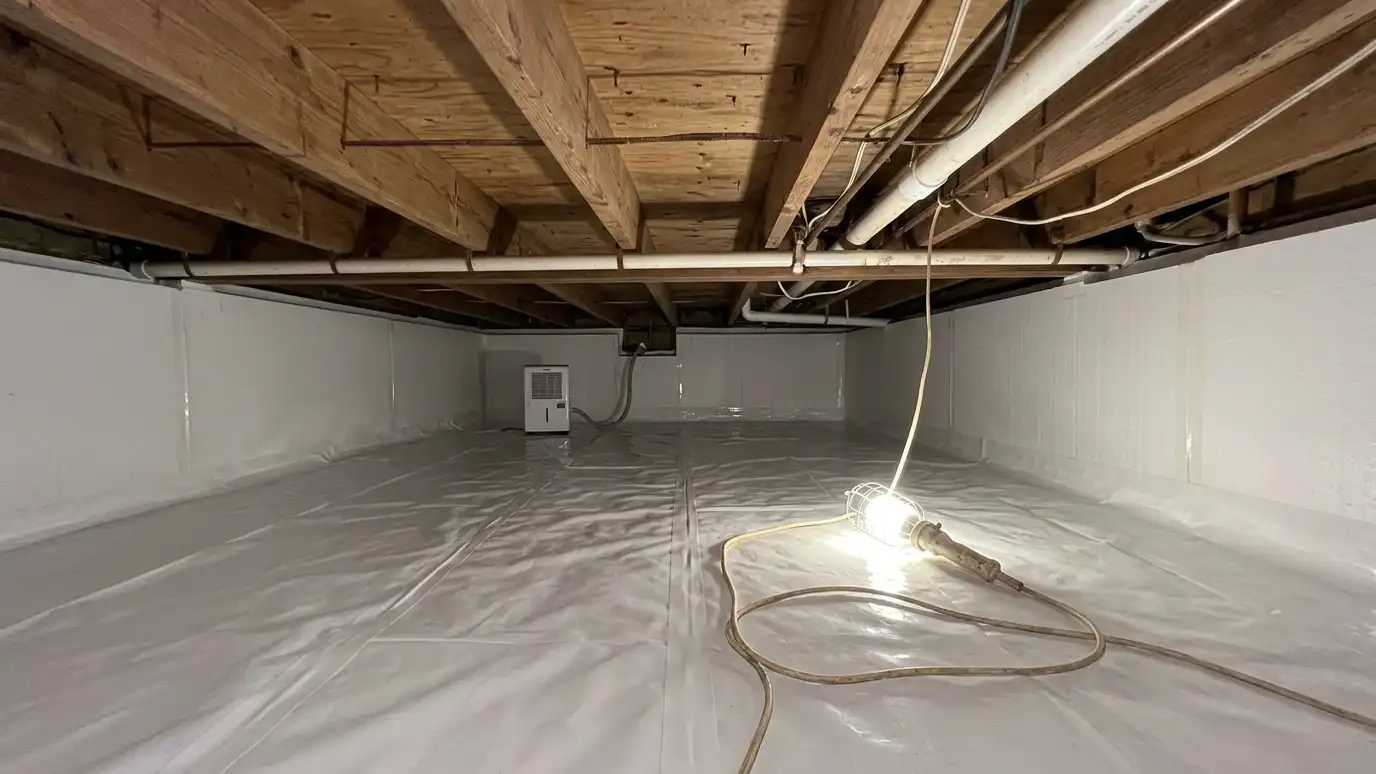
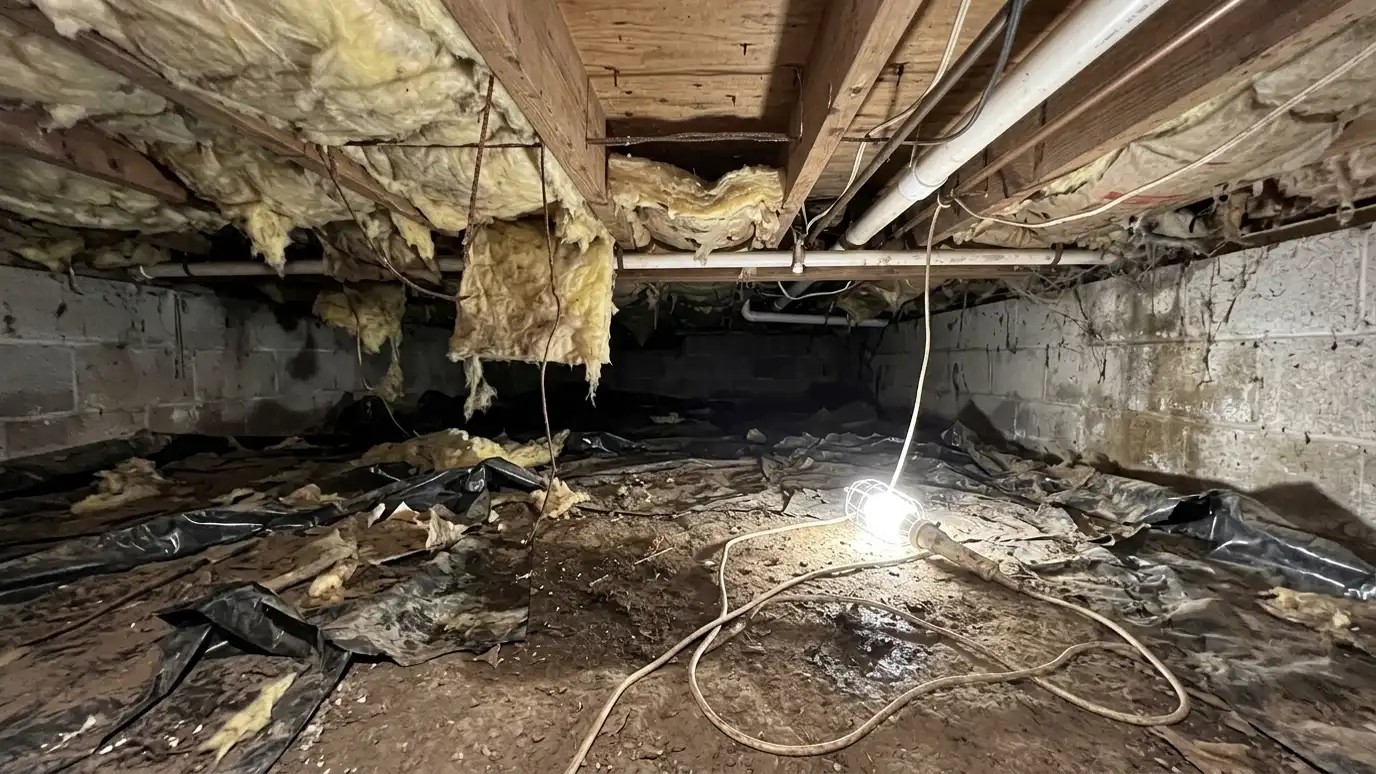 BeforeAfter
A fresh start.
No gaps against the subfloor.
Batts that stay up.
Better against moisture.
Proper wrap and placement.
Strongest in dry spaces.
Every topic has its own page with what to expect and how we approach it.
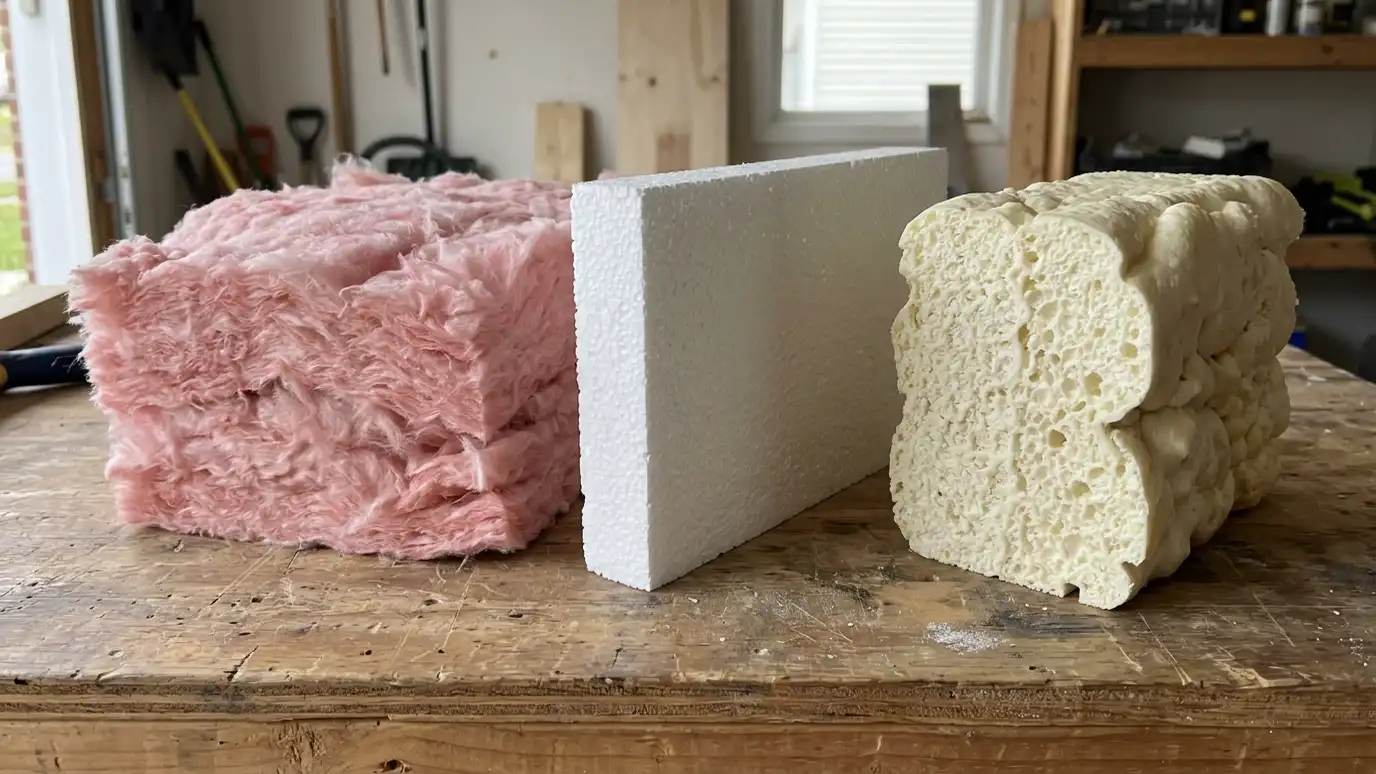 Comparison guideInsulation OptionsHow fiberglass batts, mineral wool, rigid foam board and spray foam differ for crawl space floors and walls…Learn more
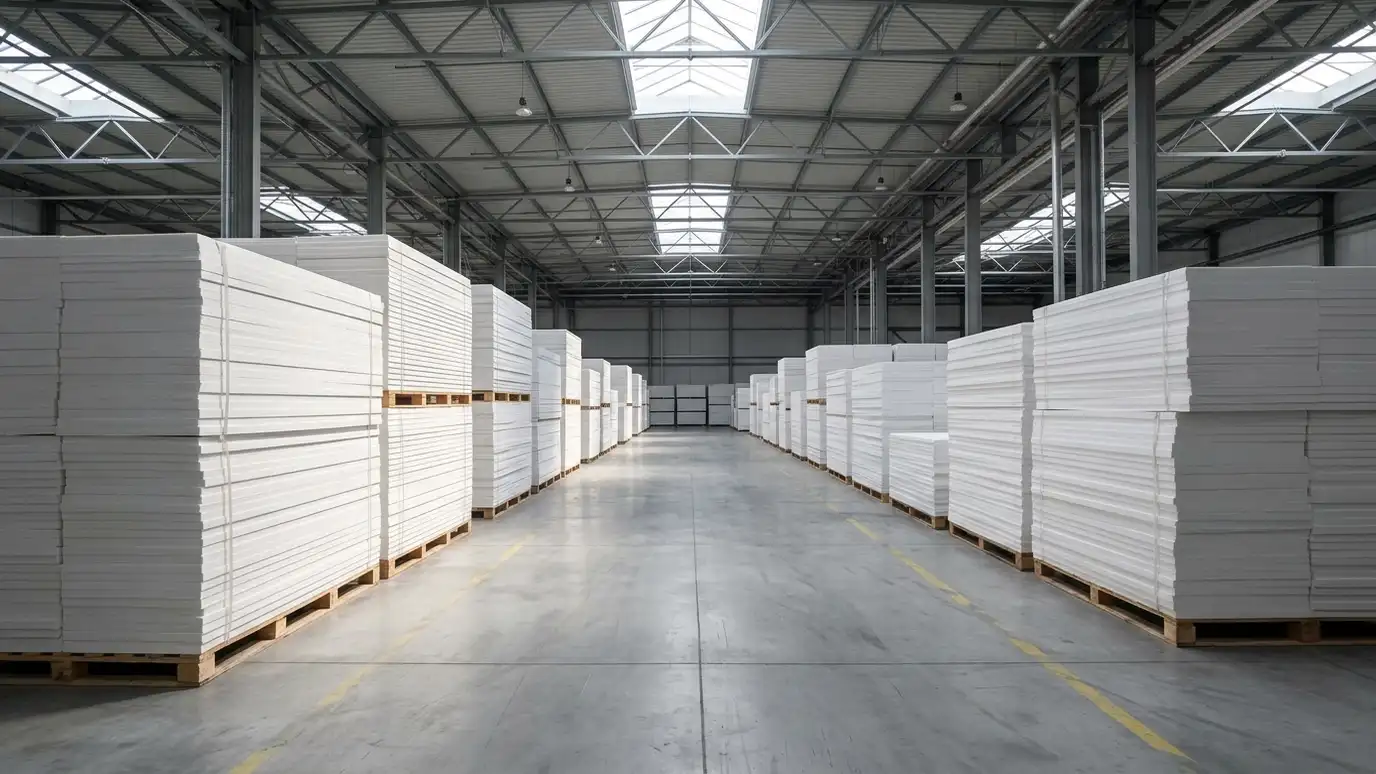 ResourceOwens CorningA maker of building materials including insulation, roofing and composites, with product guides for homes.Learn more
 ResourceDOE Energy SaverA U.S. Department of Energy resource with practical advice on home energy use, insulation, air sealing and heating…Learn more
Enter the length, width and wall height of your crawl space to see floor and wall areas, liner and tape amounts, foam boards, drain length, posts and a dehumidifier range.
You tell us what you notice, from smells and cold floors to water and sagging, and we ask about the home and past work.
We enter the space, take moisture readings and photos, measure it and look at drainage outside.
You get a plain written scope with priorities, materials, schedule and options before anything is ordered.
We clear debris, repair structure and install drainage, then dry the space to safe moisture levels.
A liner, sealed vents, insulation and a dehumidifier go in, with seams taped and checked.
We walk the finished space with you, leave a care guide and photos and set a first checkup.
Mineral wool resists moisture better, and fiberglass costs less. We explain options.
Weak wires, humidity, pests and poor fit. We use stronger supports.
Details vary by plan. We explain what works with your space.
They can, so we seal entry points and use sturdy supports.
If your space is vented and dry, often yes. If it is damp, fix that first.
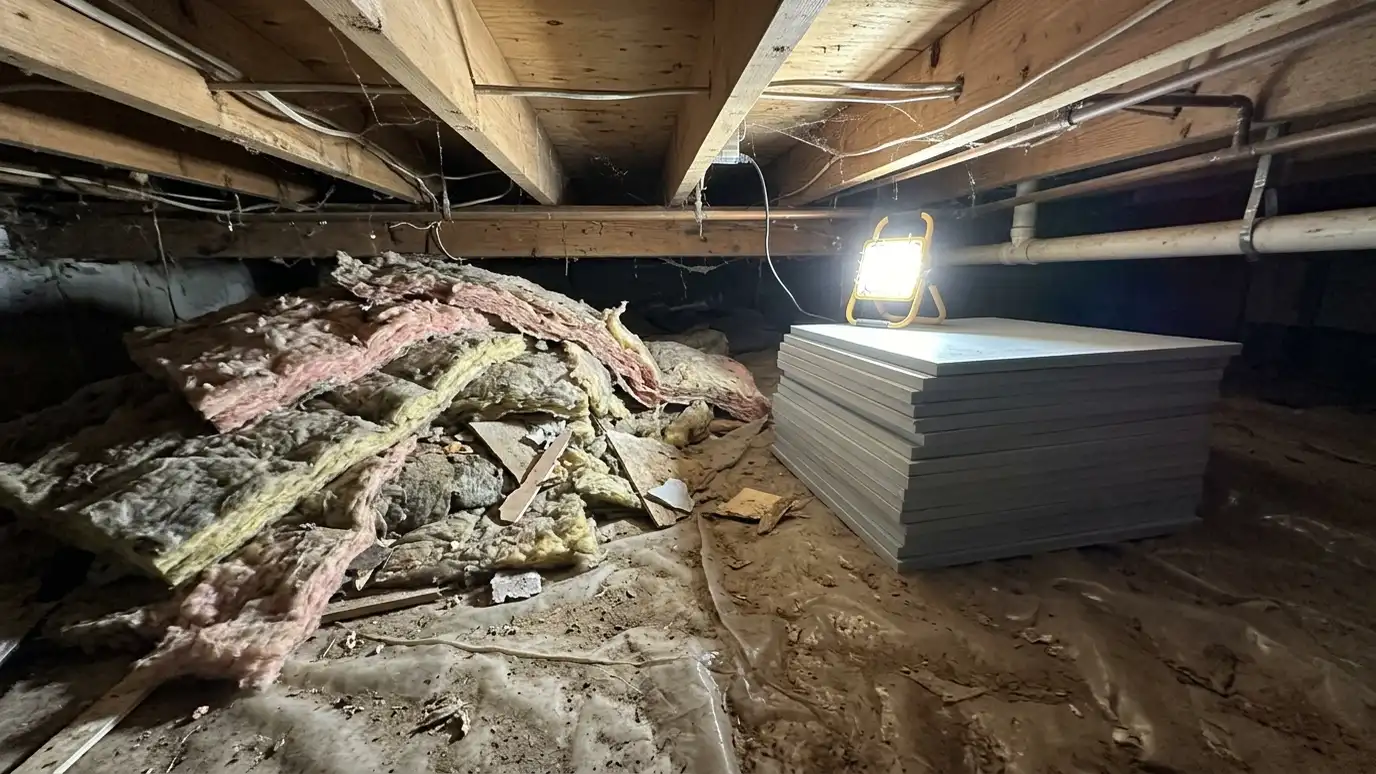 Insulation ReplacementInsulation removal and replacement that takes out fallen, wet or ineffective crawl space insulation and installs new insulation…Explore
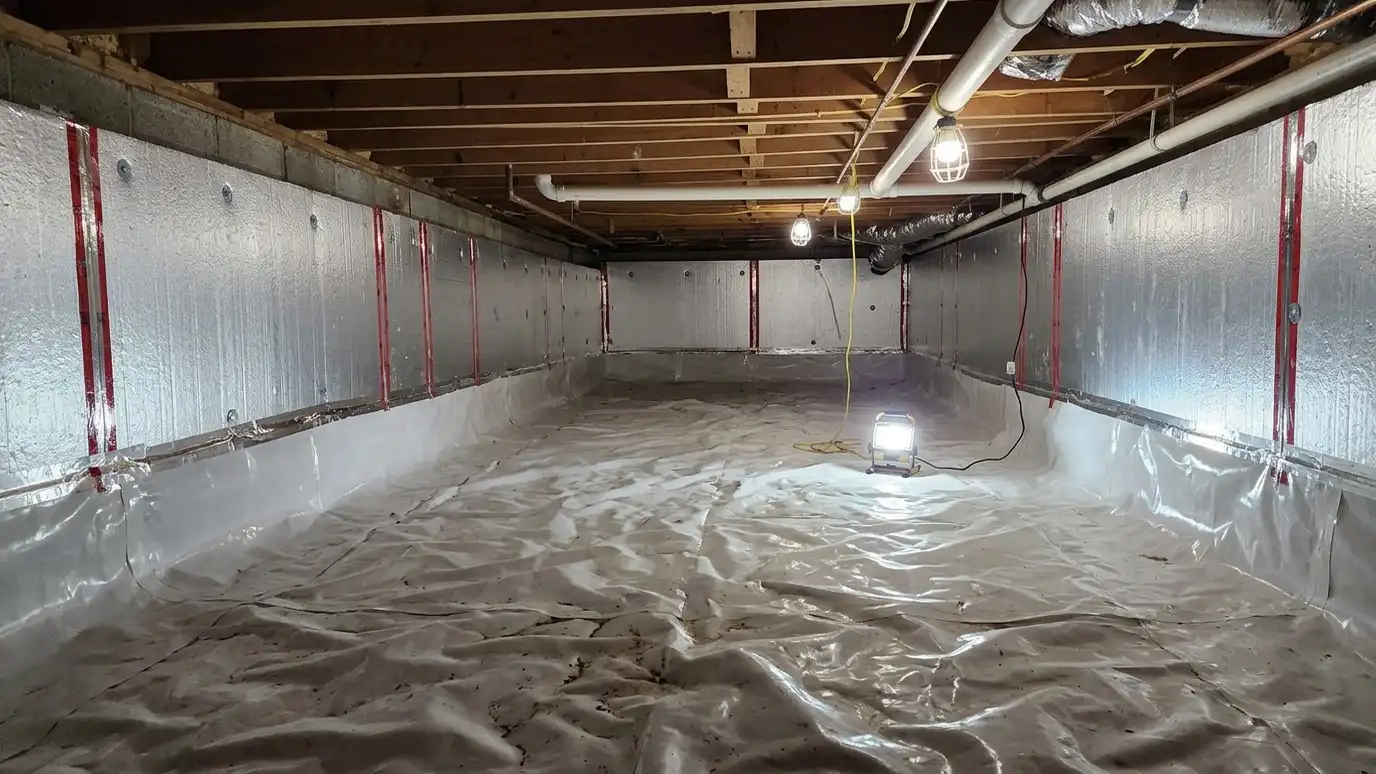 Crawl Space InsulationCrawl space insulation for floors or foundation walls, chosen to suit a sealed or vented space, to keep…Explore
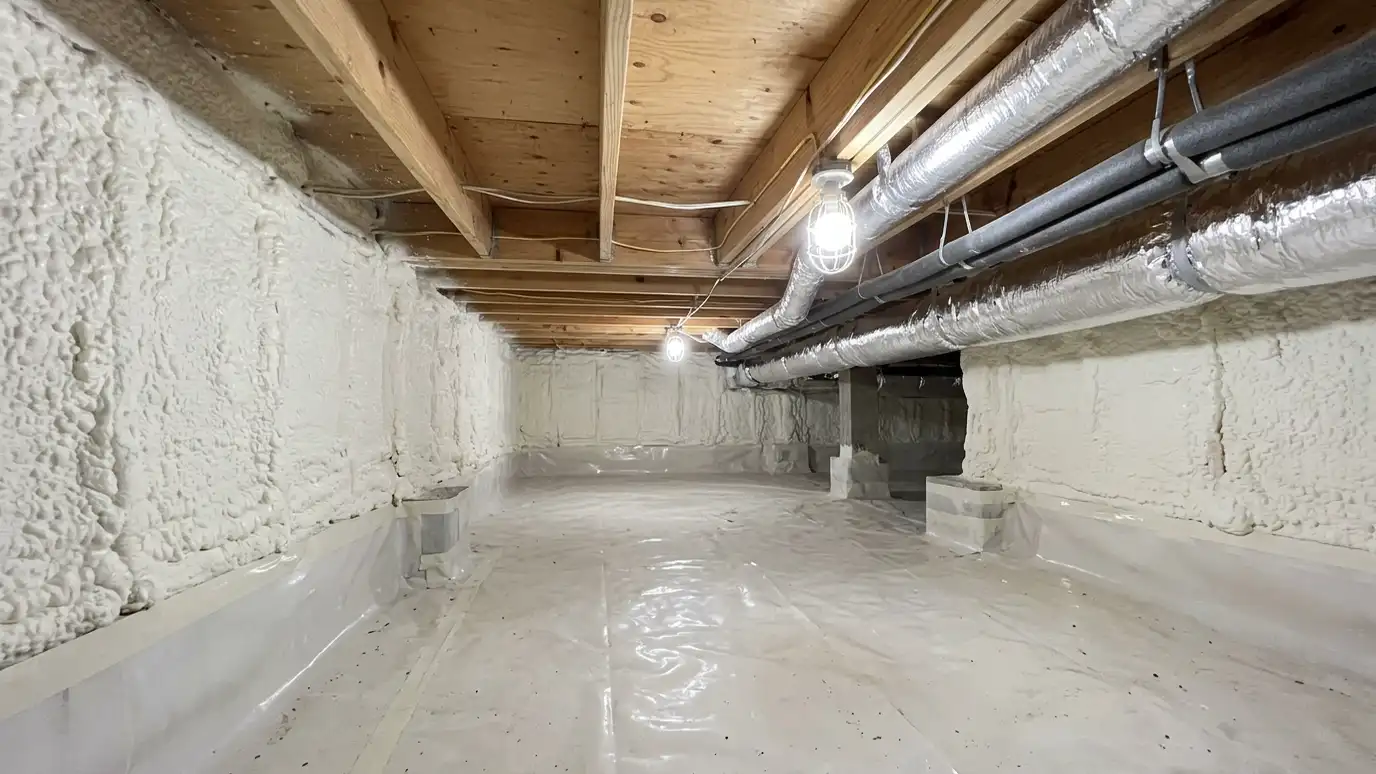 Energy Efficiency UpgradesEnergy efficiency and air sealing upgrades for the crawl space and floor system that reduce drafts, heat loss…Explore
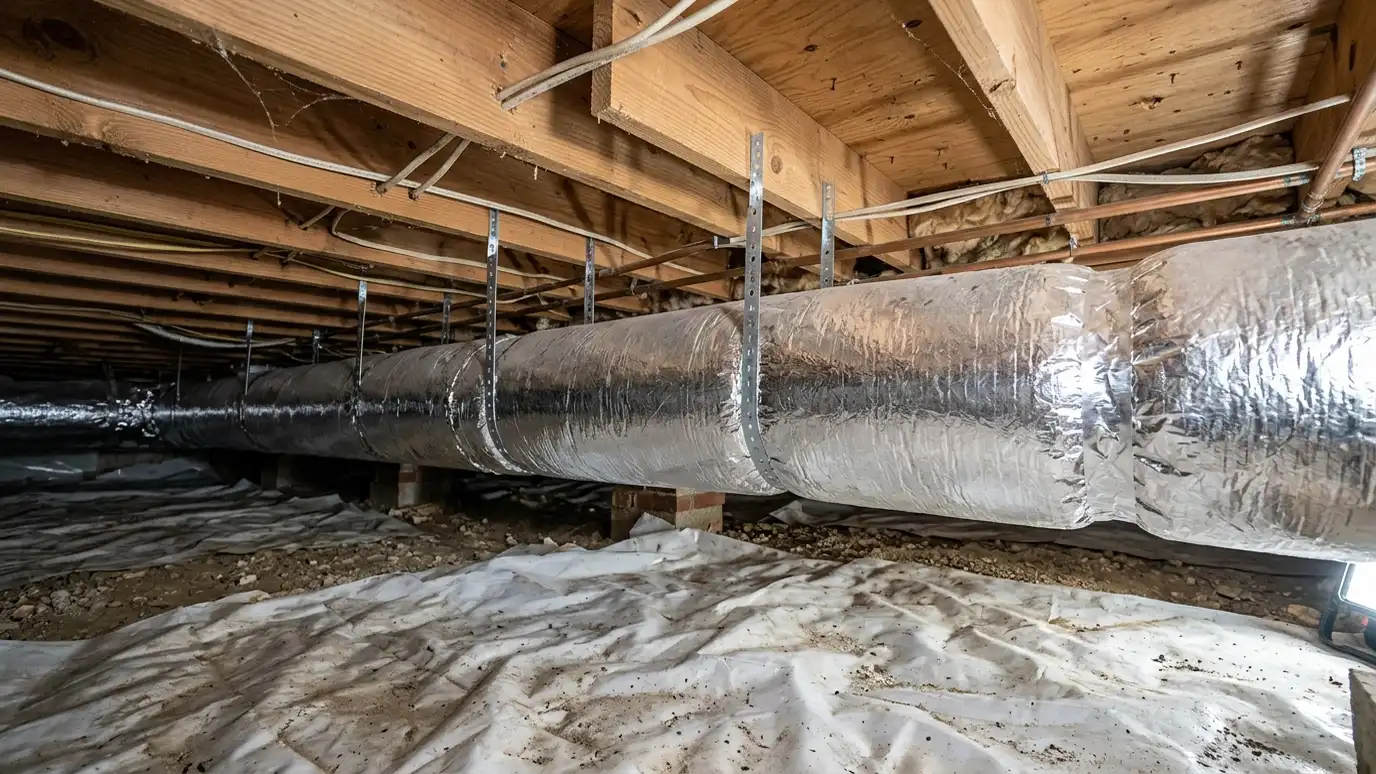 Duct WrapHVAC duct insulation and wrap that covers crawl space ducts with foil-faced insulation to reduce heat loss, sweating…Explore
Tell us about your space and we will call you back to set up a visit.
Or call (615) 357-7797 to talk now.