Foundation vent sealing that closes crawl space vents with rigid foam and sealant so humid outside air stops flowing into the space beneath your home.
Vents were once believed to dry crawl spaces, but in a humid climate they often do the opposite. In summer, warm moist air enters, meets cooler surfaces and leaves water behind. Homeowners in Nashville are often surprised to learn that open vents can add moisture, and that closing them as part of a sealed system helps.
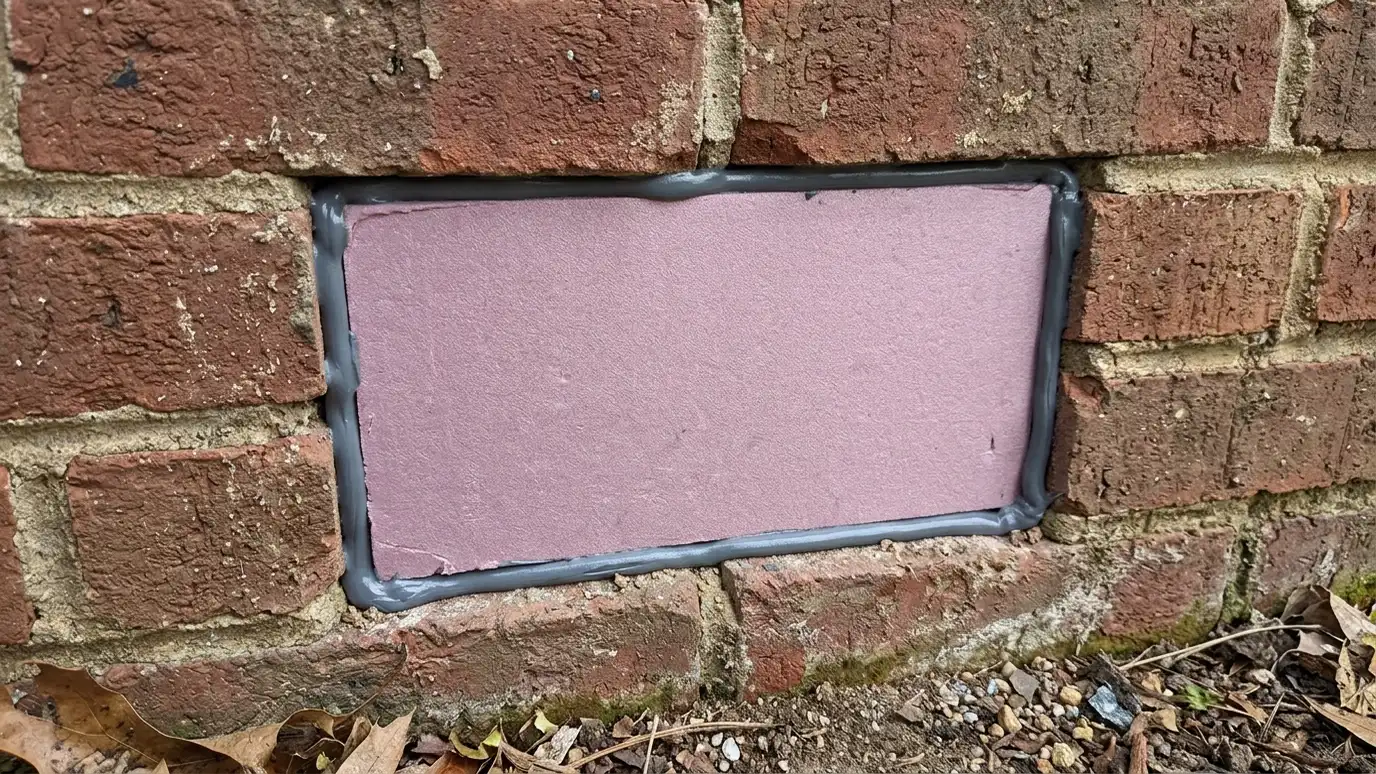
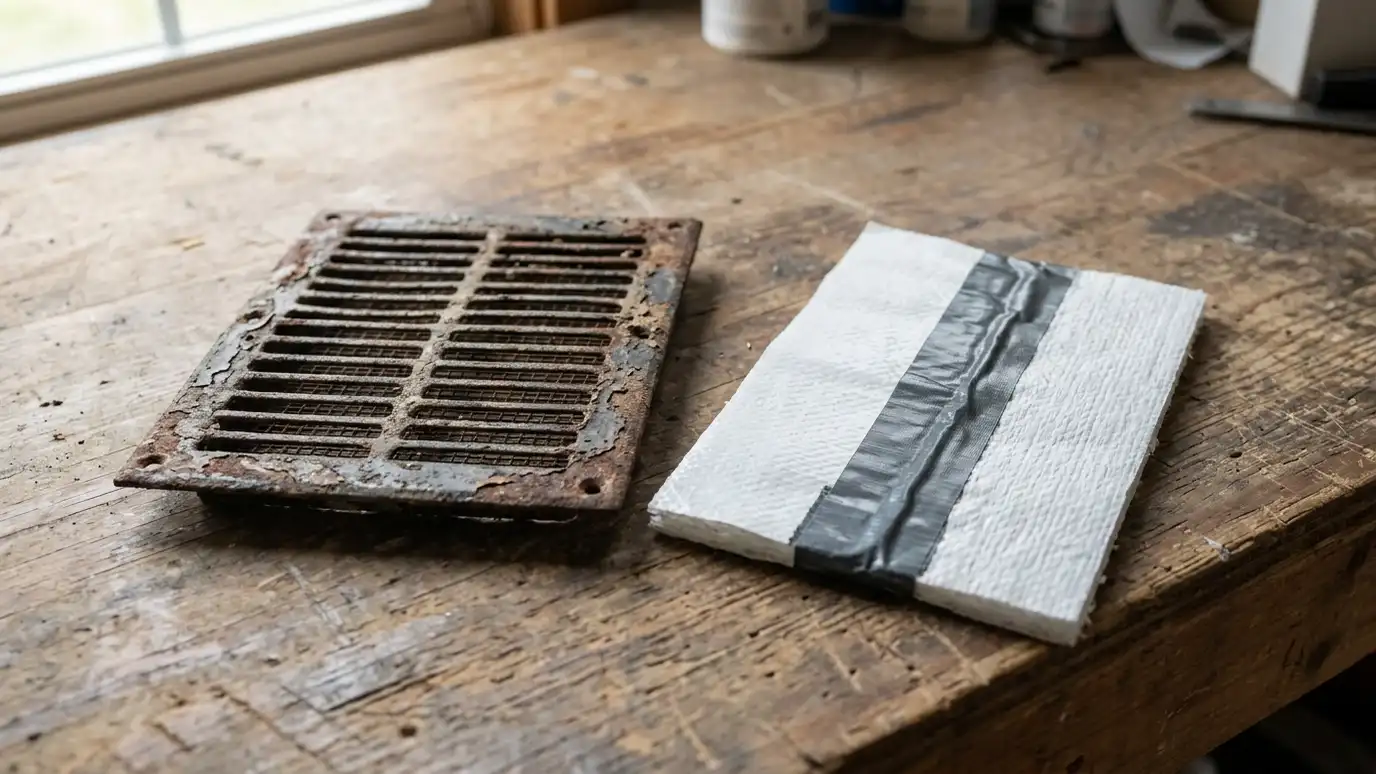
We close vents with rigid foam board cut to fit, sealed at the edges with foam sealant or tape so no air passes. We examine each vent opening first, because some are also pest entries or have broken screens, and we repair or replace damaged framing. Vent sealing works best with a ground liner and humidity control, so we explain how to combine them. If a vent serves a gas appliance or you have special conditions, we tell you what must remain open and what the local code requires, and we encourage you to confirm details with Metro officials.
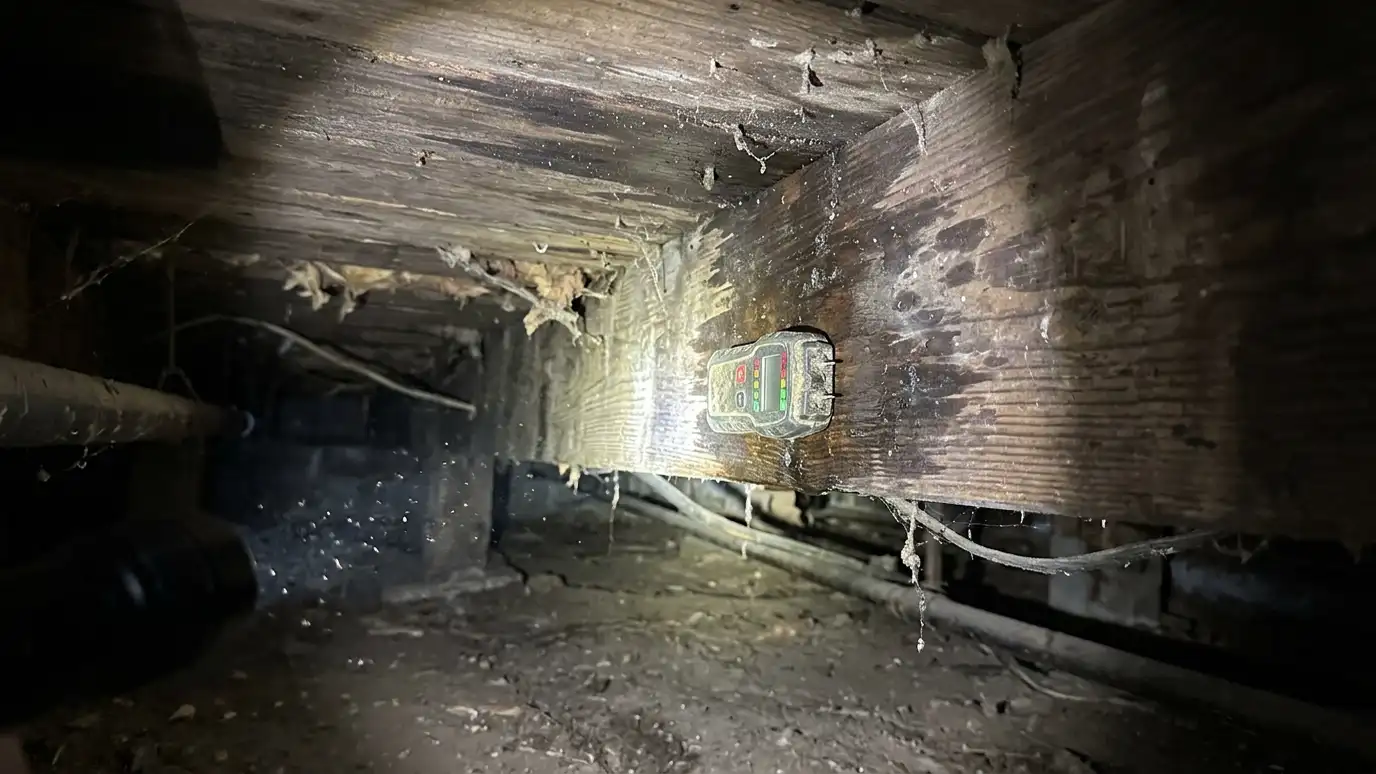
In warm humid weather, vent air carries moisture that condenses on cool surfaces below the house.
Rigid foam is cut to fit each vent and sealed all around so no air gets through.
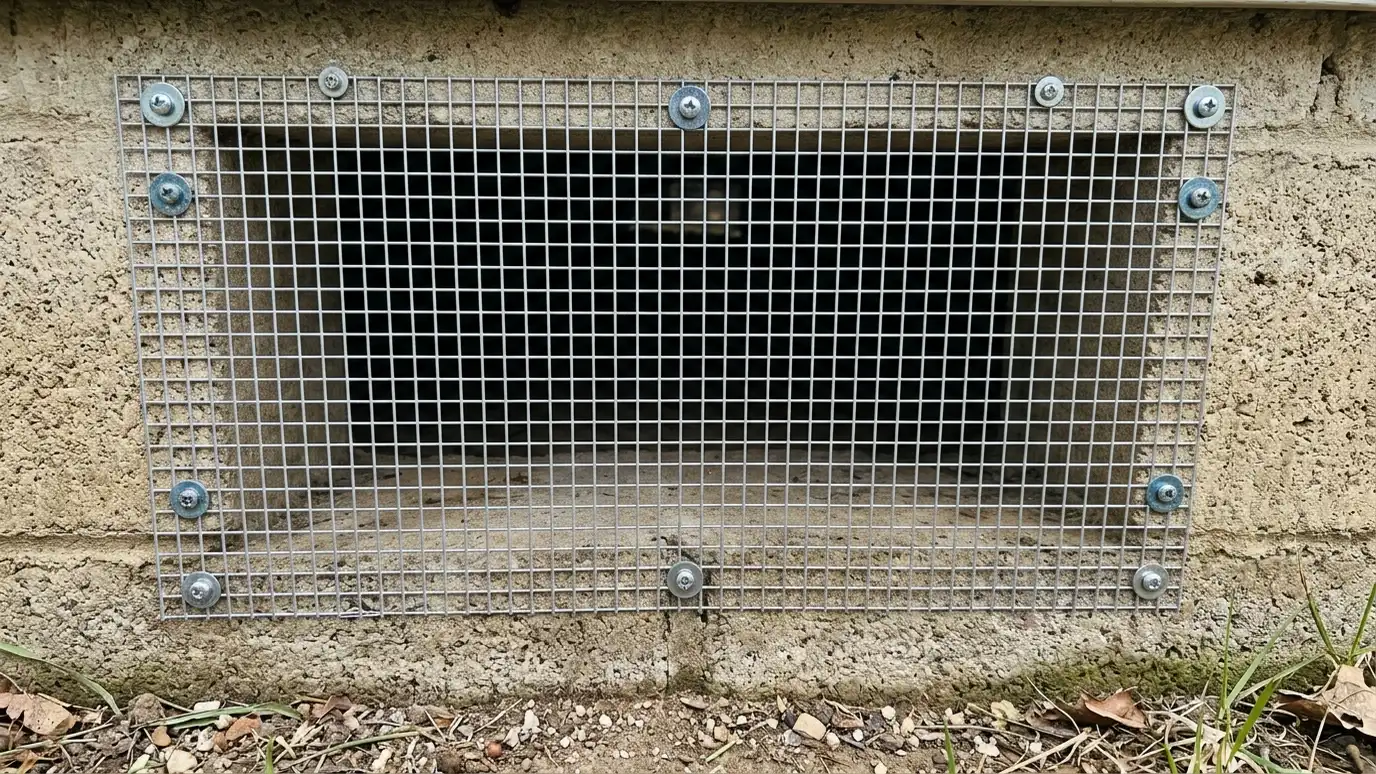
We fix damaged vent frames and screens and note other openings, such as gaps and pipe holes.
Sealing vents works best with a liner and humidity control, so we plan all three together.
Drag the handle to compare.
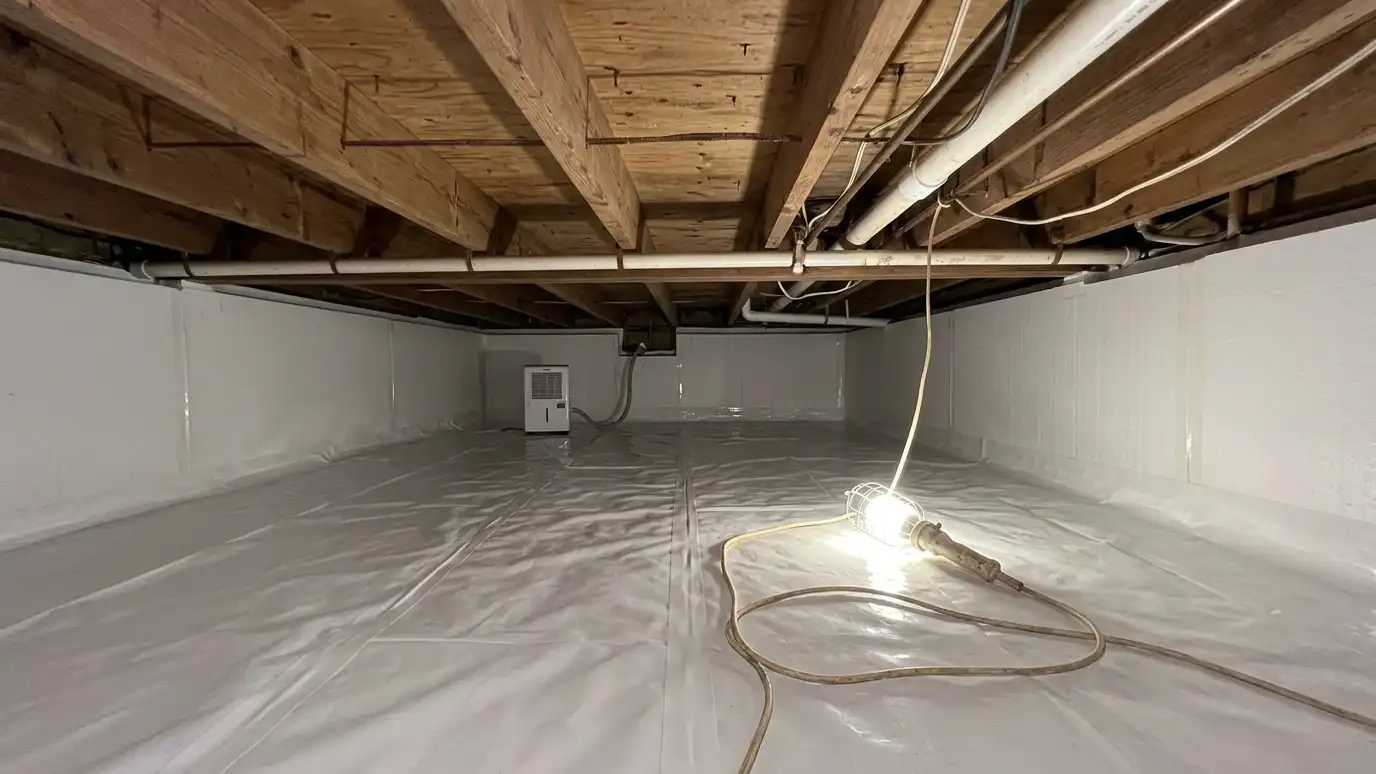
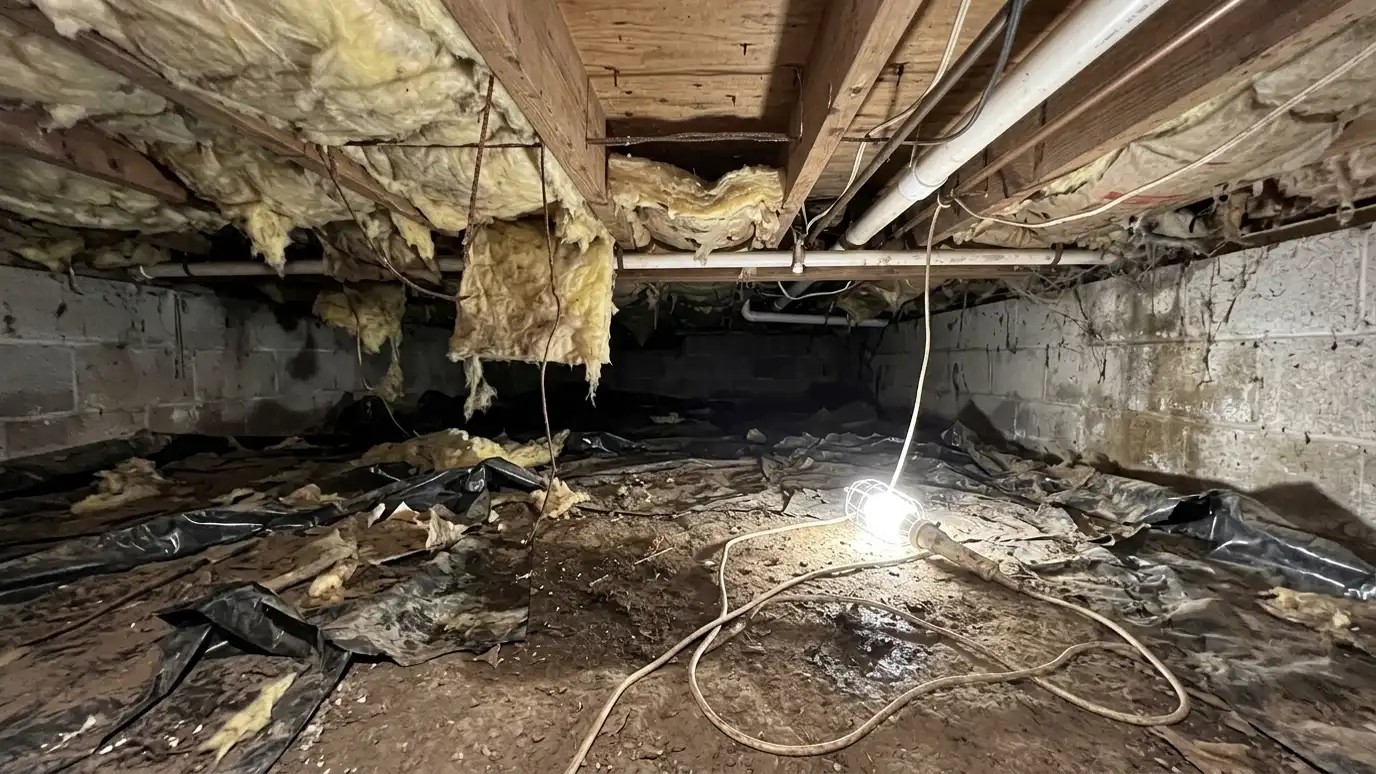 BeforeAfter
Each vent closed neatly.
No leaks around the plug.
Damaged openings fixed first.
Entry points addressed.
We explain what must stay open.
Liner and dehumidifier included.
Every topic has its own page with what to expect and how we approach it.
 Comparison guideEncapsulated vs VentedHow a sealed, lined and dehumidified crawl space differs from a traditional vented one in moisture, energy use…Learn more
 ResourceMetro CodesThe local government department that handles building permits, inspections and code enforcement for Davidson County, with information for…Learn more
 ResourceBuilding Performance InstituteA national organization that develops standards and training for building performance work such as energy efficiency, air sealing…Learn more
Set your space, then turn on a liner, wall liner, interior drain, sump pit, dehumidifier, posts and insulation to see a top-down plan with quantities, then send the plan to us.
You tell us what you notice, from smells and cold floors to water and sagging, and we ask about the home and past work.
We enter the space, take moisture readings and photos, measure it and look at drainage outside.
You get a plain written scope with priorities, materials, schedule and options before anything is ordered.
We clear debris, repair structure and install drainage, then dry the space to safe moisture levels.
A liner, sealed vents, insulation and a dehumidifier go in, with seams taped and checked.
We walk the finished space with you, leave a care guide and photos and set a first checkup.
When the space is dried and controlled, it is a common practice. We check the details first.
Some conditions, such as combustion air or flood vents, call for them. We tell you and explain code points.
Without humidity control it can. That is why we pair it with a liner and dehumidifier.
Yes. Foam plugs can be removed if needed.
It can reduce drafts and humidity, though results vary.
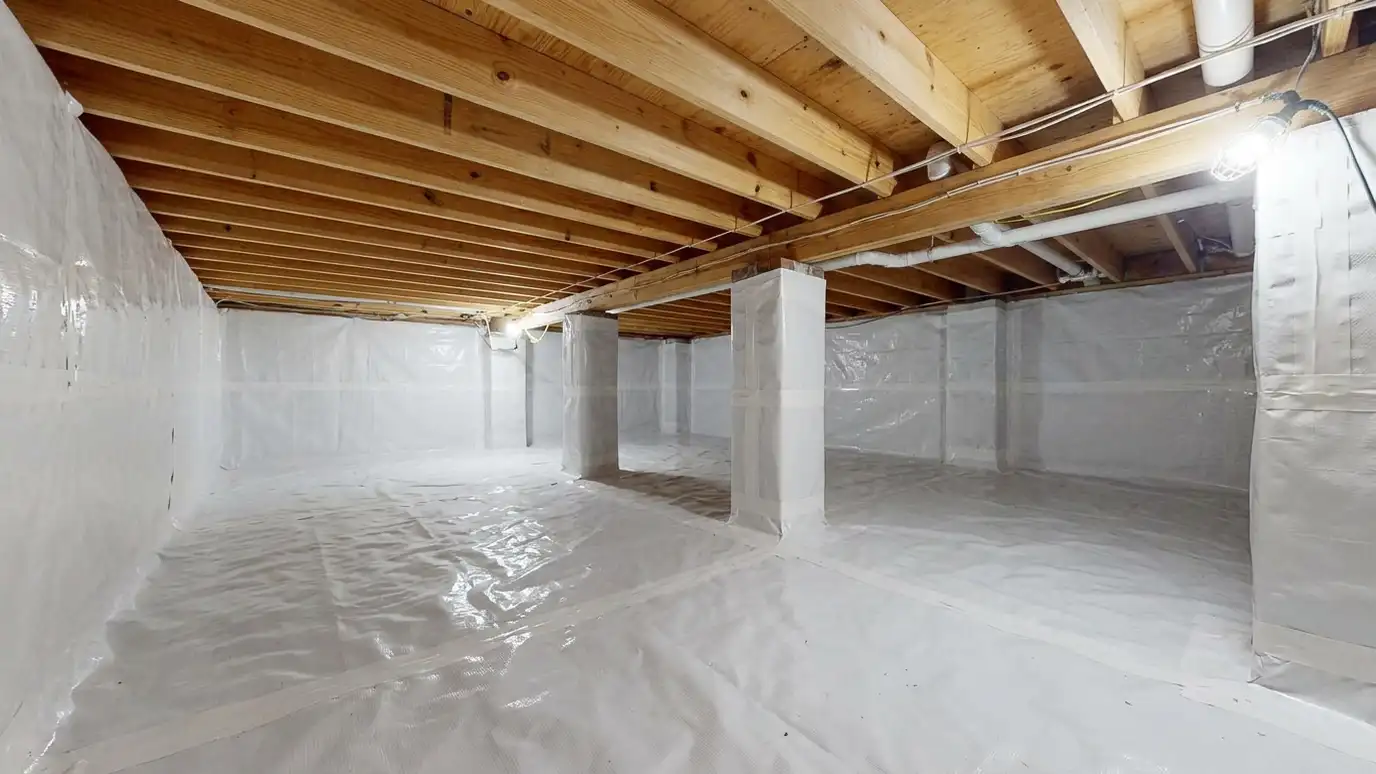 EncapsulationCrawl space encapsulation that seals the floor, walls and openings with a heavy-duty liner, insulation and humidity control…Explore
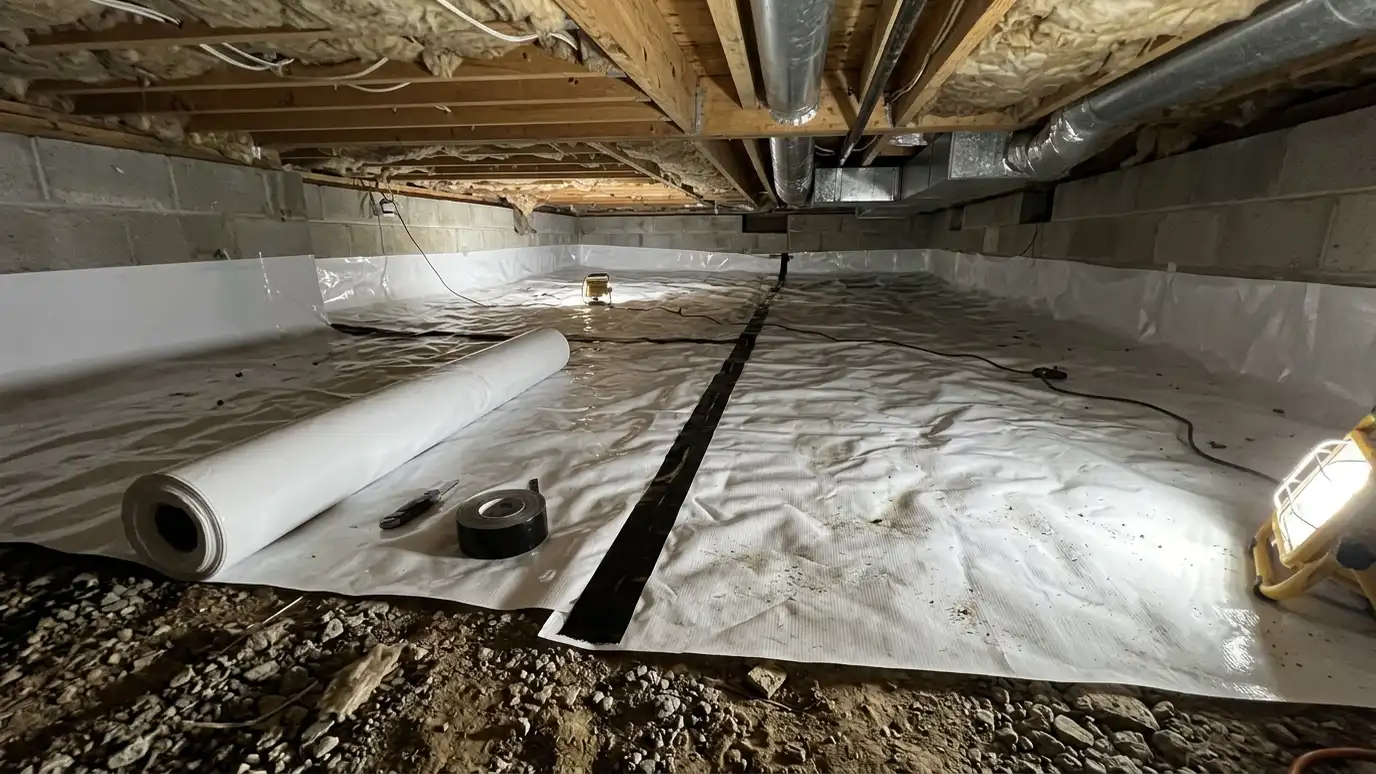 Vapor BarrierVapor barrier installation that covers a crawl space floor with durable reinforced sheeting, overlapped and taped, to block…Explore
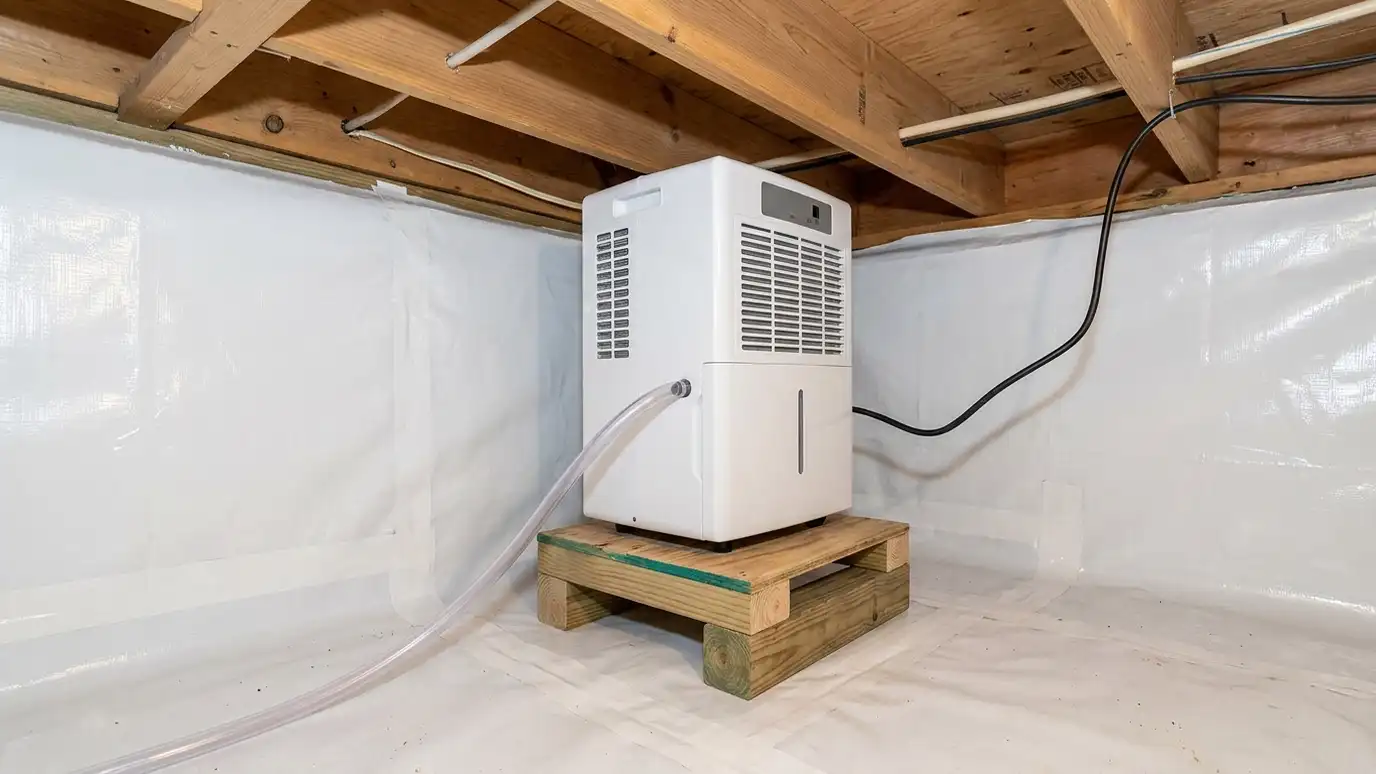 Dehumidifier InstallationCrawl space dehumidifier installation with a properly sized unit, a drain or pump, power, a humidity control and…Explore
 Pest and Rodent ExclusionPest and rodent exclusion that closes vents, gaps and openings with steel mesh and sealants so mice, rats…Explore
Tell us about your space and we will call you back to set up a visit.
Or call (615) 357-7797 to talk now.